UGANDA GORILLA SAFARIS

Luxury Gorilla Trekking Adventures

Meet endangered mountain gorillas in Bwindi Impenetrable National Park with expert local guides.

Raptors Africa Safaris
WHY RAPTORS AFRICA SAFARIS

Travel East Africa.
Travel Differently.

Discover East Africa through local expertise, responsible travel, and tailor-made safari adventures across Uganda, Kenya, Rwanda, Tanzania, and the Democratic Republic of Congo—designed to create unforgettable wildlife, cultural, and adventure experiences.

✓ Local Expertise ✓ Responsible Travel ✓ Tailor-Made Trips
Explore Our Story →
EXPLORE OUR TOURS

Special Packages

4 Days Bwindi Double Gorilla Trekking

4 Days Bwindi Double Gorilla Trekking

4 Days Gorilla and Golden Monkey Trekking in Rwanda

4 Days Gorilla & Golden Monkey in Rwanda

6 Days Uganda Gorillas and Wildlife Safari

6 Days Uganda Gorillas & Wildlife Safari

7 Days Primates and Wildlife in Rwanda

7 Days Primates and Wildlife in Rwanda

10 Days Safari in Uganda

10 Days Safari in Uganda

25 Days Uganda Safari

25 Days Uganda Safari

EAST AFRICA SAFARIS

One Region.
Endless Adventures.

Discover Uganda, Rwanda, Kenya and Tanzania through expertly planned safaris, unforgettable wildlife and authentic East African experiences.

Explore Safaris ↗

Top Selling Packages

Gorilla Trekking in Uganda
2 Gorilla
Destinations
GORILLA TREKKING

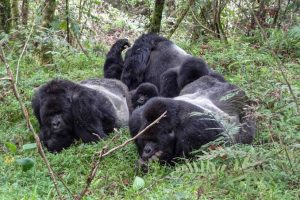
Meet Uganda's Mountain Gorillas

Experience unforgettable gorilla trekking in Uganda's ancient forests and discover endangered mountain gorillas in their natural habitat.

Discover Gorilla Trekking →

East Africa Group Safari Tours

Explore Uganda, Rwanda, Kenya and Tanzania on unforgettable safari adventures. Choose your preferred safari and book your next African adventure with us.

4 Days Uganda Gorilla Safari

4 Days Uganda Gorilla Safari

$1,450
Available
3 Days Rwanda Gorilla Experience

3 Days Rwanda Gorilla Experience

$1,650
Available
6 Days Kenya Maasai Mara Safari

6 Days Kenya Maasai Mara Safari

$1,995
Available
7 Days Tanzania Serengeti Safari

7 Days Tanzania Serengeti Safari

$2,250
Available
9 Days Uganda Wildlife Safari

9 Days Uganda Wildlife Safari

$1,750
Available
14 Days Chimpanzee and Wildlife Safari

14 Days Chimpanzee & Wildlife Safari

$2,750
Available
7 Days Tanzania Kilimanjaro Adventure

7 Days Tanzania Kilimanjaro Adventure

$2,450
Available
25 Days Uganda Safari

25 Days Uganda Safari

$5,650
Available

Ready for Your East African Adventure?

Choose your safari and start planning your unforgettable journey today.

Book Your Safari
REVIEWS & TESTIMONIALS

What Our Clients Say

Read genuine reviews from travellers who explored Uganda, Rwanda, Kenya and East Africa with Raptors Africa Safaris.

TRAVELLER REVIEWS

Excellent

★★★★★

Based on 1,087 reviews

● Tripadvisor

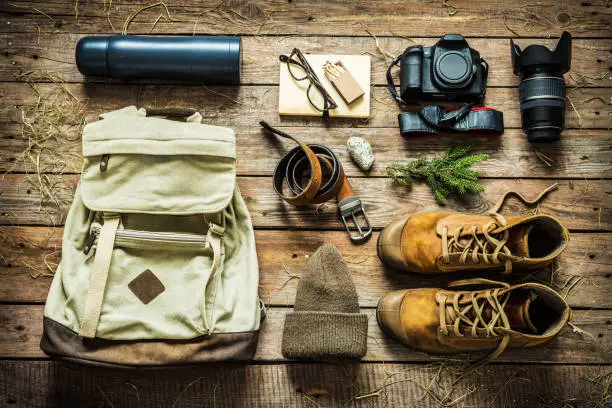
Items to Pack

A pair of sturdy hiking boots

Comfortable, waterproof, hiking boots are necessary for navigating the forest terrain. This makes it easy for the visitor to pass through the vegetation with no hardships hence making the experience way better.

Comfortable clothing

Preferably lightweight, moisture-wicking clothing is recommended for trekking and long-sleeved shirts, and pants to protect against scratching thorns and biting insects.

Rain-proof gear

A waterproof jacket is thus essential, as rain precipitates are common in the southwestern rainforests. These dense forests tend to have non-predictable weather and it can even rain when it’s sunny. That’s why a waterproof jacket is highly recommended by the experts in the area.

A tourist's daypack

A small backpack to carry adventure essentials like drinking water for when the guest gets thirsty while on the trek, snacks, cameras to capture the experience in photographs that can be seen after the trip, and other personal items.

Sunscreen and insect repellant:

Protect yourself against scorching sunburn that could potentially cause skin rashes, especially for those who are allergic to such conditions and irritating insect bites.

A good camera and binoculars

As these will help to capture the amazing wildlife moments and enhance your viewing experience, not even distance can be a barrier.

Functional medical Kit

A basic first-aid kit with supplies and any personal medications. The kit can be helpful in case of any minor injuries such as scratches of thorns, caterpillar itches and other challenges that come along with the Jungle

Nice gloves

Nice thick gardening gloves are recommended for gripping vegetation and protecting visitors’ hands as they touch rough tree roots.

A hat and Sunglasses

For sun rays protection which helps visitors do away with headaches that could probably ruin their adventures as different places tend to have different levels of heat. So a filter to that is highly recommended.

What should one pack as they're going for gorilla trekking?

When embarking on a gorilla trekking adventure,  it’s paramount to pack the following items:

Pack Uganda Safari

Our Partners

A brief look into the process of getting a gorilla permit.

Bwindi Gorilla Trekking

Gorilla trekking permits are obtained in advance through a registered tour operator or the Uganda Wildlife Authority (UWA). Here’s a simple guide on how to get them:

Booking: A traveller should contact a reputable tour operator to inquire about permit availability for specific dates.

Permits availability: Permits are limited and often sell out quickly, especially during the peak seasons, therefore it’s advisable to book in advance to avoid disappointments when favourable dates are all sold out.

Cost: The Gorilla permits cost $800 for the foreign non-residents, $700 for the foreign residents and Uganda shillings 250,000 for the East African citizens.

What's the best time to go gorilla trekking?

The best time to do gorilla trekking in Uganda is during the dry seasons which occur from June to August and December to February. During this period, the weather is generally more predictable, and trekking conditions are more favourable.

Do they offer certification for gorilla trekking?

Yes they do, gorilla trekking certificates are upon completion of the gorilla trekking experience issued in some parks for example Bwindi Impenetrable National Park as a memento of the visitors’ adventure. These certificates state the name of the trekker, the date of the trek, and a special recognition of having trekked the rare and endangered mountain gorillas.

What are the fascinating facts about mountain gorillas?

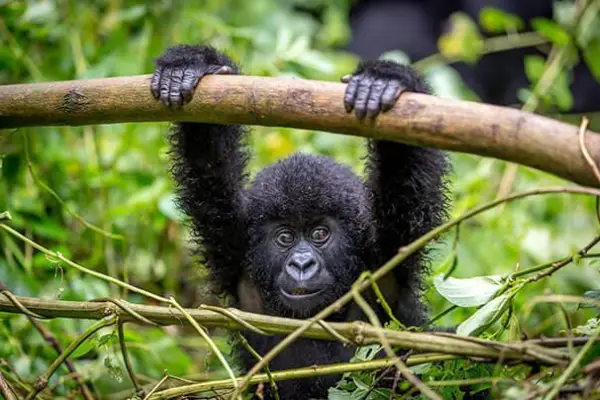
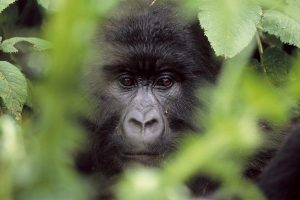
Several facts exist about mountain gorillas. They are a subspecies of the eastern gorillas and are found in the Virunga Mountains and Bwindi Impenetrable National Park. Here are some fascinating facts about the majestic creatures:

Population wise: Over 1,000 mountain gorillas are remaining in the wild. And the most interesting fact Is that more than half of the gorillas are in the southwestern part of Uganda.

Critically endangered species: Mountain gorillas are classified as critically endangered due to their habitat loss, poaching activities and civil unrest in their natural habitats.

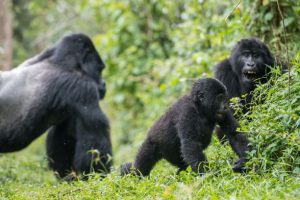
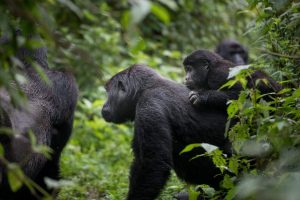
Amazing social structure: Gorillas live in stable extended family groups led by a dominant silverback male, who protects and guides the group. They are more like human beings and this is proven by the fact that they hold 98% of human DNA.

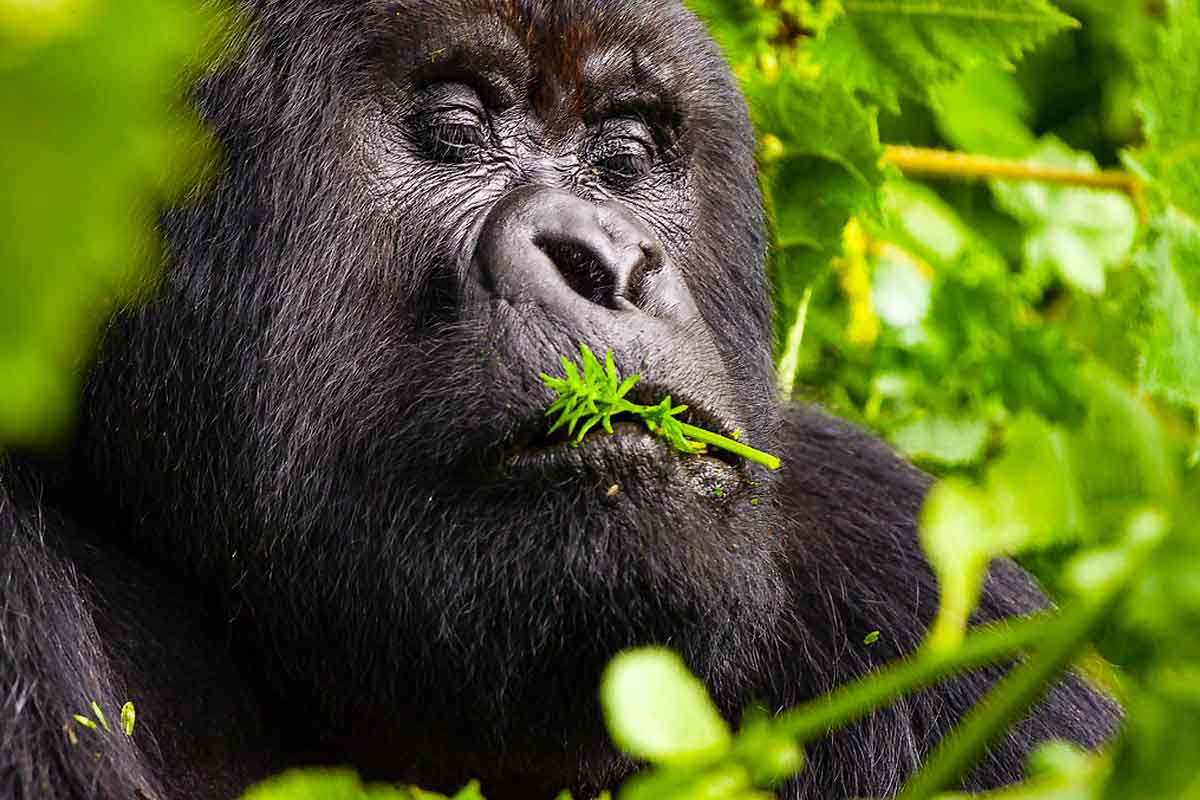
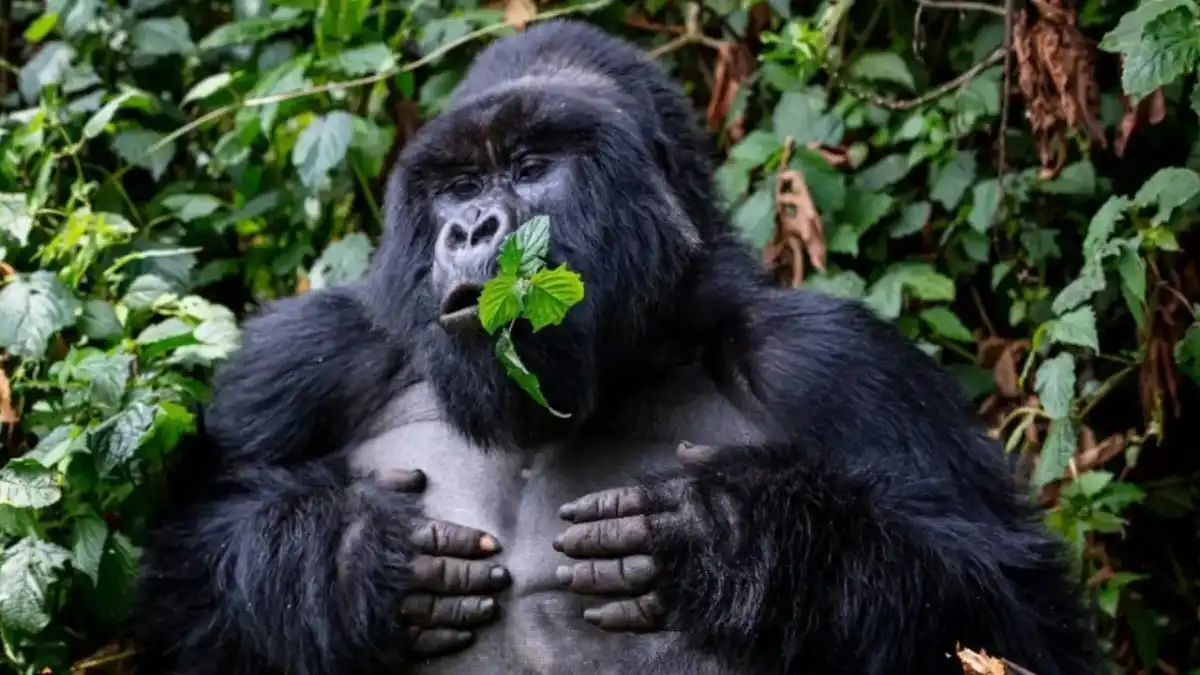
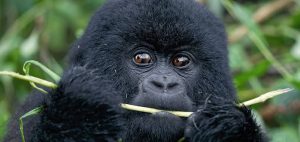
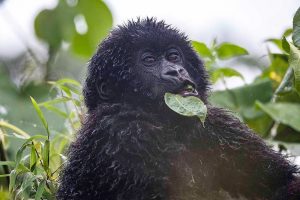
Proud herbivores: Gorillas are primarily herbivorous, and known for feeding on leaves, shoots, stems, and fruits.

Sleeping nests: It’s fascinating how mountain gorillas construct nests to sleep in each night, normally on the ground or in tree branches.

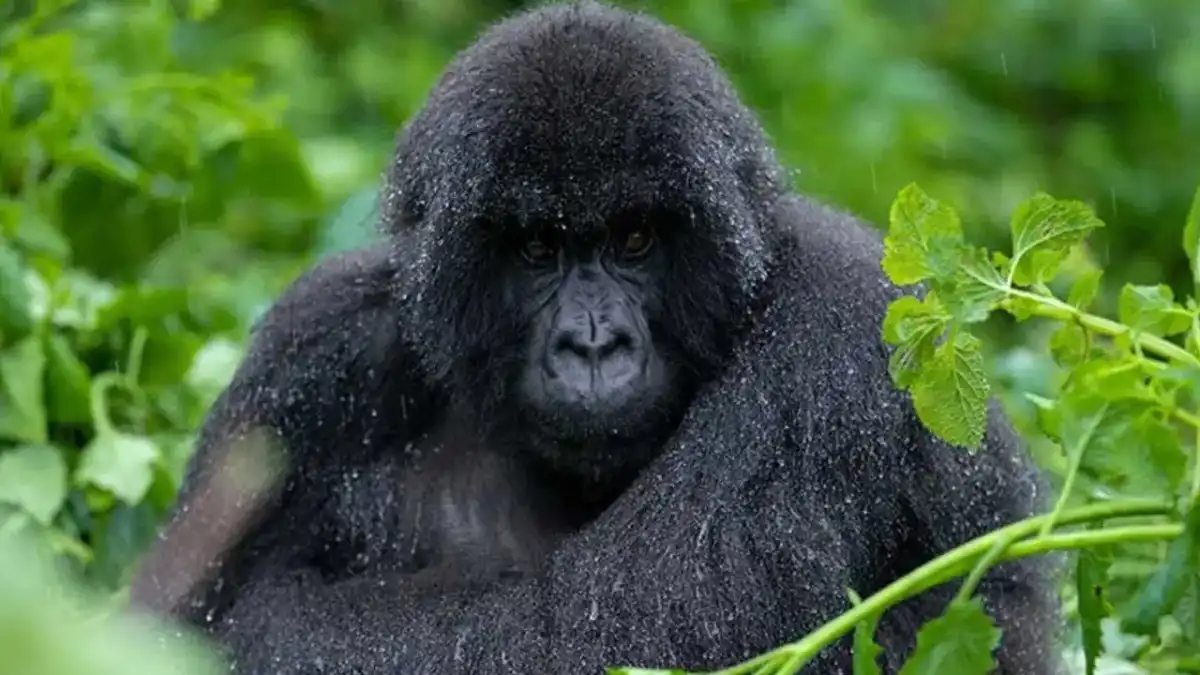
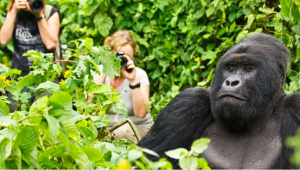
Gentle giants: Despite their size and strength, mountain gorillas are generally peaceful animals and non-aggressive towards humans unless they feel threatened and uncomfortable with visitors’ presence or actions.

Gorilla trekking permits once purchased contribute to conservation efforts in the area, as the revenue generated helps to fund conservation practices that in the long run protect the natural habitat for these amazing gentle giants.

It’s essential to remember that, while gorilla trekking offers a unique and unforgettable experience, it’s wise to approach this activity with due respect for the gorillas and their environment to ensure their continued protection and survival in the wild.

Mountain gorilla sectors in Bwindi Impenetrable National Park.

Occupying an area of approximately 332 square kilometres, Bwindi impenetrable national park is one of the remaining habitats of these gentle primates and has since become a turning point for conservation practices to protect them for generations. Bwindi is divided into four separate gorilla sectors namely; Buhoma, Ruhija, Rushaga and Nkuringo. Each sector provides unique opportunities and experiences for tourists and researchers to track and learn about these mysterious creatures while contributing to their conservation.

BUHOMA SECTOR.

The Buhoma sector was the pioneer sector in Bwindi Impenetrable National Park that was created for gorilla trekking, making it the most visited because of the history it holds and is better in terms of establishments as compared to other gorilla sectors. Buhoma region – north of Bwindi Park boasts of a rich diversity of ambient flora and fauna. Visitors to this region usually embark on gorilla tracking adventures, which involve trekking within dense vegetation and rugged relief to get closer to gorilla families. This wonderful experience allows travellers to view gorillas in their natural habitat, showing off their unique, exciting way of life.

Gorilla trekking aside, Buhoma sector offers a variety of other impressive activities, including guided nature walks in the forests all over the region, birdwatching that allows visitors a chance to view rare species such as marabou Stocks, African fish Eagles, malachite kingfishers, saddle billed sticks and cinnamons, visits to nearby Batwa communities to learn about their culture, get awesome entertainment and a glimpse into their traditions. What’s more, Bwindi Community Hospital, situated in the Buhoma region, plays an important role in providing health services to local people, visitors who get injured and the national park staff.

RUHIJA SECTOR.

The Ruhija sector is located in the eastern region of Bwindi. It is known for its beautiful landscapes with rolling patterns of hills and valleys covered by thick montane forests. Gorilla tracking in the Ruhija sector is extremely rewarding too, because it is home to several habituated gorilla families. Whilst on the trek, travelers normally encounter numerous other wildlife rare species, especially forest elephants, golden monkeys, duikers and a superfluity of bird species that makes the sector a wonderful haven for bird enthusiasts.

Another fascinating unique tourist attraction in the Ruhija region is Mubwindi Swamp, which offers an outstanding bird-watching experience. Bird lovers get a chance to spot rare endemic species, including the African green broadbill, shoebill, bronzy sunbird, malachite kingfisher, pied kingfisher, black-breasted barbet, saddle billed stock and handsome francolin.

RUSHAGA SECTOR.

Rushaga sector, located in the southeast of Bwindi, is renowned for its immense mountain gorilla population that makes it an excellent spot for gorilla trekking expeditions. Having various habituated groups, therefore supports gorilla habituation experiences too since there are more wild gorillas in the forests around, travelers have higher chances of coming across these awesome creatures in their natural habitat.

As a supplement to gorilla trekking, Rushaga sector provides numerous opportunities for guided nature walks, bird watching, hiking experiences and cultural visits to nearby communities. It’s these community visits that promote sustainable tourism, allow tourists to interact with the local people, and learn about their traditions and daily life. What’s more, the region has committed conservation efforts to visitors and has a chance to participate in community-based tourism initiatives aimed at protecting the environment and endangered species.

NKURINGO SECTOR.

The Nkuringo gorilla sector, situated in the southern region of Bwindi Impenetrable National Park, is a much more remote, less frequented though with a lot to offer area, providing a more off-the-beaten-path experience to visitors. The sector was named after the rolling patterns of hills just next to it which also provides nice views, especially for photography enthusiasts who enjoy taking pictures of the hills. This awe-inspiring sector is characterized by steep as well as challenging terrain, which makes gorilla trekking a more physically demanding activity. However, for visitors seeking a sense of extraordinary adventure and tranquility, Nkuringo sector is a dream come true destination.

Nkuringo is different from other sectors in that it provides breathtaking views of the Virunga massif, adding to the amazing picturesque landscapes that surround the area. Besides gorilla trekking, visitors enjoy guided nature walks, hiking, birdwatching, and physical interactions with indigenous communities to have deeper insights into their ways of life.

Gorilla trekking Uganda
PLAN YOUR SAFARI

Let's Make It
Unforgettable.

Tell us your travel plans and our local experts will create the perfect experience.

Gorillas Wildlife East Africa
+256 702 595 926 →
GET IN TOUCH

Send an Inquiry

[wpforms id="24" title="false"]
OUR LATEST BLOGS
November 12, 20263-Day Rwanda Gorilla Trekking Safari at Singita Kwitonda Lodge – Starting and Ending in Kigali Experience an unforgettable luxury gorilla trekking safari in Rwanda, staying at the exceptional Singita Kwitonda Lodge on the edge of Volcanoes National Park. This exclusive 3-day Rwanda gorilla trekking itinerary begins and ends in Kigali, combining a scenic journey through Rwanda’s beautiful countryside, an extraordinary encounter with endangered mountain gorillas, and two nights of world-class luxury in the heart of the Virunga Mountains. Perfect for travellers seeking a short luxury Rwanda safari, this experience is centred around one of Africa’s most remarkable wildlife encounters: tracking mountain gorillas in their natural habitat. Tour Highlights Enjoy a once-in-a-lifetime mountain gorilla trekking experience in Volcanoes National Park. Spend two nights at the luxurious Singita Kwitonda Lodge. Travel between Kigali and Volcanoes National Park with private transfers. Explore the spectacular landscapes of Rwanda’s Virunga volcanoes. Receive a personalised gorilla trekking briefing and complimentary trekking equipment at Singita. Experience exceptional hospitality, fine dining and relaxation in one of Rwanda’s finest luxury lodges. Detailed 3-Day Rwanda Gorilla Trekking Itinerary Day 1: Kigali to Singita Kwitonda Lodge – Journey to Volcanoes National Park Your 3-day Rwanda gorilla trekking safari begins with your arrival at Kigali International Airport, where you will be welcomed by your private driver-guide. After meeting your guide, depart Kigali and travel northwest towards Volcanoes National Park, passing through Rwanda’s beautiful countryside. The scenic journey reveals rolling green hills, traditional villages, cultivated landscapes and spectacular mountain scenery. The road transfer to Singita Kwitonda Lodge can take up to four hours, depending on traffic and road conditions. Alternatively, a private helicopter transfer can be arranged for a more exclusive and time-efficient journey. Arrive at Singita Kwitonda Lodge, an extraordinary luxury retreat situated on the edge of Volcanoes National Park, with magnificent views of the Virunga volcanoes. After check-in, enjoy lunch and settle into your luxurious suite. Each suite offers an intimate connection with the surrounding landscape, including a private heated plunge pool and beautiful views. Spend the afternoon enjoying the lodge’s exceptional facilities. You may choose to relax with a wellness treatment, explore the gardens, visit the Akarabo Nursery or simply enjoy the tranquillity of the volcanic surroundings. In the evening, your gorilla trekking experience will be introduced during a briefing in the lodge’s Conservation Room. Your team will help prepare you for the following morning’s adventure, including advice on trekking equipment and what to expect in the forest. Enjoy a delicious dinner and overnight at Singita Kwitonda Lodge. Accommodation: Singita Kwitonda Lodge Meal Plan: Lunch and dinner Day 2: Mountain Gorilla Trekking in Volcanoes National Park – The Highlight of Your Rwanda Safari Today is the highlight of your 3-day Rwanda gorilla trekking safari. Wake up early and enjoy breakfast before travelling to the Volcanoes National Park headquarters at Kinigi for your mountain gorilla trekking briefing. The morning briefing is conducted by experienced Rwanda park rangers, who will explain the trekking guidelines, introduce you to the different habituated gorilla families and allocate your trekking group. Once assigned a gorilla family, you will set off with your ranger guides and trackers into the lush montane forests of Volcanoes National Park. The trek takes you through beautiful forest landscapes, bamboo vegetation and sometimes steep volcanic terrain in search of one of the habituated mountain gorilla families. The duration of the trek varies depending on the location of the gorillas. It can take anywhere from one to several hours to locate your assigned family. Then comes the extraordinary moment: encountering a family of mountain gorillas in their natural habitat. Observe these magnificent primates as they feed, play, groom one another and interact within their family groups. You may have the opportunity to witness a powerful silverback watching over his family, playful young gorillas and mothers caring for their infants. Visitors are permitted to spend a maximum of one hour with the gorillas, providing a truly memorable wildlife experience. After the encounter, trek back through the forest and return to your vehicle. Transfer back to Singita Kwitonda Lodge, where a relaxing afternoon awaits. Enjoy lunch, a wellness treatment or some quiet time in your private suite overlooking the Virunga Mountains. In the evening, celebrate your unforgettable gorilla trekking experience with a wonderful dinner at the lodge. Accommodation: Singita Kwitonda Lodge Meal Plan: Breakfast, lunch and dinner Activity: Mountain gorilla trekking in Volcanoes National Park Day 3: Singita Kwitonda Lodge to Kigali – End of Your Rwanda Gorilla Safari Enjoy a leisurely breakfast at Singita Kwitonda Lodge, taking in the beautiful views of Rwanda’s volcanic landscape. Depending on your departure schedule, you may have time to enjoy a final walk around the lodge grounds, visit the Akarabo Nursery or simply relax before checking out. After breakfast, bid farewell to the Virunga Mountains and begin your private road transfer back to Kigali. The journey takes up to four hours, offering another opportunity to appreciate Rwanda’s beautiful countryside and its famous rolling hills. Upon arrival in Kigali, you will be transferred to Kigali International Airport for your onward flight, marking the end of your 3-day Rwanda gorilla trekking safari at Singita Kwitonda Lodge. Meal Plan: Breakfast End of Safari: Kigali International Airport 3-Day Rwanda Gorilla Trekking Safari – What’s Included? Included: Two nights’ luxury accommodation at Singita Kwitonda Lodge. Meals as specified in the itinerary. Private road transfers between Kigali and Singita Kwitonda Lodge. Private driver-guide and safari vehicle arrangements. Pre-trek briefing and complimentary trekking equipment provided by Singita. One mountain gorilla trekking experience, subject to permit availability. Excluded: International flights to and from Kigali. Rwanda gorilla trekking permit, unless specifically included in your quotation. Helicopter transfers, if requested. Travel insurance and personal expenses. Spa treatments and other optional activities. Tips and gratuities. Any services not specifically mentioned under inclusions. Important Information About Rwanda Gorilla Trekking Gorilla trekking permit: The standard permit for foreign visitors is currently US$1,500 per person, subject to applicable eligibility categories and official policy changes. Minimum trekking age: 15 years. Trekking duration: Approximately 1–8 hours, depending on the gorilla family’s location. Time with gorillas: A maximum of one hour. Best time to visit: Rwanda offers year-round gorilla trekking. June to September and December to February are generally the drier periods. Permit availability: Gorilla permits are limited and should be secured well in advance. Departure-day arrangements: Gorilla trekking is scheduled on Day 2, not on your departure day, allowing a relaxed transfer back to Kigali. Book Your 3-Day Rwanda Gorilla Trekking Safari at Singita Kwitonda Lodge A 3-day Rwanda gorilla trekking safari at Singita Kwitonda Lodge offers an exceptional combination of luxury, adventure and wildlife encounters. From the moment you leave Kigali to your unforgettable meeting with mountain gorillas in Volcanoes National Park, every part of this journey is designed to create lasting memories. At Book Gorilla Tracking, we can help arrange your gorilla trekking permit, luxury accommodation, private transfers and personalised safari arrangements. Contact us today to plan your exclusive Rwanda gorilla trekking safari at Singita Kwitonda Lodge. [...] Read more...
November 12, 2026Luxury and Mid-Range Accommodation Near Volcanoes National Park, Rwanda Planning a mountain gorilla trekking adventure in Rwanda? Finding the right accommodation near Volcanoes National Park is an important part of creating a comfortable and memorable safari experience. Volcanoes National Park, located in northwestern Rwanda, is one of Africa’s most famous destinations for mountain gorilla trekking. The park attracts travellers from the USA, UK, Europe, Australia, Canada and other parts of the world who come to experience unforgettable encounters with endangered mountain gorillas in their natural habitat. Whether you are looking for an exclusive luxury safari lodge, a boutique hotel, a comfortable mid-range property or an affordable accommodation option, the areas of Musanze, Kinigi and the surrounding countryside offer several choices for visitors. At BookGorillaTracking.com, we help travellers plan memorable Rwanda gorilla trekking holidays by combining carefully selected accommodation with professionally organised safari experiences. Discover some of the luxury and mid-range accommodation options near Volcanoes National Park and find the ideal place to stay during your Rwanda gorilla trekking adventure. Best Luxury Accommodation Near Volcanoes National Park Rwanda offers exceptional luxury accommodation options for travellers seeking comfort, privacy, personalised hospitality and beautiful views of the Virunga Volcanoes. These properties are suitable for honeymooners, luxury safari travellers, private gorilla trekking holidays and visitors seeking an exclusive African experience. 1. Bisate Lodge Bisate Lodge is one of Rwanda’s renowned luxury safari lodges, located near Volcanoes National Park. Surrounded by beautiful volcanic landscapes, the lodge offers an exclusive accommodation experience with impressive views of the surrounding mountains. Its distinctive forest-inspired architecture, spacious villas, personalised service and conservation-focused approach make it an attractive choice for luxury travellers. Highlights: Exclusive luxury forest villas. Spectacular views of the Virunga Volcanoes. Fine dining and personalised hospitality. Beautiful natural surroundings. Convenient access to Volcanoes National Park. 2. Singita Kwitonda Lodge Singita Kwitonda Lodge is an exceptional luxury property situated close to Volcanoes National Park. The lodge combines contemporary design with the natural beauty of Rwanda’s volcanic landscape. It is particularly suited to travellers seeking privacy, high-end hospitality and a premium gorilla trekking experience. Highlights: Luxury suites with private heated plunge pools. Beautiful volcanic landscape views. Exceptional dining experiences. Wellness and relaxation facilities. Strong conservation and sustainability focus. 3. One&Only Gorilla’s Nest One&Only Gorilla’s Nest is a luxury forest retreat located in Kinigi, close to Volcanoes National Park. The property offers an immersive rainforest experience, with elegant accommodation surrounded by eucalyptus trees and lush vegetation. It is an excellent option for travellers combining luxury hospitality with mountain gorilla trekking. Highlights: Luxury forest suites and villas. Spa and wellness experiences. Fine dining. Beautiful forest surroundings. Convenient access to gorilla trekking activities. 4. Virunga Lodge Virunga Lodge is a beautiful luxury lodge overlooking the twin lakes of Burera and Ruhondo, with impressive views of the Virunga Mountains. The lodge provides an intimate and scenic accommodation experience for travellers exploring Rwanda’s northern region. Highlights: Panoramic mountain and lake views. Comfortable cottages. Scenic dining experiences. Relaxing natural surroundings. Access to Volcanoes National Park. Best Mid-Range Accommodation Near Volcanoes National Park Mid-range accommodation around Volcanoes National Park is ideal for travellers who want comfort, good hospitality and convenient access to gorilla trekking without the higher costs associated with luxury lodges. These properties are particularly suitable for couples, families, private safari travellers and small groups. 1. Five Volcanoes Boutique Hotel Five Volcanoes Boutique Hotel is a popular boutique accommodation option in Musanze, Rwanda. The property provides comfortable accommodation for travellers visiting Volcanoes National Park for mountain gorilla trekking, golden monkey tracking and other tourism activities. Its convenient location makes it a practical option for visitors preparing for early morning gorilla trekking briefings. Highlights: Comfortable boutique-style accommodation. Restaurant and dining facilities. Swimming pool and relaxation facilities. Garden surroundings. Convenient access to Volcanoes National Park. 2. Mountain Gorilla View Lodge Mountain Gorilla View Lodge is situated in the Kinigi area near Volcanoes National Park. The lodge offers independent cottages in a natural setting, providing visitors with a comfortable base for mountain gorilla trekking. Highlights: Individual accommodation cottages. Views of the surrounding volcanic landscape. Restaurant and bar. Convenient location for gorilla trekking. Suitable for couples and safari groups. 3. Da Vinci Gorilla Lodge Da Vinci Gorilla Lodge is an accommodation option in the Musanze area, serving visitors travelling to Volcanoes National Park. The lodge provides a comfortable environment for travellers seeking convenient accommodation before and after gorilla trekking. Highlights: Comfortable rooms. Restaurant facilities. Friendly hospitality. Convenient access to Musanze and Kinigi. Suitable for gorilla trekking travellers. 4. Le Bambou Gorilla Lodge Le Bambou Gorilla Lodge is located in the Kinigi area near Volcanoes National Park. The lodge provides accommodation in a natural environment and is a suitable consideration for travellers looking for a comfortable stay during their Rwanda gorilla trekking holiday. Highlights: Individual cottages. Natural surroundings. Restaurant and dining services. Convenient access to Volcanoes National Park. Suitable for couples and small groups. Luxury vs Mid-Range Accommodation Near Volcanoes National Park Choosing between luxury and mid-range accommodation depends on your travel budget, preferred facilities and overall safari experience. Accommodation category What to expect Luxury Exclusive suites, premium dining, personalised service and high-end facilities Mid-range Comfortable rooms, restaurant facilities, good hospitality and convenient locations Budget Basic but comfortable accommodation and essential facilities Luxury properties are ideal for travellers seeking exclusivity and premium experiences, while mid-range properties offer a balance between comfort, convenience and affordability. Best Places to Stay for Gorilla Trekking in Rwanda When choosing accommodation near Volcanoes National Park, consider the location of your lodge in relation to the park headquarters in Kinigi. Kinigi Kinigi is particularly convenient for travellers preparing for early morning gorilla trekking briefings. It offers access to several lodges and accommodation properties near the park entrance. Musanze Musanze is the main tourism town in Rwanda’s northern province. It offers a wider selection of hotels, restaurants, shops and other visitor services. Travellers staying in Musanze can arrange road transfers to the Volcanoes National Park headquarters. Burera and Ruhondo The areas surrounding Lakes Burera and Ruhondo offer scenic accommodation experiences with beautiful views of the Virunga Mountains. They are particularly attractive to travellers seeking peaceful surroundings and photographic opportunities. How to Choose the Best Accommodation for Gorilla Trekking Before booking your accommodation near Volcanoes National Park, consider the following factors: 1. Location: Choose a lodge with convenient access to the Kinigi park headquarters. 2. Accommodation category: Decide whether you prefer luxury, mid-range or budget accommodation. 3. Meal arrangements: Check whether breakfast, lunch and dinner are included. 4. Transport: Confirm whether transfers to the gorilla trekking briefing point are provided. 5. Gorilla permit arrangements: Confirm whether your safari operator can assist with permit reservations. 6. Travel dates: Book accommodation early, particularly during popular gorilla trekking periods. 7. Additional activities: Consider accommodation that allows you to combine gorilla trekking with golden monkey tracking, cultural visits and nature experiences. Combine Your Accommodation with a Rwanda Gorilla Trekking Safari At BookGorillaTracking.com, we help travellers combine suitable accommodation with memorable mountain gorilla trekking experiences in Rwanda. Whether you prefer an exclusive luxury lodge or a comfortable mid-range hotel, we can help you plan an itinerary based on your travel dates, accommodation preferences and budget. Our Rwanda gorilla trekking experiences can include: Mountain gorilla trekking in Volcanoes National Park. Golden monkey tracking. Cultural experiences around Musanze. Kigali city tours. Private safari transportation. Accommodation reservations. Airport transfers. Uganda and Rwanda combined gorilla trekking holidays. You can also combine Rwanda gorilla trekking with Uganda’s Bwindi Impenetrable National Park for a memorable double gorilla trekking experience. Frequently Asked Questions About Accommodation Near Volcanoes National Park 1. Where is the best place to stay for gorilla trekking in Rwanda? Kinigi and Musanze are popular accommodation areas for visitors trekking mountain gorillas in Volcanoes National Park. Kinigi offers convenient access to the park headquarters, while Musanze provides a wider selection of accommodation and visitor services. 2. What are the best luxury lodges near Volcanoes National Park? Some notable luxury accommodation options include Bisate Lodge, Singita Kwitonda Lodge, One&Only Gorilla’s Nest and Virunga Lodge. 3. What are the best mid-range hotels near Volcanoes National Park? Options to consider include Five Volcanoes Boutique Hotel, Mountain Gorilla View Lodge, Da Vinci Gorilla Lodge and Le Bambou Gorilla Lodge. Confirm current room categories, rates and facilities directly before booking. 4. How far is Musanze from Volcanoes National Park? Musanze town is approximately 12 kilometres from the Kinigi park headquarters, although actual driving distance and time depend on your accommodation location and road conditions. 5. Should I book accommodation before purchasing a gorilla permit? It is advisable to coordinate both arrangements before finalising your travel plans. Gorilla permit availability should be confirmed first or at the same time as accommodation, especially during busy travel periods. 6. Can I book accommodation and gorilla trekking together? Yes. You can arrange accommodation and gorilla trekking as part of one safari package through a tour operator. 7. What is the best accommodation for couples visiting Volcanoes National Park? Luxury lodges such as Bisate Lodge, Singita Kwitonda Lodge and One&Only Gorilla’s Nest offer premium experiences for couples. Mid-range boutique hotels are also worth considering depending on your budget. Book Your Rwanda Gorilla Trekking Accommodation with BookGorillaTracking.com Make your mountain gorilla trekking holiday in Rwanda unforgettable by choosing accommodation that matches your travel style and budget. Whether you are looking for a luxury forest lodge, a boutique hotel or comfortable mid-range accommodation, BookGorillaTracking.com can help you organise your stay and gorilla trekking experience. Contact our safari team today for accommodation recommendations, gorilla trekking permits and personalised Rwanda safari packages. Explore Rwanda, experience the magic of mountain gorillas and enjoy an unforgettable stay near Volcanoes National Park. [...] Read more...
November 12, 20266 Days Uganda Rwanda Safari – Double Gorilla Trekking, Wildlife & Golden Monkeys Experience the ultimate East African primate and wildlife adventure on this 6 Days Uganda Rwanda Safari, combining mountain gorilla trekking in Bwindi Impenetrable National Park and Volcanoes National Park with exciting wildlife encounters in Queen Elizabeth National Park. This exceptional Uganda and Rwanda safari takes you through two of Africa’s most rewarding wildlife destinations. Enjoy thrilling game drives across Uganda’s savannah plains, track chimpanzees in Kyambura Gorge, cruise along the famous Kazinga Channel and encounter endangered mountain gorillas in their natural rainforest habitat. Your adventure continues into Rwanda, where you will enjoy a second mountain gorilla trekking experience in Volcanoes National Park, followed by golden monkey tracking and an opportunity to discover Rwanda’s fascinating culture and history. Starting in Kampala or Entebbe and ending in Kigali, this six-day Uganda Rwanda safari is ideal for travellers seeking a combination of African wildlife, primate encounters, scenic landscapes and cultural experiences. Book your 6 Days Uganda Rwanda Safari with BookGorillaTracking.com and discover the unforgettable wildlife treasures of East Africa. 6 Days Uganda Rwanda Safari Highlights Enjoy two mountain gorilla trekking experiences in Uganda and Rwanda. Explore Queen Elizabeth National Park on exciting game drives. Search for chimpanzees in Kyambura Gorge. Experience a wildlife boat cruise along the Kazinga Channel. Look out for tree-climbing lions in the Ishasha sector. Trek endangered golden monkeys in Rwanda’s Volcanoes National Park. Discover Rwanda’s traditional culture and local communities. Explore Kigali before your departure. Detailed 6 Days Uganda Rwanda Safari Itinerary Day 1: Transfer to Queen Elizabeth National Park – Evening Game Drive Your six-day Uganda Rwanda safari begins with an early morning pickup from Kampala or Entebbe by your professional safari driver-guide. After a short briefing, embark on a scenic journey to Queen Elizabeth National Park, one of Uganda’s most popular wildlife destinations. Enjoy beautiful views of Uganda’s countryside, traditional homesteads, rolling hills and rural communities along the way. Upon arrival, check in at your safari lodge and enjoy lunch before preparing for an afternoon game drive across the Kasenyi Plains. The open savannah landscape provides excellent opportunities to spot African elephants, buffaloes, Uganda kob, waterbucks, warthogs and other wildlife. With some luck, you may also encounter lions and leopards. Return to your lodge in the evening for dinner and relaxation. Accommodation: Mweya Safari Lodge, Katara Lodge or Park View Safari Lodge. Meal plan: Lunch and dinner. Day 2: Chimpanzee Trekking in Kyambura Gorge and Kazinga Channel Boat Cruise After breakfast, head to Kyambura Gorge for an exciting chimpanzee trekking experience. Accompanied by experienced park guides, descend into the forested gorge in search of habituated chimpanzees. Listen for their calls, follow their movements through the forest and observe their fascinating social behaviour. Kyambura Gorge is also home to other primates, birds and unique forest vegetation, making the experience rewarding for nature enthusiasts. After chimpanzee trekking, return to your lodge for lunch and relaxation. In the afternoon, proceed to the Kazinga Channel for a memorable boat cruise. This natural waterway connects Lake Edward and Lake George and is famous for its concentration of wildlife. Watch hippos gathering in the water, Nile crocodiles resting along the banks and elephants and buffaloes coming to drink. The cruise also offers excellent birdwatching opportunities. Return to your lodge for dinner and overnight. Accommodation: Overnight at your Queen Elizabeth National Park lodge. Meal plan: Breakfast, lunch and dinner. Day 3: Ishasha Game Drive – Transfer to Bwindi Impenetrable National Park After breakfast, depart for the Ishasha sector in the southern part of Queen Elizabeth National Park. Ishasha is particularly famous for its tree-climbing lions, which are occasionally spotted resting on large fig trees. During your game drive, look out for elephants, buffaloes, Uganda kob and other savannah wildlife. Enjoy a scenic drive through the park before proceeding towards Bwindi Impenetrable National Park. Bwindi is a UNESCO World Heritage Site and one of Africa’s most important mountain gorilla conservation areas. Its ancient rainforest shelters a significant proportion of the world’s remaining mountain gorillas. Arrive at your lodge, check in and enjoy dinner as you prepare for the following day’s extraordinary gorilla trekking adventure. Accommodation: Mahogany Springs Lodge or Buhoma Lodge, depending on your trekking sector. Meal plan: Breakfast, lunch and dinner. Day 4: First Mountain Gorilla Trekking in Bwindi – Transfer to Rwanda Today is one of the major highlights of your Uganda Rwanda safari. After an early breakfast, transfer to the designated Bwindi gorilla trekking briefing point. Meet the park rangers and guides, who will explain the trekking guidelines, safety procedures and conservation rules. You will then enter the dense tropical rainforest in search of an allocated habituated mountain gorilla family. The trek can take several hours, depending on the location and movements of the gorillas. Once you find them, you will spend a strictly regulated one hour observing these magnificent primates as they feed, groom, play and interact within their family groups. This is an unforgettable wildlife encounter and a unique opportunity to appreciate the importance of mountain gorilla conservation. After trekking, return to the starting point and continue with your cross-border journey into Rwanda towards Volcanoes National Park. Complete the necessary immigration formalities and proceed to your lodge in the Musanze area. Accommodation: Mountain Gorilla View Lodge, Da Vinci Gorilla Lodge or a similar lodge. Meal plan: Breakfast, lunch and dinner. Day 5: Second Mountain Gorilla Trekking in Volcanoes National Park – Rwanda Cultural Experience Wake up early and enjoy breakfast before heading to the Volcanoes National Park headquarters for your second mountain gorilla trekking briefing. Unlike your first trek in Bwindi, today’s adventure takes you into Rwanda’s beautiful bamboo forests and volcanic mountain landscapes. Accompanied by professional park guides, follow forest trails in search of another habituated mountain gorilla family. Upon locating the gorillas, enjoy one unforgettable hour observing their behaviour and interactions in their natural habitat. Having experienced mountain gorilla trekking in two different countries, you will gain a deeper appreciation of the conservation efforts protecting these endangered primates. After trekking, return to your lodge for relaxation. In the afternoon, enjoy a cultural visit to a local community or the Iby’Iwacu Cultural Village, where you can discover traditional Rwandan dances, music, storytelling, food preparation and local customs. Return to your lodge for dinner and overnight. Accommodation: Overnight at your Volcanoes National Park lodge. Meal plan: Breakfast, lunch and dinner. Day 6: Golden Monkey Tracking – Kigali City Tour and Departure After breakfast, proceed to Volcanoes National Park for your final primate adventure: golden monkey tracking. Golden monkeys are endangered primates endemic to the Albertine Rift region and are known for their playful behaviour and beautiful golden-orange coats. Accompanied by park guides, enter the bamboo forest in search of these fascinating monkeys. Watch them jump between bamboo stems, feed and interact within their groups. After the experience, return to your lodge, check out and begin your journey to Kigali. Depending on your flight schedule, enjoy a short Kigali city tour featuring some of the city’s notable attractions, including the Kigali Convention Centre and Kigali Genocide Memorial. Later, transfer to Kigali International Airport for your departure flight, marking the end of your memorable 6 Days Uganda Rwanda Safari. Meal plan: Breakfast and lunch, subject to your departure schedule. Destinations Visited on the 6 Days Uganda Rwanda Safari 1. Queen Elizabeth National Park – Uganda Queen Elizabeth National Park is one of Uganda’s leading wildlife destinations, famous for its diverse ecosystems, beautiful landscapes and abundant wildlife. The park offers excellent opportunities for game drives, chimpanzee trekking and boat cruises. Its major attractions include the Kasenyi Plains, Ishasha sector, Kyambura Gorge and Kazinga Channel. Wildlife commonly encountered includes African elephants, buffaloes, lions, Uganda kob, hippos, crocodiles and numerous bird species. 2. Bwindi Impenetrable National Park – Uganda Bwindi Impenetrable National Park is among the world’s most important mountain gorilla habitats. Its ancient rainforest is home to numerous habituated mountain gorilla families available for trekking. The park offers an extraordinary opportunity to observe mountain gorillas at close range in their natural environment. Gorilla trekking is conducted in designated sectors, including Buhoma, Ruhija, Rushaga and Nkuringo. 3. Volcanoes National Park – Rwanda Volcanoes National Park is Rwanda’s premier mountain gorilla trekking destination. Located in northwestern Rwanda, the park protects mountain gorillas within the magnificent Virunga volcanic mountain range. Besides gorilla trekking, visitors can enjoy golden monkey tracking, nature walks and cultural experiences. The park is also famous for its bamboo forests, volcanic scenery and rich biodiversity. Why Book This Uganda Rwanda Safari with BookGorillaTracking.com? At BookGorillaTracking.com, we help travellers discover the best of Uganda and Rwanda through professionally organised gorilla trekking and wildlife safari experiences. When booking this six-day adventure, you can expect: Professional English-speaking safari driver-guides. Assistance with mountain gorilla trekking permit arrangements. Assistance with golden monkey permit arrangements. Comfortable safari transportation. Carefully selected accommodation options. Well-planned wildlife and primate experiences. Cross-border safari coordination between Uganda and Rwanda. Personalised safari arrangements based on your travel preferences. Our goal is to make your Uganda and Rwanda adventure memorable, comfortable and rewarding. 6 Days Uganda Rwanda Safari – Frequently Asked Questions 1. Can I trek mountain gorillas in both Uganda and Rwanda in six days? Yes. This itinerary is designed to include one mountain gorilla trekking experience in Bwindi Impenetrable National Park in Uganda and another in Volcanoes National Park in Rwanda. The journey requires careful coordination of gorilla permits, accommodation and cross-border transportation. 2. How much does a 6 Days Uganda Rwanda Safari cost? The cost depends on the number of travellers, accommodation category, gorilla trekking permits, golden monkey permits, transportation and travel season. Contact our safari team for a personalised quotation. 3. What is included in the gorilla trekking experience? A gorilla trekking permit generally covers park entry for the trekking activity, ranger guidance and one hour with the allocated gorilla family after it is located. The Uganda and Rwanda permits must be arranged separately. 4. What is the best time to visit Uganda and Rwanda for gorilla trekking? Gorilla trekking is available throughout the year. Many travellers prefer the relatively drier periods, generally June to September and December to February. However, rainforest conditions can change at any time, so suitable clothing and waterproof hiking gear are recommended. 5. Is gorilla trekking difficult? Gorilla trekking involves hiking through mountainous rainforest terrain. The difficulty depends on the location of the gorilla family, trail conditions and individual fitness. Travellers should be reasonably fit and prepared for uneven, muddy and sometimes steep trails. 6. Where does the 6 Days Uganda Rwanda Safari start and end? The itinerary can start in Kampala or Entebbe, Uganda, and finish in Kigali, Rwanda. Alternative pickup and drop-off arrangements can be discussed when booking. 7. What should I pack for this safari? Recommended items include: Waterproof hiking boots. Long-sleeved shirts and trousers. Lightweight rain jacket. Gardening gloves for trekking. Insect repellent. Sunscreen and sunglasses. A small backpack. Camera and extra batteries. Personal medication. Book Your 6 Days Uganda Rwanda Safari Are you ready to experience mountain gorilla trekking in two countries, discover Uganda’s incredible wildlife and explore Rwanda’s beautiful volcanic landscapes? Our 6 Days Uganda Rwanda Safari combines two unforgettable mountain gorilla encounters with chimpanzee trekking, African wildlife viewing, golden monkey tracking and cultural experiences. Let BookGorillaTracking.com help you plan your East African adventure. Contact our safari team today for gorilla permit availability, accommodation options and a personalised quotation. Book your Uganda Rwanda gorilla trekking safari and experience the magic of East Africa! [...] Read more...
November 12, 202612 Days Uganda and Rwanda Safari: Gorilla Trekking, Chimpanzees and Wildlife Discover the best of Uganda and Rwanda on this unforgettable 12-day safari through East Africa. This journey combines mountain gorilla trekking in Bwindi Impenetrable National Park and Rwanda’s Volcanoes National Park with chimpanzee tracking in Kibale Forest, wildlife viewing in Queen Elizabeth National Park, and authentic cultural experiences. From lush tropical forests to spectacular volcanic landscapes and African savannahs, this safari offers an exceptional opportunity to experience the region’s remarkable wildlife and natural beauty. 12-Day Uganda and Rwanda Safari Highlights Gorilla trekking in Bwindi Impenetrable National Park, Uganda Gorilla trekking in Volcanoes National Park, Rwanda Chimpanzee tracking in Kibale Forest National Park Game drives in Queen Elizabeth National Park Boat cruise along the Kazinga Channel Wildlife viewing in the Ishasha sector Golden monkey tracking or Dian Fossey hiking experience Cultural encounters and Kigali city tour Detailed 12-Day Uganda and Rwanda Safari Itinerary Day 1: Arrival in Entebbe – Transfer to Kampala Arrive at Entebbe International Airport, where your safari guide will welcome you and transfer you to your hotel in Kampala. Relax and prepare for your Uganda and Rwanda adventure. Day 2: Kampala – Kibale Forest National Park Travel westwards through Uganda’s beautiful countryside to Kibale Forest National Park, famous for its rich primate diversity and habituated chimpanzee communities. Enjoy scenic views and cultural encounters along the way. Day 3: Chimpanzee Tracking – Queen Elizabeth National Park Enjoy a guided chimpanzee tracking experience in Kibale Forest. Afterward, visit Bigodi Wetland Sanctuary for a nature walk before continuing to Queen Elizabeth National Park. Day 4: Game Drive and Kazinga Channel Boat Cruise Explore Queen Elizabeth National Park on a morning game drive in search of elephants, buffaloes, antelopes, lions and other wildlife. In the afternoon, enjoy a boat cruise along the Kazinga Channel, renowned for its hippos, crocodiles and abundant birdlife. Day 5: Queen Elizabeth National Park – Bwindi Impenetrable National Park Drive through the Ishasha sector, famous for its occasional sightings of tree-climbing lions. Continue to Bwindi Impenetrable National Park, home to endangered mountain gorillas. Day 6: Uganda Gorilla Trekking Experience Enjoy an unforgettable mountain gorilla trekking adventure in Bwindi. Accompanied by experienced park rangers, hike through the forest in search of a habituated gorilla family. Once located, visitors are allowed a maximum of one hour with the gorillas. Day 7: Bwindi – Volcanoes National Park, Rwanda After breakfast, travel towards Rwanda through the scenic southwestern highlands. Cross into Rwanda and continue to Volcanoes National Park, home to the endangered mountain gorillas. Day 8: Gorilla Trekking in Rwanda Experience a second mountain gorilla trek in Volcanoes National Park. Accompanied by park guides, explore the forested slopes of the Virunga Mountains in search of a habituated gorilla family. Day 9: Golden Monkey Tracking or Dian Fossey Hike Choose between tracking the endangered golden monkeys in Volcanoes National Park or hiking to the Dian Fossey research site and her former Karisoke Research Centre. Both activities offer a deeper appreciation of Rwanda’s conservation heritage. Day 10: Volcanoes National Park – Lake Kivu Enjoy a scenic drive from the Volcanoes region towards Lake Kivu. Relax along the lakeshore and enjoy the beautiful scenery, with an optional boat excursion depending on your schedule. Day 11: Lake Kivu – Kigali City Tour Travel to Kigali and explore Rwanda’s capital. Depending on your schedule, visit Kigali Genocide Memorial and other important cultural and historical sites before spending the night in Kigali. Day 12: Departure from Kigali Enjoy breakfast before transferring to Kigali International Airport for your departure flight, marking the end of your Uganda and Rwanda safari. Safari Inclusions Uganda and Rwanda gorilla trekking permits Chimpanzee tracking permit Accommodation and meals as specified in the final itinerary 4×4 safari vehicle and ground transportation Professional English-speaking safari guide Park entrance fees for included activities Airport transfers Relevant government taxes Safari Exclusions International flights Uganda and Rwanda visa fees Travel and medical insurance Optional activities not included in the package Personal expenses, drinks and gratuities Book Your 12-Day Uganda and Rwanda Safari Experience two remarkable gorilla trekking destinations in one memorable journey. Book your 12 Days Uganda and Rwanda Safari with Book Gorilla Tracking and explore the forests, wildlife, landscapes and cultures of these two beautiful East African countries. Contact our safari team to customize your itinerary and receive a quotation. [...] Read more...
November 12, 202615 Days Uganda and Rwanda Safari: Gorillas, Chimpanzees, Wildlife and Cultural Experiences A 15 Days Uganda and Rwanda Safari is an extraordinary journey through two of East Africa’s most captivating destinations. Combining Uganda’s diverse wildlife and primate experiences with Rwanda’s spectacular mountain landscapes, rainforests and cultural heritage, this safari offers an unforgettable exploration of the region. From the shores of Lake Victoria to the mighty Murchison Falls, from the chimpanzee-rich forests of Kibale National Park to the savannah plains of Queen Elizabeth National Park, Uganda offers an incredible variety of natural attractions. The adventure continues into Rwanda, where you can encounter endangered mountain gorillas in Volcanoes National Park, track golden monkeys in the bamboo forests and explore the ancient rainforest of Nyungwe National Park. This 15-day itinerary also introduces travellers to some of East Africa’s most interesting cultural and historical destinations, including the Source of the Nile in Jinja, the traditional King’s Palace in Nyanza and the Murambi Genocide Memorial. Starting in Entebbe, Uganda, and ending in Kigali, Rwanda, this cross-border safari is ideal for travellers seeking a comprehensive African adventure combining wildlife, primates, nature, culture and scenic landscapes. At Book Gorilla Tracking, we organize private and tailor-made Uganda and Rwanda safaris, with itineraries designed around your travel dates, interests, accommodation preferences and budget. 15 Days Uganda and Rwanda Safari Highlights Visit Ngamba Island Chimpanzee Sanctuary on Lake Victoria. Explore the Source of the Nile in Jinja. Track southern white rhinos at Ziwa Rhino Sanctuary. Discover the magnificent Murchison Falls. Enjoy game drives and a boat cruise along the Victoria Nile. Track wild chimpanzees in Kibale National Park. Explore Queen Elizabeth National Park. Enjoy a wildlife boat cruise along the Kazinga Channel. Relax and enjoy a scenic boat trip on Lake Bunyonyi. Experience mountain gorilla trekking in Volcanoes National Park, Rwanda. Track endangered golden monkeys in the Virunga Mountains. Visit the Dian Fossey research area as an optional hiking experience. Enjoy a boat cruise on Lake Kivu. Explore Nyungwe Forest National Park. Experience colobus monkey tracking and the Nyungwe Canopy Walk. Visit a traditional Rwandan tea-growing area. Explore the King’s Palace Museum in Nyanza. Visit the Murambi Genocide Memorial. Detailed 15 Days Uganda and Rwanda Safari Itinerary Day 1: Arrival at Entebbe International Airport – Transfer to Your Hotel Upon arrival at Entebbe International Airport, you will be welcomed by your professional driver-guide from Book Gorilla Tracking. After a short introduction and briefing about your upcoming adventure, you will transfer to your hotel in Entebbe or Kampala. Depending on your arrival time, you may enjoy a relaxed introduction to Entebbe. Located on the northern shores of Lake Victoria, Entebbe is known for its pleasant atmosphere, botanical gardens, lakeside scenery and rich birdlife. If you arrive early, optional activities may include visiting the Entebbe Botanical Gardens, exploring the local town or enjoying views of Lake Victoria. The remainder of the day is reserved for relaxation after your international flight. Accommodation: Hotel in Entebbe or Kampala. Meal plan: Dinner, depending on arrival time and hotel arrangement. Day 2: Visit Ngamba Island Chimpanzee Sanctuary After breakfast, head to the shores of Lake Victoria for a boat excursion to Ngamba Island Chimpanzee Sanctuary. Situated on Lake Victoria, Ngamba Island is a sanctuary established to provide a safe home for orphaned and rescued chimpanzees. The sanctuary plays an important role in chimpanzee welfare, rehabilitation, education and conservation. During your visit, you will learn about the individual chimpanzees, their backgrounds and the conservation work undertaken by the sanctuary team. Depending on the scheduled visitor programme, you may observe the chimpanzees during their feeding session from a designated viewing platform. Their behaviour is fascinating, with individuals displaying different personalities, social relationships and communication styles. Your guide will also explain the threats facing wild chimpanzees, including habitat destruction, illegal wildlife trade and human-wildlife conflict. After the visit, return by boat to the mainland and transfer to your hotel. Accommodation: Hotel in Entebbe or Kampala. Meal plan: Breakfast, lunch and dinner. Day 3: Transfer to Jinja – Visit the Source of the Nile After breakfast, depart for Jinja, a historic town in eastern Uganda famous for its association with the Source of the Nile. The drive takes you through Uganda’s countryside, with opportunities to observe local communities, roadside markets and agricultural landscapes. Upon arrival in Jinja, visit the Source of the Nile, the historic location associated with the river’s outflow from Lake Victoria. The Nile begins its long journey northwards from this region, eventually flowing through several countries before reaching the Mediterranean Sea. You may enjoy a boat excursion to explore the surrounding waters and appreciate the significance of the Nile to Uganda and the wider region. Depending on your interests and available time, optional activities include: Boat trips on the Nile. White-water rafting. Kayaking. Quad biking. Horse riding. Visiting local craft markets. Exploring Jinja town. Jinja is widely regarded as Uganda’s adventure capital, attracting travellers interested in water sports and outdoor activities. After your excursion, return to your lodge for dinner and overnight. Accommodation: Lodge or hotel in Jinja. Meal plan: Breakfast, lunch and dinner. Day 4: Transfer to Murchison Falls National Park via Ziwa Rhino Sanctuary After an early breakfast, begin your journey towards Murchison Falls National Park, Uganda’s largest national park. En route, visit Ziwa Rhino Sanctuary in Nakasongola for an opportunity to track southern white rhinos on foot. Accompanied by trained sanctuary rangers, you will walk through the protected habitat while learning about rhino conservation and the efforts to restore Uganda’s rhino population. Ziwa is an important conservation destination because it provides Uganda’s established wild rhino-tracking experience. The sanctuary plays a major role in the country’s long-term plans for rhino conservation and reintroduction. After the rhino-tracking experience, continue towards Murchison Falls National Park. Upon arrival, proceed to your lodge and relax. If time permits, you may visit the top of Murchison Falls, where the powerful Victoria Nile forces its way through a narrow rocky gorge before plunging downstream. The viewpoint offers spectacular scenery and opportunities to appreciate the power of the Nile. Accommodation options: Luxury: Paraa Safari Lodge or Nile Safari Lodge. Midrange: Pakuba Safari Lodge. Budget: Red Chilli Rest Camp. Meal plan: Breakfast, lunch and dinner. Day 5: Game Drive and Boat Cruise in Murchison Falls National Park Today is dedicated to exploring the wildlife and natural attractions of Murchison Falls National Park. After an early breakfast, set out for a morning game drive in the northern sector of the park. This area contains extensive savannah grasslands, woodland and riverine habitats that support a wide range of wildlife. During the game drive, look out for: African elephants. African buffaloes. Rothschild’s giraffes. Jackson’s hartebeests. Uganda kobs. Waterbucks. Warthogs. Lions. Leopards, although sightings are less predictable. Murchison Falls is also an excellent destination for birdwatching, with numerous savannah, woodland and wetland species. Return to your lodge for lunch and relaxation before the afternoon boat cruise along the Victoria Nile. The boat cruise takes you towards the base of Murchison Falls, passing concentrations of hippos, Nile crocodiles, elephants and numerous water birds along the riverbanks. You will enjoy impressive views of the waterfall as the Nile flows through the surrounding landscape. Depending on the selected boat trip, you may also have the opportunity to explore the river environment closer to the falls. Return to your lodge for dinner and overnight. Accommodation: Lodge in Murchison Falls National Park. Meal plan: Breakfast, lunch and dinner. Day 6: Transfer to Kibale National Park After breakfast, leave Murchison Falls National Park and begin the journey towards Kibale National Park in western Uganda. This is a substantial road-transfer day, taking you through rural communities, agricultural landscapes and beautiful countryside. As you approach Fort Portal, the scenery changes to rolling hills, tea plantations, crater lakes and views of the Rwenzori Mountains on clear days. Kibale National Park is one of Africa’s leading primate destinations and is particularly famous for its wild chimpanzee population. The park also protects several other primate species, including red colobus monkeys, L’Hoest’s monkeys, grey-cheeked mangabeys and olive baboons. Upon arrival, check in at your lodge, relax and prepare for the following day’s chimpanzee tracking experience. Accommodation options: Luxury: Kyaninga Lodge or Crater Safari Lodge. Midrange: Primate Lodge Kibale. Budget: Chimpanzee Forest Guest House. Meal plan: Breakfast, lunch and dinner. Day 7: Chimpanzee Tracking in Kibale National Park – Transfer to Queen Elizabeth National Park After an early breakfast, transfer to the Kibale National Park headquarters for a briefing by the Uganda Wildlife Authority rangers. You will receive information about chimpanzee behaviour, forest conservation and the rules to observe during the tracking experience. Accompanied by experienced ranger-guides, enter the tropical rainforest in search of a habituated chimpanzee community. Chimpanzees are among humanity’s closest living relatives, sharing many behavioural characteristics with humans. They live in complex social communities and communicate through vocalizations, gestures, facial expressions and physical interactions. During the trek, listen for their distinctive calls as they move through the forest canopy. Once the chimpanzees are located, you will have the permitted viewing period to observe their feeding, grooming, social interactions and movements. You may also encounter other primates and a variety of forest birds. After the activity, return to your lodge or proceed with the day’s arrangements before transferring to Queen Elizabeth National Park. The journey takes you through the scenic landscapes of western Uganda, eventually reaching one of the country’s most famous wildlife destinations. Check in at your lodge for dinner and overnight. Accommodation options: Luxury: Mweya Safari Lodge or Katara Lodge. Midrange: Park View Safari Lodge. Budget: Simba Safari Camp or Enganzi Game Lodge. Meal plan: Breakfast, lunch and dinner. Day 8: Game Drive and Kazinga Channel Boat Cruise in Queen Elizabeth National Park Spend the day discovering the diverse wildlife of Queen Elizabeth National Park. Begin with an early morning game drive in the Kasenyi Plains, one of the park’s most rewarding areas for wildlife viewing. The open grasslands support large populations of Uganda kobs, which attract predators such as lions. You may also encounter elephants, buffaloes, waterbucks, warthogs and other wildlife. Your guide will help identify the different animals and explain their behaviour and ecological importance. Return to your lodge for lunch and relaxation. In the afternoon, enjoy a boat cruise along the Kazinga Channel, a natural waterway connecting Lake George and Lake Edward. The channel is one of Uganda’s most famous wildlife-viewing locations, supporting large concentrations of hippos and Nile crocodiles. Elephants and buffaloes are also frequently seen along the shoreline. Birdwatchers will enjoy the abundance of water birds, including African fish eagles, saddle-billed storks, pelicans, kingfishers and African jacanas. The boat cruise offers excellent photographic opportunities and a different perspective of Queen Elizabeth National Park. Return to your lodge for dinner and overnight. Accommodation: Lodge in Queen Elizabeth National Park. Meal plan: Breakfast, lunch and dinner. Day 9: Transfer to Lake Bunyonyi – Scenic Boat Cruise After breakfast, depart Queen Elizabeth National Park and travel towards Lake Bunyonyi in southwestern Uganda. The journey takes you through the beautiful highlands of southwestern Uganda, with rolling hills, terraced farms and rural settlements. Lake Bunyonyi is one of Uganda’s most scenic lakes, surrounded by steep green hills and dotted with numerous small islands. The name Bunyonyi is commonly translated as “place of many little birds”, reflecting the area’s rich birdlife. Upon arrival, check in at your lodge overlooking the lake. After lunch and some relaxation, enjoy a scenic boat excursion to explore the lake and its islands. Depending on your interests, you may visit selected islands, enjoy photography, observe birds and learn about local traditions and communities. Lake Bunyonyi provides a peaceful contrast to the busy wildlife activities of the previous days. It is an ideal place to relax before continuing into Rwanda. Return to your lodge for dinner and overnight. Accommodation options: Luxury: BirdNest Resort. Midrange: Lake Bunyonyi Rock Resort. Budget: Bunyonyi Overland Resort. Meal plan: Breakfast, lunch and dinner. Day 10: Transfer from Lake Bunyonyi to Volcanoes National Park, Rwanda After breakfast, leave Lake Bunyonyi and begin the journey towards Rwanda’s Volcanoes National Park. You will travel through southwestern Uganda before crossing into Rwanda through the appropriate international border crossing for the route. The journey offers beautiful views of the Virunga volcanic landscape and Rwanda’s famous rolling hills. After completing the border formalities, continue towards Musanze, the main town serving travellers visiting Volcanoes National Park. Volcanoes National Park is part of the wider Virunga Conservation Area and is one of the most important mountain gorilla conservation destinations in the world. The park is home to endangered mountain gorillas and golden monkeys, as well as remarkable montane forest ecosystems. Upon arrival, check in at your lodge and relax. Your guide will brief you about the following day’s gorilla trekking activity. Accommodation options: Luxury: Five Volcanoes Boutique Hotel or Mountain Gorilla View Lodge. Midrange: Le Bambou Gorilla Lodge. Budget: Hotel Muhabura. Meal plan: Breakfast, lunch and dinner. Day 11: Mountain Gorilla Trekking in Volcanoes National Park Today is one of the most memorable days of your 15 Days Uganda and Rwanda Safari. After an early breakfast, transfer to the Volcanoes National Park headquarters for registration and a briefing by the park rangers. You will receive information about mountain gorilla behaviour, conservation and the rules to follow during the trek. Visitors are assigned to habituated gorilla families according to the park’s arrangements. Accompanied by experienced guides and trackers, you will enter the forest to search for your assigned group. The trek can take a few hours or longer, depending on the location and movements of the gorillas. The terrain may be steep, muddy and challenging, so a reasonable level of physical fitness is recommended. Once the gorillas are located, you will normally be allowed one hour to observe them under the applicable park regulations. This is a remarkable opportunity to watch a mountain gorilla family in its natural habitat. You may see a dominant silverback, adult females, playful juveniles and young gorillas interacting within the group. Observe their feeding habits, grooming, communication and social relationships while following the ranger’s instructions. After the trek, return to the park headquarters and transfer back to your lodge. The afternoon can be reserved for relaxation or an optional community experience, depending on your energy levels and arrangements. Accommodation: Lodge near Volcanoes National Park. Meal plan: Breakfast, lunch and dinner. Day 12: Golden Monkey Tracking or Dian Fossey Hike – Transfer to Lake Kivu After breakfast, prepare for another exciting primate experience in Volcanoes National Park. One of the main activities available today is golden monkey tracking. Golden monkeys are endangered primates found in the Virunga region. In Rwanda, they inhabit the bamboo forests around Volcanoes National Park. Accompanied by experienced park guides, enter the forest to search for a habituated golden monkey group. These attractive primates are known for their distinctive golden-orange colouring and lively behaviour. They often move through bamboo vegetation in groups, feeding on shoots, leaves, fruits and other plant material. After the tracking experience, return to the park headquarters. Alternatively, travellers interested in conservation history and hiking may arrange a visit to the Dian Fossey research area at Karisoke. This is a separate, physically demanding hiking experience and should be arranged according to available time, fitness and park requirements. Later, continue towards Lake Kivu, one of Africa’s beautiful freshwater lakes. Lake Kivu is shared by Rwanda and the Democratic Republic of Congo. Its shores are surrounded by green hills, fishing communities and scenic lakeside settlements. Upon arrival, check in at your hotel and enjoy the peaceful atmosphere of the lake. Depending on your arrival time and the agreed programme, enjoy a boat cruise on Lake Kivu. You may explore nearby islands, observe local fishing activities and appreciate the beautiful scenery. Accommodation options: Luxury: Lake Kivu Serena Hotel. Midrange: Paradise Malahide or Hotel Gorillas Lake Kivu. Budget: Selected guesthouse in Rubavu or Gisenyi. Meal plan: Breakfast, lunch and dinner. Day 13: Transfer to Nyungwe Forest National Park After breakfast, depart Lake Kivu and travel towards Nyungwe Forest National Park in southwestern Rwanda. The journey takes you through Rwanda’s beautiful countryside, with scenic views of green hills, cultivated landscapes and traditional rural communities. Nyungwe is one of the oldest and most important montane rainforests in Africa. It protects a remarkable range of biodiversity, including chimpanzees, colobus monkeys, other primates, forest elephants and numerous bird species. The forest is particularly important for primate conservation and Albertine Rift biodiversity. Upon arrival, check in at your lodge and relax. Depending on your arrival time, you may enjoy views of the surrounding tea plantations or a short walk near your accommodation. Accommodation options: Luxury: One&Only Nyungwe House. Midrange: Nyungwe Top View Hill Hotel. Budget: Gisakura Guest House, subject to availability. Meal plan: Breakfast, lunch and dinner. Day 14: Colobus Monkey Tracking, Nyungwe Canopy Walk and Tea Plantation Experience Today is dedicated to exploring the natural beauty and primate diversity of Nyungwe Forest National Park. After breakfast, head into the forest for a guided colobus monkey tracking experience. Nyungwe is famous for its large groups of Angolan colobus monkeys, which can sometimes be observed moving through the forest canopy in impressive numbers. The forest also supports other primates, including L’Hoest’s monkeys, blue monkeys, red-tailed monkeys and chimpanzees. After the forest experience, enjoy the famous Nyungwe Canopy Walk. The canopy walkway is suspended above the forest floor and provides an elevated perspective of the rainforest. Walking across the bridge offers impressive views of the surrounding trees, valleys and forest canopy. It is an excellent opportunity for photography and appreciating the complexity of Nyungwe’s ecosystem. In the afternoon or later in the day, depending on the activity schedule, enjoy a guided nature walk or visit a nearby tea-growing area. Rwanda’s tea plantations are an important part of the country’s agricultural landscape. You will learn about tea cultivation, harvesting and the importance of tea production to local communities. Return to your lodge for dinner and overnight. Accommodation: Lodge near Nyungwe Forest National Park. Meal plan: Breakfast, lunch and dinner. Day 15: Transfer to Kigali via Nyanza King’s Palace and Murambi Genocide Memorial After breakfast, check out of your lodge and begin the journey towards Kigali, Rwanda’s capital city. Depending on your departure flight schedule and the agreed route, visit the King’s Palace Museum in Nyanza and the Murambi Genocide Memorial. The King’s Palace Museum in Nyanza provides insight into Rwanda’s pre-colonial monarchy, traditional leadership and cultural heritage. Visitors can learn about Rwanda’s royal history and see the traditional royal residence. The museum also preserves the cultural significance of the Inyambo cattle, famous for their long horns and association with Rwanda’s royal traditions. Continue to the Murambi Genocide Memorial, one of Rwanda’s important historical and educational sites commemorating the 1994 Genocide against the Tutsi. The memorial provides an opportunity to learn about the tragic events of the genocide, remember the victims and understand Rwanda’s journey towards remembrance, reconciliation and rebuilding. After the visits, continue to Kigali for your departure flight or hotel drop-off. Because this is a long travel day involving several stops, the sightseeing programme should be planned around your flight time. Travellers with early international departures may need to omit one or both visits or arrange an additional overnight stay in Kigali. This marks the end of your 15 Days Uganda and Rwanda Safari with Book Gorilla Tracking. Meal plan: Breakfast and lunch, depending on your departure arrangements. Destinations Visited During the 15 Days Uganda and Rwanda Safari 1. Entebbe, Uganda Entebbe is a lakeside town located on the northern shores of Lake Victoria. It is home to Uganda’s main international airport and serves as an important gateway for travellers exploring the country. Popular attractions include the Entebbe Botanical Gardens, Uganda Wildlife Conservation Education Centre and Ngamba Island Chimpanzee Sanctuary. 2. Ngamba Island Chimpanzee Sanctuary Ngamba Island is an important chimpanzee sanctuary on Lake Victoria. It provides care for rescued and orphaned chimpanzees while promoting conservation awareness and education. Visitors can learn about chimpanzee welfare, conservation challenges and the sanctuary’s work. 3. Jinja and the Source of the Nile Jinja is one of Uganda’s most popular adventure destinations. Its major attraction is the Source of the Nile, where the river begins its journey from Lake Victoria. Visitors can enjoy boat cruises, white-water rafting, kayaking and other outdoor activities. 4. Ziwa Rhino Sanctuary Ziwa Rhino Sanctuary is an important conservation destination in central Uganda. It offers guided on-foot rhino tracking and plays a significant role in restoring the country’s rhino population. 5. Murchison Falls National Park Murchison Falls National Park is Uganda’s largest national park and one of the country’s most rewarding wildlife destinations. The park is famous for Murchison Falls, where the Victoria Nile passes through a narrow gorge. Visitors can enjoy game drives, boat cruises, birdwatching and guided nature experiences. 6. Kibale National Park Kibale National Park is internationally recognized for chimpanzee tracking and its diversity of primates. The park’s tropical rainforest provides habitat for chimpanzees and numerous other primate species, making it a major destination for wildlife enthusiasts. 7. Queen Elizabeth National Park Queen Elizabeth National Park is one of Uganda’s most diverse wildlife destinations, featuring savannah grasslands, wetlands, crater lakes and the Kazinga Channel. Visitors can enjoy game drives, boat cruises, birdwatching and wildlife photography. 8. Lake Bunyonyi Lake Bunyonyi is a scenic highland lake in southwestern Uganda. Its green hills, numerous islands and peaceful atmosphere make it an ideal destination for relaxation, boat excursions and birdwatching. 9. Volcanoes National Park Volcanoes National Park is Rwanda’s most famous mountain gorilla trekking destination. Located in the Virunga Mountains, it protects endangered mountain gorillas and golden monkeys. Popular activities include gorilla trekking, golden monkey tracking, volcano hiking and cultural experiences. 10. Lake Kivu Lake Kivu is one of Africa’s Great Lakes, shared by Rwanda and the Democratic Republic of Congo. It is known for its beautiful shores, islands, fishing communities and scenic landscapes. Visitors can enjoy boat cruises, lakeside relaxation and cultural experiences. 11. Nyungwe Forest National Park Nyungwe is one of Africa’s most important montane rainforests and a major biodiversity destination in Rwanda. The park is known for chimpanzee tracking, colobus monkey tracking, birdwatching, guided forest walks and the famous canopy walkway. 12. Nyanza King’s Palace Museum The King’s Palace Museum introduces visitors to Rwanda’s traditional monarchy and cultural heritage. It is an important destination for understanding the country’s royal history and traditional customs. 13. Murambi Genocide Memorial Murambi Genocide Memorial is an important historical site dedicated to remembering the victims of the 1994 Genocide against the Tutsi. It provides educational insight into Rwanda’s history and the importance of remembrance. Accommodation on the 15 Days Uganda and Rwanda Safari Accommodation can be arranged according to your preferred comfort level and budget. The following are examples of properties that may be considered, subject to availability and the final route. Destination Luxury Midrange Budget Entebbe Hotel No.5 Best Western Premier Garden Hotel Selected guesthouse Jinja Wildwaters Lodge Jinja Nile Resort Selected guesthouse Murchison Falls Nile Safari Lodge Pakuba Safari Lodge Red Chilli Rest Camp Kibale Kyaninga Lodge Primate Lodge Kibale Chimpanzee Forest Guest House Queen Elizabeth Mweya Safari Lodge Park View Safari Lodge Simba Safari Camp Lake Bunyonyi BirdNest Resort Lake Bunyonyi Rock Resort Bunyonyi Overland Resort Volcanoes Five Volcanoes Boutique Hotel Le Bambou Gorilla Lodge Hotel Muhabura Lake Kivu Lake Kivu Serena Hotel Paradise Malahide Selected guesthouse Nyungwe One&Only Nyungwe House Nyungwe Top View Hill Hotel Gisakura Guest House Accommodation selections should be confirmed before booking, as availability, operating status and rates can change. What Is Included in the 15 Days Uganda and Rwanda Safari? The final package inclusions depend on your selected accommodation category and quotation. A typical safari package may include: Airport pickup in Entebbe. Airport drop-off in Kigali. Private 4×4 safari vehicle. Professional English-speaking driver-guide. Fuel for the scheduled itinerary. Accommodation for 14 nights. Meals as specified in the itinerary. Chimpanzee sanctuary visit at Ngamba Island. Rhino-tracking experience at Ziwa Rhino Sanctuary. Applicable park entrance fees. Game drives in Murchison Falls and Queen Elizabeth National Parks. Boat cruise along the Victoria Nile. Chimpanzee tracking permit in Kibale National Park. Kazinga Channel boat cruise. Lake Bunyonyi boat excursion. Rwanda mountain gorilla trekking permit. Golden monkey tracking permit, if selected. Nyungwe forest activities as specified in the final quotation. Guided cultural and historical visits listed in the confirmed itinerary. Applicable government taxes. What Is Excluded from the Safari Package? Unless specifically included in the final quotation, the following are normally excluded: International flights. Uganda and Rwanda visa fees. Travel and medical insurance. Personal expenses. Laundry services. Alcoholic and premium beverages. Tips and gratuities. Optional activities not listed in the itinerary. Additional accommodation before or after the safari. Meals not specified in the itinerary. Any additional services resulting from changes to the agreed programme. Best Time to Go on a 15 Days Uganda and Rwanda Safari Uganda and Rwanda are year-round safari destinations. However, weather conditions can influence wildlife viewing, forest trekking and road travel. June to September This is one of the most popular periods for gorilla trekking, chimpanzee tracking and wildlife safaris. The relatively drier conditions can make forest trails easier to navigate. December to February These months are also generally favourable for wildlife viewing and primate tracking. Visitors can enjoy game drives, boat cruises and forest experiences in both countries. March to May This period generally experiences longer rains in many parts of the region. Forest trails can become muddy and slippery, but the landscapes are lush and green. October to November These months are associated with shorter rains in many areas. Gorilla trekking, chimpanzee tracking and wildlife safaris continue, although weather conditions can vary. Booking advice: Gorilla trekking, chimpanzee tracking and golden monkey permits should be secured well in advance, particularly for popular travel periods. Always confirm permit availability before finalizing your safari dates. What to Pack for a Uganda and Rwanda Safari Because this itinerary includes savannah game drives, tropical rainforest trekking, boat cruises and cultural visits, it is important to pack for different conditions. Recommended items include: Waterproof hiking boots with good grip. Long-sleeved shirts and long trousers. Lightweight waterproof jacket. Comfortable walking shoes. Gardening or trekking gloves for forest activities. Hat or cap. Sunscreen and insect repellent. Small daypack. Camera and spare batteries. Binoculars for wildlife and birdwatching. Reusable water bottle. Personal medication and toiletries. Passport and relevant travel documents. Yellow fever vaccination certificate, where required. For gorilla and chimpanzee trekking, consider hiring a porter if you need help carrying your backpack or navigating challenging forest terrain. Important Travel Information for Uganda and Rwanda Visa and Border Requirements This safari involves international travel between Uganda and Rwanda. Travellers should check the current entry and visa requirements for both countries according to their nationality. Ensure your passport is valid and that you have the necessary travel documents before departure. If you intend to use the East African Tourist Visa, confirm your eligibility and the permitted countries of travel before applying. Gorilla Trekking Age Limit The minimum age for mountain gorilla trekking in Uganda and Rwanda is generally 15 years. Confirm current park regulations when booking. Physical Fitness Gorilla trekking, chimpanzee tracking, golden monkey tracking and Nyungwe forest activities involve walking on natural trails. Some routes can be steep, muddy and physically demanding. A reasonable level of fitness is recommended. Travellers should communicate mobility concerns before booking. Yellow Fever Vaccination Check the latest yellow fever vaccination and certificate requirements for Uganda and Rwanda, including requirements for travellers crossing between the two countries. Carry your International Certificate of Vaccination where required. Responsible Tourism During wildlife activities, follow all instructions given by park rangers and professional guides. Maintain the required distance from gorillas and other wildlife, avoid flash photography where prohibited, never feed wild animals and do not enter primate habitats when unwell with a potentially infectious illness. Why Book Your 15 Days Uganda and Rwanda Safari with Book Gorilla Tracking? A multi-country safari requires careful planning, especially when it involves several national parks, different accommodation arrangements, primate permits and international border crossings. At Book Gorilla Tracking, we specialize in tailored gorilla trekking, primate adventures, wildlife safaris and cultural experiences across Uganda and Rwanda. We work with travellers to create safari experiences that reflect their interests, schedules, accommodation preferences and budgets. Whether you are interested in mountain gorilla trekking, chimpanzee tracking, golden monkeys, wildlife game drives, birdwatching or cultural experiences, our team can help organize a journey that combines these activities into a memorable African adventure. Our safari arrangements focus on: Tailor-made private safaris. Experienced professional driver-guides. Gorilla and chimpanzee trekking arrangements. Carefully selected accommodation. Comfortable 4×4 safari transportation. Cross-border safari coordination. Personalized travel planning. Tailored journeys beyond mapping. We believe a safari should be more than travelling between destinations. It should create meaningful connections with wildlife, nature and the communities that make Uganda and Rwanda special. Frequently Asked Questions About the 15 Days Uganda and Rwanda Safari 1. What is included in a 15 Days Uganda and Rwanda Safari? A typical itinerary includes Ngamba Island Chimpanzee Sanctuary, the Source of the Nile, rhino tracking at Ziwa, Murchison Falls National Park, Kibale National Park, Queen Elizabeth National Park, Lake Bunyonyi, Volcanoes National Park, Lake Kivu and Nyungwe Forest National Park. Activities may include chimpanzee tracking, mountain gorilla trekking, golden monkey tracking, game drives, boat cruises and cultural visits. 2. Can I see mountain gorillas in both Uganda and Rwanda? Yes. This itinerary can be customized to include mountain gorilla trekking in Uganda’s Bwindi Impenetrable National Park and Rwanda’s Volcanoes National Park. However, the standard itinerary described above includes one gorilla trek in Rwanda. Adding a second trek in Uganda requires changes to the route, permits and accommodation arrangements. 3. How many days are needed to explore Uganda and Rwanda? Fifteen days provides a good opportunity to explore several major destinations in both countries. It allows time for wildlife viewing, primate experiences, cultural activities and scenic relaxation. Travellers with additional time can extend the safari to include more destinations or extra nights in selected national parks. 4. Is it possible to track chimpanzees in both Uganda and Rwanda? Yes. This itinerary includes chimpanzee-related experiences at Ngamba Island and chimpanzee tracking in Kibale National Park. It can also be extended to include wild chimpanzee tracking in Nyungwe Forest National Park, subject to permit availability and itinerary adjustments. 5. What is the difference between gorilla trekking in Uganda and Rwanda? Both countries offer mountain gorilla trekking in protected forest environments. Uganda offers gorilla trekking in Bwindi Impenetrable National Park and Mgahinga Gorilla National Park, while Rwanda offers it in Volcanoes National Park. The trekking terrain, scenery, access routes, permit arrangements and accommodation options differ between the destinations. 6. Can I visit the Dian Fossey research area during this safari? Yes. A hike to the former Karisoke Research Center and Dian Fossey’s grave can be arranged in Volcanoes National Park. It is a separate hiking activity and should be planned according to your fitness, available time and park arrangements. 7. How difficult is the Nyungwe Canopy Walk? The canopy walk involves walking along a suspended bridge above the rainforest. Visitors should be comfortable with heights and able to walk on forest trails leading to the walkway. The activity provides beautiful views of the forest canopy and surrounding landscape. 8. What wildlife can I see during this safari? Wildlife encounters may include mountain gorillas, chimpanzees, golden monkeys, southern white rhinos, elephants, buffaloes, giraffes, lions, hippos, crocodiles, antelopes and numerous bird species. Animal sightings depend on natural conditions and cannot be guaranteed. 9. How much does a 15 Days Uganda and Rwanda Safari cost? The cost depends on the number of travellers, accommodation category, travel season, permits, vehicle arrangements and activities included. Mountain gorilla trekking and chimpanzee tracking permits are important components of the total safari cost. Contact Book Gorilla Tracking with your travel dates, number of participants and preferred accommodation category for a personalized quotation. 10. Can the safari start in Kigali instead of Entebbe? Yes. The itinerary can be reversed or redesigned to start in Kigali and end in Entebbe. The route, accommodation nights and activity sequence will need to be adjusted accordingly. Book Your 15 Days Uganda and Rwanda Safari Are you ready to discover the wildlife, primates, landscapes and cultural heritage of Uganda and Rwanda? Join Book Gorilla Tracking for a remarkable 15-day journey through two of East Africa’s most rewarding safari destinations. From chimpanzee encounters at Ngamba Island and Kibale Forest to wildlife viewing in Murchison Falls and Queen Elizabeth National Parks, the adventure offers an exceptional variety of experiences. Continue into Rwanda for mountain gorilla trekking, golden monkey tracking, Lake Kivu scenery and the ancient rainforest of Nyungwe. Whether you are planning a private safari as a couple, family, solo traveller or group, we can tailor the journey to your interests and budget. Contact Book Gorilla Tracking today to start planning your 15 Days Uganda and Rwanda Safari. Experience East Africa through wildlife, culture, nature and unforgettable encounters. [...] Read more...
November 12, 202615 Days Uganda and Rwanda Safari: Gorillas, Chimpanzees, Wildlife and Cultural Experiences A 15 Days Uganda and Rwanda Safari is an extraordinary journey through two of East Africa’s most captivating destinations. Combining Uganda’s diverse wildlife and primate experiences with Rwanda’s spectacular mountain landscapes, rainforests and cultural heritage, this safari offers an unforgettable exploration of the region. From the shores of Lake Victoria to the mighty Murchison Falls, from the chimpanzee-rich forests of Kibale National Park to the savannah plains of Queen Elizabeth National Park, Uganda offers an incredible variety of natural attractions. The adventure continues into Rwanda, where you can encounter endangered mountain gorillas in Volcanoes National Park, track golden monkeys in the bamboo forests and explore the ancient rainforest of Nyungwe National Park. This 15-day itinerary also introduces travellers to some of East Africa’s most interesting cultural and historical destinations, including the Source of the Nile in Jinja, the traditional King’s Palace in Nyanza and the Murambi Genocide Memorial. Starting in Entebbe, Uganda, and ending in Kigali, Rwanda, this cross-border safari is ideal for travellers seeking a comprehensive African adventure combining wildlife, primates, nature, culture and scenic landscapes. At Book Gorilla Tracking, we organize private and tailor-made Uganda and Rwanda safaris, with itineraries designed around your travel dates, interests, accommodation preferences and budget. 15 Days Uganda and Rwanda Safari Highlights Visit Ngamba Island Chimpanzee Sanctuary on Lake Victoria. Explore the Source of the Nile in Jinja. Track southern white rhinos at Ziwa Rhino Sanctuary. Discover the magnificent Murchison Falls. Enjoy game drives and a boat cruise along the Victoria Nile. Track wild chimpanzees in Kibale National Park. Explore Queen Elizabeth National Park. Enjoy a wildlife boat cruise along the Kazinga Channel. Relax and enjoy a scenic boat trip on Lake Bunyonyi. Experience mountain gorilla trekking in Volcanoes National Park, Rwanda. Track endangered golden monkeys in the Virunga Mountains. Visit the Dian Fossey research area as an optional hiking experience. Enjoy a boat cruise on Lake Kivu. Explore Nyungwe Forest National Park. Experience colobus monkey tracking and the Nyungwe Canopy Walk. Visit a traditional Rwandan tea-growing area. Explore the King’s Palace Museum in Nyanza. Visit the Murambi Genocide Memorial. Detailed 15 Days Uganda and Rwanda Safari Itinerary Day 1: Arrival at Entebbe International Airport – Transfer to Your Hotel Welcome to Uganda, the Pearl of Africa! Upon arrival at Entebbe International Airport, you will be welcomed by your professional driver-guide from Book Gorilla Tracking. After a short introduction and briefing about your upcoming adventure, you will transfer to your hotel in Entebbe or Kampala. Depending on your arrival time, you may enjoy a relaxed introduction to Entebbe. Located on the northern shores of Lake Victoria, Entebbe is known for its pleasant atmosphere, botanical gardens, lakeside scenery and rich birdlife. If you arrive early, optional activities may include visiting the Entebbe Botanical Gardens, exploring the local town or enjoying views of Lake Victoria. The remainder of the day is reserved for relaxation after your international flight. Accommodation: Hotel in Entebbe or Kampala. Meal plan: Dinner, depending on arrival time and hotel arrangement. Day 2: Visit Ngamba Island Chimpanzee Sanctuary After breakfast, head to the shores of Lake Victoria for a boat excursion to Ngamba Island Chimpanzee Sanctuary. Situated on Lake Victoria, Ngamba Island is a sanctuary established to provide a safe home for orphaned and rescued chimpanzees. The sanctuary plays an important role in chimpanzee welfare, rehabilitation, education and conservation. During your visit, you will learn about the individual chimpanzees, their backgrounds and the conservation work undertaken by the sanctuary team. Depending on the scheduled visitor programme, you may observe the chimpanzees during their feeding session from a designated viewing platform. Their behaviour is fascinating, with individuals displaying different personalities, social relationships and communication styles. Your guide will also explain the threats facing wild chimpanzees, including habitat destruction, illegal wildlife trade and human-wildlife conflict. After the visit, return by boat to the mainland and transfer to your hotel. Accommodation: Hotel in Entebbe or Kampala. Meal plan: Breakfast, lunch and dinner. Day 3: Transfer to Jinja – Visit the Source of the Nile After breakfast, depart for Jinja, a historic town in eastern Uganda famous for its association with the Source of the Nile. The drive takes you through Uganda’s countryside, with opportunities to observe local communities, roadside markets and agricultural landscapes. Upon arrival in Jinja, visit the Source of the Nile, the historic location associated with the river’s outflow from Lake Victoria. The Nile begins its long journey northwards from this region, eventually flowing through several countries before reaching the Mediterranean Sea. You may enjoy a boat excursion to explore the surrounding waters and appreciate the significance of the Nile to Uganda and the wider region. Depending on your interests and available time, optional activities include: Boat trips on the Nile. White-water rafting. Kayaking. Quad biking. Horse riding. Visiting local craft markets. Exploring Jinja town. Jinja is widely regarded as Uganda’s adventure capital, attracting travellers interested in water sports and outdoor activities. After your excursion, return to your lodge for dinner and overnight. Accommodation: Lodge or hotel in Jinja. Meal plan: Breakfast, lunch and dinner. Day 4: Transfer to Murchison Falls National Park via Ziwa Rhino Sanctuary After an early breakfast, begin your journey towards Murchison Falls National Park, Uganda’s largest national park. En route, visit Ziwa Rhino Sanctuary in Nakasongola for an opportunity to track southern white rhinos on foot. Accompanied by trained sanctuary rangers, you will walk through the protected habitat while learning about rhino conservation and the efforts to restore Uganda’s rhino population. Ziwa is an important conservation destination because it provides Uganda’s established wild rhino-tracking experience. The sanctuary plays a major role in the country’s long-term plans for rhino conservation and reintroduction. After the rhino-tracking experience, continue towards Murchison Falls National Park. Upon arrival, proceed to your lodge and relax. If time permits, you may visit the top of Murchison Falls, where the powerful Victoria Nile forces its way through a narrow rocky gorge before plunging downstream. The viewpoint offers spectacular scenery and opportunities to appreciate the power of the Nile. Accommodation options: Luxury: Paraa Safari Lodge or Nile Safari Lodge. Midrange: Pakuba Safari Lodge. Budget: Red Chilli Rest Camp. Meal plan: Breakfast, lunch and dinner. Day 5: Game Drive and Boat Cruise in Murchison Falls National Park Today is dedicated to exploring the wildlife and natural attractions of Murchison Falls National Park. After an early breakfast, set out for a morning game drive in the northern sector of the park. This area contains extensive savannah grasslands, woodland and riverine habitats that support a wide range of wildlife. During the game drive, look out for: African elephants. African buffaloes. Rothschild’s giraffes. Jackson’s hartebeests. Uganda kobs. Waterbucks. Warthogs. Lions. Leopards, although sightings are less predictable. Murchison Falls is also an excellent destination for birdwatching, with numerous savannah, woodland and wetland species. Return to your lodge for lunch and relaxation before the afternoon boat cruise along the Victoria Nile. The boat cruise takes you towards the base of Murchison Falls, passing concentrations of hippos, Nile crocodiles, elephants and numerous water birds along the riverbanks. You will enjoy impressive views of the waterfall as the Nile flows through the surrounding landscape. Depending on the selected boat trip, you may also have the opportunity to explore the river environment closer to the falls. Return to your lodge for dinner and overnight. Accommodation: Lodge in Murchison Falls National Park. Meal plan: Breakfast, lunch and dinner. Day 6: Transfer to Kibale National Park After breakfast, leave Murchison Falls National Park and begin the journey towards Kibale National Park in western Uganda. This is a substantial road-transfer day, taking you through rural communities, agricultural landscapes and beautiful countryside. As you approach Fort Portal, the scenery changes to rolling hills, tea plantations, crater lakes and views of the Rwenzori Mountains on clear days. Kibale National Park is one of Africa’s leading primate destinations and is particularly famous for its wild chimpanzee population. The park also protects several other primate species, including red colobus monkeys, L’Hoest’s monkeys, grey-cheeked mangabeys and olive baboons. Upon arrival, check in at your lodge, relax and prepare for the following day’s chimpanzee tracking experience. Accommodation options: Luxury: Kyaninga Lodge or Crater Safari Lodge. Midrange: Primate Lodge Kibale. Budget: Chimpanzee Forest Guest House. Meal plan: Breakfast, lunch and dinner. Day 7: Chimpanzee Tracking in Kibale National Park – Transfer to Queen Elizabeth National Park After an early breakfast, transfer to the Kibale National Park headquarters for a briefing by the Uganda Wildlife Authority rangers. You will receive information about chimpanzee behaviour, forest conservation and the rules to observe during the tracking experience. Accompanied by experienced ranger-guides, enter the tropical rainforest in search of a habituated chimpanzee community. Chimpanzees are among humanity’s closest living relatives, sharing many behavioural characteristics with humans. They live in complex social communities and communicate through vocalizations, gestures, facial expressions and physical interactions. During the trek, listen for their distinctive calls as they move through the forest canopy. Once the chimpanzees are located, you will have the permitted viewing period to observe their feeding, grooming, social interactions and movements. You may also encounter other primates and a variety of forest birds. After the activity, return to your lodge or proceed with the day’s arrangements before transferring to Queen Elizabeth National Park. The journey takes you through the scenic landscapes of western Uganda, eventually reaching one of the country’s most famous wildlife destinations. Check in at your lodge for dinner and overnight. Accommodation options: Luxury: Mweya Safari Lodge or Katara Lodge. Midrange: Park View Safari Lodge. Budget: Simba Safari Camp or Enganzi Game Lodge. Meal plan: Breakfast, lunch and dinner. Day 8: Game Drive and Kazinga Channel Boat Cruise in Queen Elizabeth National Park Spend the day discovering the diverse wildlife of Queen Elizabeth National Park. Begin with an early morning game drive in the Kasenyi Plains, one of the park’s most rewarding areas for wildlife viewing. The open grasslands support large populations of Uganda kobs, which attract predators such as lions. You may also encounter elephants, buffaloes, waterbucks, warthogs and other wildlife. Your guide will help identify the different animals and explain their behaviour and ecological importance. Return to your lodge for lunch and relaxation. In the afternoon, enjoy a boat cruise along the Kazinga Channel, a natural waterway connecting Lake George and Lake Edward. The channel is one of Uganda’s most famous wildlife-viewing locations, supporting large concentrations of hippos and Nile crocodiles. Elephants and buffaloes are also frequently seen along the shoreline. Birdwatchers will enjoy the abundance of water birds, including African fish eagles, saddle-billed storks, pelicans, kingfishers and African jacanas. The boat cruise offers excellent photographic opportunities and a different perspective of Queen Elizabeth National Park. Return to your lodge for dinner and overnight. Accommodation: Lodge in Queen Elizabeth National Park. Meal plan: Breakfast, lunch and dinner. Day 9: Transfer to Lake Bunyonyi – Scenic Boat Cruise After breakfast, depart Queen Elizabeth National Park and travel towards Lake Bunyonyi in southwestern Uganda. The journey takes you through the beautiful highlands of southwestern Uganda, with rolling hills, terraced farms and rural settlements. Lake Bunyonyi is one of Uganda’s most scenic lakes, surrounded by steep green hills and dotted with numerous small islands. The name Bunyonyi is commonly translated as “place of many little birds”, reflecting the area’s rich birdlife. Upon arrival, check in at your lodge overlooking the lake. After lunch and some relaxation, enjoy a scenic boat excursion to explore the lake and its islands. Depending on your interests, you may visit selected islands, enjoy photography, observe birds and learn about local traditions and communities. Lake Bunyonyi provides a peaceful contrast to the busy wildlife activities of the previous days. It is an ideal place to relax before continuing into Rwanda. Return to your lodge for dinner and overnight. Accommodation options: Luxury: BirdNest Resort. Midrange: Lake Bunyonyi Rock Resort. Budget: Bunyonyi Overland Resort. Meal plan: Breakfast, lunch and dinner. Day 10: Transfer from Lake Bunyonyi to Volcanoes National Park, Rwanda After breakfast, leave Lake Bunyonyi and begin the journey towards Rwanda’s Volcanoes National Park. You will travel through southwestern Uganda before crossing into Rwanda through the appropriate international border crossing for the route. The journey offers beautiful views of the Virunga volcanic landscape and Rwanda’s famous rolling hills. After completing the border formalities, continue towards Musanze, the main town serving travellers visiting Volcanoes National Park. Volcanoes National Park is part of the wider Virunga Conservation Area and is one of the most important mountain gorilla conservation destinations in the world. The park is home to endangered mountain gorillas and golden monkeys, as well as remarkable montane forest ecosystems. Upon arrival, check in at your lodge and relax. Your guide will brief you about the following day’s gorilla trekking activity. Accommodation options: Luxury: Five Volcanoes Boutique Hotel or Mountain Gorilla View Lodge. Midrange: Le Bambou Gorilla Lodge. Budget: Hotel Muhabura. Meal plan: Breakfast, lunch and dinner. Day 11: Mountain Gorilla Trekking in Volcanoes National Park Today is one of the most memorable days of your 15 Days Uganda and Rwanda Safari. After an early breakfast, transfer to the Volcanoes National Park headquarters for registration and a briefing by the park rangers. You will receive information about mountain gorilla behaviour, conservation and the rules to follow during the trek. Visitors are assigned to habituated gorilla families according to the park’s arrangements. Accompanied by experienced guides and trackers, you will enter the forest to search for your assigned group. The trek can take a few hours or longer, depending on the location and movements of the gorillas. The terrain may be steep, muddy and challenging, so a reasonable level of physical fitness is recommended. Once the gorillas are located, you will normally be allowed one hour to observe them under the applicable park regulations. This is a remarkable opportunity to watch a mountain gorilla family in its natural habitat. You may see a dominant silverback, adult females, playful juveniles and young gorillas interacting within the group. Observe their feeding habits, grooming, communication and social relationships while following the ranger’s instructions. After the trek, return to the park headquarters and transfer back to your lodge. The afternoon can be reserved for relaxation or an optional community experience, depending on your energy levels and arrangements. Accommodation: Lodge near Volcanoes National Park. Meal plan: Breakfast, lunch and dinner. Day 12: Golden Monkey Tracking or Dian Fossey Hike – Transfer to Lake Kivu After breakfast, prepare for another exciting primate experience in Volcanoes National Park. One of the main activities available today is golden monkey tracking. Golden monkeys are endangered primates found in the Virunga region. In Rwanda, they inhabit the bamboo forests around Volcanoes National Park. Accompanied by experienced park guides, enter the forest to search for a habituated golden monkey group. These attractive primates are known for their distinctive golden-orange colouring and lively behaviour. They often move through bamboo vegetation in groups, feeding on shoots, leaves, fruits and other plant material. After the tracking experience, return to the park headquarters. Alternatively, travellers interested in conservation history and hiking may arrange a visit to the Dian Fossey research area at Karisoke. This is a separate, physically demanding hiking experience and should be arranged according to available time, fitness and park requirements. Later, continue towards Lake Kivu, one of Africa’s beautiful freshwater lakes. Lake Kivu is shared by Rwanda and the Democratic Republic of Congo. Its shores are surrounded by green hills, fishing communities and scenic lakeside settlements. Upon arrival, check in at your hotel and enjoy the peaceful atmosphere of the lake. Depending on your arrival time and the agreed programme, enjoy a boat cruise on Lake Kivu. You may explore nearby islands, observe local fishing activities and appreciate the beautiful scenery. Accommodation options: Luxury: Lake Kivu Serena Hotel. Midrange: Paradise Malahide or Hotel Gorillas Lake Kivu. Budget: Selected guesthouse in Rubavu or Gisenyi. Meal plan: Breakfast, lunch and dinner. Day 13: Transfer to Nyungwe Forest National Park After breakfast, depart Lake Kivu and travel towards Nyungwe Forest National Park in southwestern Rwanda. The journey takes you through Rwanda’s beautiful countryside, with scenic views of green hills, cultivated landscapes and traditional rural communities. Nyungwe is one of the oldest and most important montane rainforests in Africa. It protects a remarkable range of biodiversity, including chimpanzees, colobus monkeys, other primates, forest elephants and numerous bird species. The forest is particularly important for primate conservation and Albertine Rift biodiversity. Upon arrival, check in at your lodge and relax. Depending on your arrival time, you may enjoy views of the surrounding tea plantations or a short walk near your accommodation. Accommodation options: Luxury: One&Only Nyungwe House. Midrange: Nyungwe Top View Hill Hotel. Budget: Gisakura Guest House, subject to availability. Meal plan: Breakfast, lunch and dinner. Day 14: Colobus Monkey Tracking, Nyungwe Canopy Walk and Tea Plantation Experience Today is dedicated to exploring the natural beauty and primate diversity of Nyungwe Forest National Park. After breakfast, head into the forest for a guided colobus monkey tracking experience. Nyungwe is famous for its large groups of Angolan colobus monkeys, which can sometimes be observed moving through the forest canopy in impressive numbers. The forest also supports other primates, including L’Hoest’s monkeys, blue monkeys, red-tailed monkeys and chimpanzees. After the forest experience, enjoy the famous Nyungwe Canopy Walk. The canopy walkway is suspended above the forest floor and provides an elevated perspective of the rainforest. Walking across the bridge offers impressive views of the surrounding trees, valleys and forest canopy. It is an excellent opportunity for photography and appreciating the complexity of Nyungwe’s ecosystem. In the afternoon or later in the day, depending on the activity schedule, enjoy a guided nature walk or visit a nearby tea-growing area. Rwanda’s tea plantations are an important part of the country’s agricultural landscape. You will learn about tea cultivation, harvesting and the importance of tea production to local communities. Return to your lodge for dinner and overnight. Accommodation: Lodge near Nyungwe Forest National Park. Meal plan: Breakfast, lunch and dinner. Day 15: Transfer to Kigali via Nyanza King’s Palace and Murambi Genocide Memorial After breakfast, check out of your lodge and begin the journey towards Kigali, Rwanda’s capital city. Depending on your departure flight schedule and the agreed route, visit the King’s Palace Museum in Nyanza and the Murambi Genocide Memorial. The King’s Palace Museum in Nyanza provides insight into Rwanda’s pre-colonial monarchy, traditional leadership and cultural heritage. Visitors can learn about Rwanda’s royal history and see the traditional royal residence. The museum also preserves the cultural significance of the Inyambo cattle, famous for their long horns and association with Rwanda’s royal traditions. Continue to the Murambi Genocide Memorial, one of Rwanda’s important historical and educational sites commemorating the 1994 Genocide against the Tutsi. The memorial provides an opportunity to learn about the tragic events of the genocide, remember the victims and understand Rwanda’s journey towards remembrance, reconciliation and rebuilding. After the visits, continue to Kigali for your departure flight or hotel drop-off. Because this is a long travel day involving several stops, the sightseeing programme should be planned around your flight time. Travellers with early international departures may need to omit one or both visits or arrange an additional overnight stay in Kigali. This marks the end of your 15 Days Uganda and Rwanda Safari with Book Gorilla Tracking. Meal plan: Breakfast and lunch, depending on your departure arrangements. Destinations Visited During the 15 Days Uganda and Rwanda Safari 1. Entebbe, Uganda Entebbe is a lakeside town located on the northern shores of Lake Victoria. It is home to Uganda’s main international airport and serves as an important gateway for travellers exploring the country. Popular attractions include the Entebbe Botanical Gardens, Uganda Wildlife Conservation Education Centre and Ngamba Island Chimpanzee Sanctuary. 2. Ngamba Island Chimpanzee Sanctuary Ngamba Island is an important chimpanzee sanctuary on Lake Victoria. It provides care for rescued and orphaned chimpanzees while promoting conservation awareness and education. Visitors can learn about chimpanzee welfare, conservation challenges and the sanctuary’s work. 3. Jinja and the Source of the Nile Jinja is one of Uganda’s most popular adventure destinations. Its major attraction is the Source of the Nile, where the river begins its journey from Lake Victoria. Visitors can enjoy boat cruises, white-water rafting, kayaking and other outdoor activities. 4. Ziwa Rhino Sanctuary Ziwa Rhino Sanctuary is an important conservation destination in central Uganda. It offers guided on-foot rhino tracking and plays a significant role in restoring the country’s rhino population. 5. Murchison Falls National Park Murchison Falls National Park is Uganda’s largest national park and one of the country’s most rewarding wildlife destinations. The park is famous for Murchison Falls, where the Victoria Nile passes through a narrow gorge. Visitors can enjoy game drives, boat cruises, birdwatching and guided nature experiences. 6. Kibale National Park Kibale National Park is internationally recognized for chimpanzee tracking and its diversity of primates. The park’s tropical rainforest provides habitat for chimpanzees and numerous other primate species, making it a major destination for wildlife enthusiasts. 7. Queen Elizabeth National Park Queen Elizabeth National Park is one of Uganda’s most diverse wildlife destinations, featuring savannah grasslands, wetlands, crater lakes and the Kazinga Channel. Visitors can enjoy game drives, boat cruises, birdwatching and wildlife photography. 8. Lake Bunyonyi Lake Bunyonyi is a scenic highland lake in southwestern Uganda. Its green hills, numerous islands and peaceful atmosphere make it an ideal destination for relaxation, boat excursions and birdwatching. 9. Volcanoes National Park Volcanoes National Park is Rwanda’s most famous mountain gorilla trekking destination. Located in the Virunga Mountains, it protects endangered mountain gorillas and golden monkeys. Popular activities include gorilla trekking, golden monkey tracking, volcano hiking and cultural experiences. 10. Lake Kivu Lake Kivu is one of Africa’s Great Lakes, shared by Rwanda and the Democratic Republic of Congo. It is known for its beautiful shores, islands, fishing communities and scenic landscapes. Visitors can enjoy boat cruises, lakeside relaxation and cultural experiences. 11. Nyungwe Forest National Park Nyungwe is one of Africa’s most important montane rainforests and a major biodiversity destination in Rwanda. The park is known for chimpanzee tracking, colobus monkey tracking, birdwatching, guided forest walks and the famous canopy walkway. 12. Nyanza King’s Palace Museum The King’s Palace Museum introduces visitors to Rwanda’s traditional monarchy and cultural heritage. It is an important destination for understanding the country’s royal history and traditional customs. 13. Murambi Genocide Memorial Murambi Genocide Memorial is an important historical site dedicated to remembering the victims of the 1994 Genocide against the Tutsi. It provides educational insight into Rwanda’s history and the importance of remembrance. Accommodation on the 15 Days Uganda and Rwanda Safari Accommodation can be arranged according to your preferred comfort level and budget. The following are examples of properties that may be considered, subject to availability and the final route. Destination Luxury Midrange Budget Entebbe Hotel No.5 Best Western Premier Garden Hotel Selected guesthouse Jinja Wildwaters Lodge Jinja Nile Resort Selected guesthouse Murchison Falls Nile Safari Lodge Pakuba Safari Lodge Red Chilli Rest Camp Kibale Kyaninga Lodge Primate Lodge Kibale Chimpanzee Forest Guest House Queen Elizabeth Mweya Safari Lodge Park View Safari Lodge Simba Safari Camp Lake Bunyonyi BirdNest Resort Lake Bunyonyi Rock Resort Bunyonyi Overland Resort Volcanoes Five Volcanoes Boutique Hotel Le Bambou Gorilla Lodge Hotel Muhabura Lake Kivu Lake Kivu Serena Hotel Paradise Malahide Selected guesthouse Nyungwe One&Only Nyungwe House Nyungwe Top View Hill Hotel Gisakura Guest House Accommodation selections should be confirmed before booking, as availability, operating status and rates can change. What Is Included in the 15 Days Uganda and Rwanda Safari? The final package inclusions depend on your selected accommodation category and quotation. A typical safari package may include: Airport pickup in Entebbe. Airport drop-off in Kigali. Private 4×4 safari vehicle. Professional English-speaking driver-guide. Fuel for the scheduled itinerary. Accommodation for 14 nights. Meals as specified in the itinerary. Chimpanzee sanctuary visit at Ngamba Island. Rhino-tracking experience at Ziwa Rhino Sanctuary. Applicable park entrance fees. Game drives in Murchison Falls and Queen Elizabeth National Parks. Boat cruise along the Victoria Nile. Chimpanzee tracking permit in Kibale National Park. Kazinga Channel boat cruise. Lake Bunyonyi boat excursion. Rwanda mountain gorilla trekking permit. Golden monkey tracking permit, if selected. Nyungwe forest activities as specified in the final quotation. Guided cultural and historical visits listed in the confirmed itinerary. Applicable government taxes. What Is Excluded from the Safari Package? Unless specifically included in the final quotation, the following are normally excluded: International flights. Uganda and Rwanda visa fees. Travel and medical insurance. Personal expenses. Laundry services. Alcoholic and premium beverages. Tips and gratuities. Optional activities not listed in the itinerary. Additional accommodation before or after the safari. Meals not specified in the itinerary. Any additional services resulting from changes to the agreed programme. Best Time to Go on a 15 Days Uganda and Rwanda Safari Uganda and Rwanda are year-round safari destinations. However, weather conditions can influence wildlife viewing, forest trekking and road travel. June to September This is one of the most popular periods for gorilla trekking, chimpanzee tracking and wildlife safaris. The relatively drier conditions can make forest trails easier to navigate. December to February These months are also generally favourable for wildlife viewing and primate tracking. Visitors can enjoy game drives, boat cruises and forest experiences in both countries. March to May This period generally experiences longer rains in many parts of the region. Forest trails can become muddy and slippery, but the landscapes are lush and green. October to November These months are associated with shorter rains in many areas. Gorilla trekking, chimpanzee tracking and wildlife safaris continue, although weather conditions can vary. Booking advice: Gorilla trekking, chimpanzee tracking and golden monkey permits should be secured well in advance, particularly for popular travel periods. Always confirm permit availability before finalizing your safari dates. What to Pack for a Uganda and Rwanda Safari Because this itinerary includes savannah game drives, tropical rainforest trekking, boat cruises and cultural visits, it is important to pack for different conditions. Recommended items include: Waterproof hiking boots with good grip. Long-sleeved shirts and long trousers. Lightweight waterproof jacket. Comfortable walking shoes. Gardening or trekking gloves for forest activities. Hat or cap. Sunscreen and insect repellent. Small daypack. Camera and spare batteries. Binoculars for wildlife and birdwatching. Reusable water bottle. Personal medication and toiletries. Passport and relevant travel documents. Yellow fever vaccination certificate, where required. For gorilla and chimpanzee trekking, consider hiring a porter if you need help carrying your backpack or navigating challenging forest terrain. Important Travel Information for Uganda and Rwanda Visa and Border Requirements This safari involves international travel between Uganda and Rwanda. Travellers should check the current entry and visa requirements for both countries according to their nationality. Ensure your passport is valid and that you have the necessary travel documents before departure. If you intend to use the East African Tourist Visa, confirm your eligibility and the permitted countries of travel before applying. Gorilla Trekking Age Limit The minimum age for mountain gorilla trekking in Uganda and Rwanda is generally 15 years. Confirm current park regulations when booking. Physical Fitness Gorilla trekking, chimpanzee tracking, golden monkey tracking and Nyungwe forest activities involve walking on natural trails. Some routes can be steep, muddy and physically demanding. A reasonable level of fitness is recommended. Travellers should communicate mobility concerns before booking. Yellow Fever Vaccination Check the latest yellow fever vaccination and certificate requirements for Uganda and Rwanda, including requirements for travellers crossing between the two countries. Carry your International Certificate of Vaccination where required. Responsible Tourism During wildlife activities, follow all instructions given by park rangers and professional guides. Maintain the required distance from gorillas and other wildlife, avoid flash photography where prohibited, never feed wild animals and do not enter primate habitats when unwell with a potentially infectious illness. Why Book Your 15 Days Uganda and Rwanda Safari with Book Gorilla Tracking? A multi-country safari requires careful planning, especially when it involves several national parks, different accommodation arrangements, primate permits and international border crossings. At Book Gorilla Tracking, we specialize in tailored gorilla trekking, primate adventures, wildlife safaris and cultural experiences across Uganda and Rwanda. We work with travellers to create safari experiences that reflect their interests, schedules, accommodation preferences and budgets. Whether you are interested in mountain gorilla trekking, chimpanzee tracking, golden monkeys, wildlife game drives, birdwatching or cultural experiences, our team can help organize a journey that combines these activities into a memorable African adventure. Our safari arrangements focus on: Tailor-made private safaris. Experienced professional driver-guides. Gorilla and chimpanzee trekking arrangements. Carefully selected accommodation. Comfortable 4×4 safari transportation. Cross-border safari coordination. Personalized travel planning. Tailored journeys beyond mapping. We believe a safari should be more than travelling between destinations. It should create meaningful connections with wildlife, nature and the communities that make Uganda and Rwanda special. Frequently Asked Questions About the 15 Days Uganda and Rwanda Safari 1. What is included in a 15 Days Uganda and Rwanda Safari? A typical itinerary includes Ngamba Island Chimpanzee Sanctuary, the Source of the Nile, rhino tracking at Ziwa, Murchison Falls National Park, Kibale National Park, Queen Elizabeth National Park, Lake Bunyonyi, Volcanoes National Park, Lake Kivu and Nyungwe Forest National Park. Activities may include chimpanzee tracking, mountain gorilla trekking, golden monkey tracking, game drives, boat cruises and cultural visits. 2. Can I see mountain gorillas in both Uganda and Rwanda? Yes. This itinerary can be customized to include mountain gorilla trekking in Uganda’s Bwindi Impenetrable National Park and Rwanda’s Volcanoes National Park. However, the standard itinerary described above includes one gorilla trek in Rwanda. Adding a second trek in Uganda requires changes to the route, permits and accommodation arrangements. 3. How many days are needed to explore Uganda and Rwanda? Fifteen days provides a good opportunity to explore several major destinations in both countries. It allows time for wildlife viewing, primate experiences, cultural activities and scenic relaxation. Travellers with additional time can extend the safari to include more destinations or extra nights in selected national parks. 4. Is it possible to track chimpanzees in both Uganda and Rwanda? Yes. This itinerary includes chimpanzee-related experiences at Ngamba Island and chimpanzee tracking in Kibale National Park. It can also be extended to include wild chimpanzee tracking in Nyungwe Forest National Park, subject to permit availability and itinerary adjustments. 5. What is the difference between gorilla trekking in Uganda and Rwanda? Both countries offer mountain gorilla trekking in protected forest environments. Uganda offers gorilla trekking in Bwindi Impenetrable National Park and Mgahinga Gorilla National Park, while Rwanda offers it in Volcanoes National Park. The trekking terrain, scenery, access routes, permit arrangements and accommodation options differ between the destinations. 6. Can I visit the Dian Fossey research area during this safari? Yes. A hike to the former Karisoke Research Center and Dian Fossey’s grave can be arranged in Volcanoes National Park. It is a separate hiking activity and should be planned according to your fitness, available time and park arrangements. 7. How difficult is the Nyungwe Canopy Walk? The canopy walk involves walking along a suspended bridge above the rainforest. Visitors should be comfortable with heights and able to walk on forest trails leading to the walkway. The activity provides beautiful views of the forest canopy and surrounding landscape. 8. What wildlife can I see during this safari? Wildlife encounters may include mountain gorillas, chimpanzees, golden monkeys, southern white rhinos, elephants, buffaloes, giraffes, lions, hippos, crocodiles, antelopes and numerous bird species. Animal sightings depend on natural conditions and cannot be guaranteed. 9. How much does a 15 Days Uganda and Rwanda Safari cost? The cost depends on the number of travellers, accommodation category, travel season, permits, vehicle arrangements and activities included. Mountain gorilla trekking and chimpanzee tracking permits are important components of the total safari cost. Contact Book Gorilla Tracking with your travel dates, number of participants and preferred accommodation category for a personalized quotation. 10. Can the safari start in Kigali instead of Entebbe? Yes. The itinerary can be reversed or redesigned to start in Kigali and end in Entebbe. The route, accommodation nights and activity sequence will need to be adjusted accordingly. Book Your 15 Days Uganda and Rwanda Safari Are you ready to discover the wildlife, primates, landscapes and cultural heritage of Uganda and Rwanda? Join Book Gorilla Tracking for a remarkable 15-day journey through two of East Africa’s most rewarding safari destinations. From chimpanzee encounters at Ngamba Island and Kibale Forest to wildlife viewing in Murchison Falls and Queen Elizabeth National Parks, the adventure offers an exceptional variety of experiences. Continue into Rwanda for mountain gorilla trekking, golden monkey tracking, Lake Kivu scenery and the ancient rainforest of Nyungwe. Whether you are planning a private safari as a couple, family, solo traveller or group, we can tailor the journey to your interests and budget. Contact Book Gorilla Tracking today to start planning your 15 Days Uganda and Rwanda Safari. Experience East Africa through wildlife, culture, nature and unforgettable encounters. [...] Read more...
November 12, 20267 Days Uganda and Rwanda Safari: Chimpanzee Tracking, Gorilla Trekking and Golden Monkeys A 7 Days Uganda and Rwanda Safari is an exciting way to explore two of East Africa’s most rewarding wildlife destinations in one memorable journey. This carefully designed safari combines chimpanzee tracking in Uganda’s Kibale National Park, wildlife viewing in Queen Elizabeth National Park, mountain gorilla trekking in Rwanda’s Volcanoes National Park and golden monkey tracking in the Virunga Mountains. Beginning and ending in Kigali, Rwanda, this seven-day adventure takes you through beautiful countryside, tropical rainforests, savannah plains, crater-lake landscapes and vibrant cultural communities. You will experience the remarkable diversity of East Africa while travelling between Uganda and Rwanda in a private 4×4 safari vehicle with an experienced driver-guide. The journey is ideal for travellers who want to encounter Africa’s great primates while also enjoying traditional wildlife safaris. From watching chimpanzees move through the forest canopy to coming face-to-face with endangered mountain gorillas, every day offers a different experience. At Book Gorilla Tracking, we can tailor this Uganda and Rwanda safari to your travel dates, accommodation preferences, interests and budget. 7 Days Uganda and Rwanda Safari Highlights Chimpanzee tracking in Kibale National Park, Uganda. Wildlife game drives in Queen Elizabeth National Park. A boat cruise along the famous Kazinga Channel. Exploring the Ishasha sector, known for its tree-climbing lions. Mountain gorilla trekking in Volcanoes National Park, Rwanda. Golden monkey tracking in the bamboo forests of the Virunga Mountains. Visiting the Gorilla Guardians Village, formerly known as Iby’Iwacu Cultural Village. Exploring the beautiful Twin Lakes of Burera and Ruhondo. Enjoying scenic drives through Uganda and Rwanda. A Kigali city tour before departure. Detailed 7 Days Uganda and Rwanda Safari Itinerary Day 1: Transfer from Kigali to Kibale National Park in Uganda Your seven-day Uganda and Rwanda safari begins with a morning pickup from your hotel or Kigali International Airport. After meeting your professional safari guide, you will start the journey towards southwestern Uganda and Kibale National Park. The drive takes you through Rwanda’s beautiful rolling hills before crossing the international border into Uganda. As you continue towards Kibale, you will enjoy views of rural communities, cultivated landscapes, green hills and traditional settlements. There will be opportunities to stop for refreshments, photographs and lunch along the way. Your guide will assist with the border-crossing arrangements and ensure that the necessary travel documents are available. Kibale National Park is one of Africa’s most important primate destinations. It is particularly famous for its large population of wild chimpanzees and is home to several other primate species, including red colobus monkeys, L’Hoest’s monkeys, grey-cheeked mangabeys and olive baboons. Upon arrival, check in at your lodge, relax and prepare for the following day’s chimpanzee tracking experience. Accommodation options: Luxury: Kyaninga Lodge. Midrange: Primate Lodge Kibale. Budget: Chimpanzee Forest Guest House. Meal plan: Lunch and dinner, depending on your arrival time and accommodation arrangement. Day 2: Chimpanzee Tracking in Kibale National Park – Transfer to Queen Elizabeth National Park After an early breakfast, your guide will transfer you to the Kibale National Park headquarters for a briefing by the Uganda Wildlife Authority rangers. You will learn about chimpanzee behaviour, forest conservation and the rules to follow when encountering these fascinating primates. You will then enter the forest with an experienced ranger-guide to search for a habituated chimpanzee community. Chimpanzee tracking is one of Uganda’s most exciting primate experiences. Unlike mountain gorillas, chimpanzees are highly mobile and spend much of their time moving through the forest canopy. You may hear their loud calls and vocal displays before seeing them. Once you locate the chimpanzees, you will have an allocated viewing period under the applicable park regulations. During this time, observe their feeding habits, social interactions, grooming, communication and movement through the forest. After the activity, return to your lodge for lunch or proceed with the arrangements made for the day. In the afternoon, begin the transfer to Queen Elizabeth National Park, one of Uganda’s most celebrated wildlife destinations. The journey takes you through the scenic countryside of western Uganda, with views of crater lakes, tea plantations and the Rwenzori Mountains on clear days. Arrive at your lodge, check in and relax. Accommodation options: Luxury: Mweya Safari Lodge. Midrange: Park View Safari Lodge. Budget: Simba Safari Camp. Meal plan: Breakfast, lunch and dinner. Day 3: Morning Game Drive and Kazinga Channel Boat Cruise in Queen Elizabeth National Park Today is dedicated to exploring the wildlife and landscapes of Queen Elizabeth National Park. After an early breakfast, set out for a morning game drive in the Kasenyi Plains or another suitable wildlife-viewing area. The park is home to a variety of mammals, including African elephants, buffaloes, Uganda kobs, waterbucks, warthogs and several antelope species. With some luck, you may also encounter lions and leopards. Wildlife sightings are never guaranteed, but the early morning hours often provide excellent opportunities to observe animals as they begin their daily activities. Return to your lodge for lunch and a short rest before the afternoon boat cruise along the Kazinga Channel. The Kazinga Channel connects Lake George and Lake Edward and is one of the most rewarding wildlife-viewing locations in Uganda. The boat trip offers close views of large concentrations of hippos, Nile crocodiles, elephants, buffaloes and numerous water birds along the shoreline. Birdwatchers will particularly enjoy the channel, which attracts a wide range of resident and migratory birds. Look out for African fish eagles, saddle-billed storks, African jacanas, kingfishers, pelicans and other water-associated species. After the boat cruise, return to your lodge for dinner and overnight. Accommodation options: Luxury: Mweya Safari Lodge. Midrange: Park View Safari Lodge. Budget: Simba Safari Camp. Meal plan: Breakfast, lunch and dinner. Day 4: Game Drive in Ishasha Sector – Transfer to Volcanoes National Park, Rwanda After breakfast, check out of your lodge and travel towards the Ishasha sector in the southern part of Queen Elizabeth National Park. Ishasha is particularly famous for its tree-climbing lions, which are sometimes seen resting on the branches of large fig trees. This unusual behaviour has made the sector one of Uganda’s most interesting wildlife destinations. During your game drive, your guide will search for lions in suitable habitats while looking out for other wildlife, including African elephants, buffaloes, Uganda kobs and various bird species. Although tree-climbing lions are one of Ishasha’s major attractions, sightings cannot be guaranteed. Their location changes, and spotting them depends on the conditions during your visit. After the game drive, continue towards Rwanda through the appropriate border crossing for your route. Your guide will assist with the border formalities before proceeding towards Musanze and Volcanoes National Park. This is a substantial transfer day, and the journey time depends on the exact route, road conditions and border procedures. An early start is recommended. Arrive at your lodge near Volcanoes National Park, check in and relax in preparation for the following day’s mountain gorilla trekking experience. Accommodation options: Luxury: Mountain Gorilla View Lodge. Midrange: Le Bambou Gorilla Lodge. Budget: Kinigi Guest House. Meal plan: Breakfast, lunch and dinner. Day 5: Mountain Gorilla Trekking in Volcanoes National Park – Gorilla Guardians Village Today brings one of the most memorable experiences of your Uganda and Rwanda safari: mountain gorilla trekking in Volcanoes National Park. After an early breakfast, your guide will transfer you to the park headquarters for registration and a briefing by the park rangers. You will receive instructions on gorilla trekking rules, forest safety and responsible wildlife viewing. Visitors are assigned to habituated gorilla families, and the trek is led by trained guides and trackers who understand the forest and the movements of the gorillas. The trek may take a few hours or longer, depending on the location of your assigned gorilla family. The terrain can be steep, muddy and challenging, so a reasonable level of fitness is helpful. Once the gorillas are located, you will have a permitted viewing period, normally one hour, to observe these magnificent primates in their natural habitat. You may see the dominant silverback, adult females, playful juveniles and young gorillas interacting within the family. Watching them feed, groom, rest and communicate in the forest is an unforgettable wildlife experience. After the trek, return to the park headquarters and meet your driver-guide for the transfer back to your lodge. You may have lunch and time to rest before the afternoon cultural experience. Later, visit the Gorilla Guardians Village, formerly known as Iby’Iwacu Cultural Village. This community-based cultural experience introduces visitors to aspects of Rwanda’s traditional heritage through music, dance, storytelling, crafts and demonstrations. You will have an opportunity to learn about local customs and the role of community participation in conservation and tourism. Return to your lodge for dinner and overnight. Accommodation options: Luxury: Mountain Gorilla View Lodge. Midrange: Le Bambou Gorilla Lodge. Budget: Kinigi Guest House. Meal plan: Breakfast, lunch and dinner. Day 6: Golden Monkey Tracking – Visit the Twin Lakes of Burera and Ruhondo After breakfast, head to the Volcanoes National Park headquarters for a briefing before beginning your golden monkey tracking adventure. Golden monkeys are endangered primates found in the Virunga region of Central Africa. In Rwanda, they inhabit the bamboo forests around Volcanoes National Park, where they feed mainly on bamboo shoots, leaves, fruits and other vegetation. Accompanied by experienced park guides and armed rangers, you will enter the forest to search for a habituated golden monkey group. Golden monkeys are lively and fascinating to watch. They often move in groups, jump between bamboo stems and feed on vegetation close to the forest floor. Their distinctive golden-orange colouring makes them particularly attractive to wildlife photographers. After spending the permitted viewing time with the monkeys, return to the park headquarters and transfer to your lodge for lunch and relaxation. In the afternoon, visit the beautiful Twin Lakes of Burera and Ruhondo, located near the foothills of the Virunga Mountains. These neighbouring volcanic lakes are surrounded by green hills, rural settlements and spectacular mountain scenery. They offer excellent opportunities for photography, sightseeing and learning about everyday life in Rwanda’s northern province. Depending on the arrangements, you may enjoy a scenic viewpoint or a community experience around the lakes. Return to your lodge for dinner and overnight. Accommodation options: Luxury: Mountain Gorilla View Lodge. Midrange: Le Bambou Gorilla Lodge. Budget: Kinigi Guest House. Meal plan: Breakfast, lunch and dinner. Day 7: Transfer to Kigali – Kigali City Tour and Departure After breakfast, check out of your lodge and begin the journey to Kigali, Rwanda’s capital city. The drive takes you through the country’s scenic countryside, with rolling hills, cultivated landscapes and lively rural communities along the way. Depending on your flight schedule, you may enjoy a Kigali city tour. One of the most important places to visit is the Kigali Genocide Memorial, which commemorates the victims of the 1994 Genocide against the Tutsi and provides an important educational experience about Rwanda’s history. You may also visit local craft markets, art galleries and selected cultural attractions, depending on the time available and your interests. After the city tour, your driver-guide will transfer you to Kigali International Airport for your departure flight or to your preferred hotel. This marks the end of your seven-day Uganda and Rwanda safari. Meal plan: Breakfast and lunch, depending on your departure schedule. National Parks and Destinations Visited on This Safari 1. Kibale National Park, Uganda Kibale National Park is one of Africa’s leading destinations for chimpanzee tracking. The tropical rainforest supports a remarkable diversity of primates, birds, butterflies and other forest wildlife. The park is particularly popular because visitors can track habituated chimpanzee communities with trained ranger-guides. Other attractions include guided nature walks and the nearby Bigodi Wetland Sanctuary, an excellent location for birdwatching and community-based tourism. Kibale is an important destination for travellers interested in primates and forest ecosystems. 2. Queen Elizabeth National Park, Uganda Queen Elizabeth National Park is one of Uganda’s most diverse wildlife destinations. Its landscapes include savannah grasslands, wetlands, crater lakes, forests and the famous Kazinga Channel. The park supports elephants, buffaloes, lions, leopards, Uganda kobs, hippos and numerous bird species. Its main safari activities include game drives, boat cruises, birdwatching and guided nature experiences. The Ishasha sector in the southern part of the park is especially well known for its tree-climbing lions. 3. Volcanoes National Park, Rwanda Volcanoes National Park is one of Africa’s most important mountain gorilla conservation areas. Located in northwestern Rwanda, the park forms part of the wider Virunga Conservation Area, which extends across Rwanda, Uganda and the Democratic Republic of Congo. The park protects endangered mountain gorillas and golden monkeys, alongside other wildlife and unique montane forest habitats. Visitors can enjoy mountain gorilla trekking, golden monkey tracking, guided hikes, birdwatching and cultural experiences in surrounding communities. Accommodation on the 7 Days Uganda and Rwanda Safari Accommodation is selected according to your preferred comfort level, budget and availability. Suggested accommodation options in Uganda Category Kibale National Park Queen Elizabeth National Park Luxury Kyaninga Lodge Mweya Safari Lodge Midrange Primate Lodge Kibale Park View Safari Lodge Budget Chimpanzee Forest Guest House Simba Safari Camp Suggested accommodation options in Rwanda Category Volcanoes National Park Luxury Mountain Gorilla View Lodge Midrange Le Bambou Gorilla Lodge Budget Kinigi Guest House These are suggested properties rather than guaranteed bookings. Final accommodation will depend on availability, your preferences and the agreed safari quotation. What Is Included in the 7 Days Uganda and Rwanda Safari? The inclusions can be customized according to the final itinerary and quotation. A typical package may include: Private 4×4 safari vehicle with a pop-up roof for wildlife viewing. Professional English-speaking driver-guide. Fuel for the scheduled itinerary. Mountain gorilla trekking permit in Rwanda. Chimpanzee tracking permit in Kibale National Park. Golden monkey tracking permit in Volcanoes National Park. Applicable national park entrance fees. Six nights of accommodation. Meals as specified in the itinerary. Scheduled game drives in Queen Elizabeth National Park. Kazinga Channel boat cruise. Visit to the Gorilla Guardians Village. Visit to the Twin Lakes of Burera and Ruhondo. Kigali city tour, subject to the final arrangement. Pickup and drop-off in Kigali. Bottled drinking water during the safari. What Is Excluded from the Safari Package? Unless specifically included in your quotation, the following are normally excluded: International flights. Uganda and Rwanda visa fees. Travel and medical insurance. Personal expenses, including laundry and souvenirs. Alcoholic and premium beverages. Tips and gratuities. Optional activities not listed in the itinerary. Accommodation and meals before or after the safari. Any additional services arising from changes to the agreed itinerary. Always confirm the final inclusions and exclusions before making your booking. Best Time to Go on a 7 Days Uganda and Rwanda Safari Uganda and Rwanda can be visited throughout the year because both countries have relatively mild tropical climates. However, some months are more favourable for trekking and wildlife viewing. June to September This period is generally considered one of the most popular times for gorilla trekking, chimpanzee tracking and wildlife safaris. The relatively drier conditions can make forest trails easier to navigate, although rain is possible at any time. December to February These months also offer favourable conditions for many safari activities. Wildlife viewing in Queen Elizabeth National Park can be rewarding, while trekking remains available in both countries. March to May This is generally part of the longer rainy season. Forest trails may become muddy and slippery, but the forests are lush and beautiful. Travellers who do not mind wet conditions may enjoy fewer visitors at some destinations. October to November These months are associated with shorter rains in many parts of the region. Gorilla trekking and chimpanzee tracking continue, although weather and trail conditions can vary. Important: Gorilla and chimpanzee tracking permits should be arranged well in advance, especially for popular travel periods. Permit availability should be confirmed before finalizing flights and accommodation. What to Pack for Uganda and Rwanda Gorilla Trekking? Because this safari includes rainforest trekking and open savannah game drives, it is important to pack practical clothing and equipment. Recommended items include: Waterproof hiking boots with good grip. Long-sleeved shirts and long trousers. Waterproof jacket or lightweight raincoat. Gardening or trekking gloves for handling vegetation. Comfortable socks. Hat or cap. Sunscreen and insect repellent. Small backpack for drinking water, snacks and personal items. Camera with spare batteries and memory cards. Binoculars for wildlife and birdwatching. Personal medication and basic toiletries. Reusable water bottle. A walking stick can be useful during gorilla trekking and may be available at the park. Hiring a porter is also recommended if you need assistance carrying your backpack or navigating difficult sections of the trail. Important Travel Information for Uganda and Rwanda Visa and border-crossing requirements This safari involves travel between Rwanda and Uganda. Travellers should check the applicable entry requirements for both countries according to their nationality and travel circumstances. Ensure that your passport is valid and that you have the appropriate visas or travel authorization before departure. If you intend to use the East African Tourist Visa, confirm your eligibility and the permitted countries of entry and travel before applying. Yellow fever vaccination Travellers should check the current yellow fever vaccination and certificate requirements for entry into Uganda and Rwanda, including requirements that may apply when crossing between the two countries. Carry your International Certificate of Vaccination where required. Gorilla trekking age limit The minimum age for mountain gorilla trekking in Uganda and Rwanda is generally 15 years. Confirm current park regulations when booking. Physical fitness Gorilla trekking and chimpanzee tracking take place in natural forest environments. Trails may be steep, slippery and uneven. A reasonable level of physical fitness is recommended, and travellers should communicate any mobility concerns before booking. Responsible wildlife viewing Visitors must follow the instructions of park rangers and guides. Maintain the required distance from gorillas, avoid flash photography, do not feed wildlife and never enter the forest when unwell with a potentially infectious illness. Why Book Your Uganda and Rwanda Safari with Book Gorilla Tracking? Choosing an experienced safari operator makes a significant difference when planning a cross-border wildlife adventure. At Book Gorilla Tracking, we organize tailored journeys across Uganda and Rwanda, with a focus on gorilla trekking, primate experiences, wildlife safaris and cultural encounters. Our safari arrangements are designed around your interests, travel dates, preferred accommodation category and budget. We help coordinate essential arrangements, including trekking permits, accommodation, transport and guided activities. Whether you are travelling as a couple, family, solo adventurer or private group, we can customize the safari to suit your expectations. Our goal is to create meaningful journeys that go beyond ordinary sightseeing, connecting travellers with East Africa’s wildlife, landscapes and communities. Frequently Asked Questions About the 7 Days Uganda and Rwanda Safari 1. What can I see on a 7 Days Uganda and Rwanda Safari? This safari offers opportunities to see mountain gorillas, chimpanzees, golden monkeys, elephants, buffaloes, lions, Uganda kobs, hippos, crocodiles and a variety of bird species. Wildlife sightings depend on natural conditions and cannot be guaranteed. 2. Does this safari include gorilla trekking in Uganda and Rwanda? The itinerary described here includes mountain gorilla trekking in Rwanda’s Volcanoes National Park. It does not include a second gorilla trek in Uganda’s Bwindi Impenetrable National Park. However, the itinerary can be redesigned to include gorilla trekking in Uganda instead. 3. Can I start the safari in Uganda instead of Kigali? Yes. The itinerary can be customized to begin in Entebbe or another suitable location in Uganda. The route and number of nights may need to be adjusted depending on your arrival and departure arrangements. 4. How difficult is gorilla trekking in Volcanoes National Park? The difficulty varies according to the location of the assigned gorilla family, terrain and weather. Some treks are relatively short, while others involve several hours of hiking through steep and muddy forest terrain. 5. How long does chimpanzee tracking take in Kibale? Chimpanzee tracking commonly takes a few hours, depending on the location and movements of the chimpanzees. Visitors receive a briefing before entering the forest and follow the guidance of trained park rangers. 6. Is it possible to see tree-climbing lions in Ishasha? Yes. Ishasha is famous for its tree-climbing lions, which are sometimes seen resting in large fig trees. However, sightings are not guaranteed because the lions move freely within their natural habitat. 7. How much does a 7 Days Uganda and Rwanda Safari cost? The cost depends on the number of travellers, accommodation category, permit availability, travel season and transport arrangements. Gorilla trekking and other activity permits are important components of the overall safari cost. Contact Book Gorilla Tracking with your preferred travel dates and number of travellers for a personalized quotation. 8. Can I add more activities to this safari? Yes. Depending on your available time, you may add activities such as a Bigodi Wetland Sanctuary walk, additional wildlife drives, a visit to Lake Bunyonyi or other cultural experiences. Additional days may be necessary to avoid making the itinerary too rushed. 9. How far in advance should I book? It is advisable to begin planning several months before your intended travel date, especially if you want specific gorilla trekking dates or preferred accommodation. The safari should only be confirmed after the relevant permits and services have been checked. Book Your 7 Days Uganda and Rwanda Safari Are you ready to explore Uganda and Rwanda on an unforgettable primate and wildlife adventure? Join Book Gorilla Tracking for a seven-day journey featuring chimpanzee tracking in Kibale Forest, wildlife viewing in Queen Elizabeth National Park, mountain gorilla trekking in Volcanoes National Park and golden monkey tracking in the Virunga Mountains. We can tailor the itinerary to your preferred travel dates, accommodation standards, group size and budget. Contact Book Gorilla Tracking today to plan your 7 Days Uganda and Rwanda Safari and experience the extraordinary wildlife and landscapes of East Africa. [...] Read more...
November 12, 202613 Days Uganda and Rwanda Safari: Gorilla Trekking, Chimpanzees and Wildlife Adventures A 13-day Uganda and Rwanda safari is an extraordinary African adventure combining mountain gorilla trekking, chimpanzee tracking, traditional cultural encounters, spectacular wildlife viewing and breathtaking natural landscapes. This carefully designed journey takes you through some of the most remarkable national parks in East Africa, offering an opportunity to discover the unique biodiversity and cultural heritage of two neighbouring countries. The safari begins in Uganda, the Pearl of Africa, where you explore the spectacular Murchison Falls National Park, track chimpanzees in Kibale Forest, enjoy game drives in Queen Elizabeth National Park and encounter endangered mountain gorillas in Bwindi Impenetrable National Park. Your journey then continues into Rwanda, where you undertake another mountain gorilla trekking experience in Volcanoes National Park before exploring the ancient rainforests of Nyungwe National Park. Beyond wildlife encounters, this Uganda and Rwanda safari introduces you to the traditional lifestyles of the Batwa community in Uganda and the cultural heritage of Rwanda through a visit to the Iby’Iwacu Cultural Village. Whether you are a wildlife enthusiast, primate lover, photographer, nature explorer or adventurous traveller, this 13-day Uganda and Rwanda itinerary provides an exceptional opportunity to experience the highlights of East Africa. At Book Gorilla Tracking, we organize private, tailor-made Uganda and Rwanda safaris designed around travellers’ interests, preferred accommodation standards, travel dates and budgets. 13 Days Uganda and Rwanda Safari Highlights Explore Murchison Falls National Park, Uganda’s largest national park. Visit Ziwa Rhino Sanctuary for an opportunity to encounter southern white rhinos. Enjoy wildlife game drives in Murchison Falls National Park. Take a boat cruise along the Victoria Nile towards the base of Murchison Falls. Track chimpanzees in Kibale Forest National Park. Enjoy game drives in Queen Elizabeth National Park. Experience a boat cruise along the famous Kazinga Channel. Explore the Ishasha sector in search of tree-climbing lions. Trek endangered mountain gorillas in Bwindi Impenetrable National Park. Experience the cultural heritage of the Batwa community. Discover Kigali City and its historical attractions. Enjoy a second mountain gorilla trekking experience in Volcanoes National Park, Rwanda. Visit the Iby’Iwacu Cultural Village. Track chimpanzees in Nyungwe Forest National Park. Experience the spectacular Nyungwe Canopy Walkway. Explore the rainforest through guided nature walks. Detailed 13 Days Uganda and Rwanda Safari Itinerary Day 1: Arrival in Uganda – Transfer to Murchison Falls National Park Your 13-day Uganda and Rwanda safari begins with your arrival at Entebbe International Airport, where our safari representative will welcome you and introduce you to your driver-guide. After a short briefing about your journey, you will depart for Murchison Falls National Park, travelling through Uganda’s beautiful countryside and rural communities. En route, you will visit Ziwa Rhino Sanctuary, a conservation area dedicated to protecting Uganda’s southern white rhinos. Accompanied by an experienced sanctuary guide, you will undertake a guided rhino tracking experience on foot, providing an opportunity to observe these magnificent animals in their natural environment. After the rhino experience, continue towards Murchison Falls National Park, with lunch along the way. Depending on your arrival time and the day’s schedule, you may visit the top of Murchison Falls, where the Victoria Nile forces its way through a narrow rocky gorge before plunging into the gorge below. The viewpoint offers spectacular scenery, powerful water currents and excellent photographic opportunities. Proceed to your lodge for dinner and overnight. Accommodation: Paraa Safari Lodge, Nile Safari Lodge, Pakuba Safari Lodge or Red Chilli Rest Camp. Meal plan: Lunch and dinner. Day 2: Morning Game Drive and Afternoon Boat Cruise on the Victoria Nile After an early breakfast, embark on a morning game drive through the savannah plains of Murchison Falls National Park. The park is famous for its diverse wildlife, including African elephants, Rothschild’s giraffes, Uganda kobs, Jackson’s hartebeests, buffaloes, waterbucks, oribis and warthogs. With some luck, you may encounter predators such as lions, leopards and spotted hyenas. Your driver-guide will explore different wildlife viewing tracks, explaining the behaviour of the animals and the park’s remarkable ecosystems. Return to your lodge for lunch and relaxation. In the afternoon, proceed to the Paraa jetty for a boat cruise along the Victoria Nile towards the base of Murchison Falls. This is one of the most rewarding activities in the park. Along the riverbanks, you may encounter large concentrations of hippos, Nile crocodiles, elephants and various water-associated animals. The river is also an excellent destination for bird watching. Some of the species you may encounter include African fish eagles, Goliath herons, pied kingfishers, African jacanas, grey crowned cranes and the remarkable shoebill, particularly around suitable wetland habitats in the wider delta region. After the boat cruise, return to your lodge for dinner and overnight. Accommodation: Paraa Safari Lodge, Nile Safari Lodge, Pakuba Safari Lodge or Red Chilli Rest Camp. Meal plan: Breakfast, lunch and dinner. Day 3: Transfer from Murchison Falls to Kibale Forest National Park After breakfast, check out of your lodge and begin your journey to Kibale Forest National Park, one of Africa’s most important destinations for primate tracking. The journey takes you through beautiful countryside, traditional settlements, agricultural landscapes and scenic views of western Uganda. Kibale Forest is internationally recognized for its exceptional primate diversity. The forest is home to chimpanzees, red-tailed monkeys, L’Hoest’s monkeys, black-and-white colobus monkeys, grey-cheeked mangabeys and other primate species. Upon arrival, check in at your accommodation and enjoy the peaceful atmosphere surrounding the forest. Depending on your arrival time, you may relax at the lodge or enjoy an optional community experience around the Kibale region. Dinner and overnight at your lodge. Accommodation: Primate Lodge, Turaco Treetops, Chimpanzee Forest Lodge or another suitable lodge. Meal plan: Breakfast, lunch and dinner. Day 4: Chimpanzee Tracking in Kibale Forest – Transfer to Queen Elizabeth National Park Wake up early for breakfast before transferring to the Kibale Forest National Park visitor centre for a briefing about chimpanzee tracking. Kibale is one of the best places in Africa to observe wild chimpanzees because of its rich forest ecosystem and habituated chimpanzee communities. Accompanied by experienced park rangers and trackers, you will enter the tropical rainforest in search of chimpanzees. During the trek, you may hear chimpanzees communicating through loud calls and pant-hoots before encountering them moving through the forest canopy or feeding on fruits. Once located, visitors are normally allowed one hour to observe the chimpanzees, subject to park regulations. Besides chimpanzees, the forest supports several other primates, including red-tailed monkeys, L’Hoest’s monkeys, black-and-white colobus monkeys and grey-cheeked mangabeys. After the tracking experience, return to the lodge for refreshments and check out. Continue to Queen Elizabeth National Park, Uganda’s most popular savannah wildlife destination. Arrive in the evening, check in at your lodge and enjoy dinner. Accommodation: Mweya Safari Lodge, Elephant Hab Lodge, Katara Lodge or Enganzi Lodge. Meal plan: Breakfast, lunch and dinner. Day 5: Game Drives and Kazinga Channel Boat Cruise After an early breakfast, embark on a morning game drive in Queen Elizabeth National Park. The park is renowned for its diverse wildlife, beautiful savannah landscapes, crater lakes, wetlands and extensive biodiversity. During the game drive, you may encounter African elephants, buffaloes, Uganda kobs, waterbucks, warthogs, topis, hyenas and various antelope species. Queen Elizabeth National Park is also home to lions and leopards, although sightings are never guaranteed. Return to your lodge for lunch and relaxation. In the afternoon, proceed to the Kazinga Channel for a memorable boat cruise. The Kazinga Channel connects Lake Edward and Lake George and is one of the most wildlife-rich waterways in Uganda. The boat cruise offers excellent opportunities to observe large concentrations of hippos, Nile crocodiles, buffaloes, elephants and numerous waterbirds along the banks. Bird species commonly encountered include African fish eagles, pied kingfishers, malachite kingfishers, yellow-billed storks, African jacanas, herons and various species of egrets. After the cruise, return to your lodge for dinner and overnight. Accommodation: Mweya Safari Lodge, Elephant Hab Lodge, Katara Lodge or Enganzi Lodge. Meal plan: Breakfast, lunch and dinner. Day 6: Ishasha Sector Game Drive – Transfer to Bwindi Impenetrable National Park After breakfast, depart Queen Elizabeth National Park for the Ishasha sector, located in the southern part of the park. Ishasha is particularly famous for its unusual tree-climbing lions, which are sometimes spotted resting on large fig trees. Although sightings are not guaranteed, the sector offers one of Uganda’s most interesting opportunities to search for these remarkable predators. During the game drive, you may also encounter elephants, buffaloes, Uganda kobs, topis and other savannah wildlife. Continue towards Bwindi Impenetrable National Park, passing through scenic rural landscapes and traditional communities. Bwindi is one of the world’s most important mountain gorilla conservation areas and a UNESCO World Heritage Site. The park protects a remarkable tropical rainforest ecosystem and is home to approximately half of the world’s remaining mountain gorillas. Upon arrival, check in at your lodge and prepare for the following day’s gorilla trekking adventure. Accommodation: Mahogany Springs Lodge, Gorilla Forest Camp, Bakiga Lodge, Gorilla Mist Camp or another suitable accommodation depending on your assigned trekking sector. Meal plan: Breakfast, lunch and dinner. Day 7: Mountain Gorilla Trekking and Batwa Cultural Experience Today is one of the major highlights of your Uganda and Rwanda safari. After an early breakfast, transfer to the relevant Bwindi park headquarters for a briefing by Uganda Wildlife Authority rangers. During the briefing, you will learn about mountain gorilla conservation, trekking regulations, safety precautions and the guidelines for responsible gorilla encounters. You will then be allocated a habituated gorilla family and assigned experienced guides and trackers. Accompanied by the park personnel, you will enter Bwindi’s dense tropical rainforest in search of the mountain gorillas. The trekking experience can take anywhere from a relatively short walk to several hours, depending on the location and movements of the gorilla family. Once the gorillas are located, you will spend one unforgettable hour observing them in their natural habitat. You may witness the silverback protecting his family, mothers caring for their young ones, juveniles playing and other members feeding or resting. Photography is permitted, subject to gorilla trekking regulations. After the encounter, return to the starting point and transfer to your lodge for refreshments. In the afternoon, you may visit a Batwa community for a cultural experience. The Batwa are among the indigenous forest communities of the Great Lakes region. Traditionally, they depended on the forest for food, medicine and shelter. A guided cultural visit introduces you to their traditional forest knowledge, music, dances, storytelling and historical relationship with Bwindi’s forest environment. Return to your lodge for dinner and overnight. Accommodation: Mahogany Springs Lodge, Gorilla Forest Camp, Bakiga Lodge, Gorilla Mist Camp or another suitable lodge. Meal plan: Breakfast, lunch and dinner. Day 8: Transfer from Bwindi to Rwanda – Kigali City Tour – Volcanoes National Park After breakfast, check out of your lodge and begin your journey to Rwanda. You will travel through the southwestern highlands of Uganda towards the appropriate international border crossing, depending on your itinerary and road conditions. After completing the immigration and customs formalities, continue into Rwanda, popularly known as the Land of a Thousand Hills. Proceed to Kigali, Rwanda’s capital city, for a sightseeing experience. Some of the attractions you may visit include: Kigali Genocide Memorial: A significant historical and educational site commemorating the victims of the 1994 Genocide against the Tutsi. The memorial provides insight into Rwanda’s history, reconciliation and national rebuilding. Kigali Convention Centre: One of Kigali’s most recognizable modern architectural landmarks. Presidential Palace Museum: A historical site that provides insight into Rwanda’s political history and the former presidential residence. Local markets: Depending on your schedule, you may visit a local market to experience Rwanda’s crafts, traditional products and everyday city life. After the city tour, continue towards Volcanoes National Park in northern Rwanda. Arrive at your lodge, check in and prepare for the following day’s mountain gorilla trekking experience. Accommodation: Mountain Gorilla View Lodge, Five Volcanoes Boutique Hotel, Da Vinci Gorilla Lodge or another suitable accommodation. Meal plan: Breakfast, lunch and dinner. Day 9: Mountain Gorilla Trekking in Volcanoes National Park and Iby’Iwacu Cultural Village After an early breakfast, transfer to the Volcanoes National Park headquarters at Kinigi for a briefing by Rwanda’s park authorities. Volcanoes National Park is one of Africa’s most famous gorilla trekking destinations. It protects part of the Virunga Mountains, a chain of volcanic mountains shared by Rwanda, Uganda and the Democratic Republic of Congo. The park is home to endangered mountain gorillas, golden monkeys and numerous other forest species. Following the briefing, you will be assigned a habituated mountain gorilla family and accompanied by experienced guides and trackers into the forest. The trek takes you through beautiful montane vegetation, bamboo forests and volcanic landscapes. Once the gorillas are located, you will spend one hour observing their natural behaviour. This second gorilla trekking experience provides another opportunity to appreciate the uniqueness of mountain gorillas and their social structures. After trekking, return to your lodge for lunch and refreshments. In the afternoon, visit the Iby’Iwacu Cultural Village, also known as the Gorilla Guardians Village. The cultural centre provides visitors with opportunities to learn about traditional Rwandan lifestyles, music, dance, local crafts, storytelling and cultural heritage. Return to your lodge for dinner and overnight. Accommodation: Mountain Gorilla View Lodge, Five Volcanoes Boutique Hotel, Da Vinci Gorilla Lodge or another suitable accommodation. Meal plan: Breakfast, lunch and dinner. Day 10: Transfer to Nyungwe Forest National Park After breakfast, check out of your accommodation and begin your journey to Nyungwe Forest National Park in southwestern Rwanda. The drive takes you through Rwanda’s beautiful countryside, characterized by rolling hills, cultivated landscapes, rural settlements and scenic mountain views. Nyungwe is one of Africa’s most important montane rainforest ecosystems and a remarkable destination for primate enthusiasts, bird watchers and nature lovers. The forest supports several primate species, including chimpanzees, L’Hoest’s monkeys, Angola colobus monkeys, red-tailed monkeys and blue monkeys. It is also internationally recognized for its exceptional bird diversity and numerous endemic Albertine Rift species. Upon arrival, check in at your accommodation and enjoy the surrounding rainforest scenery. Dinner and overnight at the lodge. Accommodation: One&Only Nyungwe House, Nyungwe Top View Hill Hotel, Gisakura Guest House or another suitable accommodation. Meal plan: Breakfast, lunch and dinner. Day 11: Chimpanzee Tracking in Nyungwe Forest National Park Wake up early for breakfast before proceeding to the designated park briefing point for your chimpanzee tracking experience. Nyungwe Forest is one of Rwanda’s most important chimpanzee habitats and offers excellent opportunities to encounter these intelligent primates. After receiving instructions from the park guides, you will enter the forest in search of habituated chimpanzee communities. Chimpanzees are highly active and spend much of their time feeding, moving through trees, grooming and communicating with other members of their groups. Their loud calls and vocalizations can sometimes be heard echoing through the forest long before they are located. Once the chimpanzees are found, you will spend the permitted observation period learning about their behaviour and social interactions. Besides chimpanzees, you may encounter other primates, butterflies, forest birds and interesting plant species. Return to your lodge after the experience. Depending on your interests and available time, an optional community walk or bird-watching experience may be arranged. Dinner and overnight at your lodge. Accommodation: One&Only Nyungwe House, Nyungwe Top View Hill Hotel, Gisakura Guest House or another suitable accommodation. Meal plan: Breakfast, lunch and dinner. Day 12: Nyungwe Canopy Walk and Guided Nature Walks After breakfast, prepare for one of Nyungwe Forest’s most exciting activities: the canopy walk. The Nyungwe Canopy Walkway is a suspended bridge constructed above the forest floor, offering spectacular views of the rainforest canopy. The walkway is approximately 160 metres long and reaches around 70 metres above the forest floor at its highest point. Accompanied by experienced guides, you will walk along the suspended bridge while appreciating the forest’s extraordinary biodiversity and scenic landscapes. The experience provides opportunities to observe forest vegetation, birds and occasionally primates moving through the surrounding trees. After the canopy walk, you may return to your lodge for lunch and relaxation. In the afternoon, depending on your interests and available time, you can enjoy an additional guided nature walk along one of Nyungwe’s designated forest trails. The walks provide opportunities to discover the forest’s vegetation, birdlife, butterflies and other fascinating natural features. Nyungwe is particularly rewarding for bird watchers interested in Albertine Rift endemics. Return to your lodge for dinner and overnight. Accommodation: One&Only Nyungwe House, Nyungwe Top View Hill Hotel, Gisakura Guest House or another suitable accommodation. Meal plan: Breakfast, lunch and dinner. Day 13: Departure – Transfer to Kigali International Airport After breakfast, check out of your lodge and begin the journey to Kigali International Airport for your departure flight. The drive takes you through Rwanda’s beautiful countryside, offering final views of the country’s rolling hills and rural landscapes. Depending on your flight schedule, you may have time for a brief stop or lunch along the way. Upon arrival at Kigali International Airport, our driver-guide will assist with your transfer arrangements. This marks the end of your memorable 13-day Uganda and Rwanda safari. Meal plan: Breakfast. Safari Inclusions The following services can be included in your 13-day Uganda and Rwanda safari package: Mountain gorilla trekking permit in Uganda. Mountain gorilla trekking permit in Rwanda. Chimpanzee tracking permit in Kibale Forest. Chimpanzee tracking permit in Nyungwe Forest. Nyungwe Canopy Walk permit. National park entrance fees as specified in the itinerary. Ziwa Rhino Sanctuary tracking experience. Full-board accommodation as indicated in the final quotation. Airport transfers as specified in the itinerary. Private 4×4 safari vehicle. Professional English-speaking driver-guide. Fuel for the entire safari. Boat cruise on the Victoria Nile. Kazinga Channel boat cruise. Batwa cultural experience. Iby’Iwacu Cultural Village visit. Relevant government taxes applicable to the included services. Safari Exclusions The following items are generally excluded unless specifically stated in your quotation: International airfares. Uganda and Rwanda visa fees. Travel and medical insurance. Personal expenses. Tips and gratuities. Alcoholic and additional beverages. Laundry services. Optional activities not included in the itinerary. Meals and accommodation not specified in the package. Additional activities outside the agreed safari programme. Best Time to Book a 13-Day Uganda and Rwanda Safari Uganda and Rwanda are both excellent year-round safari destinations. However, the timing of your trip can influence trekking conditions, wildlife viewing and overall travel experiences. Both countries experience relatively dry periods and rainy seasons. June to September: This is generally one of the most popular periods for gorilla trekking and wildlife safaris. Forest trails are often less muddy, although rainfall can occur at any time. December to February: These months are also favourable for gorilla trekking, chimpanzee tracking and wildlife viewing. March to May: This is generally a wetter period, with increased rainfall in many parts of Uganda and Rwanda. Forest trekking can become more challenging because of muddy trails. October to November: These months experience varying rainfall, although trekking and wildlife activities continue where conditions permit. Gorilla trekking permits should be booked well in advance, particularly during popular travel periods. Since this itinerary includes gorilla trekking in two countries, securing permits in both Uganda and Rwanda is especially important. What to Pack for a Uganda and Rwanda Safari Preparing appropriate clothing and equipment will make your safari more comfortable, particularly during forest trekking activities. We recommend packing: Waterproof hiking boots with good grip. Long-sleeved shirts and trousers. Lightweight waterproof jacket. Gardening gloves for holding vegetation during gorilla trekking. Comfortable hiking socks. Wide-brimmed hat. Sunglasses and sunscreen. Insect repellent. Binoculars for bird watching and wildlife viewing. Camera with spare batteries. Small backpack for trekking essentials. Reusable water bottle. Personal medication. Lightweight clothing for warm weather. Travel documents and relevant permits. For gorilla trekking, we recommend wearing neutral-coloured clothing and carrying waterproof equipment because forest weather can change quickly. Why Combine Uganda and Rwanda in One Safari? Combining Uganda and Rwanda provides an opportunity to experience two remarkable African destinations within a single holiday. Although the countries share similar natural landscapes and are both famous for mountain gorillas, each offers distinctive tourism experiences. Uganda is particularly rewarding for travellers interested in diverse wildlife safaris, chimpanzee tracking, mountain gorilla trekking, bird watching and cultural encounters. Rwanda, on the other hand, offers excellent gorilla trekking in Volcanoes National Park, chimpanzee tracking in Nyungwe, golden monkey tracking and interesting cultural and historical experiences. Combining the two countries allows you to: Trek mountain gorillas in two different countries. Explore different tropical rainforest ecosystems. Track chimpanzees in Kibale and Nyungwe. Experience Uganda’s savannah wildlife. Discover the cultural heritage of the Batwa and Rwandan communities. Explore Kigali and its historical attractions. Experience the Nyungwe Canopy Walkway. This combination is particularly suitable for travellers interested in primates, conservation, wildlife photography and nature exploration. Frequently Asked Questions About the 13-Day Uganda and Rwanda Safari 1. Can I trek gorillas in both Uganda and Rwanda during one safari? Yes. This itinerary includes mountain gorilla trekking in Bwindi Impenetrable National Park in Uganda and Volcanoes National Park in Rwanda. You will need separate gorilla trekking permits for each country. Both permits should be secured in advance, subject to availability. 2. How many gorilla trekking permits are required? You need two permits per traveller: one for Uganda and another for Rwanda. Each permit provides access to one regulated mountain gorilla trekking experience. 3. How long do I spend with mountain gorillas? Visitors are generally allowed one hour with a habituated mountain gorilla family after locating the group, subject to the applicable park regulations. 4. Is gorilla trekking difficult? Gorilla trekking can be physically demanding because it takes place in mountainous tropical forests with steep slopes, dense vegetation and sometimes muddy trails. The duration depends on the location of the assigned gorilla family and its movements. 5. Can I track chimpanzees in both Uganda and Rwanda? Yes. This itinerary includes chimpanzee tracking in Kibale Forest National Park in Uganda and Nyungwe Forest National Park in Rwanda. Both destinations offer excellent opportunities to observe wild chimpanzees in their natural habitats. 6. What is the best national park for chimpanzee tracking in Uganda? Kibale Forest National Park is widely regarded as one of Africa’s leading chimpanzee tracking destinations because of its established habituated chimpanzee communities and remarkable primate diversity. 7. Can I see the Big Five during this safari? You may encounter several members of the Big Five during the Uganda section of the journey. Murchison Falls and Queen Elizabeth National Parks support elephants, buffaloes and lions, while leopards occur in both parks. Ziwa Rhino Sanctuary provides an opportunity to see southern white rhinos. However, this itinerary does not guarantee sightings of all five species. 8. Is this safari private or a group tour? The itinerary can be organized as a private safari, with your own 4×4 safari vehicle and professional driver-guide. Group arrangements can also be discussed depending on the number of travellers and availability. 9. Where does the safari start and end? The safari starts at Entebbe International Airport in Uganda and ends at Kigali International Airport in Rwanda. This cross-border arrangement allows you to explore both countries without returning to your original arrival airport. 10. Can the itinerary be customized? Yes. The itinerary can be adjusted according to your travel dates, budget, accommodation preferences and interests. You may also substitute certain activities or add destinations where the travel schedule allows. Book Your 13-Day Uganda and Rwanda Safari A 13-day Uganda and Rwanda safari offers an exceptional opportunity to explore the natural wonders of two of East Africa’s most fascinating destinations. From tracking chimpanzees in Kibale Forest to encountering mountain gorillas in Bwindi and Volcanoes National Park, every stage of this journey introduces you to a different side of Africa’s extraordinary biodiversity. You will also experience thrilling game drives in Murchison Falls and Queen Elizabeth National Parks, discover the cultural heritage of the Batwa and Rwandan communities, and explore the spectacular rainforests of Nyungwe. At Book Gorilla Tracking, we specialize in tailor-made gorilla trekking, primate tracking, bird-watching and wildlife safari experiences across Uganda, Rwanda, the Democratic Republic of Congo, Kenya and Tanzania. We organize private journeys designed around your preferred travel dates, accommodation standards, activities and budget. Whether you are travelling as a couple, family, group of friends or individual adventurer, our team can help you plan a memorable African safari. Contact Book Gorilla Tracking today to book your 13-day Uganda and Rwanda safari and experience the extraordinary beauty of East Africa. Book Gorilla Tracking – Tailored Journeys Beyond Mapping. [...] Read more...
November 11, 2026How Many Gorilla Families Are in Buhoma Sector, Bwindi? A Complete Guide Buhoma Sector has four principal habituated mountain gorilla families commonly associated with gorilla trekking: Mubare, Habinyanja, Rushegura and Katwe. It is located in the northern part of Bwindi Impenetrable National Park, in southwestern Uganda. Buhoma is historically significant because it was the first sector in Bwindi to open for gorilla tourism. The Mubare Gorilla Family was the first group habituated for tourism in Uganda, with gorilla trekking beginning in 1993. For travellers planning a Uganda gorilla safari, Buhoma offers an opportunity to encounter endangered mountain gorillas while exploring one of Africa’s most remarkable tropical forests. This comprehensive guide for Book Gorilla Tracking explains the four principal Buhoma gorilla families, their histories, the trekking experience, accommodation, access routes and other activities visitors can enjoy. Where Is Buhoma Gorilla Trekking Sector? Buhoma is one of the four main gorilla trekking sectors of Bwindi Impenetrable National Park. It is situated in the northern section of the park, in Kanungu District. The area is surrounded by steep hills, tropical rainforest, valleys and small rural communities. Buhoma is also one of the most established tourism locations in Bwindi, with a range of accommodation facilities, restaurants, community tourism initiatives and guiding services. The four main gorilla trekking sectors in Bwindi are: Buhoma: Northern Bwindi. Ruhija: Eastern Bwindi. Rushaga: Southern Bwindi. Nkuringo: Southwestern Bwindi. Each sector has its own gorilla trekking headquarters and habituated gorilla families. Visitors generally book permits for their preferred sector rather than choosing a particular family. How Many Gorilla Families Are in Buhoma Sector? Buhoma is commonly associated with four principal habituated gorilla families: Mubare Gorilla Family Habinyanja Gorilla Family Rushegura Gorilla Family Katwe Gorilla Family These groups have different histories, leadership structures and conservation backgrounds. The Mubare family is particularly important because it was the first mountain gorilla group habituated for tourism in Uganda. Habinyanja and Rushegura also have long histories of gorilla tourism, while Katwe is a more recently established group. Family membership and tourism allocations can change. Therefore, the four-family figure is best understood as a commonly reported overview rather than a permanent count of every gorilla group in the wider Buhoma area. Important clarification about the number There is some inconsistency in published Buhoma family lists. Several tourism guides identify four main families: Mubare, Habinyanja, Rushegura and Katwe. Other sources include Muyambi, which was established after separating from Mubare and opened for trekking in 2019. This means some publications report five families. For an accurate article, it is better to explain both counts and avoid suggesting that every group is necessarily available for trekking on every date. The complete Buhoma gorilla family count An important update to the usual four-family answer is that the International Gorilla Conservation Programme (IGCP) also documents Muyambi and Binyindo in Buhoma. The IGCP profiles provide the following historical membership figures, last updated on 31 January 2024: Gorilla family Recorded members Historical information Mubare 7 Bwindi’s oldest habituated tourism group Habinyanja 13 Habituation began in 1996 Rushegura 16 Formed from Habinyanja in February 2002 Katwe 8 Monitoring began in 2018 Muyambi 7 Formed after separating from Mubare in 2019 Binyindo 9 More recently added tourism family These are historical population snapshots, not guaranteed current group sizes. The article below uses these six documented groups to provide a broader overview, while explaining that actual permit allocation must be confirmed. How Many Gorilla Families Are in Buhoma Sector? A Complete Guide to Bwindi’s Gorilla Groups Buhoma Sector is one of Uganda’s most established mountain gorilla trekking destinations. Located in the northern part of Bwindi Impenetrable National Park, southwestern Uganda, Buhoma is famous for its rich mountain gorilla population, beautiful rainforest scenery and remarkable conservation history. For visitors planning a Uganda gorilla trekking safari, one frequently asked question is: How many gorilla families are in Buhoma Sector? Buhoma is commonly described as having four principal, well-known gorilla families: Mubare, Habinyanja, Rushegura and Katwe. However, broader conservation records also document Muyambi and Binyindo as additional habituated tourism groups in the sector. This gives a total of six documented gorilla families associated with Buhoma: Mubare, Habinyanja, Rushegura, Katwe, Muyambi and Binyindo. The difference between published counts is partly due to older tourism guides that have not incorporated newer families. It is also important to distinguish between families documented in conservation records and groups currently available for standard tourist trekking. This comprehensive guide explores the history of Buhoma’s gorilla families, their characteristics, the trekking experience, accommodation, transport and other activities visitors can enjoy. Where Is Buhoma Gorilla Trekking Sector? Buhoma is located in the northern section of Bwindi Impenetrable National Park, in Kanungu District, southwestern Uganda. The sector is surrounded by tropical rainforest, steep hills, forest valleys and small rural communities. It is one of the most developed tourism areas in Bwindi, with established lodges, camps, restaurants, community tourism initiatives and experienced local guides. Buhoma is particularly significant because it was the first area in Bwindi where mountain gorillas were habituated for tourism. The four main gorilla trekking sectors of Bwindi are: Buhoma – northern Bwindi. Ruhija – eastern Bwindi. Rushaga – southern Bwindi. Nkuringo – southwestern Bwindi. Each sector has its own gorilla trekking headquarters, habituated families and accommodation facilities. How Many Gorilla Families Are in Buhoma Sector? Buhoma has six documented habituated gorilla families associated with its tourism area: Mubare Gorilla Family. Habinyanja Gorilla Family. Rushegura Gorilla Family. Katwe Gorilla Family. Muyambi Gorilla Family. Binyindo Gorilla Family. The International Gorilla Conservation Programme (IGCP) documents these families through its gorilla-family records. However, published tourism guides do not always list all six. Some continue to report four or five families. The reason is that the sector’s gorilla population and tourism arrangements have evolved over time. New families have emerged through natural group separations, and other groups have been monitored and habituated for tourism. Visitors should confirm the current permit availability and family allocation before travelling because not every documented group is necessarily available for standard trekking on every date. Buhoma Gorilla Families at a Glance Gorilla family Recorded membership Key information Mubare 7 First gorilla family habituated for tourism in Uganda Habinyanja 13 Habituation began in 1996; its history is connected to Rushegura Rushegura 16 Formed in February 2002 after separating from Habinyanja Katwe 8 Close monitoring began in 2018 Muyambi 7 Established in 2019 after separating from Mubare Binyindo 9 A newer family added to Buhoma’s tourism groups Membership figures are historical IGCP records dated 31 January 2024. Gorilla family sizes change through births, deaths, movements and natural group divisions. Detailed Guide to the Six Gorilla Families in Buhoma 1. Mubare Gorilla Family The Mubare Gorilla Family holds a special place in Uganda’s gorilla conservation and tourism history. It was the first mountain gorilla family habituated for tourism in Bwindi Impenetrable National Park. The group takes its name from Mubare Hill, where the gorillas were initially encountered. Habituation began in the early 1990s, and the family was opened to visitors in 1993. This marked the beginning of organised gorilla tourism in Uganda and established Bwindi as an important international destination for mountain gorilla conservation. The History of Silverback Ruhondeza One of the most famous members in the family’s history was the dominant silverback Ruhondeza. He led the Mubare group for many years and became widely recognised among conservationists, researchers and visitors. His leadership helped establish the family’s reputation as an important symbol of Uganda’s early gorilla tourism programme. Ruhondeza died in June 2012, reportedly from old age. Following his death, the group experienced changes in leadership and membership. Silverback Kanyonyi later took over, but his death in November 2017 resulted in further changes, including the movement of some family members. IGCP’s historical profile, updated on 31 January 2024, records seven members and identifies Maraya as the group’s leader. What Makes Mubare Special? It was Uganda’s first gorilla family habituated for tourism. It marked the beginning of gorilla trekking in Bwindi in 1993. It has a long history of conservation and research. Its leadership history illustrates the changing social organisation of mountain gorillas. It offers visitors an opportunity to connect with the history of gorilla tourism in Uganda. For visitors interested in conservation history, Mubare is a particularly meaningful group to learn about. 2. Habinyanja Gorilla Family Habinyanja is one of the established habituated gorilla families in Buhoma. Its habituation process began in 1996, and the family was named after the swampy area where it was initially encountered. The name is derived from the local word “Nyanja”, meaning a place with water. Habinyanja has an interesting history involving leadership changes and the formation of another well-known gorilla family, Rushegura. The Formation of Rushegura Habinyanja originally had several mature silverbacks, including Rwansigazi and Mwirima. Following changes in leadership and social relationships, the group divided in February 2002. Mwirima left with several members and established the Rushegura Gorilla Family, while the remaining group continued under the Habinyanja name. This event is an important part of Buhoma’s gorilla history because it demonstrates how mountain gorilla groups can develop through natural social divisions. According to the IGCP profile updated on 31 January 2024, Habinyanja had 13 members and was led by silverback Makara. What Can Visitors Expect? A trek to Habinyanja may offer opportunities to observe: The dominant silverback. Adult females feeding and resting. Younger gorillas playing. Infants staying close to their mothers. Social interactions among different group members. The family’s movements can vary, and visitors should be prepared for different trekking conditions. 3. Rushegura Gorilla Family Rushegura is another well-known gorilla family in Buhoma. The group was formed in February 2002 after separating from Habinyanja. Its name is associated with a tree species known locally as Ebishegura, found in the area where the separation occurred. The separation was led by silverback Mwirima, who established the new group with several members. Rushegura subsequently developed into an established habituated gorilla family and became one of the groups associated with standard gorilla tourism in Buhoma. Leadership History Mwirima played an important role in the establishment of Rushegura. Following his death in 2014, the group’s leadership changed, with silverback Kabukojo later becoming its leader. IGCP’s family profile recorded 16 members as of 31 January 2024. What Makes Rushegura Interesting? Rushegura is known for ranging in areas relatively close to the Buhoma headquarters and sometimes moving near local community gardens around its home range. However, this does not guarantee a short or easy trek. Mountain gorillas move freely through the forest, and their location changes from day to day. For visitors, Rushegura offers an opportunity to observe a family whose history is closely connected to the Habinyanja group. 4. Katwe Gorilla Family Katwe is another habituated gorilla family in Buhoma. Its history is connected to changes that occurred within the Mubare group following the death of silverback Kanyonyi in November 2017. After Kanyonyi’s death, some previously habituated gorillas moved to other locations and joined different individuals. This led to close monitoring of the emerging group and the continuation of habituation activities. The group takes its name from the Katwe locality or hilltop where habituation activities began. According to IGCP, close monitoring started in January 2018. Its profile recorded eight members as of 31 January 2024, led by silverback Mahaane. Why Is Katwe Important? Katwe is important because it illustrates how conservation teams monitor and manage changes within gorilla populations. Its formation also contributed to the expansion of Buhoma’s habituated gorilla tourism groups. Visitors who are allocated to Katwe can enjoy the opportunity to observe a mountain gorilla family in the natural environment of Bwindi. 5. Muyambi Gorilla Family Muyambi is one of the additional gorilla families that should be included when discussing the wider number of documented groups in Buhoma. The group was established in 2019 after silverback Muyambi separated from the Mubare family, taking four adult females with him. This separation created an independent gorilla family and added another group to Buhoma’s habituated tourism population. According to the IGCP profile updated on 31 January 2024, Muyambi had seven members, including one silverback, four adult females and two infants. What Makes Muyambi Special? It was formed in 2019. It originated from the Mubare family. It is named after its founding silverback. Its formation demonstrates the natural process of mountain gorilla group separation. It contributes to the diversity of Buhoma’s habituated gorilla families. The group’s history is particularly useful for understanding how gorilla families evolve over time. 6. Binyindo Gorilla Family Binyindo is another documented gorilla family in Buhoma and one of the newer additions to the sector’s tourism groups. The group is named after its leading silverback, Binyindo, whose distinctive nasal features inspired the name. According to the IGCP family profile, the group was monitored by rangers and researchers for approximately three years before being opened for tourism. The profile recorded nine members as of 31 January 2024, including one silverback, five adult females, two juveniles and one infant. Why Is Binyindo Important? Binyindo represents the continued development of gorilla tourism in Buhoma. The establishment of additional habituated families helps expand opportunities for regulated gorilla encounters and supports conservation through tourism revenue. Visitors interested in tracking Binyindo should confirm its current availability with the Uganda Wildlife Authority or their tour operator. Why Is Buhoma Important for Gorilla Conservation? Buhoma is not simply a gorilla trekking destination. It has played an important role in the development of Uganda’s mountain gorilla conservation and tourism industry. Several factors make it significant. 1. The Beginning of Gorilla Tourism in Uganda The habituation of Mubare and the introduction of gorilla trekking in 1993 established the foundation for organised mountain gorilla tourism in Bwindi. The programme demonstrated how responsible tourism could contribute to wildlife conservation and local livelihoods. 2. Conservation Research Rangers, researchers and conservation organisations monitor gorilla populations, study their behaviour and help protect their habitat. Research provides important information about group dynamics, reproduction, health and population changes. 3. Community Benefits Tourism creates opportunities for local communities through accommodation, guiding, porter services, cultural experiences, transport and other tourism-related activities. These economic benefits help strengthen the relationship between conservation and community livelihoods. 4. Habitat Protection Bwindi’s forest is a critical habitat for endangered mountain gorillas and numerous other wildlife species. Protecting the forest helps preserve biodiversity and maintain the ecological processes that support the park. What Is Gorilla Trekking Like in Buhoma? A gorilla trekking adventure in Buhoma usually starts early in the morning at the Uganda Wildlife Authority briefing point. Visitors register, meet their ranger guides and receive instructions before entering the forest. 1. Morning Briefing The briefing introduces visitors to the rules and regulations of gorilla trekking. Rangers explain how to behave around mountain gorillas, what to expect during the trek and the importance of following conservation guidelines. Visitors are then allocated to available gorilla families. 2. Entering Bwindi Forest After the briefing, visitors follow experienced ranger guides and trackers into the forest. The trekking routes pass through dense vegetation, forest valleys, ridges and sometimes steep slopes. 3. Searching for the Gorillas Trackers monitor the movements of the gorilla groups and communicate with the ranger guides. Some families may be located after a relatively short walk, while others require several hours of hiking. 4. Spending Time with the Gorillas Once the family is located, visitors undertaking standard gorilla trekking are allowed up to one hour to observe the gorillas. During this encounter, visitors may see the silverback resting, females feeding, infants clinging to their mothers and juveniles playing. 5. Returning from the Forest After the viewing period, visitors follow their guides back to the starting point. The duration of the return walk depends on the gorilla family’s location and the terrain. How Difficult Is Gorilla Trekking in Buhoma? Buhoma’s landscape includes forested hills, valleys and uneven trails. Trekking difficulty varies according to the location of the assigned gorilla family and weather conditions. Visitors should prepare for: Walking through thick forest vegetation. Climbing and descending hills. Muddy and slippery trails. Uneven ground. Several hours of hiking. Changing weather conditions. A reasonable level of fitness is helpful, although visitors do not need to be professional hikers. Hiring a porter is recommended for travellers who need assistance carrying their bags or navigating difficult sections of the trail. Visitors with mobility concerns should discuss their requirements with their tour operator before booking. Best Time to Visit Buhoma for Gorilla Trekking Buhoma can be visited throughout the year because mountain gorillas remain in Bwindi’s forest in all seasons. However, some months generally offer more favourable hiking conditions. Dry Seasons The main drier periods are generally: June to September. December to February. These months are popular because forest trails are often less muddy and trekking conditions can be more manageable. Travellers should arrange permits and accommodation in advance, particularly during busy holiday periods. Rainy Seasons The wetter periods generally include: March to May. October to November. Rainfall can make forest trails slippery and trekking more challenging. However, the forest becomes particularly lush during these months, creating beautiful scenery for visitors interested in photography and nature experiences. Gorilla sightings are possible throughout the year, regardless of the season. How to Get to Buhoma Gorilla Trekking Sector Buhoma can be reached by road from Kampala, Entebbe, Kabale, Queen Elizabeth National Park and Kigali in Rwanda. From Kampala or Entebbe Visitors travelling from Kampala or Entebbe generally drive southwest through Masaka, Mbarara and Ntungamo before continuing towards Buhoma. The journey can take approximately 8–10 hours or longer, depending on traffic, road conditions and stopovers. A private 4×4 safari vehicle is recommended because some roads around Bwindi are winding and rough, especially during rainy periods. From Queen Elizabeth National Park Buhoma can be combined with Queen Elizabeth National Park, particularly for travellers interested in combining gorilla trekking with game drives and boat cruises. Visitors can travel through the Ishasha region, although journey times depend on road conditions and the chosen route. From Kigali, Rwanda Visitors arriving at Kigali International Airport can travel to Buhoma by road through an appropriate Uganda–Rwanda border crossing. This option is useful for travellers planning a combined Rwanda and Uganda safari. Border formalities, visa requirements and the chosen route should be confirmed before travelling. By Domestic Flight Visitors can consider domestic flights from Entebbe or Kajjansi to Kihihi Airstrip, depending on available schedules. From Kihihi, a road transfer is required to reach Buhoma. Flying can reduce the amount of time spent travelling by road and is particularly convenient for visitors with limited time. Where to Stay in Buhoma Buhoma has a variety of accommodation options ranging from budget guesthouses to mid-range and luxury safari lodges. Some properties to consider include: Buhoma Lodge Buhoma Lodge is a well-known accommodation option in the sector, offering a comfortable base for visitors planning gorilla trekking. Mahogany Springs Lodge Mahogany Springs Lodge is an established property in the Buhoma area, suitable for visitors looking for a comfortable stay surrounded by forest scenery. Bwindi Lodge Bwindi Lodge is another recognised accommodation option, offering views of the forest and access to gorilla trekking activities. Buhoma Haven Lodge Buhoma Haven Lodge provides another option for visitors comparing accommodation facilities, location and room categories. Silverback Lodge Silverback Lodge is an accommodation option associated with the Buhoma area and is worth considering when planning a gorilla trekking safari. Before booking, confirm the lodge’s current operating status, availability, meal arrangements and distance from the UWA briefing point. Other Activities to Enjoy Around Buhoma Gorilla trekking is the main attraction, but Buhoma offers several other experiences. 1. Batwa Cultural Experience The Batwa are an Indigenous community historically associated with the forests of southwestern Uganda. A guided cultural experience introduces visitors to aspects of Batwa heritage, traditional knowledge, music, storytelling and community life. Visitors should choose responsible, community-led experiences that respect local people and support their livelihoods. 2. Birdwatching in Bwindi Bwindi is one of Uganda’s important birdwatching destinations. The forest supports numerous bird species, including several Albertine Rift endemics. Birdwatching around Buhoma can be arranged with experienced local guides who help visitors identify forest species. 3. Waterfall Nature Walks Visitors can explore forest trails and waterfalls around Buhoma with local guides. These walks provide opportunities to enjoy Bwindi’s vegetation, birdlife and beautiful forest environment. 4. Community Walks Community walks provide an opportunity to meet local residents, learn about agriculture and explore aspects of daily life around Bwindi. Visitors can also learn how tourism and conservation contribute to local livelihoods. 5. Visit Lake Mutanda or Lake Bunyonyi Travellers with additional days can include Lake Bunyonyi or Lake Mutanda in a wider southwestern Uganda itinerary. These highland lakes offer scenic views, canoeing, boat excursions and opportunities to relax after gorilla trekking. What to Pack for Gorilla Trekking in Buhoma Because Bwindi has a tropical rainforest environment, visitors should carry suitable clothing and equipment. Recommended items include: Waterproof hiking boots with good grip. Long trousers and long-sleeved shirts. Gardening or hiking gloves. Waterproof jacket or rain poncho. Small backpack. Insect repellent. Sunscreen. Camera with flash disabled. Reusable water bottle. Walking stick. Spare socks. Hat and personal medication. Hiring a porter is also recommended. Porters help carry bags and provide support on difficult sections of the forest trails. Gorilla Trekking Rules in Buhoma Mountain gorillas are endangered animals, and strict regulations help protect them from disturbance and human diseases. Visitors should follow the instructions provided by their ranger guides. Important rules include: Maintain the required viewing distance from the gorillas. Do not trek if you are sick, especially with a contagious respiratory illness. Avoid eating or drinking near the gorillas. Do not use flash photography. Speak quietly and avoid sudden movements. Never touch the gorillas. Follow the instructions of ranger guides. Do not leave rubbish in the forest. Respect the allocated viewing time. Follow applicable age and visitor regulations. Responsible tourism helps protect mountain gorillas and supports the conservation of Bwindi. How to Book a Buhoma Gorilla Trekking Permit Gorilla trekking permits are issued through the Uganda Wildlife Authority and authorised tour operators. Visitors should book in advance, especially when travelling during popular holiday periods. The booking process generally involves: Selecting your preferred trekking date. Confirming Buhoma as your preferred trekking sector. Checking permit availability. Providing passport details and other required information. Confirming the applicable permit category and price. Completing payment and receiving booking confirmation. Arranging accommodation and transportation. Can You Choose a Specific Gorilla Family in Buhoma? Visitors can express a preference for Mubare, Habinyanja, Rushegura, Katwe, Muyambi or Binyindo when discussing their safari arrangements. However, the final family allocation is managed by the Uganda Wildlife Authority. Visitors generally book a permit for a particular sector and date rather than a guaranteed named family. Rangers allocate visitors to available groups during the morning briefing. If you have a preferred family, communicate your interest to your tour operator before booking. However, a particular family cannot be guaranteed. Why Book Your Buhoma Gorilla Trekking Safari with Book Gorilla Tracking? Planning a gorilla trekking safari involves more than purchasing a permit. Travellers also need to consider accommodation, transport, sector selection, border crossings and other activities. Book Gorilla Tracking helps visitors plan gorilla trekking experiences in Uganda and Rwanda. Whether you want to visit the historic Mubare family, learn about the Habinyanja and Rushegura groups or explore the wider Buhoma gorilla trekking experience, our team can help organise your safari. Our services include: Uganda gorilla trekking permits. Accommodation in Buhoma and other Bwindi sectors. Private 4×4 safari transportation. Transfers from Entebbe and Kigali. Uganda and Rwanda combined gorilla trekking safaris. Birdwatching and cultural experiences. Multi-day Uganda wildlife safari itineraries. Contact Book Gorilla Tracking to start planning your Buhoma gorilla trekking adventure. Frequently Asked Questions About Gorilla Families in Buhoma 1. How many gorilla families are in Buhoma Sector? Buhoma has six documented habituated gorilla families associated with its tourism area: Mubare, Habinyanja, Rushegura, Katwe, Muyambi and Binyindo. Some older tourism guides list only four or five groups because they do not include the newer families. 2. Which is the oldest gorilla family in Buhoma? Mubare is the oldest habituated gorilla family in Buhoma and the first group opened for gorilla tourism in Uganda in 1993. 3. Which gorilla family separated from Habinyanja? Rushegura separated from Habinyanja in February 2002 under the leadership of silverback Mwirima. 4. Which gorilla family separated from Mubare in 2019? Muyambi was formed in 2019 after silverback Muyambi separated from the Mubare group with several females. 5. Which gorilla family is led by Makara? The IGCP family profile updated on 31 January 2024 identifies Makara as the leading silverback of Habinyanja. 6. Which gorilla family is led by Mahaane? The IGCP profile identifies Mahaane as the leader of Katwe. 7. Is Binyindo a gorilla family in Buhoma? Yes. Binyindo is documented by IGCP as a gorilla family in Buhoma and was monitored by rangers and researchers before being added to the sector’s tourism groups. 8. How many visitors can track one gorilla family per day? Standard gorilla trekking generally allows a maximum of eight visitors per habituated family per day, subject to current UWA regulations. 9. How long do visitors spend with gorillas in Buhoma? Visitors undertaking standard gorilla trekking are allowed up to one hour with the gorillas after locating the assigned family. 10. Can I combine Buhoma gorilla trekking with Queen Elizabeth National Park? Yes. Buhoma can be combined with Queen Elizabeth National Park for a safari featuring gorilla trekking, game drives and boat cruises. 11. Is Buhoma suitable for elderly travellers? Yes, provided visitors are physically able to participate in the trek. Travellers with mobility limitations should communicate their needs before booking and consider hiring a porter or arranging appropriate assistance. 12. Can I travel from Kigali to Buhoma for gorilla trekking? Yes. Visitors arriving in Kigali can travel by road to Buhoma through an appropriate Uganda–Rwanda border crossing. Travel time depends on the selected route, border formalities and road conditions. Conclusion: Discover the Gorilla Families of Buhoma Buhoma is one of the most historically important gorilla trekking destinations in Uganda. It is where organised gorilla tourism in Bwindi began, following the habituation of the Mubare family in 1993. The six documented gorilla families associated with Buhoma are Mubare, Habinyanja, Rushegura, Katwe, Muyambi and Binyindo. Each has its own history, social structure and contribution to the development of gorilla tourism and conservation in Uganda. Beyond gorilla trekking, visitors can enjoy birdwatching, Batwa cultural experiences, community walks and beautiful forest scenery. Whether you are planning a dedicated gorilla trekking holiday or a longer Uganda safari, Buhoma offers an opportunity to encounter endangered mountain gorillas in their natural habitat. Plan your journey with Book Gorilla Tracking and experience the remarkable biodiversity of Bwindi Impenetrable National Park. [...] Read more...
November 10, 2026How Many Gorilla Families Are in Ruhija Sector, Bwindi? A Complete Guide Ruhija Sector has four principal habituated mountain gorilla families associated with gorilla tourism in Bwindi Impenetrable National Park: Bitukura, Oruzogo, Kyaguliro and Mukiza. These groups are found in the eastern part of Bwindi, in southwestern Uganda. There is sometimes confusion about the number because some sources count only the families regularly available for standard tourist trekking, while others include groups used for research or groups that are not routinely open to visitors. A few tourism sources also mention additional groups, such as Happy, in wider counts of habituated gorillas. For travellers planning a Uganda gorilla safari, Ruhija offers a different experience from the busier southern sectors. It combines mountain gorilla encounters with high-altitude forest scenery, excellent birdwatching and opportunities for nature walks. This comprehensive guide for Book Gorilla Tracking explores the Ruhija gorilla families, their histories, trekking experience, accessibility, accommodation and what visitors should know before booking. Where Is Ruhija Gorilla Trekking Sector? Ruhija is one of the four main gorilla trekking sectors of Bwindi Impenetrable National Park. It is located in the eastern part of the park, in the highlands of southwestern Uganda. The sector lies within a mountainous landscape of dense tropical forest, ridges, valleys and rolling hills. Its high elevation gives it a cooler climate than some other parts of Bwindi. Ruhija is particularly famous among birdwatchers because Bwindi supports a remarkable variety of forest birds, including several Albertine Rift endemic species. The four main Bwindi gorilla trekking sectors are: Buhoma – northern Bwindi. Ruhija – eastern Bwindi. Rushaga – southern Bwindi. Nkuringo – southwestern Bwindi. Each sector has its own trekking headquarters, accommodation options and habituated gorilla groups. How Many Gorilla Families Are in Ruhija Sector? Ruhija is commonly recognised as having four principal habituated gorilla families: Bitukura Gorilla Family Oruzogo Gorilla Family Kyaguliro Gorilla Group Mukiza Gorilla Family The four groups have different histories, social structures and conservation backgrounds. Kyaguliro has a particularly important research history, while Mukiza was formed after a split from the original Kyaguliro group. Bitukura and Oruzogo are among the established families associated with standard gorilla tourism in Ruhija. igcp.org+2 It is important to understand that the four-family figure is a commonly used tourism overview, not a permanent count of every gorilla group living in the Ruhija area. Group composition and tourism arrangements can change. The Four Main Gorilla Families in Ruhija 1. Bitukura Gorilla Family The Bitukura Gorilla Family is one of the most recognised mountain gorilla groups in Ruhija. It was named after the Bitukura River, where the gorillas were initially encountered. The habituation process began in 2006, and the family was opened for tourism in 2008. Unlike some gorilla groups that take several years to become accustomed to human presence, Bitukura reportedly took approximately 15 months to complete its habituation process. The family is particularly interesting because of its history of relatively peaceful relationships among several adult males. This is unusual because competition between mature silverbacks can sometimes lead to conflicts and group divisions. According to the International Gorilla Conservation Programme (IGCP), Bitukura had 13 members in its published family profile, last updated on 31 January 2024. The group was led by silverback Mugisha, who replaced Ndahura after his death in December 2016. These figures are a dated population snapshot, not a guaranteed current count. What Makes Bitukura Interesting? It was habituated for tourism in 2008. Its habituation began in 2006. It is known for multi-male tolerance. Its history illustrates the changing social relationships within mountain gorilla families. It offers visitors an opportunity to observe adult gorillas, juveniles and infants in their natural habitat. A trek to Bitukura is an opportunity to learn about the social structure of mountain gorillas and the importance of the dominant silverback in maintaining group relationships. 2. Oruzogo Gorilla Family The Oruzogo Gorilla Family is another well-known group in Ruhija. It was opened for gorilla tourism in 2011. The family is particularly popular because of the presence of playful juveniles and young gorillas. Visitors may observe younger individuals climbing, playing, interacting and exploring their forest environment while adult gorillas feed or rest nearby. Oruzogo provides an opportunity to experience the fascinating behaviour of mountain gorillas in the natural environment of Bwindi. The family is also part of the wider conservation and tourism programme that supports mountain gorilla protection through regulated visitor encounters. What Can Visitors Expect? During a successful trek, visitors may observe: The dominant silverback monitoring the group. Adult females feeding and resting. Young gorillas playing and climbing. Infants staying close to their mothers. Social interactions among different members. The actual experience depends on the location and behaviour of the gorillas on the day of the trek. 3. Kyaguliro Gorilla Group The Kyaguliro Gorilla Group has an important conservation and research history in Ruhija. Unlike groups originally habituated primarily for tourism, Kyaguliro was historically associated with scientific research. Researchers have used the group to study mountain gorilla behaviour, social relationships, reproduction and population dynamics. The group later experienced internal changes that contributed to the formation of the Mukiza family. Kyaguliro is particularly important because research involving habituated mountain gorillas helps conservationists understand how the animals live and respond to changes in their environment. Some tourism information lists Kyaguliro among the groups that may be visited, while other sources emphasise its research role. Its current availability for tourist tracking should therefore be confirmed before a visitor books a permit. Why Is Kyaguliro Important? The group contributes to the scientific understanding of mountain gorillas. Research can help conservationists monitor: Gorilla population dynamics. Social behaviour and family relationships. Reproduction and infant survival. Health and disease. The impact of environmental changes. Conservation management strategies. The history of Kyaguliro also demonstrates that gorilla families are dynamic social groups that can change through natural separations and new group formations. 4. Mukiza Gorilla Family The Mukiza Gorilla Family was formed in May 2016 following a division within the original Kyaguliro group. The separation occurred after changes in the group’s leadership and social relationships. Silverback Mukiza eventually established his own family with several other gorillas. The group was initially associated with the name Kyaguliro B before becoming known as the Mukiza Gorilla Family. Its formation increased the number of recognised habituated groups in Ruhija and expanded the sector’s gorilla tourism opportunities. Mukiza’s history provides a useful example of how mountain gorilla families develop. When a dominant male loses control or a subordinate silverback establishes independence, some females and younger gorillas may leave with him and form a separate family. What Makes Mukiza Special? It emerged from the original Kyaguliro group. It was established in 2016. It is named after its founding silverback. It illustrates the natural process of gorilla family formation. It provides another opportunity for visitors to observe mountain gorillas in Ruhija. Visitors interested in tracking Mukiza should confirm its current availability and family allocation with their tour operator. Are There More Than Four Gorilla Families in Ruhija? Some online tourism publications mention five or six habituated gorilla groups in Ruhija. These counts may include groups that are not regularly available for standard tourist trekking, research groups or groups whose status has changed. For example, one tourism source mentions a group called Happy, which it describes as not yet open to tourists. Other guides identify four principal groups: Bitukura, Oruzogo, Kyaguliro and Mukiza. For visitors planning a safari, the important distinction is between: Gorilla groups in the wider Ruhija area: This can include research or other non-tourism groups. Habituated tourism families: Groups that have undergone habituation and are managed for visitor encounters. Families currently available for permits: The groups that UWA can allocate to visitors on a particular date. The Uganda Wildlife Authority manages the official trekking arrangements. Its 2024 gorilla tracking guidelines explain that visitors book according to the designated entry point and are allocated to a specific gorilla family on the day of tracking. What Is Gorilla Trekking Like in Ruhija? Gorilla trekking in Ruhija is an unforgettable wildlife experience that takes visitors into the natural habitat of endangered mountain gorillas. The adventure normally starts early in the morning at the Ruhija visitor information centre. Visitors register, meet their ranger guides and receive a briefing about gorilla trekking rules and safety. The experience involves several stages. 1. Morning Briefing at Ruhija Visitors gather at the trekking headquarters for registration and a briefing by Uganda Wildlife Authority ranger guides. During the briefing, visitors learn about the behaviour of mountain gorillas, conservation guidelines and the precautions to observe during the encounter. They are then assigned to available gorilla families. 2. Entering Bwindi Forest After the briefing, visitors follow their guides into the forest. Ruhija’s landscape includes forested ridges, valleys, steep slopes and thick vegetation. The trekking route depends on the location of the assigned gorilla family. 3. Searching for the Gorilla Family Trackers monitor the movements of the gorillas and help guides locate the assigned group. Some treks take a relatively short time, while others require several hours of hiking. The duration depends on where the gorillas have moved since the previous day. 4. Spending Time with the Gorillas Once the family is located, visitors undertaking standard trekking are allowed up to one hour to observe the gorillas. During this time, visitors may see the silverback resting, adult females feeding, juveniles playing and infants interacting with their mothers. It is an opportunity to observe the animals in their natural environment while following the instructions of the ranger guides. 5. Returning to the Starting Point After the allocated viewing period, visitors follow their guides back to the trekking headquarters. The return journey can be demanding, especially when the trail involves climbing steep forested slopes. How Difficult Is Gorilla Trekking in Ruhija? Ruhija is located in the highlands of Bwindi and has a varied landscape of forest ridges and valleys. Gorilla trekking can be physically demanding, depending on the location of the assigned gorilla group. Visitors should prepare for: Walking on uneven forest trails. Climbing and descending hills. Muddy and slippery sections, particularly after rainfall. Thick vegetation. Several hours of walking. Cool temperatures, especially in the morning. Although some visitors find Ruhija’s terrain manageable, no particular family or sector can guarantee an easy trek. The gorillas move freely, and the distance covered changes from one day to another. Is Ruhija Suitable for Elderly Travellers? Yes. Elderly travellers can participate in gorilla trekking if they are physically able to manage the walk. Visitors with mobility limitations should communicate their requirements before booking. A porter can assist with carrying luggage and providing support along the trail. Where appropriate, visitors can enquire about a sedan chair or other mobility assistance, subject to availability and advance arrangements. Best Time to Visit Ruhija for Gorilla Trekking Ruhija can be visited throughout the year because mountain gorillas remain in Bwindi’s forest in all seasons. However, weather conditions can influence the trekking experience. Dry Seasons: June to September and December to February These months are generally preferred by many visitors because trails are often less muddy and hiking conditions can be more manageable. They are also popular travel periods, so travellers should arrange gorilla permits and accommodation in advance. Rainy Seasons: March to May and October to November During these months, rainfall can make forest trails slippery and increase the difficulty of trekking. However, the forest becomes particularly lush and green, creating beautiful scenery for photography and nature experiences. Gorilla sightings are possible throughout the year. The location of the gorillas depends on their natural movements and food availability rather than simply the season. How to Get to Ruhija Gorilla Trekking Sector Ruhija can be reached by road from Kampala, Entebbe, Kabale, Buhoma or other destinations in southwestern Uganda. 1. Travelling from Kampala or Entebbe Visitors travelling from Kampala or Entebbe generally drive southwest through Masaka, Mbarara and Kabale before continuing to Ruhija. The journey can take approximately 8–10 hours or longer, depending on traffic, road conditions, stopovers and the final accommodation location. A private 4×4 safari vehicle is recommended because some roads around Bwindi are rough, winding and challenging, particularly during rainy weather. 2. Travelling from Kabale Kabale is one of the convenient starting points for reaching Ruhija. The drive takes visitors through the beautiful highlands of southwestern Uganda, with views of rolling hills, cultivated landscapes and forested mountains. Ruhija can also be combined with a visit to Lake Bunyonyi, making it possible to enjoy a relaxing lakeside experience before or after gorilla trekking. 3. Travelling from Buhoma Ruhija can be reached from Buhoma by road through the northern and eastern sections of Bwindi. The journey takes visitors through scenic mountain landscapes. Travellers planning to trek in Ruhija should ideally stay in or near the sector the night before their trek rather than relying on a long early-morning transfer. 4. Flying to the Region Travellers can consider domestic flights to nearby airstrips, depending on airline schedules and availability. Kihihi Airstrip is commonly used for access to northern Bwindi, while other flight arrangements may be available for visitors connecting through southwestern Uganda. A road transfer is still required to reach Ruhija. Where to Stay in Ruhija Ruhija has accommodation options ranging from budget camps to comfortable mid-range lodges. Staying near the sector is particularly important because gorilla trekking begins early in the morning. Some accommodation options to consider include: 1. Bakiga Lodge Bakiga Lodge is a recognised accommodation option in the Ruhija area. It offers a comfortable base for visitors planning gorilla trekking and exploring the surrounding highlands. 2. Gorilla Mist Camp Gorilla Mist Camp is another accommodation option associated with Ruhija. Travellers can consider it when comparing location, room facilities and meal arrangements. 3. Broadbill Forest Camp Broadbill Forest Camp is an option for visitors interested in staying close to the forest environment. Its location can appeal to travellers combining gorilla trekking with birdwatching. 4. Ruhija Gorilla Safari Lodge Ruhija Gorilla Safari Lodge is another property to consider when arranging accommodation near the trekking sector. 5. Gift of Nature Lodge Gift of Nature Lodge is an accommodation option in the Ruhija area, particularly for visitors looking for a place to stay while exploring eastern Bwindi. Before booking, confirm the property’s current operating status, room availability, meal plan and transfer arrangements to the UWA briefing point. Other Activities to Enjoy in Ruhija Ruhija is not only a gorilla trekking destination. Its high-altitude forest environment makes it an excellent location for birdwatching, nature walks and other outdoor experiences. 1. Birdwatching in Bwindi Ruhija is one of the most rewarding birdwatching areas in Bwindi Impenetrable National Park. The forest supports numerous bird species, including Albertine Rift endemics. Birdwatchers visiting Ruhija may search for: African Green Broadbill. Grauer’s Rush Warbler. Handsome Francolin. Ruwenzori Turaco. Regal Sunbird. Stripe-breasted Tit. Yellow-eyed Black Flycatcher. The Mubwindi Swamp trail is particularly important for birdwatching. Visitors should arrange an experienced local birding guide to improve their chances of identifying forest species. 2. Mubwindi Swamp Nature Walk The Mubwindi Swamp trail is one of Ruhija’s well-known nature walking routes. It takes visitors through beautiful forest scenery towards the swamp, offering opportunities to observe birds, plants and other forest wildlife. The walk can be demanding because of the elevation changes, so visitors should be prepared with suitable hiking shoes, drinking water and appropriate clothing. 3. Bamboo Trail Ruhija also offers forest walking opportunities through bamboo vegetation and other habitats. The bamboo areas provide a different perspective of Bwindi’s ecology and may offer opportunities to encounter forest birds and primates. 4. Batwa Cultural Experiences The Batwa are an Indigenous community historically associated with the forests of southwestern Uganda. A guided cultural experience introduces visitors to aspects of Batwa heritage, traditional knowledge, music, storytelling and community life. Choose a responsible, community-led experience that respects local people and supports their livelihoods. 5. Visit Lake Bunyonyi Lake Bunyonyi is one of the most scenic destinations in southwestern Uganda. Surrounded by terraced hills and dotted with islands, the lake provides a relaxing environment for visitors after gorilla trekking. Activities include canoeing, boat excursions, photography, birdwatching and community visits. What to Pack for Gorilla Trekking in Ruhija The high-altitude forest environment can be cool, wet and muddy. Visitors should carry appropriate clothing and trekking equipment. Recommended items include: Waterproof hiking boots with good grip. Long-sleeved shirts and long trousers. Gardening or hiking gloves. Waterproof jacket or rain poncho. Small backpack. Insect repellent. Sunscreen. Camera with flash disabled. Reusable water bottle. Walking stick. Spare socks. Hat and personal medication. Hiring a porter is recommended, especially for visitors who need help carrying their bags or navigating difficult sections of the trail. Gorilla Trekking Rules in Ruhija Mountain gorillas are endangered animals, and strict visitor regulations help protect their health and natural behaviour. Visitors must follow the instructions provided by their ranger guides. Important rules include: Maintain the required viewing distance from the gorillas. Do not trek if you are sick, particularly with a contagious respiratory illness. Avoid eating or drinking near the gorillas. Do not use flash photography. Speak quietly and avoid sudden movements. Never touch the gorillas. Follow the instructions of the ranger guides. Do not leave rubbish in the forest. Respect the allocated viewing time. Follow the applicable age and visitor regulations. Responsible gorilla tourism helps protect mountain gorillas while supporting conservation and the communities surrounding Bwindi. How to Book a Ruhija Gorilla Trekking Permit Gorilla trekking permits are issued through the Uganda Wildlife Authority and authorised tour operators. Travellers should arrange their permits in advance, particularly when visiting during popular travel periods. The booking process generally involves: Choosing your preferred trekking date. Selecting Ruhija as your preferred sector. Checking permit availability. Providing passport details and other required information. Confirming the applicable permit price. Completing the payment and receiving booking confirmation. Arranging accommodation and transportation. Can You Choose a Specific Gorilla Family in Ruhija? Visitors can express a preference for Bitukura, Oruzogo, Kyaguliro or Mukiza when discussing their safari arrangements with a tour operator. However, the final allocation is managed by UWA. Visitors book according to the designated sector and date, and rangers allocate them to a specific family on the day of trekking. The allocation may take into account practical considerations such as visitor fitness, age and group arrangements, but a particular family cannot be guaranteed. Why Book Your Ruhija Gorilla Trekking Safari with Book Gorilla Tracking? Planning a gorilla trekking safari involves several arrangements, including obtaining permits, selecting accommodation, organising transportation and understanding the trekking requirements. Book Gorilla Tracking helps visitors plan gorilla trekking experiences in Uganda and Rwanda. Whether you want to track Bitukura, Oruzogo, Mukiza or another available gorilla group in Ruhija, our team can assist with arranging the safari. Our services include: Uganda gorilla trekking permits. Accommodation in Ruhija and other Bwindi sectors. Private 4×4 safari transportation. Airport transfers from Entebbe. Transfers from Kigali. Uganda and Rwanda combined gorilla trekking safaris. Birdwatching and cultural experiences. Multi-day Uganda wildlife safari itineraries. Contact Book Gorilla Tracking to start planning your gorilla trekking experience in Ruhija. Frequently Asked Questions About Gorilla Families in Ruhija 1. How many gorilla families are in Ruhija Sector? Ruhija is commonly described as having four principal habituated gorilla families: Bitukura, Oruzogo, Kyaguliro and Mukiza. 2. Which is the oldest gorilla family in Ruhija? Bitukura is one of the earliest groups habituated for tourism in Ruhija. Its habituation began in 2006, and it was opened for tourism in 2008. 3. Which gorilla family was formed in 2016? Mukiza was formed in May 2016 after separating from the original Kyaguliro group. 4. Is Kyaguliro available for gorilla trekking? Kyaguliro has a research history, and tourism information differs regarding its availability to visitors. Travellers should confirm its current allocation with UWA before booking. 5. Which gorilla family is best to trek in Ruhija? All habituated gorilla families offer opportunities for remarkable wildlife encounters. There is no universally best family because the experience depends on the gorillas’ natural behaviour, location and composition on the day. 6. How many visitors can track one gorilla family per day? Standard gorilla trekking generally allows up to eight visitors per habituated family per day, subject to current UWA regulations. 7. How long do visitors spend with gorillas in Ruhija? Visitors undertaking standard gorilla trekking are allowed up to one hour with the gorillas after locating the family. 8. Is Ruhija good for birdwatching? Yes. Ruhija is one of Bwindi’s important birdwatching areas, particularly for visitors interested in Albertine Rift endemic species and forest birds. 9. Is Ruhija easier to trek than Rushaga? The difficulty of trekking depends on the gorilla family’s location and the daily route. Ruhija has high-altitude forest terrain, while Rushaga has steep hills and valleys. Neither sector guarantees an easier trek. 10. Can I combine Ruhija gorilla trekking with Lake Bunyonyi? Yes. Lake Bunyonyi is an excellent addition to a Ruhija gorilla trekking safari. Visitors can enjoy canoeing, boat excursions, scenic views and cultural experiences before or after trekking. 11. Can I travel from Kigali to Ruhija for gorilla trekking? Yes. Visitors arriving in Kigali can travel to Ruhija by road through an appropriate Uganda–Rwanda border crossing. Travel time depends on the route, border formalities and road conditions. 12. Can I combine Ruhija with Queen Elizabeth National Park? Yes. Ruhija can be combined with Queen Elizabeth National Park, particularly for travellers interested in gorilla trekking, game drives, boat cruises and wildlife viewing. Conclusion: Discover the Gorilla Families of Ruhija Ruhija is an important gorilla trekking destination in Bwindi Impenetrable National Park. Its four principal habituated families – Bitukura, Oruzogo, Kyaguliro and Mukiza – each have a unique history and contribute to the conservation and tourism value of the region. Beyond gorilla trekking, Ruhija offers excellent birdwatching, nature walks, forest scenery and access to other attractions in southwestern Uganda. Whether you are planning a dedicated gorilla trekking holiday or a longer Uganda safari, Ruhija offers an opportunity to encounter endangered mountain gorillas in one of Africa’s most remarkable forest environments. Plan your journey with Book Gorilla Tracking and experience the extraordinary biodiversity of Bwindi. [...] Read more...
November 10, 2026How Many Gorilla Families Are in Rushaga Sector? A Complete Guide to Bwindi’s Gorilla Groups Rushaga Sector is one of the most important gorilla trekking destinations in Uganda. Located in the southern part of Bwindi Impenetrable National Park, southwestern Uganda, Rushaga is particularly famous for having the largest concentration of habituated mountain gorilla families among Bwindi’s four main trekking sectors. For travellers planning a Uganda gorilla trekking safari, one common question is: How many gorilla families are in Rushaga Sector? Rushaga is commonly reported to have six gorilla families available for standard gorilla trekking, namely Nshongi, Mishaya, Bweza, Kahungye, Busingye and Rwigi. In addition, the sector is home to groups associated with Uganda’s Gorilla Habituation Experience, including Bikingi. Some published sources also identify Mucunguzi and other groups among Rushaga’s wider gorilla population. The number can differ between tourism publications because gorilla groups naturally change over time. Families split, new groups become established, and some groups are assigned to research or habituation programmes rather than standard tourist trekking. This comprehensive guide explores the known Rushaga gorilla families, their histories, the trekking experience, habituation, accommodation, accessibility and everything visitors should know before booking a gorilla safari. Where Is Rushaga Gorilla Trekking Sector Located? Rushaga is situated in the southern section of Bwindi Impenetrable National Park, in Kisoro District, southwestern Uganda. It lies within the mountainous landscape of the Albertine Rift, an area renowned for its biodiversity, dramatic hills, forest valleys and endangered mountain gorillas. Bwindi is a UNESCO World Heritage Site and one of the most important habitats for the world’s remaining mountain gorillas. The Rushaga sector is particularly attractive to international visitors because of its proximity to Kisoro and the Uganda–Rwanda border. Travellers arriving through Kigali can organise a road transfer to southern Bwindi, making Rushaga a convenient destination for combined Uganda and Rwanda gorilla trekking holidays. Rushaga is one of Bwindi’s four principal trekking sectors: Buhoma Sector – northern Bwindi. Ruhija Sector – eastern Bwindi. Rushaga Sector – southern Bwindi. Nkuringo Sector – southwestern Bwindi. Each sector has its own habituated gorilla families, accommodation facilities and trekking routes. How Many Gorilla Families Are in Rushaga Sector? Rushaga is recognised as the sector with the highest concentration of habituated gorilla groups in Bwindi Impenetrable National Park. A commonly used tourism classification identifies six families for standard gorilla trekking: Nshongi Gorilla Family Mishaya Gorilla Family Bweza Gorilla Family Kahungye Gorilla Family Busingye Gorilla Family Rwigi Gorilla Family The sector also accommodates gorilla groups associated with the Gorilla Habituation Experience, including Bikingi. Mucunguzi and other groups appear in wider published lists of Rushaga gorilla families. It is important to distinguish between the number of gorilla groups associated with the sector and the number currently open for standard tourist tracking. These are not necessarily the same. Gorilla family membership, leadership, location and tourism status can change. Therefore, travellers should confirm the latest family availability and permit arrangements with the Uganda Wildlife Authority or their authorised tour operator before travelling. Rushaga Gorilla Families at a Glance Gorilla family or group Key information Nshongi Historically one of Bwindi’s largest habituated gorilla families Mishaya Established after separating from the Nshongi group Bweza Associated with the history and divisions of the Nshongi family Kahungye One of Rushaga’s established habituated groups Busingye Formed after separating from Kahungye Rwigi Another recognised group associated with Rushaga Mucunguzi Appears in several published lists of Rushaga gorilla groups Bikingi Associated with the Gorilla Habituation Experience The table is a general guide, not a promise that every group is currently available for a standard trekking permit. Detailed Guide to the Gorilla Families in Rushaga 1. Nshongi Gorilla Family The Nshongi Gorilla Family is one of the most historically significant mountain gorilla groups in Rushaga. It takes its name from the nearby Nshongi River, where the group was initially encountered. Nshongi became particularly famous because of its large membership. When it was opened for tourism in 2009, it was reported to have approximately 36 individuals, making it one of the largest habituated mountain gorilla families recorded in Bwindi at the time. The group’s history is especially interesting because it later experienced divisions as individual gorillas established separate family units. The formation of other gorilla groups in Rushaga is partly connected to these changes. The Mishaya family, for example, emerged following a separation from Nshongi. A trek to observe Nshongi offers visitors an opportunity to learn about mountain gorilla social organisation, including the relationships between dominant silverbacks, adult females, juveniles and infants. 2. Mishaya Gorilla Family The Mishaya Gorilla Family is another well-known group in Rushaga. Its history is associated with the silverback Mishaya, who separated from the larger Nshongi group and established an independent family. The separation occurred around 2010 and formed part of the natural changes within Bwindi’s mountain gorilla population. Mishaya became the dominant silverback of the newly established group. Its history demonstrates how mountain gorilla families evolve when individual males mature, compete for leadership or establish new social groups. Visitors tracking this family may encounter different members feeding, resting, grooming and interacting within the forest. As with all mountain gorilla groups, the family composition and leadership may change over time. 3. Bweza Gorilla Family Bweza is another recognised gorilla family associated with Rushaga. Its history is connected to the divisions that occurred within the Nshongi group. These developments contributed to the establishment of separate gorilla families in southern Bwindi. Mountain gorilla groups are not permanent, unchanging units. Individuals may leave one family, join another or establish new groups as they mature. Bweza provides another opportunity for visitors to observe mountain gorillas in their natural forest habitat. A typical encounter may involve seeing the dominant silverback, adult females, juveniles and infants. The gorillas may be feeding, resting, moving through vegetation or interacting with one another. 4. Kahungye Gorilla Family The Kahungye Gorilla Family is one of the established habituated groups in Rushaga. The group takes its name from the Kahungye area in southern Bwindi, where it was first encountered. Its history is important because it is associated with the formation of the Busingye family. As mountain gorilla groups grow and social relationships change, subordinate males may eventually separate and establish independent groups. Kahungye offers visitors an opportunity to observe the social behaviour of mountain gorillas, particularly the role of silverbacks in protecting and maintaining family relationships. The group’s exact membership should be treated as changeable because births, deaths and movements between groups influence its composition. 5. Busingye Gorilla Family Busingye is a well-known habituated gorilla family in Rushaga. The name Busingye is commonly translated as peace. The group originated from a separation involving the Kahungye family. Its formation illustrates the natural process through which new mountain gorilla families develop. A silverback plays a central role in the organisation of a gorilla family. He provides leadership, protects the group and influences its movements. During a trek, visitors may observe adult gorillas feeding, females caring for infants and younger individuals playing in the forest. Busingye is part of Rushaga’s wider gorilla trekking history and contributes to the sector’s reputation as an important destination for mountain gorilla encounters. 6. Rwigi Gorilla Family Rwigi is another gorilla group associated with the Rushaga sector. It appears in several tourism guides as one of the groups available for tracking in southern Bwindi. Some accounts connect its history to earlier divisions within the Kahungye group. The family is an example of the changing social structure of mountain gorillas in Bwindi. New groups may emerge when individual silverbacks establish their own family units. Visitors interested in tracking Rwigi should confirm its current tourism status when arranging their permits because published family lists do not always reflect the latest allocation arrangements. 7. Mucunguzi Gorilla Family Mucunguzi is another name found in published accounts of Rushaga’s gorilla groups. It has been described in some tourism guides as a group that emerged from the Bweza family. Its name is commonly associated with the meaning of a saviour. As with other gorilla families, its history and current composition should be understood in the context of the natural movement and changing relationships among mountain gorillas. Travellers should confirm whether Mucunguzi is currently included in the standard trekking allocation before requesting a permit for Rushaga. Gorilla Habituation Experience in Rushaga One of the biggest attractions of Rushaga is Uganda’s Gorilla Habituation Experience. Unlike standard gorilla trekking, which allows visitors up to one hour with a fully habituated family, the habituation experience provides an extended opportunity to observe a gorilla group that is still becoming accustomed to human presence. Habituation is a gradual conservation process. Researchers, trackers and conservation teams repeatedly visit a wild gorilla group, monitor its behaviour and help it become familiar with people without forcing it to abandon its natural behaviour. Rushaga is the location associated with Uganda’s Gorilla Habituation Experience. Bikingi is one of the groups commonly identified with this programme. Other group allocations can change, so visitors should confirm the current arrangements before booking. What Happens During Gorilla Habituation? Visitors join experienced trackers and researchers as they follow the gorillas through their natural habitat. The experience may include: Observing gorilla feeding and movement. Learning how researchers identify individual gorillas. Understanding gorilla family structures. Watching interactions between adults and young gorillas. Learning about the habituation process. Understanding the conservation challenges facing mountain gorillas. The extended experience offers a different perspective from ordinary trekking because visitors spend more time learning about the gorillas and the work of the conservation teams. Difference Between Gorilla Trekking and Gorilla Habituation Feature Standard gorilla trekking Gorilla Habituation Experience Gorilla status Fully habituated Under habituation Viewing time Up to 1 hour Up to 4 hours Visitor limit Usually 8 per family per day Usually 4 visitors per group per day Main experience Observing an established gorilla family Observing gorillas and learning about habituation Trekking conditions Depend on gorilla location May involve longer and more demanding walks Location Designated sectors in Bwindi and Mgahinga Rushaga, Bwindi The habituation experience is particularly suitable for travellers who want a longer wildlife encounter and a deeper understanding of mountain gorilla conservation. Why Is Rushaga Famous for Having Many Gorilla Families? Rushaga is particularly important for gorilla tourism because it has several habituated groups within the southern part of Bwindi. There are several reasons why travellers choose this sector. 1. A High Concentration of Habituated Gorilla Groups Rushaga is widely recognised as the Bwindi sector with the greatest number of habituated gorilla families. The presence of multiple groups provides flexibility when park authorities allocate visitors to families. 2. Gorilla Habituation Experience Rushaga is the main destination for Uganda’s Gorilla Habituation Experience. This makes it attractive to visitors who want to spend more time observing mountain gorillas and learning about conservation activities. 3. Convenient Access from Kigali Travellers arriving in Rwanda can travel to Rushaga by road through an appropriate Uganda–Rwanda border crossing. This makes the sector suitable for combined Rwanda and Uganda itineraries. 4. Beautiful Highland Scenery Rushaga lies within a mountainous landscape characterised by forested hills, valleys and scenic views. Visitors can enjoy the surrounding countryside in addition to their gorilla trekking experience. 5. Accommodation Choices The area has several accommodation options, ranging from budget guesthouses to mid-range and luxury lodges. Travellers can select a property according to their budget, comfort preferences and proximity to the trekking briefing point. What Is Gorilla Trekking Like in Rushaga? A gorilla trekking adventure in Rushaga normally starts early in the morning at the Uganda Wildlife Authority briefing point. Visitors register, meet their ranger guides and receive instructions before entering the forest. The experience generally follows these stages. Morning Briefing The briefing introduces visitors to the rules and regulations of gorilla trekking. Rangers explain how to behave in the forest, what to expect during the encounter and how to maintain a safe distance from the gorillas. Visitors are then assigned to available gorilla groups. Entering Bwindi Forest After the briefing, trekkers follow experienced ranger guides and trackers into the forest. The terrain can be steep, with thick vegetation and uneven walking trails. The actual route depends on where the assigned gorilla family is located. Searching for the Gorillas Trackers help locate the gorillas by monitoring their movements and communicating with the ranger guides. Some families may be found after a relatively short walk, while others require several hours of hiking. Spending Time with the Gorillas Once the group is located, standard trekking visitors are allowed up to one hour to observe the gorillas. This is usually the highlight of the safari. Visitors may see the silverback resting, females feeding, juveniles playing and infants interacting with their mothers. Returning from the Forest After the viewing period, the ranger guides lead visitors back to the starting point. The duration of the return journey depends on the location of the gorilla family and the route through the forest. How Difficult Is Gorilla Trekking in Rushaga? Rushaga is characterised by steep hills, forest valleys and uneven terrain. Gorilla trekking can therefore be physically demanding. The difficulty varies depending on the daily location of the gorillas, weather conditions and the route selected by trackers. Visitors should prepare for: Uphill and downhill walking. Muddy and slippery forest trails. Dense vegetation. Changing weather. Several hours of walking. Uneven ground and occasional steep slopes. A reasonable level of physical fitness is helpful. However, visitors do not need to be professional hikers to participate. Hiring a porter is recommended, especially for travellers who need assistance carrying their backpacks or navigating difficult sections of the trail. Visitors with mobility concerns should discuss their requirements with their tour operator before booking. Best Time to Visit Rushaga for Gorilla Trekking Rushaga can be visited throughout the year because mountain gorillas live in Bwindi’s forest throughout all seasons. However, some months generally offer more favourable hiking conditions. Dry Seasons The main drier periods are generally: June to September. December to February. These months are popular because forest trails are often less muddy and walking conditions can be more manageable. Travellers planning to visit during these busy periods should arrange their permits and accommodation well in advance. Rainy Seasons The wetter periods generally include: March to May. October to November. Rainfall can make forest trails slippery and trekking more challenging. However, Bwindi becomes particularly lush and green during the rainy months. Visitors can still enjoy excellent gorilla encounters, although weather conditions may require greater preparation. There is no guarantee that gorillas will be easier to find during a particular season. Their movements depend on natural behaviour and food availability. How to Get to Rushaga Gorilla Trekking Sector Rushaga can be reached by road from Entebbe, Kampala, Kabale, Kisoro or Kigali in Rwanda. The best route depends on where visitors arrive and the other destinations included in their safari itinerary. From Kampala or Entebbe Visitors travelling from Kampala or Entebbe generally drive southwest through Masaka, Mbarara and Kabale before continuing towards Rushaga. The journey can take approximately 9–11 hours, depending on traffic, road conditions, stopovers and the final accommodation location. Travellers can break up the journey with an overnight stay at Lake Mburo National Park or Lake Bunyonyi. From Kigali, Rwanda Rushaga is a convenient destination for travellers arriving at Kigali International Airport. The road journey involves travelling towards the Uganda border, completing immigration procedures and continuing to Kisoro and Rushaga. The Cyanika or Katuna crossing may be used depending on the route and current border arrangements. Travellers should check their visa and entry requirements before choosing this option. By Domestic Flight Visitors can also consider domestic flights to Kisoro Airstrip, subject to flight schedules and availability. From Kisoro, a road transfer is required to reach the Rushaga accommodation area or briefing point. This option can reduce the amount of time spent travelling by road from Entebbe. Where to Stay in Rushaga Rushaga has several accommodation options for visitors planning a gorilla trekking safari. Staying close to the sector is recommended because the briefing takes place early in the morning. Accommodation options include: Gorilla Safari Lodge Gorilla Safari Lodge is a recognised accommodation option in the Rushaga area. It is suitable for travellers looking for comfortable accommodation close to the gorilla trekking sector. Four Gorillas Lodge Four Gorillas Lodge is another accommodation property associated with Rushaga. Visitors can consider it when comparing facilities, location and room categories. Rushaga Gorilla Camp Rushaga Gorilla Camp offers an accommodation option for travellers seeking to stay in the vicinity of the trekking area. Before booking any lodge, visitors should confirm its current operating status, room availability, meal arrangements and distance from the briefing point. How to Choose Accommodation Consider the following factors when selecting a lodge: Distance from the Rushaga briefing point. Room category and facilities. Meal plan and packed breakfast arrangements. Availability of transfers to the briefing point. Budget and preferred comfort level. Accessibility during rainy weather. A well-positioned lodge makes the early morning trekking arrangements more convenient. Other Activities to Enjoy Around Rushaga Gorilla trekking is the main attraction, but visitors can also explore the surrounding region. 1. Batwa Cultural Experience The Batwa are an Indigenous community historically associated with the forests of southwestern Uganda. A guided cultural experience introduces visitors to aspects of Batwa heritage, traditional knowledge, storytelling, music and community life. Choose a responsible community-led activity that respects local people and supports their livelihoods. 2. Birdwatching in Bwindi Bwindi is an important birding destination, especially for visitors interested in Albertine Rift endemic species. The forest supports numerous bird species, including colourful forest birds and species that are difficult to find elsewhere. Birdwatching can be arranged with experienced local guides and combined with a longer stay in the region. 3. Visit Lake Mutanda Lake Mutanda is a scenic highland lake near Kisoro, surrounded by rolling hills and views of the Virunga volcanoes. Visitors can enjoy canoeing, photography, nature experiences and relaxing moments beside the water. 4. Community Walks Community walks provide opportunities to meet local residents and learn about agriculture, daily livelihoods, local traditions and community conservation initiatives. These experiences add cultural depth to a gorilla trekking holiday. What to Pack for Gorilla Trekking in Rushaga Because the forest has steep and sometimes muddy trails, appropriate clothing and equipment are important. Recommended items include: Waterproof hiking boots with good grip. Long trousers and long-sleeved shirts. Gardening or hiking gloves. Waterproof jacket or rain poncho. Small backpack. Insect repellent. Sunscreen. Camera with flash disabled. Reusable water bottle. Walking stick. Spare socks. Hat and personal medication. Hiring a porter is also recommended. Porters assist with carrying bags and can provide support on difficult sections of the trail. Their services also provide an important source of income for local communities. Gorilla Trekking Rules in Rushaga Mountain gorillas are endangered animals, and strict rules help protect them from disturbance and human diseases. Visitors must follow the instructions provided by their ranger guides. Important guidelines include: Maintain the required distance from the gorillas. Do not trek if you are sick, especially with a contagious respiratory illness. Avoid eating or drinking near the gorillas. Do not use flash photography. Speak quietly and avoid sudden movements. Never touch the gorillas. Follow all instructions from ranger guides. Do not leave rubbish in the forest. Respect the allocated viewing time. Follow the applicable age and visitor regulations. Responsible tourism helps protect mountain gorillas and supports the conservation of Bwindi Impenetrable National Park. How to Book a Rushaga Gorilla Trekking Permit Gorilla trekking permits are issued through the Uganda Wildlife Authority and authorised tour operators. Visitors should book in advance, particularly when travelling during popular holiday periods. The booking process generally involves: Selecting your preferred trekking date. Confirming Rushaga as your preferred trekking sector. Checking permit availability. Providing passport details and other required visitor information. Confirming the permit category and applicable price. Completing the payment and obtaining booking confirmation. Arranging accommodation and transportation. Can You Choose a Specific Gorilla Family? Visitors generally book a permit for a particular trekking date and sector rather than a named gorilla family. Rangers allocate visitors to available groups during the morning briefing. They may take age, fitness and other practical considerations into account when assigning visitors. If you have a preference for a particular family, communicate it to your tour operator in advance. However, a specific family cannot be guaranteed. Why Book Your Rushaga Gorilla Trekking Safari with Book Gorilla Tracking? Planning a gorilla trekking safari involves more than purchasing a permit. Travellers also need to consider accommodation, transportation, border crossings, trekking requirements and other activities. Book Gorilla Tracking helps travellers organise gorilla trekking experiences in Uganda and Rwanda. Whether you are interested in standard gorilla trekking, the Gorilla Habituation Experience or a combined Uganda and Rwanda safari, our team can help organise the arrangements. Our services include: Uganda gorilla trekking permits. Gorilla Habituation Experience permits. Rushaga accommodation arrangements. Private 4×4 safari transportation. Transfers from Entebbe and Kigali. Uganda and Rwanda combined gorilla trekking safaris. Cultural and wildlife experiences. Contact Book Gorilla Tracking to begin planning your Rushaga gorilla trekking adventure. Frequently Asked Questions About Rushaga Gorilla Families 1. How many gorilla families are in Rushaga Sector? Rushaga is commonly reported to have six families for standard gorilla trekking: Nshongi, Mishaya, Bweza, Kahungye, Busingye and Rwigi. Additional groups, including Bikingi and Mucunguzi, appear in wider lists of groups associated with the sector. The number available for tourism depends on current UWA arrangements. 2. Which Bwindi sector has the most gorilla families? Rushaga is widely recognised as the Bwindi sector with the highest concentration of habituated gorilla families. 3. Is Rushaga the only place for gorilla habituation in Uganda? Rushaga is the location associated with Uganda’s Gorilla Habituation Experience programme in Bwindi. 4. How many visitors can track one gorilla family per day? Standard gorilla trekking normally allows a maximum of eight visitors per habituated family per day. The Gorilla Habituation Experience generally allows up to four visitors per group per day. 5. How long do visitors spend with gorillas in Rushaga? Standard gorilla trekking allows up to one hour with the gorillas after they have been located. The Gorilla Habituation Experience allows up to four hours. 6. Can I trek gorillas in Rushaga from Kigali? Yes. Visitors can fly into Kigali International Airport and travel by road to Rushaga through an appropriate Uganda–Rwanda border crossing. 7. Is Rushaga suitable for elderly travellers? Yes, provided visitors are physically able to participate in the trek. Travellers with mobility limitations should discuss their requirements in advance and consider hiring a porter or arranging appropriate assistance. 8. Is gorilla trekking available throughout the year? Yes. Mountain gorilla trekking takes place throughout the year. However, weather conditions and permit availability vary between seasons. 9. Can I combine Rushaga with other Uganda national parks? Yes. Rushaga can be combined with Lake Mburo National Park, Queen Elizabeth National Park, Kibale Forest National Park, Lake Bunyonyi and other destinations depending on the length of the safari. 10. Can I request the Nshongi or Mishaya Gorilla Family? You can communicate your preference to your tour operator, but the final family allocation is managed by the park authorities. Booking a Rushaga permit does not guarantee a specific gorilla family. Conclusion: Plan Your Gorilla Trekking Adventure in Rushaga Rushaga is an important destination for mountain gorilla trekking in Uganda because of its high concentration of habituated gorilla groups and its association with the Gorilla Habituation Experience. The six families commonly listed for standard trekking are Nshongi, Mishaya, Bweza, Kahungye, Busingye and Rwigi. Other groups, including Bikingi and Mucunguzi, feature in wider published accounts of the sector’s gorilla population. Whether you choose standard gorilla trekking or the extended habituation experience, Rushaga offers an opportunity to encounter endangered mountain gorillas in their natural habitat. Plan your journey with Book Gorilla Tracking and discover the remarkable wildlife and conservation experiences of Bwindi Impenetrable National Park. [...] Read more...
November 9, 2026What Can I See in Bwindi Impenetrable National Park? Wildlife, Gorillas and Amazing Experiences Bwindi Impenetrable National Park is one of Uganda’s most spectacular wildlife destinations. Located in southwestern Uganda, this ancient tropical rainforest is internationally famous for protecting endangered mountain gorillas and supporting an extraordinary diversity of wildlife. Many travellers visit Bwindi specifically for mountain gorilla trekking. However, there is much more to discover in this beautiful forest. From playful monkeys and rare forest birds to colourful butterflies, fascinating plants and traditional cultural experiences, Bwindi offers an unforgettable African adventure. So, what can you see in Bwindi Impenetrable National Park? Visitors can discover mountain gorillas, chimpanzees, black-and-white colobus monkeys, L’Hoest’s monkeys, forest elephants, duikers, forest hogs, hundreds of bird species and much more. In this guide, we explore the wildlife, attractions and activities that make Bwindi one of Africa’s most remarkable natural destinations. 1. Mountain Gorillas – Bwindi’s Main Attraction Mountain gorillas are the biggest attraction in Bwindi Impenetrable National Park. The park protects a significant proportion of the world’s remaining mountain gorilla population, making it one of the most important conservation areas for this endangered species. These magnificent great apes live in family groups led by dominant silverbacks. They spend much of their day feeding on vegetation, resting, grooming and interacting with other family members. Visitors can experience these animals through mountain gorilla trekking. Bwindi has four main gorilla trekking sectors: Buhoma: Located in northern Bwindi and one of the oldest trekking sectors. Ruhija: Situated in eastern Bwindi, offering beautiful high-altitude forest scenery. Rushaga: Located in southern Bwindi, known for several habituated gorilla families and gorilla habituation experiences. Nkuringo: Found in southwestern Bwindi, famous for challenging hikes and spectacular scenery. During gorilla trekking, visitors walk through the rainforest with trained park rangers and trackers in search of a habituated gorilla family. Once the gorillas are located, visitors are generally allowed one hour to observe them. Watching a silverback protect his family, young gorillas playing in the forest and mothers caring for their babies is an extraordinary wildlife experience. 2. Chimpanzees Although Bwindi is mainly famous for mountain gorillas, chimpanzees also occur in the forest. Chimpanzees are intelligent primates known for their complex social behaviour, communication and remarkable ability to use tools. However, unlike the chimpanzees in Kibale Forest National Park, Bwindi’s chimpanzees are not a regular habituated tourist tracking attraction. Travellers specifically interested in chimpanzee tracking should consider combining their Bwindi gorilla trekking safari with a visit to Kibale Forest. 3. Black-and-White Colobus Monkeys Black-and-white colobus monkeys are among the beautiful primates found in Bwindi. They are easily recognised by their striking black fur, white facial markings and long flowing white tails. These monkeys spend much of their time in trees, feeding on leaves and moving between branches. Visitors exploring Bwindi’s forest trails may encounter them resting in trees, feeding or jumping through the forest canopy. 4. L’Hoest’s Monkeys L’Hoest’s monkeys are another interesting primate species found in Bwindi. They have dark coats, pale facial markings and distinctive white beards. Unlike some other monkeys, L’Hoest’s monkeys spend considerable time on the forest floor, although they also climb trees. They are generally shy and often move through the forest in small groups. Seeing these monkeys adds another exciting wildlife encounter to a Bwindi forest adventure. 5. Red-Tailed Monkeys Red-tailed monkeys are smaller primates commonly associated with Uganda’s tropical forests. They are recognised by their reddish tails, white cheek markings and dark facial features. These monkeys are social animals and are often found feeding on fruits, seeds and insects. They may be spotted moving through the forest canopy during guided nature walks. 6. Blue Monkeys Blue monkeys are another fascinating primate species living in Bwindi. Despite their name, they do not have bright blue fur. Their coats are generally greyish, with subtle blue-grey colouring and a distinctive face. They spend much of their time in trees, feeding on fruits, leaves and insects. Visitors interested in primate diversity will find Bwindi particularly rewarding because of the variety of monkey species living within the forest. 7. Forest Elephants African forest elephants inhabit the Bwindi ecosystem. They are smaller and generally more compact than their savannah relatives, with adaptations suited to life in dense tropical forests. However, forest elephants are difficult to see because they are shy, elusive and live in thick vegetation. Although they form part of Bwindi’s wildlife diversity, visitors should not expect regular elephant sightings during gorilla trekking. 8. Forest Duikers Duikers are small to medium-sized antelopes that inhabit the dense vegetation of Bwindi. They are shy animals that usually avoid human activity and move quietly through the undergrowth. Some species found in the forest include: Black-fronted duikers. Yellow-backed duikers. Duikers feed on leaves, fruits and other vegetation and are an important part of the forest ecosystem. 9. Giant Forest Hogs Bwindi is also home to giant forest hogs, the largest living wild pig species. These impressive animals have dark coats, large bodies and distinctive facial features. They inhabit forest clearings and dense vegetation, feeding on roots, fruits and other plant material. Although they are not commonly seen by visitors, they contribute to the remarkable biodiversity of Bwindi. 10. Bush Pigs Bush pigs are another mammal species found in Bwindi’s rainforest. They are medium-sized wild pigs with dark reddish-brown coats and distinctive facial markings. Bush pigs are generally shy and may be more active during the evening and night. They feed on roots, fruits, insects and other available food. 11. Forest Birds Bwindi Impenetrable National Park is one of Africa’s most important birdwatching destinations. The forest supports more than 350 recorded bird species, including several Albertine Rift endemics. Some of the notable birds include: African green broadbill. Shelley’s crimsonwing. Grauer’s rush warbler. Ruwenzori batis. Handsome francolin. African emerald cuckoo. Great blue turaco. Black-billed turaco. The Ruhija sector is particularly popular among specialist birdwatchers because of its excellent forest birding opportunities. One especially interesting location is Mubwindi Swamp, which is known for its Albertine Rift bird species. Birdwatching in Bwindi is best enjoyed with an experienced local bird guide who can identify bird calls and locate species hidden within the forest canopy. 12. Butterflies Bwindi is also home to more than 200 species of butterflies. The park’s tropical rainforest provides an excellent environment for butterflies, with different species occupying the forest floor, clearings and vegetation along forest trails. During forest walks, visitors may encounter colourful butterflies resting on leaves, feeding on flowers or flying through sunlit forest openings. Butterfly diversity adds another dimension to Bwindi’s natural beauty. 13. Reptiles and Amphibians Bwindi’s humid rainforest supports a variety of reptiles and amphibians. These include: Chameleons. Forest frogs. Geckos. Lizards. Several forest snake species. They play important roles in the ecosystem, helping regulate insect populations and supporting the forest food chain. Although many of these creatures are difficult to spot, experienced nature guides can help visitors discover them during forest walks. 14. Beautiful Waterfalls and Forest Scenery Bwindi is not only about wildlife. Its beautiful rainforest landscapes are attractions in their own right. Visitors can explore: Dense tropical rainforest. Mountain slopes covered in vegetation. Beautiful forest streams. Scenic waterfalls. Forest valleys. Spectacular viewpoints overlooking surrounding hills. Guided nature walks provide opportunities to explore the forest beyond the usual gorilla trekking experience. The Munyaga River trail in the Buhoma area is among the nature-walk experiences visitors can explore. 15. Batwa Cultural Experiences A visit to Bwindi is also an opportunity to learn about the history and culture of the Batwa community. The Batwa are Indigenous people who traditionally lived as hunter-gatherers in the forest before the establishment of Bwindi Impenetrable National Park. Today, community-led cultural experiences allow visitors to learn about their traditional knowledge and heritage. Depending on the experience, visitors may discover: Traditional forest survival skills. Hunting and gathering techniques. Traditional medicine. Fire-making methods. Songs and dances. Historical stories about life in the forest. These experiences provide valuable cultural insight and can support local community livelihoods. Visitors should choose respectful, community-led experiences that recognise the Batwa as living communities with their own voices and traditions. 16. Bakiga Cultural Experiences The Bakiga communities surrounding Bwindi also offer interesting cultural experiences. Visitors can participate in community walks, learn about traditional farming practices, discover local food and enjoy traditional music and dance. These experiences provide a wonderful opportunity to understand the relationship between local communities, tourism and forest conservation. Best Things to Do in Bwindi Impenetrable National Park Besides seeing wildlife, visitors can enjoy several activities in Bwindi. Activity What to experience Gorilla trekking Encounter endangered mountain gorillas Gorilla habituation Spend an extended period observing gorillas undergoing habituation Birdwatching Search for Albertine Rift endemic birds Nature walks Explore rainforest trails, plants and wildlife Waterfall walks Discover beautiful forest waterfalls Batwa cultural experiences Learn about traditional forest heritage Bakiga community visits Explore local culture and traditions Photography Capture gorillas, birds, monkeys and rainforest scenery Which Bwindi Sector Is Best to Visit? Bwindi has four main trekking sectors, and choosing the right one is important when planning your safari. Buhoma Best known for established gorilla trekking infrastructure, forest walks, community experiences and accommodation choices. Ruhija An excellent option for birdwatchers, nature enthusiasts and travellers interested in exploring the high-altitude rainforest. Rushaga Popular for its multiple habituated gorilla families and gorilla habituation experiences. Nkuringo Ideal for adventurous travellers interested in challenging hikes, beautiful mountain scenery and gorilla trekking. Your gorilla permit sector should be considered when selecting accommodation and arranging transportation. How Many Days Should You Spend in Bwindi? The ideal number of days depends on the experiences you want to enjoy. Here are some recommendations: 2 days: A short visit focused on gorilla trekking. 3 days: Gorilla trekking combined with a nature walk or cultural experience. 4 days: Gorilla trekking, birdwatching and community visits. 5 days or more: A more relaxed experience combining gorilla trekking, photography, forest exploration and additional activities. Many travellers also combine Bwindi with Queen Elizabeth National Park, Kibale Forest National Park or Lake Bunyonyi. Best Time to Visit Bwindi Impenetrable National Park Bwindi can be visited throughout the year. However, the drier months are generally preferred for trekking because forest trails may be less muddy and hiking conditions can be more comfortable. The commonly preferred periods are: June to September. December to February. The wetter months, particularly March to May and October to November, can also offer rewarding forest experiences. Rain is possible throughout the year because Bwindi is a tropical rainforest. Visitors should book gorilla trekking permits in advance, especially when planning to travel during popular safari seasons. Why Visit Bwindi Impenetrable National Park? Bwindi is one of the most extraordinary wildlife destinations in Africa because it offers experiences that are difficult to find elsewhere. Reasons to visit include: See endangered mountain gorillas in their natural habitat. Explore one of Africa’s richest tropical rainforests. Discover several species of monkeys. Enjoy exceptional birdwatching opportunities. Learn about the unique Batwa and Bakiga cultures. Photograph beautiful rainforest landscapes and waterfalls. Support mountain gorilla conservation and surrounding communities. Bwindi is much more than a gorilla trekking destination. It is a remarkable ecosystem where wildlife, conservation, culture and adventure come together. Book Your Bwindi Gorilla Trekking Safari with Book Gorilla Tracking Are you dreaming of seeing mountain gorillas in their natural habitat? At Book Gorilla Tracking, we help travellers organise memorable gorilla trekking experiences in Bwindi Impenetrable National Park. Whether you want to visit Buhoma, Ruhija, Rushaga or Nkuringo, we can help arrange your gorilla trekking permit, accommodation, transportation and safari itinerary. Our safari services include: Bwindi gorilla trekking permits. Gorilla habituation experiences. Comfortable safari accommodation. Private 4×4 safari vehicles. Professional local safari guides. Airport transfers. Uganda wildlife safari packages. Combined gorilla and chimpanzee tracking safaris. Ready to explore Bwindi Impenetrable National Park? Visit www.bookgorillatracking.com to plan your Uganda gorilla trekking safari. Discover the magic of Bwindi, encounter the magnificent mountain gorillas and experience the beauty of Uganda’s ancient rainforest. Book your Bwindi gorilla trekking adventure today! [...] Read more...
November 9, 2026What Wildlife Can I See in Uganda? A Complete Guide to Uganda’s Amazing Wildlife Uganda is one of Africa’s most rewarding wildlife safari destinations, offering an incredible diversity of animals, birds and natural habitats. From the endangered mountain gorillas of Bwindi Impenetrable National Park to the mighty African elephants of Murchison Falls, Uganda offers unforgettable wildlife encounters. Often called the Pearl of Africa, Uganda is blessed with tropical rainforests, open savannah grasslands, wetlands, rivers, lakes and spectacular mountain landscapes. These diverse ecosystems support an impressive variety of wildlife, making the country an excellent destination for both first-time safari travellers and experienced wildlife enthusiasts. But what wildlife can you actually see in Uganda? Visitors can encounter the African Big Five, mountain gorillas, chimpanzees, golden monkeys, giraffes, zebras, hippos, crocodiles, numerous antelope species and more than a thousand bird species. In this guide, we explore the most exciting wildlife you can see in Uganda, the best national parks to visit and how to plan an unforgettable Uganda wildlife safari. 1. Mountain Gorillas Mountain gorillas are among Uganda’s most famous wildlife attractions. These magnificent and endangered great apes live in the mountainous rainforests of southwestern Uganda. Uganda is one of only three countries in the world where mountain gorillas can be seen in their natural habitat. The best places to see mountain gorillas in Uganda are: Bwindi Impenetrable National Park. Mgahinga Gorilla National Park. Gorilla trekking involves hiking through dense rainforest accompanied by experienced guides and trackers to locate a habituated gorilla family. Once the gorillas are found, visitors are generally allowed to spend one hour observing them. Watching a mountain gorilla family feeding, grooming, playing and caring for their young is one of Africa’s most unforgettable wildlife experiences. Best activity: Mountain gorilla trekking. 2. Chimpanzees Uganda is one of Africa’s best destinations for chimpanzee tracking. Chimpanzees are our closest living relatives, sharing approximately 98.8% of their DNA with humans. They are intelligent, social primates known for their communication, tool use and complex family relationships. The best place to see chimpanzees in Uganda is Kibale Forest National Park, which is famous for its rich primate diversity. Other locations where chimpanzees can be encountered include: Budongo Forest. Kyambura Gorge in Queen Elizabeth National Park. Kalinzu Forest Reserve. Chimpanzee tracking takes visitors into tropical forests, where experienced guides help locate chimpanzee communities. Visitors can observe the chimpanzees feeding, grooming, playing and communicating in their natural environment. Best activity: Chimpanzee tracking and habituation experiences. 3. African Elephants African elephants are among the largest land mammals on Earth and are one of the highlights of a Uganda wildlife safari. These magnificent animals can be seen in several Ugandan national parks, particularly: Queen Elizabeth National Park. Murchison Falls National Park. Kidepo Valley National Park. Elephants are commonly spotted during game drives, especially near water sources and open grasslands. In Murchison Falls National Park, visitors can also see elephants during boat cruises along the Victoria Nile. Watching large elephant herds bathing, feeding and interacting along the riverbanks is an incredible experience. Best activity: Game drives and boat safaris. 4. Lions Lions are among the most sought-after animals during an African safari. Uganda offers excellent opportunities to see these magnificent predators in their natural habitat. The best places to see lions include: Queen Elizabeth National Park. Murchison Falls National Park. Kidepo Valley National Park. One of Uganda’s most famous wildlife attractions is the tree-climbing lions of Ishasha, located in the southern sector of Queen Elizabeth National Park. Unlike most lions, these unusual cats are sometimes spotted resting in the branches of large fig trees. Seeing a lion lounging in a tree is a special wildlife experience that attracts visitors from around the world. Best activity: Guided game drives. 5. Leopards Leopards are beautiful, powerful and elusive members of the African cat family. Their spotted coats provide excellent camouflage, making them difficult to spot in the wild. Nevertheless, visitors have opportunities to see leopards in Uganda, particularly in: Queen Elizabeth National Park. Murchison Falls National Park. Kidepo Valley National Park. Leopards are mostly nocturnal and are often more active during the early morning and evening hours. Experienced safari guides know the areas where leopard sightings are more likely. Best activity: Early morning and evening game drives. 6. Rhinoceroses Rhinoceroses are another incredible animal to see during a Uganda wildlife safari. Uganda offers visitors an opportunity to see southern white rhinoceroses at Ziwa Rhino Sanctuary, located along the route to Murchison Falls National Park. Unlike traditional vehicle-based game viewing, visitors at Ziwa can participate in guided rhino tracking on foot. This provides an exciting opportunity to observe these enormous animals in a protected natural environment under the supervision of trained guides. A visit to Ziwa Rhino Sanctuary is particularly rewarding for travellers who want to complete their African Big Five experience. Best activity: Guided rhino tracking on foot. 7. African Buffaloes African buffaloes are powerful animals that are commonly encountered in Uganda’s national parks. They usually move in large herds across savannah grasslands, open plains and woodland habitats. Buffaloes can be seen in: Queen Elizabeth National Park. Murchison Falls National Park. Kidepo Valley National Park. Lake Mburo National Park. Their impressive horns and unpredictable behaviour make them fascinating animals to observe during game drives. Best activity: Game drives. 8. Rothschild’s Giraffes Uganda is home to the endangered Rothschild’s giraffe, one of the world’s rarest giraffe subspecies. These beautiful animals are particularly associated with Murchison Falls National Park, where visitors can often see them browsing on acacia trees and moving across the savannah. They can also be found in Kidepo Valley National Park. Giraffes are among the easiest large mammals to photograph because of their height and distinctive appearance. Watching a group of giraffes walking across the African plains is a wonderful safari experience. Best activity: Savannah game drives. 9. Zebras Zebras are another exciting wildlife attraction in Uganda. The Burchell’s zebra can be seen in Lake Mburo National Park, where they roam freely across open grasslands and woodland areas. They can also be encountered in Kidepo Valley National Park. Lake Mburo is particularly popular for zebra viewing because visitors can often see large groups grazing together with impalas and other antelope species. Best activity: Game drives, guided nature walks and horseback safaris where available. 10. Hippos and Nile Crocodiles Uganda’s rivers and lakes provide excellent habitats for hippopotamuses and Nile crocodiles. Hippos spend much of the day submerged in water and emerge during the evening to graze on grass. Nile crocodiles are frequently seen basking along riverbanks, particularly in areas with abundant fish and other prey. Some of the best places to see these animals include: Murchison Falls National Park. Queen Elizabeth National Park. Lake Mburo National Park. A boat cruise along the Victoria Nile in Murchison Falls National Park is particularly rewarding, offering close wildlife viewing opportunities from a safe distance. The Kazinga Channel in Queen Elizabeth National Park is also famous for its large hippo populations and impressive numbers of water birds. Best activity: Boat cruises and wildlife viewing. 11. Golden Monkeys Golden monkeys are rare and beautiful primates found in the Virunga volcanic mountain region. In Uganda, they can be seen in Mgahinga Gorilla National Park. Their golden-orange fur makes them particularly attractive to wildlife photographers. Golden monkey tracking is an excellent activity for travellers who want to experience another unique primate encounter after mountain gorilla trekking. The monkeys are often seen jumping between bamboo stems, feeding and moving through the forest. Best activity: Golden monkey tracking. 12. Other Monkeys and Primates Beyond gorillas, chimpanzees and golden monkeys, Uganda is home to many other primate species. Some of the monkeys visitors may encounter include: Black-and-white colobus monkeys. Red-tailed monkeys. Blue monkeys. L’Hoest’s monkeys. Vervet monkeys. Olive baboons. Grey-cheeked mangabeys. De Brazza’s monkeys. Kibale Forest National Park is especially famous for its primate diversity. Bwindi Impenetrable National Park and Queen Elizabeth National Park also provide opportunities to see several monkey species. 13. Antelopes and Other Savannah Wildlife Uganda’s national parks support a wide variety of antelope species. These graceful animals are an important part of the African savannah ecosystem and are frequently seen during game drives. Some of the antelopes you can see in Uganda include: Uganda kob. Impala. Eland. Waterbuck. Bushbuck. Topi. Hartebeest. Oribi. Reedbuck. Sitatunga. Lake Mburo National Park is particularly famous for impalas and zebras, while Uganda kob are commonly encountered in Queen Elizabeth National Park. Kidepo Valley National Park is another excellent destination for seeing a variety of antelope species. 14. Birds of Uganda Uganda is a paradise for birdwatchers, with more than 1,000 recorded bird species. Its diverse habitats support forest birds, savannah birds, wetland species and migratory birds. Some of the most sought-after birds include: Shoebill stork. African fish eagle. Grey crowned crane. Great blue turaco. African jacana. Saddle-billed stork. Secretary bird. Abyssinian ground hornbill. African grey parrot. The shoebill is particularly popular among birdwatchers because of its unusual appearance and impressive size. The best places to look for shoebills include Mabamba Swamp and selected wetlands in Uganda. Other excellent birdwatching destinations include Queen Elizabeth National Park, Bwindi Impenetrable National Park, Murchison Falls National Park and Semuliki National Park. Best National Parks to See Wildlife in Uganda Uganda has ten national parks, each offering different wildlife experiences and landscapes. Here are some of the best parks to include in your Uganda wildlife safari. 1. Murchison Falls National Park Murchison Falls National Park is Uganda’s largest national park and one of the country’s most rewarding destinations for traditional African game viewing. The park is famous for the spectacular Murchison Falls, where the Victoria Nile forces its way through a narrow gorge before plunging into the river below. Wildlife you can see includes: African elephants. Lions. Leopards. Rothschild’s giraffes. Buffaloes. Uganda kobs. Hippos. Nile crocodiles. Numerous bird species. Top activities: Game drives, boat cruises to the bottom of the falls, birdwatching and nature walks. 2. Queen Elizabeth National Park Queen Elizabeth National Park is one of Uganda’s most diverse wildlife destinations. The park features savannah grasslands, crater lakes, forests and wetlands. It is particularly famous for its tree-climbing lions in Ishasha and the wildlife-rich Kazinga Channel. Wildlife you can see includes: Lions. Leopards. Elephants. Buffaloes. Hippos. Uganda kobs. Warthogs. Hyenas. Several monkey species. Top activities: Game drives, Kazinga Channel boat cruises, chimpanzee tracking in Kyambura Gorge and birdwatching. 3. Bwindi Impenetrable National Park Bwindi is internationally famous for mountain gorilla trekking. However, the park is also an important biodiversity hotspot, supporting numerous mammals, monkeys and forest bird species. Wildlife you can encounter includes: Mountain gorillas. Black-and-white colobus monkeys. L’Hoest’s monkeys. Red-tailed monkeys. Forest elephants. Forest duikers. Numerous forest bird species. Top activities: Gorilla trekking, gorilla habituation, birdwatching and guided forest walks. 4. Kibale Forest National Park Kibale Forest is widely known as Uganda’s primate capital. The park is particularly famous for chimpanzee tracking and its remarkable diversity of forest primates. Wildlife you can see includes: Chimpanzees. Red colobus monkeys. Black-and-white colobus monkeys. Red-tailed monkeys. Blue monkeys. L’Hoest’s monkeys. Olive baboons. Forest elephants. Top activities: Chimpanzee tracking, chimpanzee habituation and guided nature walks. 5. Kidepo Valley National Park Kidepo Valley National Park is one of Africa’s most spectacular wilderness destinations. Located in northeastern Uganda, the park offers beautiful open savannah landscapes, rugged mountains and excellent wildlife viewing opportunities. Wildlife you can see includes: Lions. Leopards. Elephants. Buffaloes. Zebras. Giraffes. Cheetahs. Ostriches. Several antelope species. Top activities: Game drives, birdwatching and guided nature walks. 6. Lake Mburo National Park Lake Mburo is one of Uganda’s most accessible savannah wildlife destinations. It is particularly famous for zebras, impalas and its beautiful lakeside scenery. Wildlife you can see includes: Zebras. Impalas. Elands. Buffaloes. Hippos. Warthogs. Waterbucks. Leopards. Top activities: Game drives, boat cruises, horseback safaris, cycling and guided walking safaris. Can You See the Big Five in Uganda? Yes! Uganda offers opportunities to see all five members of the famous African Big Five: African elephant. African lion. African leopard. African buffalo. Rhinoceros. However, rhinos are not currently part of Uganda’s free-ranging wild safari populations. Visitors can see southern white rhinos at Ziwa Rhino Sanctuary. A safari combining Ziwa Rhino Sanctuary, Murchison Falls National Park and Queen Elizabeth National Park offers excellent opportunities to see the Big Five. What Is the Best Time to See Wildlife in Uganda? Uganda is a year-round wildlife destination, but the dry seasons are generally considered favourable for game viewing. The two commonly preferred periods are: June to September. December to February. During these months, vegetation is often less dense in savannah parks, and wildlife may gather around water sources, making some animals easier to spot. However, wildlife viewing is possible throughout the year, and the rainy seasons can be particularly rewarding for birdwatching and lush landscape photography. Mountain gorilla and chimpanzee tracking also operate throughout the year, subject to permit availability and park conditions. How Many Days Do You Need for a Uganda Wildlife Safari? The number of days depends on the wildlife experiences you want to include. Here are some suggested safari durations: 3–4 days: A short wildlife safari to Murchison Falls National Park or Queen Elizabeth National Park. 5–7 days: Combine Murchison Falls and Queen Elizabeth National Park for a more comprehensive wildlife experience. 8–10 days: Combine wildlife game drives, chimpanzee tracking and mountain gorilla trekking. 12–14 days: Enjoy a more extensive Uganda safari covering Murchison Falls, Kibale Forest, Queen Elizabeth, Bwindi and Lake Mburo. A longer itinerary allows you to explore different ecosystems and encounter a wider variety of wildlife. Why Choose Uganda for Your African Wildlife Safari? Uganda offers something special for travellers looking for more than a traditional African game drive. Unlike destinations focused mainly on savannah wildlife, Uganda combines classic game viewing with unique rainforest experiences. Here are some reasons to choose Uganda: Track endangered mountain gorillas in their natural habitat. Encounter wild chimpanzees in tropical forests. See the African Big Five. Discover the famous tree-climbing lions of Ishasha. Enjoy boat safaris along the Nile and Kazinga Channel. Experience golden monkey tracking. Explore some of Africa’s most diverse bird habitats. Combine wildlife safaris with mountain hiking, cultural tourism and adventure activities. The opportunity to combine gorilla trekking, chimpanzee tracking and traditional wildlife game drives in one holiday makes Uganda a truly remarkable safari destination. Book Your Uganda Wildlife Safari with Book Gorilla Tracking Uganda is a wonderful destination for anyone dreaming of an African wildlife adventure. Whether you want to see mountain gorillas in Bwindi, chimpanzees in Kibale Forest, tree-climbing lions in Queen Elizabeth National Park or elephants and giraffes in Murchison Falls National Park, Uganda offers incredible opportunities to experience wildlife in its natural environment. At Book Gorilla Tracking, we help travellers plan memorable Uganda wildlife safaris, including gorilla trekking, chimpanzee tracking, game drives, boat cruises and multi-day safari adventures. Our safari arrangements can include: Gorilla trekking permits. Chimpanzee tracking permits. Accommodation and lodges. Airport transfers. Private safari vehicles. Professional safari guides. Customised wildlife safari itineraries. Ready to explore Uganda’s incredible wildlife? Visit www.bookgorillatracking.com and contact us to start planning your Uganda wildlife safari. Book your Uganda safari today and discover why Uganda is truly the Pearl of Africa! [...] Read more...
November 9, 2026Where Can I See Mountain Gorillas? The Best Places to See Mountain Gorillas in Africa Mountain gorillas are among the world’s most fascinating and endangered wildlife species. Seeing these gentle giants in their natural habitat is a once-in-a-lifetime experience for many travellers. But where exactly can you see mountain gorillas? Mountain gorillas can only be found in the wild in three African countries: Uganda, Rwanda and the Democratic Republic of Congo (DRC). They inhabit the lush, high-altitude forests of the Virunga Mountains and the Bwindi-Sarambwe forest ecosystem. For travellers planning a mountain gorilla trekking safari, Uganda and Rwanda currently offer the main established trekking experiences. Uganda is particularly popular because it offers two national parks where visitors can encounter mountain gorillas. In this guide, we explore the best places to see mountain gorillas, what makes each destination special, and how you can plan your gorilla trekking adventure. 1. Bwindi Impenetrable National Park, Uganda Bwindi Impenetrable National Park is one of the best places in the world to see mountain gorillas. Located in southwestern Uganda, this UNESCO World Heritage Site protects an ancient rainforest that is home to a significant proportion of the world’s remaining mountain gorillas. The park is famous for its dense vegetation, steep forested hills, rich biodiversity and numerous habituated mountain gorilla families. Bwindi offers four main gorilla trekking sectors: Buhoma: Located in the northern part of the park, Buhoma is one of the oldest and most established gorilla trekking sectors. Ruhija: Found in eastern Bwindi, Ruhija offers beautiful high-altitude forest scenery and excellent opportunities for gorilla encounters. Rushaga: Located in southern Bwindi, Rushaga is known for its several habituated gorilla families and the gorilla habituation experience. Nkuringo: Situated in southwestern Bwindi, Nkuringo is known for its mountainous terrain and spectacular views. Gorilla trekking in Bwindi involves hiking through the rainforest with experienced park guides and trackers. Once a gorilla family is located, visitors are allowed to spend one hour observing these incredible primates. Why choose Bwindi for gorilla trekking? Home to a large proportion of the world’s mountain gorillas. Several habituated gorilla families. Four trekking sectors offering different experiences. Opportunities to combine gorilla trekking with wildlife safaris and cultural experiences. Gorilla habituation experiences available in the Rushaga sector, subject to permit availability. Bwindi is an excellent destination for travellers seeking an authentic mountain gorilla trekking experience in Africa. 2. Mgahinga Gorilla National Park, Uganda Mgahinga Gorilla National Park is another fantastic destination for seeing mountain gorillas in Uganda. Located in the southwestern corner of Uganda, the park forms part of the magnificent Virunga Mountain range, which extends across Uganda, Rwanda and the Democratic Republic of Congo. The park is smaller than Bwindi but offers spectacular scenery, featuring three extinct volcanoes: Mount Muhabura, Mount Gahinga and Mount Sabyinyo. Mgahinga is home to the Nyakagezi mountain gorilla family, which is habituated for tourism. Gorilla trekking here offers a unique opportunity to explore the beautiful bamboo forests and volcanic slopes while searching for mountain gorillas. Why visit Mgahinga Gorilla National Park? An alternative to the popular Bwindi gorilla trekking experience. Beautiful volcanic mountain scenery. Opportunities to see golden monkeys. Excellent hiking and nature experiences. A more intimate national park setting. Mgahinga is ideal for travellers who want to combine mountain gorilla trekking with volcano hiking and other primate experiences. 3. Volcanoes National Park, Rwanda Volcanoes National Park is Rwanda’s premier mountain gorilla trekking destination. Located in northwestern Rwanda, the park protects part of the Virunga Mountains and is home to several habituated mountain gorilla families. The park is internationally recognised for its mountain gorilla conservation history and its connection to the pioneering work of renowned primatologist Dian Fossey. Gorilla trekking in Volcanoes National Park involves hiking through bamboo forests and the slopes of the Virunga volcanoes in search of a habituated gorilla family. Once the gorillas are located, visitors are permitted to spend one hour observing them. Why choose Rwanda for gorilla trekking? Excellent mountain gorilla trekking opportunities. Beautiful volcanic landscapes. Well-developed tourism infrastructure. Convenient access from Kigali International Airport. Opportunities to combine gorilla trekking with other Rwandan attractions. Rwanda is an excellent option for travellers looking for a premium gorilla trekking holiday with relatively convenient access to the national park. 4. Virunga National Park, Democratic Republic of Congo Virunga National Park in the Democratic Republic of Congo is another natural habitat of the endangered mountain gorilla. Located in eastern DRC, Virunga is Africa’s oldest national park and is recognised for its remarkable biodiversity. The park forms part of the Virunga mountain ecosystem and provides habitat for mountain gorillas, forest elephants, chimpanzees and many other wildlife species. However, travellers should be aware that gorilla trekking and other tourist treks in Virunga National Park are currently closed until further notice, according to the park’s official visitor website. Travellers interested in seeing mountain gorillas should therefore consider Uganda or Rwanda while monitoring official announcements about Virunga’s reopening. Which Country Is Best for Seeing Mountain Gorillas? Uganda and Rwanda are the two leading destinations for mountain gorilla trekking. Your ideal destination depends on your travel budget, preferred trekking experience, accommodation preferences and safari itinerary. Here is a quick comparison: Destination Gorilla trekking location Best known for Uganda Bwindi Impenetrable National Park Multiple trekking sectors and gorilla habituation Uganda Mgahinga Gorilla National Park Volcano scenery and golden monkeys Rwanda Volcanoes National Park Convenient access and premium safari experiences DRC Virunga National Park Mountain gorilla habitat; tourism treks currently closed For travellers looking for more trekking options and opportunities to combine gorilla tracking with other wildlife experiences, Uganda is an excellent choice. What Is the Best Time to See Mountain Gorillas? Mountain gorilla trekking is available throughout the year in Uganda and Rwanda. However, the drier months are generally preferred because forest trails can be less muddy and hiking conditions may be more comfortable. The commonly preferred trekking seasons are: June to September: A popular dry-season period for gorilla trekking. December to February: Another favourable period with generally drier conditions. The rainy seasons typically occur around March to May and October to November. Nevertheless, mountain gorillas live in tropical rainforests, meaning rain is possible at any time of the year. The advantage of visiting during wetter months is that some lodges and travel services may offer more attractive rates, depending on the season. How Much Does Mountain Gorilla Trekking Cost? The cost of seeing mountain gorillas depends on the destination, permit category, accommodation and safari arrangements. A gorilla trekking permit is compulsory for visitors who want to track habituated mountain gorilla families. Uganda and Rwanda have different permit pricing structures. In addition to the permit, travellers should budget for: International flights. Airport transfers. Accommodation. Ground transportation. Meals. Professional safari guiding. Porter services. Additional safari activities. It is advisable to book gorilla trekking permits well in advance, particularly during the busy travel seasons, because the number of visitors allowed to see each gorilla family is limited. Always confirm current permit rates and availability before making travel arrangements. What Should You Pack for Mountain Gorilla Trekking? Mountain gorilla trekking takes place in mountainous rainforest environments. Proper preparation makes the experience more comfortable. We recommend packing: Waterproof hiking boots with good grip. Long-sleeved shirts and comfortable hiking trousers. A waterproof jacket or raincoat. Gardening gloves for holding vegetation during the hike. A small backpack. Drinking water and snacks. Insect repellent. A camera with no flash. Sunscreen and a hat. A walking stick, which can often be obtained at the park. You should also be reasonably fit because gorilla trekking involves walking through uneven terrain, sometimes on steep and muddy forest trails. Gorilla Trekking Rules and Guidelines Mountain gorillas are endangered animals, and protecting their health and natural environment is essential. Visitors must follow the rules provided by park authorities and their guides. Important guidelines include: Maintain the required distance from the gorillas. Do not visit the gorillas when sick with contagious illnesses. Avoid making loud noises or sudden movements. Never feed the gorillas. Do not use flash photography. Follow your ranger’s instructions throughout the trek. Avoid littering in the forest. Respect the gorillas and their natural behaviour. Responsible gorilla tourism contributes to conservation and supports communities living around protected areas. Frequently Asked Questions About Seeing Mountain Gorillas 1. Where can I see mountain gorillas in the wild? Mountain gorillas can be seen in Uganda, Rwanda and the Democratic Republic of Congo. The main established tourist trekking destinations are Bwindi Impenetrable National Park and Mgahinga Gorilla National Park in Uganda, and Volcanoes National Park in Rwanda. 2. Which country has the most mountain gorillas? Uganda protects a major share of the world’s mountain gorilla population, particularly in Bwindi Impenetrable National Park. The population is shared between the Bwindi-Sarambwe ecosystem and the Virunga Mountains across Uganda, Rwanda and the DRC. 3. Can I see mountain gorillas in Kenya or Tanzania? No. Mountain gorillas do not naturally live in Kenya or Tanzania. They are found only in the mountainous forests of Uganda, Rwanda and the Democratic Republic of Congo. 4. How close can I get to mountain gorillas? Visitors must follow the minimum viewing distance set by the relevant park authority. Rwanda’s official guidance specifies a distance of seven metres. Rules and guidance should be confirmed before trekking. 5. How long does gorilla trekking take? A gorilla trek can take anywhere from a few hours to most of the day, depending on the location of the gorilla family and the terrain. The permitted viewing time after locating the gorillas is generally one hour. 6. Is mountain gorilla trekking safe? Mountain gorilla trekking is conducted under the supervision of trained park rangers and guides. Visitors must follow safety instructions and respect the animals’ space throughout the experience. 7. How far in advance should I book a gorilla trekking permit? Booking several months in advance is recommended, particularly if you plan to travel during the peak seasons. Permits are limited and availability can change quickly. Book Your Mountain Gorilla Trekking Safari with Book Gorilla Tracking Seeing mountain gorillas in their natural habitat is an extraordinary African wildlife experience. Whether you choose the ancient rainforests of Bwindi Impenetrable National Park, the volcanic landscapes of Mgahinga Gorilla National Park or Rwanda’s Volcanoes National Park, your encounter with these magnificent primates will create memories to last a lifetime. At Book Gorilla Tracking, we want to help you plan an unforgettable mountain gorilla trekking adventure. We can help you organise your gorilla trekking permit, accommodation, transportation and safari itinerary so you can enjoy a smooth and rewarding journey. Ready to see mountain gorillas in Africa? Visit https://www.bookgorillatracking.com/ and start planning your gorilla trekking safari today. Let us help you turn your dream of seeing mountain gorillas into reality! [...] Read more...
November 9, 20266 Days Rwanda Uganda Gorilla and Wildlife Safari – Gorilla Trekking, Golden Monkeys & Big Game Viewing Duration: 6 Days / 5 Nights Countries: Rwanda and Uganda Starting Point: Kigali, Rwanda Ending Point: Kigali, Rwanda Destinations: Volcanoes National Park, Bwindi Impenetrable National Park and Queen Elizabeth National Park Safari Type: Gorilla trekking, golden monkey tracking, chimpanzee trekking and wildlife safari Accommodation Options: Luxury and Midrange Safari Overview Experience an unforgettable 6 Days Rwanda Uganda Gorilla and Wildlife Safari, combining exceptional primate encounters with breathtaking landscapes and exciting African wildlife experiences across Rwanda and Uganda. Starting and ending in Kigali, Rwanda, this cross-border safari takes you to three of East Africa’s remarkable national parks: Volcanoes National Park in Rwanda, Bwindi Impenetrable National Park and Queen Elizabeth National Park in Uganda. Your adventure begins in Rwanda, where you will explore the spectacular Volcanoes National Park, home to endangered mountain gorillas and playful golden monkeys. You will then cross into Uganda for an unforgettable mountain gorilla trekking experience in the ancient rainforest of Bwindi Impenetrable National Park. The adventure continues to Queen Elizabeth National Park, where you will explore the famous Ishasha sector, renowned for its tree-climbing lions, enjoy chimpanzee trekking in Kyambura Gorge, and take a scenic boat cruise along the wildlife-rich Kazinga Channel. From close encounters with endangered primates to exciting game drives, scenic road journeys, and relaxing boat cruises, this six-day Rwanda and Uganda safari offers an incredible combination of adventure, nature, and wildlife discovery. Whether you choose our luxury or midrange accommodation option, this safari promises an unforgettable East African experience. Detailed 6-Day Rwanda Uganda Safari Itinerary Day 1: Kigali City Tour and Transfer to Volcanoes National ParkYour 6 Days Rwanda Uganda Gorilla and Wildlife Safari begins with an early morning pickup from your hotel or residence in Kigali. After breakfast, at approximately 8:00 AM, you will meet your professional English-speaking safari guide and begin your journey with an optional Kigali city tour. Depending on your interests and available time, you may visit the Kigali Genocide Memorial, an important historical site that commemorates the victims of the 1994 Genocide against the Tutsi, as well as some of Kigali’s vibrant local markets. After the city tour, enjoy lunch before embarking on a scenic drive to Volcanoes National Park in northwestern Rwanda. The journey offers beautiful countryside views, rolling hills, traditional villages, and spectacular views of the Virunga volcanic mountain range. Upon arrival, check in at your lodge, relax, and prepare for the exciting golden monkey trekking adventure the following morning. Accommodation: Luxury: Five Volcanoes Boutique Hotel Midrange: Mountain Gorilla View Lodge Meal Plan: Lunch and dinner. Day 2: Golden Monkey Trekking in Volcanoes National Park and Transfer to Bwindi, Uganda Wake up early and enjoy breakfast at your lodge before heading to the Volcanoes National Park headquarters for your golden monkey trekking adventure. Upon arrival, you will attend a briefing conducted by experienced park rangers, who will explain the trekking guidelines and what to expect during the activity. You will then enter the beautiful bamboo forests of the Virunga Mountains in search of the endangered golden monkeys. These fascinating primates are known for their striking golden-orange fur, playful behavior, and energetic movements through the forest canopy. Golden monkey trekking typically takes between 2 and 6 hours, depending on the location and movement of the habituated troops. Once you locate the golden monkeys, you will have an opportunity to observe them in their natural habitat and take photographs while following the park’s conservation guidelines. After this memorable experience, return from the forest and begin your cross-border journey into Uganda, heading to Bwindi Impenetrable National Park. Enjoy the beautiful scenery along the way as you travel through the mountainous landscapes of southwestern Uganda. Arrive at your lodge in the evening, check in, enjoy dinner, and relax ahead of the following day’s highlight: mountain gorilla trekking. Accommodation: Luxury: Gorilla Leisure Lodge Midrange: Bweza Gorilla Lodge Meal Plan: Breakfast, lunch, and dinner. Day 3: Mountain Gorilla Trekking in Bwindi Impenetrable National Park Today is one of the major highlights of your 6 Days Rwanda Uganda Gorilla Safari! After an early breakfast, head to the designated Bwindi gorilla trekking briefing point, where Uganda Wildlife Authority rangers will welcome you and provide important information about mountain gorilla trekking. During the briefing, you will learn about the trekking rules, safety guidelines, and responsible wildlife viewing practices. You will then be allocated to a habituated mountain gorilla family and accompanied by experienced ranger guides into the dense tropical rainforest. Gorilla trekking can take anywhere from a few hours to most of the day, depending on the location and movements of the gorilla family. The trek itself is an adventure through Bwindi’s beautiful rainforest, characterized by thick vegetation, ancient trees, steep hills, and incredible biodiversity. Once you find the mountain gorillas, you will be allowed to spend one unforgettable hour observing these endangered primates in their natural habitat. Watch as the silverback protects his family, young gorillas play among the vegetation, and mothers care for their babies. You will also have time to capture memorable photographs while maintaining the recommended distance and following ranger instructions. After the experience, trek back to the starting point and return to your lodge for relaxation, dinner, and an overnight stay. Accommodation: Luxury: Gorilla Leisure Lodge Midrange: Bweza Gorilla Lodge Meal Plan: Breakfast, lunch, and dinner. Day 4: Transfer to Queen Elizabeth National Park – Ishasha Sector Wildlife Safari After breakfast, depart Bwindi Impenetrable National Park and travel towards Queen Elizabeth National Park, one of Uganda’s most diverse and popular wildlife destinations. The journey takes you through beautiful countryside, traditional communities, rolling hills, and scenic agricultural landscapes featuring tea and coffee plantations. Your safari continues to the famous Ishasha sector in the southern part of Queen Elizabeth National Park. Ishasha is particularly famous for its rare tree-climbing lions, which are often spotted resting on the branches of large fig trees. This remarkable wildlife behavior makes the area one of the most exciting places for lion viewing in Uganda. Depending on wildlife movements and sightings, you may also encounter African elephants, Uganda kob, topis, buffaloes, waterbucks, warthogs, and various bird species. Enjoy a wildlife game drive through the savannah plains as you explore the beautiful landscapes of Ishasha. Later, proceed to your lodge for dinner and an overnight stay. Accommodation: Luxury: Aardvark Safari Lodge Midrange: Enshama Game Lodge Meal Plan: Breakfast, lunch, and dinner. Day 5: Chimpanzee Trekking in Kyambura Gorge and Kazinga Channel Boat Cruise Begin your day with an early breakfast before heading out for an exciting chimpanzee trekking experience in Kyambura Gorge, famously known as the Valley of Apes. Kyambura Gorge is a spectacular forested valley within Queen Elizabeth National Park, offering a unique opportunity to search for wild chimpanzees in their natural habitat. Accompanied by experienced ranger guides, you will descend into the gorge and explore its lush tropical vegetation in search of these intelligent and fascinating primates. Chimpanzee trekking can take several hours depending on the location and movements of the chimpanzee community. After the trekking experience, return to your lodge for a delicious lunch and some relaxation. In the afternoon, prepare for another exciting safari activity: a boat cruise along the famous Kazinga Channel. The Kazinga Channel connects Lake Edward and Lake George and is renowned for its high concentration of hippos, elephants, crocodiles, buffaloes, and numerous waterbirds. During the boat cruise, you will enjoy excellent opportunities for wildlife viewing and photography as animals gather along the waterbanks to drink, feed, and cool off. After this memorable experience, return to your lodge for dinner and an overnight stay. Accommodation: Luxury: Aardvark Safari Lodge Midrange: Enshama Game Lodge Meal Plan: Breakfast, lunch, and dinner. Day 6: Queen Elizabeth National Park to Kigali – End of Safari Enjoy an early breakfast at your lodge before beginning your return journey to Kigali, Rwanda. Depending on your departure schedule and available time, you may enjoy a short morning game drive in Queen Elizabeth National Park to look out for wildlife you might have missed during your previous activities. Afterward, embark on a scenic drive towards Kigali, passing through beautiful countryside and picturesque landscapes. Upon arrival in Kigali, your guide will drop you off at your hotel, residence, or Kigali International Airport, depending on your travel arrangements. This marks the end of your incredible 6 Days Rwanda Uganda Gorilla and Wildlife Safari, filled with unforgettable primate encounters, exciting wildlife experiences, and beautiful East African scenery. Meal Plan: Breakfast. End of Safari. 6 Days Rwanda Uganda Gorilla and Wildlife Safari Prices Safari Package Number of Travelers Price Per Person Luxury Safari 2 People Sharing $2,870 Midrange Safari 2 People Sharing $2,560 What’s Included in the 6 Days Rwanda Uganda Safari Package? Your safari package includes: Accommodation for five nights as specified in the itinerary. Park entrance fees for the national parks mentioned in the itinerary. Kazinga Channel boat cruise. Private 4×4 safari vehicle with a pop-up roof. Fuel for the entire safari. Professional English-speaking driver-guide. Ground transportation throughout the safari. Kigali pickup and drop-off. What’s Excluded from the Safari Package? The following costs are not included in the quoted safari price: Mountain gorilla trekking permit in Bwindi Impenetrable National Park. Golden monkey trekking permit in Volcanoes National Park. Chimpanzee trekking permit in Kyambura Gorge. International and domestic flight tickets. Alcoholic and other personal beverages. Personal expenses such as laundry, souvenirs, and tips. Travel insurance. Any other services not specifically mentioned under inclusions. Note: Gorilla trekking, golden monkey trekking, and chimpanzee trekking permits should be secured in advance, subject to availability. Why Book This Rwanda and Uganda Gorilla Safari? Two countries, one incredible adventure: Explore Rwanda and Uganda in one carefully designed safari. Two unforgettable primate experiences: Encounter endangered mountain gorillas in Bwindi and golden monkeys in Volcanoes National Park. Exciting chimpanzee trekking: Discover wild chimpanzees in the beautiful Kyambura Gorge. Tree-climbing lions: Explore the famous Ishasha sector of Queen Elizabeth National Park. Kazinga Channel boat cruise: Enjoy close wildlife encounters with hippos, elephants, crocodiles, and waterbirds. Private safari experience: Travel with a dedicated 4×4 safari vehicle and professional English-speaking guide. Flexible accommodation: Choose between luxury and midrange accommodation options. Frequently Asked Questions – 6 Days Rwanda Uganda Gorilla Safari 1. Can I trek gorillas in both Rwanda and Uganda during this safari? This itinerary includes golden monkey trekking in Rwanda and mountain gorilla trekking in Uganda. It does not include mountain gorilla trekking in Rwanda. However, you can request a customized itinerary that includes gorilla trekking in both countries. 2. How difficult is gorilla trekking in Bwindi? Gorilla trekking involves hiking through dense rainforest and sometimes steep, muddy terrain. The difficulty varies depending on the location of the allocated gorilla family, your fitness level, and weather conditions. A reasonable level of physical fitness is recommended. 3. How long does golden monkey trekking take in Rwanda? Golden monkey trekking generally takes between 2 and 6 hours, depending on the location of the habituated troop and the forest conditions. 4. Can I see tree-climbing lions in Queen Elizabeth National Park? Yes. The Ishasha sector of Queen Elizabeth National Park is famous for its tree-climbing lions. However, wildlife sightings are not guaranteed. 5. Does the safari start and end in Kigali? Yes. The safari starts with pickup in Kigali, Rwanda, and concludes with a drop-off in Kigali on Day 6. 6. Are gorilla trekking permits included in the safari price? No. Mountain gorilla trekking, golden monkey trekking, and chimpanzee trekking permits are excluded from the quoted package prices and must be purchased separately. 7. What is the best time to visit Rwanda and Uganda for gorilla trekking? Gorilla trekking is available throughout the year. The drier periods, generally June to September and December to February, are popular because forest trails are often easier to navigate. However, rain is possible at any time in these tropical rainforest environments. Book Your 6 Days Rwanda Uganda Gorilla and Wildlife Safari Are you ready to discover the incredible wildlife of Rwanda and Uganda? Join us for this unforgettable 6 Days Rwanda Uganda Gorilla and Wildlife Safari and experience mountain gorilla trekking, golden monkey tracking, chimpanzee trekking, tree-climbing lions, and the spectacular Kazinga Channel boat cruise. At Book Gorilla Tracking, we help travelers experience the best of East Africa through carefully organized gorilla trekking and wildlife safari adventures. Contact our safari team today to check availability, secure your trekking permits, and customize your preferred luxury or midrange safari package. Book your Rwanda and Uganda gorilla adventure today! [...] Read more...
November 8, 202610-Day Rwanda and Uganda Safari – Golden Monkey Trekking, Gorilla Trekking, Chimpanzee Tracking & Wildlife Viewing Rwanda & Uganda Safari | 10 Days / 9 Nights | Kigali to Entebbe Discover the remarkable wildlife and natural beauty of Rwanda and Uganda on this exciting 10-day East African safari. This cross-border adventure combines golden monkey trekking in Rwanda’s Volcanoes National Park, mountain gorilla trekking in Uganda’s Bwindi Impenetrable National Park, and exceptional wildlife experiences in Queen Elizabeth and Murchison Falls national parks. Your journey also takes you into the ancient rainforests of Kibale National Park, renowned for its large population of chimpanzees, before continuing to Ziwa Rhino Sanctuary for an unforgettable encounter with Uganda’s southern white rhinos. From Rwanda’s breathtaking volcanic landscapes to Uganda’s diverse savannah ecosystems, tropical forests, rivers, and spectacular waterfalls, this safari offers an excellent opportunity to experience some of East Africa’s most treasured natural attractions. Safari highlights Golden monkey trekking in Volcanoes National Park, Rwanda. Mountain gorilla trekking in Bwindi Impenetrable National Park. Scenic cross-border journey from Rwanda into Uganda. Wildlife viewing in Queen Elizabeth National Park. Game drives and a Kazinga Channel boat cruise. Chimpanzee tracking in Kibale Forest National Park. Visit to the spectacular Murchison Falls. Morning game drive and Victoria Nile boat cruise. Rhino tracking on foot at Ziwa Rhino Sanctuary. Scenic countryside drives through Uganda’s beautiful landscapes. Detailed 10-day safari itinerary Day 1: Arrival in Kigali, Rwanda – Airport Pickup and Optional Kigali City Tour Upon arrival at Kigali International Airport, you will be warmly welcomed by a representative of Raptors Africa Safaris. After a brief introduction, you will be transferred to your hotel in Kigali for check-in and relaxation following your international flight. Depending on your arrival time and energy levels, you may opt for an introductory Kigali city tour. This optional excursion offers an opportunity to explore Rwanda’s capital, one of Africa’s cleanest and most beautifully organised cities. Your city tour may include a visit to the Kigali Genocide Memorial, an important historical site dedicated to remembering the victims of the 1994 Genocide against the Tutsi. You may also explore a local craft market, where you can discover traditional Rwandan artwork, handmade souvenirs, and cultural products. After the tour, return to your hotel and enjoy the rest of the evening at leisure. Accommodation: Heaven Boutique Hotel Meal plan: Bed and breakfast Day 2: Transfer from Kigali to Volcanoes National Park – Optional Iby’Iwacu Cultural Village Visit After breakfast, depart Kigali and travel northwards towards Volcanoes National Park, home to Rwanda’s endangered mountain gorillas and golden monkeys. The journey takes you through Rwanda’s beautiful countryside, characterised by rolling hills, terraced farms, traditional villages, and spectacular views of the Virunga volcanic mountain range. Upon arrival in the Musanze area, you will check in at your lodge and enjoy some time to relax. Depending on your arrival time and interest, you may visit the Iby’Iwacu Cultural Village, also known as the Gorilla Guardians Village. This cultural experience introduces visitors to traditional Rwandan lifestyles, music, dance, local cuisine, and community heritage. You will have an opportunity to interact with local residents and learn about Rwanda’s cultural traditions and community-based conservation initiatives. Return to your lodge for dinner and an overnight stay. Accommodation: Da Vinci Gorilla Lodge Meal plan: Breakfast, lunch and dinner Day 3: Golden Monkey Trekking in Volcanoes National Park – Transfer to Bwindi, Uganda Rise early and enjoy breakfast before heading to the Volcanoes National Park headquarters for your golden monkey trekking briefing. During the briefing, park rangers will introduce you to the golden monkeys, explain the trekking guidelines, and provide information about the conservation of these endangered primates. You will then enter the bamboo forests of the Virunga Mountains, accompanied by an experienced ranger guide, in search of the golden monkeys. Golden monkeys are lively and fascinating primates, easily recognised by their distinctive golden-orange patches of fur. As you follow them through the forest, you will observe their playful behaviour, feeding habits, social interactions, and movements among the bamboo vegetation. Once you locate the golden monkey troop, you will be allowed to spend one hour observing and photographing these beautiful primates. After completing your trekking experience, return to your lodge area, meet your safari driver-guide, and begin the cross-border journey into Uganda. You will travel towards Bwindi Impenetrable National Park, crossing from Rwanda into Uganda through the designated border post. The drive offers beautiful views of the southwestern Ugandan countryside, with terraced hills, rural settlements, and green landscapes. Upon arrival in the Bwindi area, check in at your lodge, enjoy dinner, and relax in preparation for the following day’s mountain gorilla trekking adventure. Accommodation: Bweza Gorilla Lodge Meal plan: Breakfast, lunch and dinner Day 4: Mountain Gorilla Trekking in Bwindi Impenetrable National Park Today is one of the major highlights of your Uganda safari: an unforgettable encounter with the endangered mountain gorillas of Bwindi Impenetrable National Park. After an early breakfast, you will proceed to the designated park headquarters for registration and a pre-trekking briefing conducted by Uganda Wildlife Authority rangers. During the briefing, you will learn about gorilla trekking regulations, forest safety, responsible wildlife viewing, and the importance of mountain gorilla conservation. You will then be allocated a gorilla family and begin your forest adventure under the guidance of experienced park rangers and trackers. Bwindi’s dense tropical rainforest provides habitat for several habituated mountain gorilla families. Trekking conditions vary depending on the location and daily movements of the gorillas. The experience may take a few hours or extend into much of the day, depending on where your assigned gorilla family is found. When you finally encounter the gorillas, you will have one precious hour to observe them in their natural habitat. Watch the silverback as he protects his family, mothers caring for their young, and playful juveniles interacting with one another. This extraordinary wildlife encounter offers an opportunity to appreciate the importance of mountain gorilla conservation and the protection of Uganda’s natural heritage. After the trek, return to the park headquarters and receive your gorilla trekking certificate before heading back to your lodge. Enjoy dinner and a relaxing evening. Accommodation: Bweza Gorilla Lodge Meal plan: Breakfast, lunch and dinner Day 5: Transfer from Bwindi to Queen Elizabeth National Park – Wildlife Viewing in Ishasha After breakfast, leave Bwindi Impenetrable National Park and travel towards Queen Elizabeth National Park, one of Uganda’s most diverse and wildlife-rich protected areas. Your journey takes you through the beautiful landscapes of southwestern Uganda, passing rural communities, traditional homesteads, cultivated hillsides, and scenic countryside. You will enter Queen Elizabeth National Park through the Ishasha sector, a region particularly famous for its unusual population of tree-climbing lions. Depending on your arrival time, you may enjoy a game drive through the Ishasha plains in search of these remarkable lions, which are occasionally spotted resting on large fig trees. The Ishasha sector also supports a variety of wildlife, including African elephants, Uganda kobs, topis, buffaloes, waterbucks, warthogs, and numerous savannah bird species. Leopards may also be encountered, although sightings are never guaranteed. After your wildlife experience, proceed to your lodge for dinner and an overnight stay. Accommodation: Aardvark Safari Lodge Meal plan: Breakfast, lunch and dinner Day 6: Game Drive in Kasenyi Plains and Boat Cruise on Kazinga Channel Start your day with an early breakfast before heading into the Kasenyi Plains for an exciting morning game drive. Kasenyi is one of the most rewarding wildlife-viewing areas in Queen Elizabeth National Park. Its open grasslands and savannah vegetation provide excellent opportunities to spot several species of wildlife. During your game drive, keep an eye out for African elephants, buffaloes, Uganda kobs, waterbucks, warthogs, lions, and other wildlife. The area is also an important habitat for numerous bird species. Your safari guide will help you explore different sections of the plains while sharing interesting information about the park’s ecosystems, wildlife behaviour, and conservation efforts. Return to your lodge for lunch and some relaxation. In the afternoon, head to the Kazinga Channel for a memorable boat cruise along this natural waterway connecting Lake Edward and Lake George. The Kazinga Channel is famous for its remarkable concentration of hippos and Nile crocodiles. During the cruise, you may also see elephants, buffaloes, and other animals gathering along the shores to drink water or cool off. The channel is also an excellent destination for birdwatching, with numerous waterbirds and other bird species frequently seen along its banks. After the boat cruise, return to your lodge for dinner and an overnight stay. Accommodation: Aardvark Safari Lodge Meal plan: Breakfast, lunch and dinner Day 7: Transfer to Kibale Forest National Park – Chimpanzee Tracking After breakfast, depart Queen Elizabeth National Park and continue towards Kibale Forest National Park, one of Africa’s best destinations for observing wild chimpanzees. Depending on your schedule and the previous day’s wildlife sightings, you may enjoy a short morning game drive before leaving Queen Elizabeth National Park. The journey to Kibale takes you through beautiful landscapes, including rural villages, crater lakes, tea plantations, and the green foothills of the Rwenzori Mountains. Upon arrival, proceed to the park headquarters for your chimpanzee tracking briefing, subject to the confirmed trekking schedule. Kibale Forest is widely recognised for its rich primate diversity and is home to one of Uganda’s most important wild chimpanzee populations. Accompanied by an experienced park ranger, you will enter the tropical rainforest in search of habituated chimpanzee communities. During the trek, you may encounter chimpanzees feeding on fruits, grooming one another, communicating through vocalisations, moving through the forest canopy, and caring for their young. Once you locate the chimpanzees, you will spend the permitted observation period watching their natural behaviour and photographing them. After your experience, return to your lodge for dinner and an overnight stay. Accommodation: Chimpanzee Forest Lodge Meal plan: Breakfast, lunch and dinner Day 8: Transfer to Murchison Falls National Park – Visit the Top of Murchison Falls After breakfast, embark on a scenic journey from Kibale Forest National Park towards Murchison Falls National Park, Uganda’s largest national park. The drive takes you through changing landscapes, rural communities, agricultural areas, and beautiful countryside as you make your way northwards. Upon reaching Murchison Falls National Park, you will proceed to the spectacular top of Murchison Falls, one of Uganda’s most impressive natural attractions. Here, the powerful Victoria Nile River forces its way through a narrow gorge approximately seven metres wide before plunging dramatically down the rocks to create the magnificent waterfall. The tremendous pressure of the water creates a spectacular display of white foam, mist, and thunderous sounds. You will have time to explore the viewpoints, enjoy the scenery, and take photographs of this extraordinary natural wonder. After visiting the falls, continue to your lodge for check-in, dinner, and an overnight stay. Accommodation: Pakuba Safari Lodge Meal plan: Breakfast, lunch and dinner Day 9: Morning Game Drive and Afternoon Boat Cruise on the Victoria Nile Wake up early and enjoy breakfast before setting off for an exciting morning game drive in Murchison Falls National Park. The northern sector of the park is particularly rewarding for wildlife viewing, with open savannah plains, scattered woodland, and riverine vegetation supporting an impressive variety of wildlife. During your game drive, you may encounter African elephants, Rothschild’s giraffes, buffaloes, Uganda kobs, Jackson’s hartebeests, waterbucks, bushbucks, warthogs, and several other antelope species. With some luck, you may also spot predators such as lions, leopards, and spotted hyenas. Your safari guide will take you through different wildlife-viewing tracks, helping you identify animals and understand the park’s ecological diversity. After the morning game drive, return to your lodge for lunch and a short relaxation break. In the afternoon, head to the Victoria Nile for a memorable boat cruise towards the bottom of Murchison Falls. This boat excursion offers a different perspective of the park, allowing you to observe aquatic wildlife and animals gathering along the riverbanks. Look out for large groups of hippos, Nile crocodiles basking along the shoreline, and elephants and buffaloes coming down to drink water. The river is also an excellent habitat for birdlife, including the iconic African fish eagle and, with luck, the elusive shoebill in suitable habitats. As the boat approaches the base of Murchison Falls, enjoy impressive views of the waterfall and the surrounding river landscape. After the cruise, return to your lodge for dinner and your final overnight stay in the national park. Accommodation: Pakuba Safari Lodge Meal plan: Breakfast, lunch and dinner Day 10: Rhino Tracking at Ziwa Rhino Sanctuary – Transfer to Entebbe After breakfast, check out of your lodge and begin your journey towards Entebbe, with an exciting stop at Ziwa Rhino Sanctuary along the way. Ziwa Rhino Sanctuary is an important conservation area established to support the restoration of Uganda’s wild rhino population following the extinction of rhinos in the country. The sanctuary offers visitors a unique opportunity to encounter southern white rhinos in their natural environment through guided walking safaris. Upon arrival, you will receive a briefing from the sanctuary guides before setting off on foot in search of the rhinos. Accompanied by trained rangers, you will walk through the sanctuary’s natural vegetation, observing these magnificent animals from a safe and responsible distance. This experience provides an opportunity to learn about rhino behaviour, breeding programmes, habitat protection, and ongoing conservation efforts aimed at reintroducing rhinos into Uganda’s national parks. In addition to rhino tracking, Ziwa is an excellent destination for birdwatching and nature walks. The sanctuary supports a variety of bird species and other wildlife. After completing your rhino tracking experience, continue your journey to Entebbe. Upon arrival, you will be dropped off at Entebbe International Airport or your preferred accommodation, depending on your onward travel arrangements. Meal plan: Breakfast and lunch End of your 10-day Rwanda and Uganda safari with Raptors Africa Safaris. [...] Read more...
November 8, 2026Is There a Gorilla Habituation Experience in Congo? Gorilla habituation is one of the most fascinating wildlife conservation activities in Africa. It involves gradually introducing wild gorillas to the presence of humans so that researchers, conservationists and, eventually, visitors can observe them without causing unnecessary disturbance. For travellers planning a mountain gorilla safari in East Africa, an important question is whether they can enjoy a Gorilla Habituation Experience in Congo, similar to the famous four-hour experience offered in Uganda. The answer requires an important distinction. Yes, gorilla habituation takes place in the Democratic Republic of Congo (DRC), particularly in Virunga National Park. However, Congo’s habituation programme is primarily a conservation and research activity. It does not have the same established, publicly bookable four-hour tourist habituation product offered in Uganda’s Bwindi Impenetrable National Park. Virunga National Park has a long history of mountain gorilla habituation, dating back to 1994. Through daily monitoring by rangers and trackers, wild mountain gorilla families gradually become accustomed to human presence. Once fully habituated, selected gorilla families can be visited by tourists through conventional mountain gorilla trekking, subject to park access and tourism operations. In this article, we explain how gorilla habituation works in Congo, where it takes place, whether tourists can participate, and why Uganda remains the leading destination for the dedicated Gorilla Habituation Experience. Does Congo Have a Gorilla Habituation Experience? Yes, Congo has a mountain gorilla habituation programme, but there is an important difference between gorilla habituation for conservation and a tourist Gorilla Habituation Experience. The Democratic Republic of Congo is home to Virunga National Park, one of Africa’s most important mountain gorilla conservation areas. The park has several mountain gorilla families that have undergone habituation. According to Virunga National Park, its habituation programme began in 1994. The process involves rangers and trackers gradually increasing the duration and proximity of their visits until the gorillas become comfortable with human observers. Virunga explains that a gorilla family normally takes approximately two years to become fully habituated, although the process can vary. Once habituated, the family can become eligible for controlled tourist visits. However, this does not mean visitors can automatically join the habituation process or spend four hours with a family undergoing habituation. Unlike Uganda, Congo does not have a similarly established public tourist product specifically marketed as a four-hour Gorilla Habituation Experience. Therefore, travellers looking for an extended gorilla habituation encounter should consider Uganda. Where Does Gorilla Habituation Take Place in Congo? The main destination for mountain gorilla habituation in Congo is Virunga National Park. Located in eastern Democratic Republic of Congo, Virunga is Africa’s oldest national park and a UNESCO World Heritage Site. The park forms part of the Virunga Massif, a volcanic mountain ecosystem shared by Congo, Uganda and Rwanda. Virunga’s mountain gorillas inhabit the forested slopes of the Virunga volcanoes, particularly the Mikeno sector. The park’s conservation programme involves: Monitoring wild mountain gorilla families. Identifying individual gorillas using their unique nose prints. Recording births, deaths and changes in family membership. Gradually introducing selected gorilla families to human presence. Monitoring gorilla health and behaviour. Protecting gorilla habitats against human-related threats. These activities help conservation teams understand mountain gorilla behaviour and protect the endangered species. How Does Gorilla Habituation Work in Congo? Gorilla habituation is a gradual process that requires patience, experience and continuous monitoring. Unlike ordinary gorilla trekking, where visitors visit an already habituated family, the habituation process begins with gorillas that are still largely unfamiliar with human presence. In Virunga National Park, trained rangers and trackers undertake repeated visits to selected gorilla families. The process generally involves the following stages. 1. Identifying a Suitable Wild Gorilla Family Conservation teams identify a gorilla family that can potentially undergo habituation. The group’s composition, behaviour, movements and habitat are monitored to determine its suitability. 2. Gradually Introducing Human Presence Trackers begin visiting the family while maintaining an appropriate distance. The objective is to allow the gorillas to become familiar with human presence without causing stress or changing their natural behaviour. 3. Monitoring Gorilla Behaviour During the habituation process, conservation teams observe how the gorillas respond to human visitors. They record important information about feeding, resting, movement, social relationships and interactions between family members. 4. Identifying Individual Gorillas Each gorilla is documented using physical characteristics and unique nose-print patterns. This helps trackers recognise individuals and monitor changes within the family. 5. Achieving Full Habituation When the gorilla family becomes sufficiently accustomed to human presence, it may qualify for controlled observation by researchers and tourists. Virunga indicates that habituation normally takes around two years. The process is essential for both scientific research and responsible gorilla tourism. Can Tourists Participate in Gorilla Habituation in Congo? This is one of the most important questions for travellers. Although Congo has an established gorilla habituation programme, visitors should not assume they can book a special habituation experience. Virunga’s established tourism product has traditionally been mountain gorilla trekking, which allows visitors to observe fully habituated gorilla families under the supervision of trained park rangers. This differs from Uganda’s Gorilla Habituation Experience, where visitors can participate in a designated tourist activity involving a gorilla family that is still undergoing habituation. There are also important operational considerations. Current travel situation: As of November 2026, Virunga National Park’s official visitor website states that mountain gorilla trekking and Nyiragongo treks are closed until further notice. Travellers should therefore confirm the park’s latest tourism status directly before making travel arrangements. For official updates, visit the Virunga National Park website. Gorilla Habituation Experience in Uganda vs Congo Uganda and Congo both have mountain gorilla habituation programmes, but their tourist experiences are different. Uganda has developed a dedicated Gorilla Habituation Experience in Bwindi Impenetrable National Park, while Congo’s habituation programme is primarily associated with conservation, research and preparing gorilla families for controlled observation. Here is a comparison. Feature Uganda Congo Main destination Bwindi Impenetrable National Park Virunga National Park Gorilla species Mountain gorillas Mountain gorillas Habituation programme Yes Yes Dedicated tourist habituation experience Yes No equivalent publicly bookable product confirmed Tourist participation in habituation Yes, through a designated experience Not established as a regular public product Duration of tourist habituation experience Up to four hours No equivalent standard tourist duration Regular gorilla trekking Yes Historically available, currently closed until further notice Conservation monitoring Yes Yes The most important difference is that Uganda offers a structured tourist experience for people who want to spend more time observing a gorilla family undergoing habituation. Congo’s programme focuses primarily on the gradual habituation of wild gorillas for conservation, research and eventual controlled tourism. Why Choose Uganda for the Gorilla Habituation Experience? If your main objective is to participate in gorilla habituation rather than ordinary gorilla trekking, Uganda is the destination to consider. Uganda offers the opportunity to spend up to four hours with a gorilla family undergoing habituation in Bwindi Impenetrable National Park. Here are some reasons to consider this experience. 1. Spend Up to Four Hours with Mountain Gorillas Unlike standard gorilla trekking, which allows one hour with a habituated family, Uganda’s Gorilla Habituation Experience allows visitors to spend up to four hours observing a family undergoing habituation. This provides more time to appreciate the gorillas’ natural behaviour and interactions. 2. Observe Gorillas at Different Stages of Habituation Visitors may observe how gorillas interact with their environment, feed, rest, communicate and relate to other members of the family. The experience also provides an opportunity to learn about the work of researchers, trackers and conservation teams. 3. Learn from Experienced Researchers and Rangers The experience is conducted with trained Uganda Wildlife Authority personnel. Visitors receive explanations about mountain gorilla behaviour, conservation and the habituation process. 4. Support Mountain Gorilla Conservation Gorilla tourism contributes to conservation through permit revenue and support for the protection of mountain gorillas and their habitats. By participating in responsible gorilla tourism, visitors contribute to the long-term conservation of these endangered primates. 5. Explore Bwindi Impenetrable National Park Bwindi is a UNESCO World Heritage Site and one of Africa’s most important mountain gorilla habitats. The park is also home to numerous bird species, forest mammals, butterflies and remarkable rainforest vegetation. Where Can You Do the Gorilla Habituation Experience in Uganda? The Gorilla Habituation Experience takes place in the Rushaga sector of Bwindi Impenetrable National Park in southwestern Uganda. Rushaga is one of Bwindi’s four main gorilla trekking sectors, alongside Buhoma, Ruhija and Nkuringo. The sector is known for its habituated mountain gorilla families and designated gorilla habituation activities. Visitors interested in the experience should arrange their permits in advance because availability is limited. Book Gorilla Tracking can assist with: Checking gorilla habituation permit availability. Organising accommodation near Rushaga. Arranging private 4×4 safari transport. Providing professional English-speaking driver-guides. Planning airport pickups and drop-offs. Combining gorilla habituation with other Uganda safari activities. Gorilla Habituation Experience vs Standard Gorilla Trekking in Uganda Travellers sometimes confuse gorilla habituation with ordinary gorilla trekking. Although both activities involve visiting mountain gorillas in Bwindi, they offer different experiences. Feature Gorilla Trekking Gorilla Habituation Gorilla family Fully habituated Undergoing habituation Time with gorillas One hour Up to four hours Location Bwindi and Mgahinga Rushaga, Bwindi Experience Wildlife observation Extended observation and learning Permit Standard gorilla trekking permit Gorilla habituation permit Main objective Observe habituated gorillas Observe a family undergoing habituation If you want a traditional mountain gorilla encounter, standard trekking is an excellent option. However, if you are interested in spending more time learning about gorilla behaviour and the conservation process, the Gorilla Habituation Experience is particularly rewarding. What Is the Best Time for Gorilla Habituation in Uganda? Gorilla habituation in Bwindi is available throughout the year, subject to permit availability. However, many visitors prefer travelling during the relatively drier periods. These include: June to September: Generally favourable conditions for forest trekking, although rainfall remains possible. December to February: Another commonly preferred period, with comparatively drier weather. The wetter months can also offer rewarding wildlife experiences, but forest trails may become muddy and slippery. Regardless of the season, visitors should prepare for changing weather conditions because Bwindi is a tropical rainforest. What Should You Pack for a Gorilla Habituation Experience? A gorilla habituation adventure involves spending several hours in a dense tropical rainforest. We recommend packing: Waterproof hiking boots with good grip. Long-sleeved shirts and trousers. Waterproof rain jacket. Gardening or trekking gloves. Small waterproof backpack. Drinking water. Packed lunch as advised by your tour operator. Camera with a suitable zoom lens. Extra camera batteries. Insect repellent. Sunscreen. Personal medication. You should also have a reasonable level of physical fitness because the activity involves hiking through forest terrain. Frequently Asked Questions About Gorilla Habituation in Congo 1. Is there a Gorilla Habituation Experience in Congo? Congo has a mountain gorilla habituation programme in Virunga National Park. However, it does not have the same established, publicly bookable four-hour tourist Gorilla Habituation Experience offered in Uganda. 2. Where does gorilla habituation take place in Congo? Mountain gorilla habituation takes place in Virunga National Park, particularly in the forested areas of the Mikeno sector. 3. When did gorilla habituation start in Virunga National Park? According to Virunga National Park, its mountain gorilla habituation programme began in 1994. 4. How long does gorilla habituation take in Congo? Virunga indicates that a mountain gorilla family normally takes approximately two years to become fully habituated, although the process can vary. 5. Can tourists spend four hours with gorillas in Congo? There is no equivalent standard, publicly bookable four-hour tourist habituation product confirmed in Congo. Uganda offers this designated experience in Bwindi Impenetrable National Park. 6. Is gorilla trekking available in Congo? Virunga National Park has historically offered mountain gorilla trekking. However, its official visitor website currently states that gorilla trekking is closed until further notice. Travellers should check for reopening announcements. 7. Which country is best for gorilla habituation? Uganda is the best-established destination for travellers specifically interested in a tourist Gorilla Habituation Experience. The activity takes place in the Rushaga sector of Bwindi Impenetrable National Park. 8. How much does the Gorilla Habituation Experience cost in Uganda? The permit price depends on the applicable Uganda Wildlife Authority tariff. Contact Book Gorilla Tracking for the current permit price and availability when planning your safari. 9. What is the difference between gorilla habituation and gorilla trekking? Gorilla trekking involves visiting an already habituated mountain gorilla family for one hour. Gorilla habituation allows visitors to spend up to four hours with a family undergoing habituation in Uganda. 10. Can I combine gorilla habituation with other Uganda safari activities? Yes. You can combine gorilla habituation in Bwindi with wildlife safaris in Queen Elizabeth National Park, chimpanzee trekking in Kibale Forest or other destinations in Uganda, depending on your available travel time. Book Your Gorilla Habituation Experience in Uganda with Book Gorilla Tracking Although Congo has an established mountain gorilla habituation programme, Uganda offers the dedicated tourist Gorilla Habituation Experience that many wildlife enthusiasts are looking for. In Bwindi Impenetrable National Park, you can spend up to four hours with a mountain gorilla family undergoing habituation, accompanied by experienced rangers and conservation personnel. This extraordinary experience offers a deeper understanding of mountain gorilla behaviour, social interactions and conservation. At Book Gorilla Tracking, we organise personalised Uganda Gorilla Habituation Safaris, helping travellers arrange permits, accommodation, transportation and professional safari guides. Whether you are travelling alone, as a couple or in a small group, we can help you plan an unforgettable adventure in Bwindi. Contact Book Gorilla Tracking today to check Gorilla Habituation Experience permit availability and receive a personalised Uganda safari quotation. Discover more about our Uganda Gorilla Habituation Experience and start planning your mountain gorilla adventure. [...] Read more...
November 8, 2026Rugendo Gorilla Family – History of Virunga’s Mountain Gorillas in Congo The Rugendo Gorilla Family is one of the oldest and most historically significant mountain gorilla families in Virunga National Park, located in the eastern Democratic Republic of Congo (DRC). Known for its remarkable history, this family has experienced leadership changes, family divisions, tragic losses and continued conservation efforts. The group is named after its former dominant silverback, Rugendo, who played an important role in the development of mountain gorilla conservation in Virunga. It was among the first mountain gorilla families to undergo habituation, allowing researchers and trackers to observe the gorillas closely in their natural habitat. Over the years, the Rugendo family has been led by several dominant silverbacks, including Rugendo, his son Senkwekwe and later Bukima. Following Bukima’s death in June 2024, silverback Gongomani assumed leadership. Today, the Rugendo Gorilla Family has 20 members according to Virunga National Park’s published family information. The family’s story is particularly important because it highlights the challenges mountain gorillas have faced in eastern Congo, including armed conflict, poaching, habitat threats and the dedication of conservation teams working to protect them. In this guide, discover the history of the Rugendo Gorilla Family, its silverback leaders, family members, tragic events and its contribution to mountain gorilla conservation. Where Is the Rugendo Gorilla Family Found? The Rugendo Gorilla Family lives in Virunga National Park in the eastern Democratic Republic of Congo. Virunga is located within the Albertine Rift region and forms part of the Virunga Massif, a mountain ecosystem shared by the Democratic Republic of Congo, Uganda and Rwanda. The family occupies the Mikeno sector of Virunga National Park, particularly the forested areas around Bukima and Bikenge. This mountainous landscape provides suitable habitat for endangered mountain gorillas, offering natural food, shelter and protection. The Mikeno sector is also home to other mountain gorilla families, including Bageni, Kabirizi, Humba, Nyakamwe, Mapuwa and Lulengo. Virunga’s community trackers monitor these groups regularly, recording their movements, family relationships, births and changes in leadership. History of the Rugendo Gorilla Family The Rugendo family has a long history dating back to the early years of mountain gorilla habituation in Virunga National Park. The group was among the first mountain gorilla families habituated for research and tourism, with habituation beginning in the mid-1980s. It was originally led by a dominant silverback named Rugendo, who established a strong family structure consisting of adult females, young gorillas and subordinate males. During the 1990s, the family experienced several changes as younger males matured and competition for dominance increased. One of the most significant events occurred in 1998 when Rugendo’s son, Humba, separated from the group following repeated confrontations with his father. Humba left with several family members and established his own independent gorilla family. Despite this separation, Rugendo continued leading the remaining members. The Death of Silverback Rugendo in 2001 On July 15, 2001, the Rugendo family experienced a devastating loss. During armed clashes in the area, the dominant silverback Rugendo was shot and killed near Bukima. His death was a major setback for the family and created uncertainty about its future leadership. Following Rugendo’s death, his son Senkwekwe took over leadership of the remaining group. Senkwekwe became an important figure in Virunga’s mountain gorilla conservation history and helped maintain the family after the loss of his father. Senkwekwe Becomes the New Family Leader After Rugendo’s death, Senkwekwe assumed leadership of the family. He was known as a strong but gentle silverback who played an important role in maintaining relationships among the surviving members. Under his leadership, the family gradually recovered through births and the arrival of females from neighbouring gorilla groups. By 2007, the family had grown to approximately 12 individuals. However, the group would soon experience another devastating event. The Tragic 2007 Gorilla Massacre In July 2007, the Rugendo family suffered one of the most tragic events in Virunga’s mountain gorilla conservation history. Several members of the family were killed in a deliberate attack. The victims included silverback Senkwekwe and adult females Safari, Mburanumwe and Neza. Another female, Macibiri, was subsequently found dead. The incident shocked the international conservation community and highlighted the dangers faced by mountain gorillas living in conflict-affected regions. Following the massacre, the surviving gorillas were left without a dominant silverback. Among the surviving young gorillas was Ndeze, an infant who required urgent care. Her brother Kongomani was observed carrying her on his back, but conservation teams recognised that she needed specialised care to survive. Veterinarians eventually rescued Ndeze and transferred her to a safe environment. This tragic incident contributed to the establishment of the Senkwekwe Centre in Virunga National Park, which provides care for orphaned mountain gorillas. Who Is Senkwekwe and Why Is He Important? Senkwekwe was the silverback who succeeded his father Rugendo as leader of the family after Rugendo’s death in 2001. He became an important symbol of mountain gorilla conservation because of his role in maintaining the family during a difficult period. His death in July 2007, together with other family members, was a devastating loss. Today, his memory lives on through the Senkwekwe Centre in Virunga National Park. The centre is recognised as the world’s only facility dedicated to the care of orphaned mountain gorillas. It provides a protected environment for gorillas that have lost their families through poaching, conflict and other human-related threats. The Leadership of Bukima Silverback Following the 2007 massacre, the surviving Rugendo family remained without a dominant leader for some time. In 2008, conservation trackers discovered a solitary silverback named Bukima leading the group. Bukima had previously lived in the Buhanga family and later spent time in the Munyaga group before becoming solitary. He subsequently established himself as the dominant male of the Rugendo family. Under Bukima’s leadership, the family gradually recovered and continued to experience changes through births and migration. Bukima became an important figure in the family’s recovery and helped maintain its social structure for many years. However, his leadership eventually came to an end. In June 2024, Bukima died, creating another important transition in the history of the Rugendo family. Who Is the Current Leader of the Rugendo Gorilla Family? Following the death of Bukima in June 2024, silverback Gongomani took over leadership of the Rugendo family. According to Virunga National Park’s published conservation information, Gongomani is the current dominant silverback. His leadership represents another chapter in the long history of this mountain gorilla family. Like other dominant silverbacks, Gongomani plays an important role in maintaining the group’s social structure, directing movement and protecting family members. The continued monitoring of the group helps conservation teams understand how the family adapts to changes in leadership. How Many Members Are in the Rugendo Gorilla Family? Virunga National Park currently lists the Rugendo family as having 20 members. Its membership includes different age and social categories: Dominant silverback Gongomani. Other mature silverbacks. Adult female gorillas. Blackback males. Juvenile gorillas. Infant gorillas. The exact composition of the family can change as gorillas are born, die or move between groups. Conservation trackers use individual identification methods, including unique nose prints and physical characteristics, to monitor each gorilla. The group’s population is therefore regularly updated through field observations. Why Is the Rugendo Gorilla Family Important? The Rugendo family is particularly significant for several reasons. 1. One of Virunga’s Oldest Habituated Families The group was among the first mountain gorilla families habituated in Virunga National Park. Its long history has provided valuable opportunities for researchers and conservationists to study mountain gorilla behaviour. 2. A Family with Several Generations of Silverbacks The family has been led by several important silverbacks, including Rugendo, Senkwekwe, Bukima and Gongomani. Its leadership history demonstrates how mountain gorilla families adapt to the death or departure of dominant males. 3. A Remarkable Conservation History Despite suffering devastating losses, the family survived and continued through the efforts of park rangers, trackers and veterinary teams. 4. Connection to the Senkwekwe Centre The tragic events of 2007 contributed to the establishment of the Senkwekwe Centre, which provides specialised care for orphaned mountain gorillas. 5. An Important Research Group Because the Rugendo family has been monitored for decades, it provides valuable information about mountain gorilla reproduction, social organisation, family divisions and leadership changes. Understanding the Social Structure of the Rugendo Gorilla Family Like other mountain gorilla groups, the Rugendo family has a social structure organised around a dominant silverback. The group consists of several categories of gorillas. The dominant silverback: Gongomani leads the family and plays an important role in protecting its members and maintaining social stability. Other silverbacks: Mature males may live within the family as subordinate individuals. They can contribute to the protection and stability of the group. Adult females: Female gorillas play an important role in reproduction and caring for infants. Blackbacks: These are younger males that have not yet developed the characteristic silver-grey hair across their backs. Juveniles: Young gorillas spend time playing, exploring and learning social behaviours. Infants: Infant gorillas depend on their mothers for feeding, protection and care. Family membership can change as young males mature, females migrate and new gorillas are born. How Is the Rugendo Gorilla Family Protected? Protecting the Rugendo family requires continuous monitoring and conservation work. Virunga National Park works with trackers, rangers, veterinarians and conservation partners to protect mountain gorillas and their natural habitat. Important conservation activities include: Daily Gorilla Monitoring Trackers follow the family to record movements, social interactions, births and changes in membership. Anti-Poaching Patrols Rangers conduct patrols to reduce threats from illegal hunting, snares and other human activities. Veterinary Care Gorilla doctors provide medical assistance when gorillas suffer injuries or illnesses requiring intervention. Habitat Protection Protecting the forest is essential for maintaining natural food sources and suitable living conditions. Care for Orphaned Gorillas The Senkwekwe Centre provides specialised care for mountain gorillas that have lost their mothers or families. These conservation activities help ensure the survival of the Rugendo family and other endangered mountain gorilla groups in Virunga National Park. Can Tourists Visit the Rugendo Gorilla Family? Virunga National Park has historically offered mountain gorilla trekking experiences, allowing visitors to encounter habituated gorilla families under the guidance of trained park rangers. However, tourism operations depend on security conditions and official park decisions. As of November 2026, Virunga National Park’s official visitor information states that mountain gorilla trekking is closed until further notice. Visitors should confirm the latest park access information directly with Virunga before making travel arrangements. For travellers interested in seeing mountain gorillas in East Africa, Uganda offers trekking opportunities in Bwindi Impenetrable National Park and Mgahinga Gorilla National Park, subject to park access and permit availability. Book Gorilla Tracking can help travellers explore available Uganda gorilla trekking packages and organise their safari arrangements. Rugendo Gorilla Family Compared with Other Congo Gorilla Families Virunga National Park is home to several recognised mountain gorilla families. Each has a unique history and social structure. Some of the best-known families include: Bageni: Recognised as Virunga’s largest mountain gorilla family. Kabirizi: A historically important family led by Bageni’s father. Humba: Established after a separation from the original Rugendo family in 1998. Nyakamwe: Formed in 2014 following a split from the Humba family. Mapuwa: A family established by silverback Mapuwa, another son of Rugendo. Lulengo: One of the historically important mountain gorilla groups in the Mikeno sector. Munyaga: A family with a complex history of leadership changes. Wilungula: A growing mountain gorilla family. Baraka: Another family monitored by Virunga’s conservation teams. The Rugendo family is particularly important because of its historical contribution to mountain gorilla habituation and research. Frequently Asked Questions About the Rugendo Gorilla Family 1. Where is the Rugendo Gorilla Family found? The Rugendo family lives in Virunga National Park in eastern Democratic Republic of Congo. It occupies the Mikeno sector, particularly areas around Bukima and Bikenge. 2. How many gorillas are in the Rugendo family? Virunga National Park’s published information lists 20 members in the Rugendo family. Membership can change through births, deaths and migration. 3. Who is the current leader of the Rugendo Gorilla Family? The current leader is silverback Gongomani, who took over following the death of Bukima in June 2024. 4. Who was Rugendo the silverback? Rugendo was the original dominant silverback of the family. He was an important figure in Virunga’s early mountain gorilla habituation programme and was killed during armed clashes in July 2001. 5. Who was Senkwekwe? Senkwekwe was Rugendo’s son and successor. He became the family’s dominant silverback after his father’s death in 2001 but was killed during the July 2007 gorilla massacre. 6. When was the Rugendo Gorilla Family habituated? The family was among the first mountain gorilla groups habituated in Virunga National Park during the mid-1980s. 7. Why did Humba leave the Rugendo family? Humba separated from his father’s family in December 1998 following repeated confrontations and competition for dominance. He left with several members and established an independent family. 8. What happened to the Rugendo family in 2007? The family suffered a devastating attack in July 2007, during which Senkwekwe and several other gorillas were killed. The surviving members were subsequently monitored and supported by conservation teams. 9. What is the Senkwekwe Centre? The Senkwekwe Centre is a specialised mountain gorilla sanctuary in Virunga National Park. It provides care for orphaned mountain gorillas that have lost their families through poaching, conflict and other threats. 10. Can I trek the Rugendo Gorilla Family? Virunga National Park’s official visitor information currently states that gorilla trekking is closed until further notice. Travellers should check directly with park authorities for reopening announcements. 11. What do Rugendo family gorillas eat? Mountain gorillas are primarily herbivores. Their diet consists of leaves, stems, shoots, roots and other forest vegetation, with fruit and other natural foods eaten when available. 12. Why is the Rugendo family important for gorilla conservation? The family has a long history of habituation, research and conservation monitoring. Its survival despite severe losses provides valuable insight into mountain gorilla resilience and the importance of wildlife protection. Discover Mountain Gorilla Trekking in Uganda with Book Gorilla Tracking The Rugendo Gorilla Family represents an important part of the history of mountain gorilla conservation in Africa. From the original silverback Rugendo to Senkwekwe, Bukima and the current leader Gongomani, the family has experienced extraordinary changes over several decades. Its story highlights the importance of protecting mountain gorillas, preserving their natural habitats and supporting the conservation teams working in challenging environments. Although gorilla trekking in Virunga National Park is currently suspended, travellers can explore mountain gorilla trekking opportunities in Uganda. At Book Gorilla Tracking, we specialise in arranging mountain gorilla trekking experiences in Bwindi Impenetrable National Park and Mgahinga Gorilla National Park. Contact our team to learn more about Uganda’s habituated gorilla families, gorilla trekking permits and available safari packages. Book your Uganda gorilla trekking adventure with Book Gorilla Tracking and discover the extraordinary world of mountain gorillas. [...] Read more...
November 8, 2026Bageni Gorilla Family – Largest Mountain Gorilla Family in Virunga National Park, Congo The Bageni Gorilla Family is one of the most remarkable mountain gorilla families in the Democratic Republic of Congo (DRC). Found in Virunga National Park, this impressive group is recognised as the largest mountain gorilla family in the park and one of the largest known mountain gorilla groups in the world. Led by the powerful silverback Bageni, the family has an interesting history of leadership struggles, family divisions, births and growth. What started as a group of 20 gorillas in January 2013 has developed into a large family of 62 individuals, according to Virunga National Park’s 2026 conservation information. The Bageni family lives in the forested landscape of Mount Mikeno, within the Virunga Mountains of eastern Democratic Republic of Congo. Its members include the dominant silverback, other adult males, females, juveniles and infant gorillas. For wildlife enthusiasts, researchers and travellers interested in mountain gorilla conservation, the Bageni family provides an extraordinary example of gorilla social organisation, family relationships and the importance of protecting endangered mountain gorillas. In this guide, we explore the history of the Bageni Gorilla Family, its dominant silverback, family composition, social structure, recent births and conservation efforts in Virunga National Park. Where Is the Bageni Gorilla Family Found? The Bageni Gorilla Family lives in Virunga National Park in the eastern Democratic Republic of Congo. Virunga is located in the Albertine Rift region and forms part of the Virunga Massif, a mountain ecosystem shared by Congo, Uganda and Rwanda. The family occupies the forested slopes of Mount Mikeno, where mountain gorillas find natural food, shelter and suitable conditions for raising their young. Mount Mikeno is one of the volcanic mountains within the Virunga range and provides an important habitat for endangered mountain gorillas. The Bageni family shares its wider habitat with other mountain gorilla groups, including the Kabirizi, Wilungula, Humba and Nyakamwe families. Virunga’s trackers regularly monitor these gorillas to document their movements, health, births and social interactions. History of the Bageni Gorilla Family The history of the Bageni Gorilla Family dates back to January 27, 2013, when silverback Bageni separated from his father’s group, the Kabirizi family. Before establishing his own family, Bageni lived under the leadership of his father, Kabirizi, one of Virunga’s recognised dominant silverbacks. Bageni matured into a silverback in 2010. As he developed, competition and repeated confrontations between father and son eventually led to a permanent family separation. On January 27, 2013, Bageni left the Kabirizi family with approximately 20 individuals, including his mother, Mapedo. He subsequently established his own independent gorilla family on the slopes of Mount Mikeno. The newly established group continued to grow through births and the arrival of females from other gorilla families. Over the following years, Bageni demonstrated strong leadership, successfully maintaining a large family despite occasional confrontations with neighbouring silverbacks. His ability to defend his family, maintain social relationships and attract new members contributed to the group’s remarkable growth. Today, the Bageni family is recognised as the largest mountain gorilla family in Virunga National Park. How Many Gorillas Are in the Bageni Family? According to Virunga National Park’s dedicated Bageni conservation page, the family has 62 members. This makes it the largest mountain gorilla family in Virunga National Park. The group includes: The dominant silverback Bageni. Other mature silverbacks. Adult female gorillas. Blackback males. Juvenile gorillas. Infant gorillas. Maintaining a family of this size requires complex social relationships and continuous monitoring by conservation teams. Because the group is large and lives in dense tropical forest, identifying every individual can be challenging. Virunga’s trackers use unique nose-print identification, together with observations of physical characteristics and behaviour, to recognise individual gorillas. The family’s membership changes through births, deaths and migration between groups. Therefore, its population should be treated as a regularly updated figure rather than a permanent number. Who Is Bageni the Silverback? Bageni is the dominant male mountain gorilla who established and leads the Bageni family. He became a silverback in 2010 while living within the Kabirizi family. His separation from his father’s group in January 2013 marked the beginning of his independent leadership. Bageni is recognised for his strong leadership and ability to maintain a large family. As the dominant silverback, he plays an important role in directing the group’s daily activities, including feeding, resting, movement and protection. He also helps maintain social order when tensions develop between family members. Bageni’s leadership has involved interactions with other silverbacks, particularly those from neighbouring gorilla families. His history demonstrates how competition, dominance and cooperation influence mountain gorilla family structures. The Social Structure of the Bageni Gorilla Family The Bageni family has a particularly interesting social structure because it contains several mature males. Although Bageni is the dominant silverback, other silverbacks also live within the group. Virunga’s conservation information highlights the importance of joint defence and cooperation between Bageni and subordinate males, including Kitembo and Banguka. This arrangement helps the family maintain cohesion despite its large membership. The family consists of several categories of mountain gorillas. 1. The Dominant Silverback Bageni is the leading male and plays the central role in organising and protecting the group. He directs movement, maintains social order and responds to potential threats from outside the family. 2. Subordinate Silverbacks Other mature males live within the family and maintain relationships with the dominant silverback. They can contribute to territorial defence and group stability. 3. Adult Female Gorillas Adult females play an important role in reproduction and raising young gorillas. Some females originally joined the family from other groups, contributing to its population growth. 4. Juvenile Gorillas Juveniles are young gorillas that have progressed beyond infancy. They spend much of their time playing, exploring and learning social behaviours from older family members. 5. Infant Gorillas Infants depend on their mothers for feeding, protection and care. Their survival and development are closely monitored by Virunga’s trackers. Recent Births in the Bageni Gorilla Family The growth of the Bageni family is closely connected to successful reproduction and the arrival of new members. In January 2026, the family welcomed a rare set of mountain gorilla twins. The birth was particularly significant because twin births are uncommon among mountain gorillas. Virunga’s monitoring teams followed the development of the twins and reported encouraging observations during their early months. Other births were recorded during 2026. On October 17, female Ruzuzi gave birth to a male infant, marking another important addition to the family. On October 22, an 11-year-old female named Uweko gave birth to her first documented infant, a female. According to Virunga’s October 2026 conservation update, these developments brought the Bageni family to 62 members. These births demonstrate the importance of continuous conservation monitoring and the protection of mountain gorilla mothers and infants. What Makes the Bageni Gorilla Family Special? The Bageni family stands out among Congo’s mountain gorilla groups for several reasons. 1. It Is the Largest Gorilla Family in Virunga With 62 members reported in 2026, Bageni’s family is the largest group in Virunga National Park. Its size makes it an important example of mountain gorilla social organisation. 2. It Has a Remarkable History The family was established after Bageni separated from his father’s group in 2013. Its growth from approximately 20 individuals to 62 members demonstrates the changing nature of mountain gorilla families. 3. It Has Multiple Silverbacks The presence of several mature males creates an interesting social structure. Although Bageni remains dominant, other silverbacks contribute to the family’s organisation and defence. 4. It Has Recorded Rare Twin Births The twin birth recorded in January 2026 was an important reproductive event. It attracted conservation attention because infant survival is particularly important for the future of endangered mountain gorillas. 5. It Demonstrates Successful Conservation Efforts The continued monitoring and growth of the Bageni family reflect the importance of protecting mountain gorilla habitats and supporting the people working on the ground. How Is the Bageni Gorilla Family Monitored and Protected? Protecting a large gorilla family requires daily monitoring, scientific research and cooperation between conservation organisations and local communities. Virunga National Park employs community trackers who follow the movements of mountain gorilla families and record important information about individual members. Some of the conservation activities include: Daily tracking: Trackers monitor the Bageni family to document births, deaths, migration and social interactions. Individual identification: Gorillas are identified using their unique nose prints and other physical characteristics. Health monitoring: Conservation teams observe the animals for injuries, illnesses and unusual behaviour. Veterinary support: Gorilla doctors can provide assistance when an individual requires medical attention. Anti-poaching patrols: Rangers work to reduce threats from illegal hunting, snares and other human activities. Disease prevention: Health monitoring and screening programmes help reduce the risk of disease transmission between humans and gorillas. These activities are essential for maintaining the health of the Bageni family and protecting its forest habitat. Can Tourists Visit the Bageni Gorilla Family? Virunga National Park has historically offered mountain gorilla trekking experiences, giving visitors opportunities to observe habituated gorilla families under the supervision of trained park rangers. However, tourism activities depend on security conditions and official park decisions. As of November 2026, Virunga National Park’s official visitor information states that mountain gorilla trekking is closed until further notice. Travellers should confirm any future reopening directly with Virunga National Park before making travel arrangements. For visitors interested in mountain gorilla trekking in East Africa, Uganda offers opportunities to visit habituated mountain gorilla families in Bwindi Impenetrable National Park and Mgahinga Gorilla National Park, subject to park access and permit availability. Book Gorilla Tracking can assist with information about Uganda gorilla trekking safaris and available permit arrangements. Bageni Gorilla Family Compared with Other Congo Gorilla Families Virunga National Park is home to several mountain gorilla families, each with its own history and social structure. The Bageni family is the largest, but other groups are also important for conservation and research. Some of the recognised families include: Bageni: The largest family in Virunga, with 62 members reported in 2026. Kabirizi: Historically important family led by Bageni’s father. Humba: A family established following a separation from the Rugendo group. Nyakamwe: A family established in 2014 following a split from Humba. Rugendo: One of Virunga’s oldest habituated mountain gorilla families. Mapuwa: A family with a long history of leadership changes. Lulengo: Another historically significant family in the Mikeno sector. Munyaga: A family with an interesting history of leadership changes. Wilungula: A growing family with several silverbacks. Baraka: A family that has attracted conservation attention following recent births. Masibo: A family established in October 2025 following a separation from Kabirizi. The family groups are continually monitored, and their membership and leadership can change. Frequently Asked Questions About the Bageni Gorilla Family 1. Where is the Bageni Gorilla Family found? The Bageni Gorilla Family lives in Virunga National Park in the eastern Democratic Republic of Congo. It inhabits the forested slopes of Mount Mikeno in the Virunga Mountains. 2. How many members are in the Bageni Gorilla Family? The Bageni family has 62 members according to Virunga National Park’s 2026 conservation information. It is the largest mountain gorilla family in the park. 3. Who is the leader of the Bageni Gorilla Family? The family is led by a dominant silverback named Bageni, who established the group in January 2013 after separating from his father’s Kabirizi family. 4. When was the Bageni Gorilla Family formed? The family was established on January 27, 2013, when Bageni left the Kabirizi family with approximately 20 individuals. 5. Who is Bageni’s father? Bageni’s father is Kabirizi, another well-known silverback in Virunga National Park. 6. Why did Bageni leave the Kabirizi family? Bageni separated from his father’s group following repeated confrontations and competition for dominance. He left with approximately 20 gorillas and established his own family. 7. Is the Bageni Gorilla Family the largest in the world? It is recognised by Virunga National Park as the largest mountain gorilla family in the park and the Virunga Massif. Its reported population of 62 makes it one of the largest known mountain gorilla groups. 8. How many silverbacks are in the Bageni family? The family has several silverbacks. Virunga’s conservation information highlights Bageni’s leadership alongside subordinate silverbacks, including Kitembo and Banguka. The exact number can change over time. 9. Has the Bageni Gorilla Family had twins? Yes. The family welcomed a rare set of twins in January 2026. The birth was closely monitored by Virunga’s conservation teams. 10. Can I trek the Bageni Gorilla Family? Virunga National Park has historically offered gorilla trekking, but its official visitor information states that trekking is currently closed until further notice. Check with the park before planning a visit. 11. What do Bageni family gorillas eat? Mountain gorillas mainly eat vegetation, including leaves, shoots, stems, roots and other forest plants. They occasionally consume fruit and other available natural foods. 12. How is the Bageni Gorilla Family protected? The family is protected through daily tracking, individual identification, veterinary monitoring, ranger patrols and wider conservation activities within Virunga National Park. Discover Mountain Gorilla Trekking in Uganda with Book Gorilla Tracking The Bageni Gorilla Family is an excellent example of the resilience, intelligence and complex social relationships of mountain gorillas. From its formation in 2013 to its growth into a 62-member family, the group represents an important success story in mountain gorilla conservation. Although Virunga National Park’s gorilla trekking activities are currently suspended, mountain gorilla trekking opportunities are available in Uganda, subject to park access and gorilla permit availability. At Book Gorilla Tracking, we specialise in helping travellers plan unforgettable mountain gorilla trekking experiences in Uganda. Explore our Uganda gorilla trekking packages, learn about Bwindi’s habituated gorilla families and contact our team for assistance with gorilla permits and safari arrangements. Book your Uganda gorilla trekking adventure with Book Gorilla Tracking and discover the incredible world of mountain gorillas. [...] Read more...
November 8, 2026Congo Gorilla Families – Mountain Gorilla Groups in Virunga National Park The Democratic Republic of Congo (DRC) is one of Africa’s most remarkable destinations for gorilla conservation. Its tropical rainforests and mountainous landscapes provide a natural habitat for two fascinating gorilla subspecies: mountain gorillas and eastern lowland gorillas, also known as Grauer’s gorillas. Among the most famous are the Congo gorilla families of Virunga National Park, located in the eastern Democratic Republic of Congo. These mountain gorilla families live in the forested slopes of the Virunga Mountains, where they are monitored and protected by dedicated park rangers and conservation teams. Each gorilla family has a unique social structure, history and dominant silverback. Some groups are large, with several adult males, females and young gorillas, while others consist of smaller family units. Understanding the different Congo gorilla families provides an interesting insight into mountain gorilla behaviour, reproduction, family relationships and conservation. Virunga National Park has monitored numerous mountain gorilla families over the years, including Bageni, Kabirizi, Humba, Rugendo, Mapuwa, Lulengo, Munyaga, Nyakamwe, Baraka, Wilungula and Masibo. Important travel update: Virunga National Park’s official visitor website currently states that mountain gorilla and Nyiragongo treks are closed until further notice. This article is an educational guide to Congo’s gorilla families, not confirmation that trekking is currently available. Where Are the Congo Gorilla Families Found? Congo’s mountain gorilla families are found in the Virunga Massif, a spectacular mountain ecosystem shared by the Democratic Republic of Congo, Uganda and Rwanda. Within the DRC, mountain gorillas inhabit the forests of Virunga National Park, particularly the southern sector around Mount Mikeno. Virunga is one of Africa’s oldest national parks and an important stronghold for endangered mountain gorillas. The park’s mountain gorillas live in family groups, commonly called troops. Each family is generally led by a dominant silverback responsible for protecting the group, maintaining social order and defending its territory. Mountain gorilla families are not permanently fixed. Their membership and leadership can change through births, deaths, migration, conflicts and the formation of new groups. According to Virunga’s conservation programme, park teams monitor multiple mountain gorilla families and document their movements, health and social relationships. List of Congo Mountain Gorilla Families in Virunga National Park Virunga National Park has several recognised mountain gorilla families, each with its own history and social dynamics. Below are some of the best-known families. 1. Bageni Gorilla Family The Bageni family is one of the largest and most well-known mountain gorilla groups in Virunga National Park. The family was established in January 2013 when silverback Bageni separated from the Kabirizi family following repeated confrontations. He left with a group of gorillas, including females and young individuals, and established an independent family on the slopes of Mount Mikeno. The Bageni family is particularly interesting because of its large social structure and the presence of several adult silverbacks. Its history demonstrates how mountain gorilla groups can grow, reorganise and develop complex relationships between dominant and subordinate males. 2. Kabirizi Gorilla Family The Kabirizi family is among the historically important mountain gorilla families in Virunga National Park. The group takes its name from Kabirizi, a dominant silverback who became its leader following changes in the family’s leadership. Over the years, the family has experienced several changes, including the departure of subordinate males and the formation of new groups. One of its significant historical developments occurred in 2013 when Bageni separated from the family to establish his own troop. The Kabirizi family demonstrates the importance of silverback leadership in maintaining the organisation and stability of mountain gorilla groups. 3. Humba Gorilla Family The Humba family was established in December 1998 when silverback Humba separated from his father’s Rugendo family. The split followed repeated conflicts and competition within the original group. Humba left with several family members and established an independent troop. Over time, the family grew through births and the arrival of additional females. The group later experienced another division in 2014 when silverback Nyakamwe separated from Humba and established a new family. The history of the Humba family provides an interesting example of how competition between mature silverbacks can lead to the formation of new mountain gorilla groups. 4. Nyakamwe Gorilla Family The Nyakamwe family was established in 2014 when silverback Nyakamwe separated from the Humba family. Nyakamwe had previously lived within the same family as Humba, but repeated disagreements and competition for leadership eventually resulted in their separation. Nyakamwe left with several members and established an independent group. The family has since experienced changes through births, migration and the development of relationships with neighbouring gorilla groups. Its history highlights the importance of family relationships and leadership in mountain gorilla society. 5. Rugendo Gorilla Family The Rugendo family is one of the oldest habituated mountain gorilla groups in Virunga National Park. The family has a remarkable history involving leadership changes, family divisions and conservation challenges. Its original leader, silverback Rugendo, was killed in 2001. His son Senkwekwe subsequently became the dominant male. However, the family experienced another tragic event in 2007 when Senkwekwe and other gorillas were killed during an attack. The surviving members eventually continued as a group under a new silverback. The family remains an important part of Virunga’s mountain gorilla conservation history and is a reminder of the threats gorillas face in conflict-affected landscapes. 6. Mapuwa Gorilla Family The Mapuwa family was established by silverback Mapuwa after he left his father’s Rugendo family. Initially living as a solitary male, Mapuwa gradually established his own group after attracting females and surviving confrontations with neighbouring silverbacks. The family subsequently grew through births and the arrival of additional members. Leadership and family composition have changed over time, illustrating the dynamic nature of mountain gorilla social organisation. 7. Lulengo Gorilla Family The Lulengo family is another historically significant group in Virunga National Park. The family was named after silverback Lulengo, who became its leader following the death of the group’s previous dominant male. Its history includes poaching incidents, family divisions and changes in membership. Despite these challenges, the group has remained part of Virunga’s mountain gorilla conservation programme. The Lulengo family demonstrates the resilience of mountain gorillas and the importance of continuous monitoring and protection. 8. Munyaga Gorilla Family The Munyaga family is known for its interesting leadership history and changing family structure. Silverback Munyaga originally established the group, which later experienced leadership changes involving other mature males. The family has experienced divisions and reunifications, as well as changes in its membership. Mountain gorilla groups such as Munyaga are closely monitored by conservation teams to understand their social relationships, movements and reproductive behaviour. 9. Baraka Gorilla Family Baraka is among the more recently recognised mountain gorilla families monitored in Virunga National Park. The group has attracted conservation attention because of its developing social structure and reproductive activity. In 2026, the family recorded a rare twin birth, although one of the twins did not survive. Such events are closely monitored because infant survival is an important indicator of mountain gorilla population health. 10. Wilungula Gorilla Family The Wilungula family is another group monitored in Virunga’s mountain gorilla habitat. The family has undergone habituation, a gradual process through which gorillas become accustomed to the presence of researchers and conservation teams. Its membership includes several silverbacks, females and younger individuals. Habituation and regular monitoring allow conservationists to observe the group’s social structure and identify changes in its health and population. 11. Masibo Gorilla Family The Masibo family was established in October 2025 following a split from the Kabirizi family. Silverback Masibo left with several members to form an independent group. The family recorded its first birth in March 2026, marking an important development in its establishment as a separate troop. Its formation illustrates how mountain gorilla family structures continue to evolve through leadership competition, migration and reproduction. Note: Gorilla family membership, leadership and group sizes change over time. The families described above are based on Virunga conservation information and should not be interpreted as a fixed list of currently available tourist trekking groups. Understanding the Social Structure of Congo Gorilla Families Mountain gorillas live in organised social groups with complex relationships between adult males, females and younger members. A typical mountain gorilla family includes: The Dominant Silverback The silverback is the mature male responsible for leading and protecting the family. He makes important decisions concerning movement, feeding locations and the group’s response to potential threats. A silverback is recognised by the distinctive silver-grey hair that develops across his back as he reaches maturity. Adult Female Gorillas Female gorillas play an important role in the growth and stability of the family. They give birth, care for infants and maintain social relationships with other members. Females may move between groups, particularly as they reach reproductive maturity. Juvenile Gorillas Juveniles are young gorillas that have progressed beyond infancy but are not yet fully mature. They are often observed playing, climbing, exploring and interacting with other family members. Infant Gorillas Infants depend heavily on their mothers for protection, feeding and care. They remain close to their mothers during the early stages of development. Blackback Gorillas Blackbacks are adolescent or young adult males that have not yet developed the characteristic silver colouring of mature males. Some eventually become dominant silverbacks and establish their own families. How Many Mountain Gorilla Families Are in Congo? Virunga National Park has monitored several mountain gorilla families, with its conservation programme reporting 11 families in 2026. The number of families and their individual membership can change over time. This happens because mountain gorillas experience natural population changes, including: Births and deaths. Female migration between groups. Leadership changes. Conflicts between silverbacks. Family splits and the formation of new troops. Changes in the distribution of individual gorillas. The monitoring work undertaken by Virunga’s rangers and conservation teams is essential for understanding these developments. Mountain Gorilla Families in Congo Compared with Uganda and Rwanda Mountain gorillas are found in only two wild populations: the Virunga Massif, shared by Uganda, Rwanda and the Democratic Republic of Congo, and the Bwindi-Sarambwe ecosystem. The three countries therefore share responsibility for protecting this endangered subspecies. Congo – Virunga National Park Virunga is home to several mountain gorilla families, including Bageni, Kabirizi, Humba, Rugendo, Mapuwa and Nyakamwe. The park is particularly important for mountain gorilla conservation because of its long history of research, monitoring and ranger protection. Uganda – Bwindi Impenetrable National Park Bwindi is one of the world’s most important mountain gorilla habitats. It has several habituated gorilla families distributed across four main trekking sectors: Buhoma, Ruhija, Rushaga and Nkuringo. Uganda – Mgahinga Gorilla National Park Mgahinga is part of the Virunga Conservation Area and provides habitat for the Nyakagezi mountain gorilla family. Rwanda – Volcanoes National Park Volcanoes National Park is another important mountain gorilla destination, with several habituated families available for trekking when tourism operations are open. The three countries work together through conservation partnerships to protect mountain gorilla populations and their habitats. Eastern Lowland Gorilla Families in Congo Besides mountain gorillas, the Democratic Republic of Congo is also home to eastern lowland gorillas, commonly known as Grauer’s gorillas. These gorillas are different from mountain gorillas in appearance, distribution and habitat. Eastern lowland gorillas are found mainly in the forests of eastern DRC, including Kahuzi-Biega National Park. They are generally larger-bodied than mountain gorillas and inhabit lowland and montane tropical forests. Kahuzi-Biega is particularly important for the conservation of this subspecies. The park has historically supported habituated eastern lowland gorilla groups, including the well-known Chimanuka and Mugaruka families. Unlike the mountain gorillas of Virunga, eastern lowland gorillas are not found in Uganda or Rwanda. Their conservation is particularly important because habitat destruction, poaching and insecurity have placed significant pressure on their populations. How Are Congo Gorilla Families Protected? Protecting mountain gorilla families requires continuous conservation work, research and cooperation between neighbouring countries. Virunga National Park employs dedicated rangers and works with local communities and conservation partners to protect gorillas and their forest habitats. Important conservation activities include: 1. Daily monitoring Rangers and trackers monitor gorilla families to document their movements, births, deaths and general health. 2. Anti-poaching patrols Patrols help identify and address threats such as illegal hunting, snares and habitat destruction. 3. Veterinary interventions Where necessary, veterinary teams can assess injured or sick gorillas and provide appropriate treatment. 4. Habitat protection Protecting the forest is essential for maintaining food sources, shelter and suitable breeding habitats. 5. Community conservation Working with communities around protected areas helps create awareness and support for long-term gorilla conservation. These efforts have contributed to the recovery of mountain gorilla populations over recent decades. Can You Visit Congo Gorilla Families? Virunga National Park has historically offered mountain gorilla trekking experiences, allowing visitors to observe habituated gorilla families under the supervision of trained park rangers. However, tourism access is affected by security conditions and official park decisions. As of November 2026, Virunga’s official visitor website states that gorilla trekking and Nyiragongo treks are closed until further notice. Travellers should not make plans or pay for a Congo gorilla trekking trip without first receiving confirmation directly from the park and reviewing current government travel advice. For visitors interested in experiencing mountain gorilla trekking elsewhere in East Africa, Uganda and Rwanda have established gorilla trekking destinations. Their current park access and permit availability should also be confirmed before booking. Best Places to See Mountain Gorillas in East Africa Although Congo is home to fascinating gorilla families, the wider East African region offers other important mountain gorilla destinations. Bwindi Impenetrable National Park, Uganda Bwindi is famous for its ancient rainforest and diverse mountain gorilla families. It offers several trekking sectors and a variety of accommodation options. Mgahinga Gorilla National Park, Uganda Mgahinga provides another opportunity to explore mountain gorilla habitat in the Virunga Mountains. Its Nyakagezi family is well known among Uganda’s mountain gorilla groups. Volcanoes National Park, Rwanda Located in northwestern Rwanda, Volcanoes National Park is an important mountain gorilla conservation destination. The park’s bamboo forests and volcanic slopes provide a spectacular setting for gorilla trekking. Book Gorilla Tracking can help travellers explore available Uganda gorilla trekking packages and plan an experience according to their preferred dates and budget. Frequently Asked Questions About Congo Gorilla Families 1. How many gorilla families are in Congo? Virunga National Park’s 2026 conservation information reports 11 monitored mountain gorilla families. Family numbers and membership change over time because of births, deaths, migration and group divisions. 2. What are the names of Congo’s mountain gorilla families? Some of the recognised families monitored in Virunga National Park include Bageni, Kabirizi, Humba, Rugendo, Mapuwa, Lulengo, Munyaga, Nyakamwe, Baraka, Wilungula and Masibo. 3. Which is the largest gorilla family in Congo? The Bageni family has historically been recognised as one of the largest mountain gorilla families in Virunga National Park. Its membership changes over time, so current group sizes should be confirmed through official park monitoring information. 4. Where can I find mountain gorilla families in Congo? Mountain gorillas in the DRC are found in Virunga National Park, particularly in the forests of the Virunga Mountains around Mount Mikeno. 5. What is the difference between a silverback and a blackback gorilla? A silverback is a mature male mountain gorilla with distinctive silver-grey hair across his back. A blackback is a younger male that has not yet developed this characteristic colouring. 6. Are Congo gorilla families habituated? Several mountain gorilla families in Virunga have undergone habituation, a gradual process that allows researchers and trackers to monitor them closely. Some groups are habituated for tourism, while others are monitored primarily for conservation and research. 7. Can tourists trek gorillas in Virunga National Park? Virunga’s official visitor website currently states that gorilla and Nyiragongo treks are closed until further notice. Travellers should check directly with park authorities for future reopening announcements. 8. Are there lowland gorilla families in Congo? Yes. The Democratic Republic of Congo is home to eastern lowland gorillas, also known as Grauer’s gorillas. They are found in protected forests including Kahuzi-Biega National Park. 9. Are mountain gorillas and eastern lowland gorillas the same? No. They are different subspecies of eastern gorilla. Mountain gorillas inhabit high-altitude forests, while eastern lowland gorillas generally inhabit lower-altitude and montane forests. 10. Can I see mountain gorillas in Uganda instead of Congo? Yes. Uganda offers mountain gorilla trekking in Bwindi Impenetrable National Park and Mgahinga Gorilla National Park, subject to park access and gorilla permit availability. 11. How many members are in a typical mountain gorilla family? Mountain gorilla family sizes vary. Some groups have relatively few members, while larger families may contain several dozen individuals. 12. Why do gorilla families split? Gorilla families may split because of competition between mature silverbacks, leadership disputes and changes in social relationships. A subordinate male may leave with some members and establish a new family. Explore Mountain Gorilla Trekking in Uganda with Book Gorilla Tracking Mountain gorilla families are among Africa’s most fascinating wildlife treasures. From the historic Rugendo family to the large Bageni troop, every group has a unique story that contributes to our understanding of mountain gorilla behaviour and conservation. Although Virunga National Park is an important mountain gorilla destination, its trekking activities are currently suspended until further notice. If you are planning a mountain gorilla trekking holiday in East Africa, Uganda offers remarkable opportunities to encounter these endangered primates in their natural rainforest habitat. Explore Uganda gorilla trekking safaris with Book Gorilla Tracking. Contact our safari team for information about Bwindi Impenetrable National Park, Mgahinga Gorilla National Park, gorilla trekking permits and available safari packages. Discover the beauty of Uganda’s mountain gorillas while supporting responsible wildlife tourism and conservation. [...] Read more...
November 7, 20262 Day Bwindi Gorilla Safari from Kigali, Rwanda – Uganda Gorilla Trekking Tour Experience the unforgettable adventure of mountain gorilla trekking in Uganda on a 2-day safari from Kigali, Rwanda. Duration: 2 Days / 1 Night Destination: Bwindi Impenetrable National Park, Uganda Starting Point: Kigali, Rwanda Ending Point: Kigali, Rwanda Safari Price: From USD 1580 per person (based on two travellers sharing, excluding the gorilla trekking permit) Safari Type: Private Gorilla Trekking Safari Accommodation: Budget, Midrange or Luxury Imagine travelling from Kigali, Rwanda, into the ancient rainforests of Uganda to encounter endangered mountain gorillas in their natural habitat. Our 2 Day Bwindi Gorilla Safari from Kigali makes this extraordinary experience possible, even if you have limited time in East Africa. This short Uganda gorilla trekking safari is ideal for travellers visiting Rwanda who want to experience mountain gorillas in Uganda without travelling from Entebbe. Starting and ending in Kigali, the safari takes you across the Rwanda-Uganda border to Bwindi Impenetrable National Park, a UNESCO World Heritage Site and one of the world’s most important mountain gorilla conservation areas. Your adventure includes a scenic road transfer through Rwanda and southwestern Uganda, one night at a comfortable lodge near Bwindi Forest and an unforgettable guided mountain gorilla trekking experience. On the second day, accompanied by experienced Uganda Wildlife Authority rangers and trackers, you will venture into the rainforest in search of a habituated mountain gorilla family. Once located, you will spend one remarkable hour observing these gentle giants as they feed, groom, interact and care for their young ones. After your gorilla encounter, return to Kigali, bringing your memorable two-day Uganda gorilla safari to an end. Whether you are travelling as a couple, solo traveller, family or small group, Book Gorilla Tracking can organise your transport, accommodation and gorilla trekking permit arrangements for a seamless cross-border adventure. Ready to see mountain gorillas in Uganda? Contact us today to check permit availability and book your 2-day Bwindi gorilla safari from Kigali. Why Choose Our 2 Day Bwindi Gorilla Safari from Kigali? Our two-day safari combines convenience, adventure and the opportunity to experience Uganda’s famous mountain gorillas without committing to a longer holiday. Here is why this safari is an excellent choice: Convenient starting point: Begin your gorilla trekking adventure directly from Kigali, Rwanda. Short travel itinerary: Experience Uganda’s mountain gorillas in just two days. Authentic gorilla encounter: Trek through the natural rainforest of Bwindi in search of a habituated mountain gorilla family. Experienced safari guides: Travel with a knowledgeable English-speaking driver-guide. Flexible accommodation: Choose from budget, midrange and luxury accommodation options. Private safari experience: Enjoy personalised transport and flexibility throughout your journey. Gorilla permit assistance: We help arrange your Uganda gorilla trekking permit before travel, subject to availability. Convenient return transfer: Complete your safari with a drop-off at your hotel or Kigali International Airport. 2 Day Bwindi Gorilla Safari from Kigali – Safari Highlights Day 1: Pickup in Kigali, Rwanda, and scenic transfer to Bwindi Impenetrable National Park, Uganda. Day 2: Guided mountain gorilla trekking experience in Bwindi and return drive to Kigali. Destination: Bwindi Impenetrable National Park. Starting and ending point: Kigali, Rwanda. Border crossing: Katuna/Gatuna. Accommodation: One night near your allocated gorilla trekking sector. Main activity: Mountain gorilla trekking. Minimum trekking age: 15 years. Gorilla viewing duration: One hour after locating your assigned gorilla family. Detailed 2 Day Bwindi Gorilla Safari Itinerary Day 1: Kigali, Rwanda – Bwindi Impenetrable National Park, Uganda Your adventure begins with an early morning pickup from your hotel or Kigali International Airport. Meet your professional safari driver-guide, who will welcome you and brief you about the exciting journey ahead. If your departure schedule allows, you may include a short visit to the Kigali Genocide Memorial before leaving the city. Continue towards the Rwanda-Uganda border, enjoying spectacular views of Rwanda’s rolling green hills and beautiful countryside. Cross into Uganda through the Katuna/Gatuna border post and proceed towards Kabale in southwestern Uganda. Depending on your arrival time, enjoy lunch along the way before continuing to Bwindi Impenetrable National Park. As you approach Bwindi, the scenery changes into a beautiful landscape of terraced hills, rural settlements and lush tropical rainforest. Upon arrival, check into your selected safari lodge near your allocated gorilla trekking sector. Spend the evening relaxing, enjoying dinner and preparing for the following day’s gorilla trekking adventure. Accommodation: One night at a selected budget, midrange or luxury lodge. Meals: Lunch and dinner. Transport: Private 4×4 safari vehicle. Driving time: Approximately 4–6 hours or longer, depending on your trekking sector, road conditions and border formalities. Recommended Accommodation in Bwindi We offer several accommodation categories to suit different budgets and travel preferences. Budget accommodation Rushaga Gorilla Havens Lodge Bakiga Lodge Midrange accommodation Four Gorillas Lodge Gorilla Leisure Lodge Ichumbi Gorilla Lodge Luxury accommodation Nkuringo Bwindi Gorilla Lodge Gorilla Heights Lodge Kiho Gorilla Lodge Your final accommodation will be selected according to your allocated gorilla trekking sector, availability and preferred comfort level. Day 2: Mountain Gorilla Trekking in Bwindi – Return to Kigali Wake up early, enjoy breakfast at your lodge and prepare for the highlight of your Uganda gorilla safari. Your driver-guide will transfer you to the relevant Uganda Wildlife Authority park headquarters for a morning gorilla trekking briefing. During the briefing, experienced park rangers will explain the trekking procedures, safety guidelines and responsible gorilla viewing rules. You will then be assigned a habituated mountain gorilla family. Accompanied by professional rangers and trackers, enter the dense tropical rainforest of Bwindi in search of the mountain gorillas. The trek takes you through beautiful forest vegetation, sometimes involving steep slopes, muddy trails and thick undergrowth. The duration varies depending on the location and movements of the gorilla family. As you explore the forest, your guides will share interesting information about the mountain gorillas, their conservation, behaviour and natural habitat. The Unforgettable Mountain Gorilla Encounter Finding a mountain gorilla family in its natural habitat is the highlight of this safari. Once the gorillas are located, you will spend one hour observing these magnificent primates. Watch the dominant silverback as he protects his family, mothers caring for their young ones and juveniles playing among the forest vegetation. You will have opportunities to take photographs and appreciate the remarkable similarities between mountain gorillas and humans. Photography is permitted in accordance with Uganda Wildlife Authority regulations. After your encounter, return to the park headquarters and receive your gorilla trekking certificate. Enjoy your packed lunch before beginning the return journey to Kigali through the Katuna/Gatuna border. Upon arrival in Kigali, your driver-guide will drop you off at your hotel or Kigali International Airport. Meals: Breakfast and packed lunch. Safari ends: Kigali, Rwanda. Travel advice: Gorilla trekking duration is unpredictable. If you have an international flight departing from Kigali on the same day, choose a sufficiently late departure time. An additional night in Kigali is recommended where flight schedules are restrictive. 2 Day Bwindi Gorilla Safari from Kigali – Prices Our two-day Bwindi gorilla safari packages are designed to accommodate different group sizes and budgets. The cost per person depends on the number of travellers sharing the safari vehicle and accommodation. Indicative Safari Prices Number of travellers Price per person 1 traveller USD 1750 2 travellers USD 1480 3 travellers USD 1350 4 travellers USD 1360 5 travellers USD 1220 6 travellers USD 1220 Important pricing information: These are indicative safari prices based on the specified transport and accommodation arrangements. Uganda gorilla trekking permits are excluded and quoted separately. Final prices are subject to confirmation at the time of booking. Contact Book Gorilla Tracking for a personalised quotation based on your travel dates, accommodation preference and group size. Uganda Gorilla Trekking Permit for Bwindi A Uganda gorilla trekking permit is compulsory for everyone participating in mountain gorilla trekking in Bwindi Impenetrable National Park. The permit is issued by the Uganda Wildlife Authority and allows you to participate in one guided trek to visit an assigned habituated mountain gorilla family. Once the gorillas are located, visitors are allowed one hour with the family under the supervision of park rangers. The permit price depends on your nationality and residency category. At Book Gorilla Tracking, we assist travellers with checking gorilla permit availability and arranging permits in advance. We recommend booking early, particularly during the popular travel seasons of June to September and December to February, when demand for gorilla trekking permits can be high. Let us check available gorilla permits for your preferred travel dates before confirming your safari. What Is Included in the 2 Day Bwindi Gorilla Safari? Your safari package can include the following services: Pickup from your hotel or Kigali International Airport. Return road transportation between Kigali and Bwindi. Private 4×4 safari vehicle. Professional English-speaking driver-guide. Fuel and vehicle expenses. One night’s accommodation near Bwindi. Meals as specified in the itinerary. Drinking water during the safari. Assistance with Uganda gorilla trekking permit arrangements. Applicable park entry fees, where specified in your quotation. Drop-off at your hotel or Kigali International Airport. What Is Excluded? The following expenses are not included in the standard safari price unless specifically agreed: Uganda gorilla trekking permit. International flights. Rwanda and Uganda visa fees. Applicable border or travel document charges. Travel insurance. Personal expenses. Alcoholic and additional beverages. Tips and gratuities. Additional accommodation before or after the safari. Optional activities not included in the itinerary. Why Choose Uganda for Gorilla Trekking Instead of Rwanda? Travellers visiting Kigali have an opportunity to trek mountain gorillas in either Rwanda’s Volcanoes National Park or Uganda’s Bwindi Impenetrable National Park. Both destinations offer extraordinary mountain gorilla encounters, but Uganda provides a distinctive rainforest experience. Bwindi Impenetrable National Park is one of Africa’s most celebrated mountain gorilla destinations, famous for its ancient rainforest, rich biodiversity and several habituated gorilla families. Here are some reasons to consider trekking gorillas in Uganda when visiting Kigali. 1. More Accommodation Choices Bwindi offers a diverse selection of accommodation, ranging from affordable safari lodges and comfortable midrange properties to exclusive luxury retreats. This allows visitors to select accommodation according to their budget and travel preferences. 2. Four Gorilla Trekking Sectors Bwindi has four main gorilla trekking sectors: Buhoma. Ruhija. Rushaga. Nkuringo. Each sector provides access to habituated mountain gorilla families and different accommodation options. The best sector for your safari will depend on gorilla permit availability and your accommodation arrangements. 3. An Extraordinary Tropical Rainforest Bwindi is an ancient tropical rainforest with exceptional biodiversity. Besides mountain gorillas, the forest is home to numerous bird species, butterflies, forest mammals and unique plant life. The forest itself makes the trekking experience an adventure worth experiencing. 4. Flexible Safari and Accommodation Options Uganda offers a wide selection of gorilla trekking packages, making it possible to organise an experience that matches your budget, travel schedule and accommodation preferences. Travelling from Kigali also provides a convenient opportunity to combine your Rwanda visit with Uganda’s exceptional wildlife attractions. Best Time to Visit Bwindi for Gorilla Trekking Mountain gorilla trekking in Bwindi Impenetrable National Park is available throughout the year. However, the drier months are generally preferred because forest trails are often easier to navigate. The most popular trekking periods include: June to September: These months generally experience drier conditions and attract many international travellers. December to February: Another popular period for gorilla trekking, with generally more favourable hiking conditions. March to May and October to November: These are generally wetter periods. Rainfall can make forest trails muddy and slippery, although gorilla trekking continues throughout the year. Mountain gorillas remain in Bwindi throughout the year, so there is no single season when gorilla trekking is guaranteed to be better. What to Pack for Your 2 Day Bwindi Gorilla Safari Preparing the right clothing and equipment will make your gorilla trekking experience more comfortable. We recommend packing: Waterproof hiking boots with good grip. Long-sleeved shirts and trousers. Waterproof rain jacket. Gardening or trekking gloves. Small waterproof backpack. Drinking water. Camera with a suitable zoom lens. Extra camera batteries. Sunscreen. Insect repellent. Hat or cap. Personal medication. A walking stick, which can usually be obtained at the trekking briefing point. Bwindi is a tropical rainforest, and rain is possible at any time of the year. Waterproof clothing is therefore recommended even during the drier months. Frequently Asked Questions About the 2 Day Bwindi Gorilla Safari from Kigali 1. Can I go gorilla trekking in Uganda from Kigali in two days? Yes. A two-day Bwindi gorilla safari from Kigali is possible. You travel from Kigali to Bwindi on the first day, spend one night near the national park, trek mountain gorillas on the second day and return to Kigali afterwards. This is an excellent option for travellers with limited time in Rwanda and Uganda. 2. How far is Bwindi Impenetrable National Park from Kigali? The road distance depends on your allocated gorilla trekking sector and lodge location. The journey generally takes approximately 4–6 hours or longer, including the effect of border formalities and road conditions. 3. Is it possible to trek gorillas in Uganda while staying in Kigali? Absolutely. You can stay in Kigali and book a cross-border Uganda gorilla trekking safari with pickup and drop-off in the city. Our two-day safari is designed specifically for visitors who want to experience Uganda’s mountain gorillas while travelling from Rwanda. 4. Is gorilla trekking cheaper in Uganda than Rwanda? Uganda and Rwanda have different gorilla permit prices and safari costs. Uganda can offer competitive overall safari costs depending on your nationality, accommodation selection, group size and transport arrangements. We can help you compare the two destinations before booking. 5. How much does a gorilla trekking permit cost in Uganda? Uganda gorilla trekking permit prices vary according to nationality and residency category. Contact Book Gorilla Tracking for the current rates and availability. 6. Is the gorilla permit included in the safari price? No. The indicative safari prices advertised above exclude the gorilla trekking permit. However, we can arrange your permit and provide a complete quotation showing all applicable costs. 7. Which gorilla trekking sector is best for travellers coming from Kigali? The best trekking sector depends on the availability of permits, your accommodation preference and road transfer arrangements. We help match your gorilla permit and lodge location to create a convenient safari itinerary. 8. Can I book a private gorilla safari from Kigali? Yes. Our two-day Bwindi gorilla safari is available as a private arrangement. You will have your own safari vehicle and professional driver-guide. 9. What is the minimum age for gorilla trekking in Uganda? The minimum age for mountain gorilla trekking in Uganda is 15 years. 10. How long do I spend with mountain gorillas? Visitors are allowed one hour with their assigned habituated mountain gorilla family after locating the gorillas. 11. Can I visit the Kigali Genocide Memorial during this safari? Yes, subject to your departure schedule and available time. The visit is best arranged on the first day before travelling to Uganda. It is an optional activity and should be agreed upon when booking. 12. Can I catch an international flight from Kigali after gorilla trekking? It may be possible, but it is not advisable to book an early evening flight because gorilla trekking duration is unpredictable and the return drive involves crossing an international border. A late flight or an additional overnight stay in Kigali is the safer option. 13. Do I need a visa to travel from Rwanda to Uganda? Visa requirements depend on your nationality, passport and immigration status. Check the current entry requirements for both countries before travelling. Ensure you have the appropriate travel documents for the Rwanda-Uganda border crossing. Book Your 2 Day Bwindi Gorilla Safari from Kigali with Book Gorilla Tracking Make your East African holiday unforgettable with a face-to-face encounter with endangered mountain gorillas in Uganda. Our 2 Day Bwindi Gorilla Safari from Kigali is designed for travellers who want an exceptional wildlife experience without spending several days travelling from Entebbe. From organising your Kigali pickup and cross-border transport to arranging accommodation and assisting with your Uganda gorilla trekking permit, we help make your journey convenient and memorable. Whether you prefer a budget-friendly safari, a comfortable midrange lodge or a luxury rainforest retreat, we can customise your experience to suit your needs. Ready to book your Uganda gorilla trekking safari? Send us your preferred travel dates, number of travellers and accommodation preference. Our safari team will check gorilla permit availability and send you a personalised quotation. BOOK YOUR GORILLA SAFARI TODAY – EXPERIENCE UGANDA’S MOUNTAIN GORILLAS WITH BOOK GORILLA TRACKING. [...] Read more...
November 5, 20266 Days Rwanda Chimpanzee Tracking and Mountain Gorilla Trekking Safari – Nyanza King’s Palace & Kibeho Pilgrimage Safari Overview Discover Rwanda on an unforgettable 6-day safari combining chimpanzee tracking in Nyungwe Forest National Park, mountain gorilla trekking in Volcanoes National Park, a visit to the historic Nyanza King’s Palace and a spiritual pilgrimage to Kibeho. This safari is specially designed for travellers who want to experience Rwanda’s remarkable primate diversity while exploring its cultural heritage and important religious destinations. Your adventure begins in Kigali before travelling south to Nyanza, the historic centre of Rwanda’s traditional monarchy. Here, you will visit the King’s Palace Museum and learn about the country’s royal history, traditional leadership and cultural practices. Continue to Kibeho, one of Africa’s recognised Catholic pilgrimage destinations, where visitors come to pray, reflect and learn about the reported Marian apparitions. The journey then takes you to Nyungwe Forest National Park, one of Africa’s oldest montane rainforests and an important habitat for wild chimpanzees. Spend a memorable morning tracking chimpanzees in their natural environment before travelling north to Volcanoes National Park for an extraordinary encounter with endangered mountain gorillas. This six-day Rwanda safari combines wildlife encounters, cultural discovery, religious heritage and beautiful scenery into one rewarding experience. Detailed 6-Day Rwanda Safari Itinerary Day 1: Arrival in Kigali – Transfer to Nyanza King’s Palace Upon arrival at Kigali International Airport, you will be welcomed by your professional safari driver-guide. After a short briefing about your safari, begin your journey towards Nyanza in southern Rwanda. Nyanza is historically significant as the former royal capital of Rwanda and an important centre of the country’s traditional monarchy. Visit the King’s Palace Museum, where you will discover Rwanda’s royal heritage and learn about the country’s former kings, traditional leadership systems and cultural practices. During your visit, explore the reconstructed traditional royal palace, which represents the architectural style of Rwanda’s historical monarchy. You will also learn about the Inyambo cattle, famous for their long horns and historical association with the royal court. Other highlights include: Learning about Rwanda’s pre-colonial monarchy. Exploring traditional royal architecture. Discovering the cultural significance of Inyambo cattle. Understanding the history of Rwanda’s royal families. Visiting other nearby cultural heritage sites, subject to available time. After the cultural experience, proceed to your accommodation in Huye for dinner and overnight. Accommodation: Hotel in Huye. Day 2: Huye – Kibeho Pilgrimage Centre – Nyungwe Forest National Park After breakfast, depart Huye and travel towards Kibeho, located in Nyaruguru District in southern Rwanda. Kibeho is an important Catholic pilgrimage destination internationally known for the reported Marian apparitions that began in 1981. The destination attracts pilgrims from Rwanda, neighbouring countries and different parts of the world. Visit the Kibeho Marian Shrine, where you will have an opportunity to explore the sanctuary, spend time in prayer and learn about the religious history of the destination. Activities at Kibeho may include: Visiting the Marian sanctuary. Learning about the reported apparitions of the Virgin Mary. Spending time in prayer and spiritual reflection. Attending Mass, depending on the church schedule. Meeting other pilgrims and experiencing the peaceful atmosphere. After the pilgrimage experience, continue towards Nyungwe Forest National Park. The drive takes you through Rwanda’s beautiful countryside, characterised by rolling hills, tea plantations, rural settlements and spectacular mountain scenery. Arrive at your lodge near Nyungwe Forest, check in and enjoy the evening at leisure. Accommodation: Lodge near Nyungwe Forest National Park. Day 3: Chimpanzee Tracking in Nyungwe Forest National Park Today is dedicated to one of Rwanda’s most exciting wildlife experiences: chimpanzee tracking in Nyungwe Forest National Park. Wake up early, enjoy breakfast and transfer to the designated park briefing point. Chimpanzee tracking normally begins early in the morning because chimpanzees are active during the cooler hours of the day. Upon arrival, meet your park ranger and receive a briefing about chimpanzee behaviour, forest conservation and the regulations to follow during the trek. Nyungwe is one of Africa’s oldest montane rainforests and an important stronghold for chimpanzees. The forest supports an estimated population of more than 500 chimpanzees, although sightings depend on their movements and the conditions of the forest. Accompanied by experienced guides and trackers, enter the rainforest in search of these fascinating primates. During the trek, you may observe chimpanzees: Moving through the forest canopy. Feeding on fruits and other natural foods. Grooming and interacting with other group members. Calling loudly to communicate with one another. Playing and displaying different social behaviours. Chimpanzees are highly mobile animals, meaning the time required to locate them varies. Your guides will use their experience and tracking knowledge to help locate the chimpanzee community. Once the chimpanzees are found, follow the ranger’s instructions and observe them from the permitted distance and for the authorised viewing period. Optional afternoon activity: Nyungwe Canopy Walk If time and availability permit, enjoy the famous Nyungwe Canopy Walkway at Uwinka Visitor Centre. The canopy walkway is suspended above the rainforest and provides spectacular views of the forest canopy, surrounding mountains and diverse vegetation. Other optional activities include: Guided forest nature walks. Birdwatching. Colobus monkey tracking. Waterfall excursions. Return to your lodge for dinner and overnight. Accommodation: Lodge near Nyungwe Forest National Park. Day 4: Nyungwe Forest – Scenic Transfer to Volcanoes National Park After breakfast, check out of your lodge and begin the journey northwards towards Volcanoes National Park. This is a scenic but relatively long road transfer connecting two of Rwanda’s most important primate destinations. Along the way, enjoy views of Rwanda’s beautiful countryside, green hills, cultivated landscapes, local communities and mountain scenery. Depending on the route, road conditions and available time, your guide may arrange suitable stops for photography and refreshments. Arrive in the Musanze or Kinigi area, the main gateway to Volcanoes National Park. Check in at your lodge and spend the afternoon relaxing in preparation for the following day’s mountain gorilla trekking experience. Your safari guide will brief you about the trekking arrangements and confirm that your gorilla permit and identification documents are ready. Accommodation: Lodge near Volcanoes National Park. Day 5: Mountain Gorilla Trekking in Volcanoes National Park Today is the highlight of your Rwanda safari: mountain gorilla trekking in Volcanoes National Park. After an early breakfast, transfer to the park headquarters in Kinigi for registration and the mandatory pre-trekking briefing. At the headquarters, park officials will explain the gorilla trekking regulations, safety precautions and what to expect during the forest experience. Visitors are assigned to available habituated mountain gorilla families according to park arrangements, group size and fitness considerations. Accompanied by experienced park rangers and trackers, enter the forest in search of your assigned gorilla family. The trekking experience can take several hours, depending on the location and movements of the gorillas. The terrain may include steep slopes, dense vegetation and muddy forest trails. Once the gorillas are located, you will have one hour to observe them in their natural habitat. During this unforgettable encounter, you may see: A dominant silverback protecting and leading the family. Mother gorillas caring for their young ones. Juvenile gorillas playing and interacting. Young gorillas learning social behaviours. Different family members feeding, resting and grooming. Mountain gorillas are endangered great apes, and their conservation is one of Rwanda’s most successful wildlife protection initiatives. After your encounter, return to the park headquarters and receive your trekking certificate where applicable. Spend the afternoon relaxing at your lodge or participate in an optional cultural activity around Musanze. Accommodation: Lodge near Volcanoes National Park. Day 6: Volcanoes National Park – Kigali – Departure Enjoy breakfast at your lodge before checking out. Depending on your departure flight schedule, you may have time for a short visit around Musanze or enjoy the beautiful views of the Virunga volcanic mountain range. Your driver-guide will then transfer you to Kigali International Airport for your onward flight. This marks the end of your six-day Rwanda chimpanzee tracking, mountain gorilla trekking, cultural heritage and Kibeho pilgrimage safari. Safari Accommodation Suggestions The following accommodation properties can be considered when planning this safari. Final selection will depend on availability, budget and the traveller’s preferred accommodation category. Destination Luxury Mid-range Budget Huye Nyungwe Top View Hill Hotel (near Nyungwe) Mater Bon Consilii Local guesthouses Nyungwe One&Only Nyungwe House Nyungwe Top View Hill Hotel Gisakura Guesthouse Volcanoes Bisate Lodge Five Volcanoes Boutique Hotel Le Bambou Gorilla Lodge Note: Some properties are located outside the named town or park boundary. Accommodation arrangements should be checked against the final driving itinerary. What Is Included in the Rwanda Safari Package? The following services can be included in the safari quotation: Airport transfers in Kigali. Private 4×4 safari vehicle. Professional English-speaking driver-guide. Fuel and transportation costs. Accommodation for five nights. Meals as specified in the itinerary. Chimpanzee tracking permit in Nyungwe Forest. Mountain gorilla trekking permit in Volcanoes National Park. Nyanza King’s Palace entrance fees. Kibeho pilgrimage visit. Bottled drinking water during the safari. All applicable activities specified in the itinerary. What Is Excluded? International flights. Rwanda entry visa, where applicable. Travel insurance. Personal expenses. Tips and gratuities. Alcoholic and premium beverages. Optional activities not included in the programme. Additional accommodation before or after the safari. Important Information About Chimpanzee and Gorilla Tracking Chimpanzee Tracking in Nyungwe Chimpanzee tracking is a physically demanding forest activity that requires patience and a reasonable level of fitness. Important considerations include: Chimpanzee tracking permits should be arranged in advance. The minimum age for chimpanzee tracking is generally 15 years. Tracking normally begins early in the morning. Chimpanzee sightings are not guaranteed. Visitors should wear appropriate hiking clothing and waterproof footwear. Visitors must follow instructions from park rangers. Mountain Gorilla Trekking in Volcanoes National Park Mountain gorilla trekking is a regulated conservation activity, and visitors must follow all park rules. Important considerations include: Gorilla permits should be secured before travelling. The minimum age for gorilla trekking is 15 years. Visitors spend a maximum of one hour with the gorilla family once located. Maintain the required distance from the gorillas. Avoid trekking when experiencing contagious illnesses. Flash photography is not permitted. Follow the instructions of your assigned ranger throughout the trek. What to Pack for the Safari For a comfortable experience during chimpanzee tracking and mountain gorilla trekking, consider packing: Waterproof hiking boots with good grip. Long-sleeved shirts and long hiking trousers. Waterproof rain jacket. Gardening gloves for protection against vegetation. Insect repellent. Sunscreen and a hat. Camera with spare batteries. Binoculars. Reusable water bottle. Personal medication and a small first-aid kit. Why Combine Chimpanzee Tracking and Gorilla Trekking in Rwanda? Rwanda is one of Africa’s most rewarding destinations for travellers interested in great apes and primate conservation. Combining Nyungwe Forest and Volcanoes National Park provides an opportunity to encounter two different great ape species in their natural habitats. Chimpanzee tracking introduces visitors to the energetic and highly social behaviour of wild chimpanzees in a tropical montane rainforest. Gorilla trekking, on the other hand, offers an intimate encounter with endangered mountain gorillas living in the bamboo forests and mountainous landscapes of the Virunga region. The addition of Nyanza King’s Palace and Kibeho makes this safari more distinctive by introducing visitors to Rwanda’s royal history and religious heritage. This itinerary is particularly suitable for: International travellers interested in African primates. Wildlife photographers and nature enthusiasts. Gorilla trekking enthusiasts. Catholic pilgrims visiting Kibeho. Cultural and historical travellers. Couples and private safari groups. Conservation and educational travellers. Frequently Asked Questions 1. Can I combine chimpanzee tracking in Nyungwe with mountain gorilla trekking in Rwanda? Yes. Both activities can be combined in one safari. Nyungwe Forest National Park is located in southwestern Rwanda, while Volcanoes National Park is in the northwestern part of the country. 2. How many days are needed for a Rwanda chimpanzee and gorilla safari? Six days is a good itinerary for combining chimpanzee tracking, gorilla trekking, Nyanza King’s Palace and Kibeho. Travellers with additional time can choose a seven- or eight-day safari for a more relaxed experience. 3. Can I visit Kibeho and Nyanza King’s Palace on the same trip? Yes. Both destinations are in southern Rwanda and can be incorporated into the journey between Kigali and Nyungwe Forest. 4. Is chimpanzee tracking guaranteed in Nyungwe Forest? No. Chimpanzees are wild animals that move freely through the forest. Experienced trackers help visitors locate them, but sightings cannot be guaranteed. 5. Can I do gorilla trekking before chimpanzee tracking? Yes. The itinerary can be organised in reverse, starting with mountain gorilla trekking in Volcanoes National Park and continuing to Nyungwe Forest for chimpanzee tracking. 6. What is the best time for chimpanzee and gorilla tracking in Rwanda? Rwanda offers primate tracking throughout the year. The drier periods, generally June to September and December to February, are often preferred because forest trails may be less muddy. However, rain can occur at any time, and permits should be booked early. 7. Can this safari be customised? Yes. The itinerary can be personalised according to your travel dates, budget, accommodation preferences, flight arrangements and preferred activities. Book Your Rwanda Chimpanzee Tracking and Gorilla Trekking Safari Are you dreaming of encountering wild chimpanzees in Nyungwe Forest and endangered mountain gorillas in Volcanoes National Park? Book your Rwanda primate safari with Book Gorilla Tracking and enjoy a carefully organised journey combining wildlife encounters, cultural discovery and spiritual experiences. Whether you are travelling for gorilla trekking, chimpanzee tracking, a visit to the historic King’s Palace or a pilgrimage to Kibeho, we can help organise a memorable Rwanda safari. Contact Book Gorilla Tracking to request a personalised quotation for this six-day Rwanda chimpanzee tracking and mountain gorilla trekking safari. [...] Read more...
November 5, 2026Genocide Memorial Sites in Rwanda: A Comprehensive Guide to History, Remembrance and Cultural Tours Rwanda is a country of remarkable natural beauty, rich cultural heritage and extraordinary resilience. Beyond its famous mountain gorillas, breathtaking landscapes and welcoming communities, Rwanda has an important history that every visitor should take time to understand. One of the most meaningful ways to learn about the country’s past is by visiting the genocide memorial sites dedicated to the victims of the 1994 Genocide against the Tutsi. These memorials preserve the memory of the people who lost their lives, document the events that led to the genocide and educate present and future generations about the dangers of hatred, discrimination and intolerance. They also honour survivors and communities that continue to rebuild their lives. For travellers interested in history, culture and responsible tourism, visiting Rwanda’s genocide memorial sites can be an important part of a broader journey through the country. The experience is deeply moving and requires sensitivity, respect and a willingness to learn. Rwanda’s most significant memorial sites include the Kigali Genocide Memorial in Gisozi, Nyamata Genocide Memorial, Murambi Genocide Memorial and Bisesero Genocide Memorial. These four sites form a UNESCO World Heritage property inscribed in 2023. Other important places of remembrance include Ntarama and Nyanza Genocide Memorials. Understanding the 1994 Genocide against the Tutsi in Rwanda The 1994 Genocide against the Tutsi was one of the darkest periods in Rwanda’s history. Between April and July 1994, more than one million people were killed during approximately 100 days of organised mass violence. The Tutsi population was the principal target, while moderate Hutu and others who opposed the killings were also murdered. The genocide did not happen suddenly without warning. Its roots included years of political division, ethnic discrimination, extremist propaganda and organised violence. Colonial-era policies contributed to the hardening of ethnic identities, while later political developments deepened divisions within Rwandan society. On 6 April 1994, the plane carrying Rwanda’s then-President Juvénal Habyarimana was shot down near Kigali. This event became the immediate trigger for the widespread killings that followed. Roadblocks were established, homes were searched and civilians were attacked in communities across the country. Churches, schools, government buildings and other public places where people had sought protection became scenes of massacres. The genocide was halted in July 1994 when the Rwandan Patriotic Front took control of the country. Today, Rwanda commemorates the victims through memorial sites, educational programmes, national remembrance activities and initiatives promoting unity and reconciliation. Why Visit Genocide Memorial Sites in Rwanda? Visiting genocide memorial sites is not an ordinary sightseeing activity. It is an opportunity to understand Rwanda’s recent history through preserved locations, photographs, personal belongings, testimonies and historical documentation. There are several reasons why these places are important to visitors. 1. Understanding Rwanda’s history Memorial sites explain the historical circumstances that contributed to the genocide, how the killings were organised and the consequences for individuals, families and communities. 2. Honouring the victims The memorials provide dignified places where victims are remembered and families can honour loved ones who lost their lives. 3. Learning about reconciliation Visitors learn about Rwanda’s efforts to rebuild communities, promote unity and address the consequences of the genocide. 4. Understanding the importance of peace The exhibitions demonstrate the dangers of discrimination, dehumanisation, extremist propaganda and intolerance. 5. Supporting responsible tourism Respectful visits contribute to preserving historical memory and supporting institutions involved in education, documentation and remembrance. 1. Kigali Genocide Memorial – Gisozi The Kigali Genocide Memorial is among the most important places of remembrance in Rwanda. Located on Gisozi Hill in Kigali, it serves as the final resting place for more than 250,000 victims of the 1994 Genocide against the Tutsi. Established in 1999, the memorial is an important centre for remembrance, education, documentation and genocide prevention. It helps visitors understand the events of 1994 while recognising the human stories behind the historical tragedy. The memorial is managed in partnership with organisations supporting education and remembrance, including the Aegis Trust. What to See at Kigali Genocide Memorial The permanent exhibitions The memorial has exhibitions explaining Rwanda’s history before the genocide, the events of 1994 and the country’s journey towards justice, reconciliation and renewal. Visitors encounter historical photographs, personal testimonies, artefacts and educational displays that explain how extremist ideology and organised violence contributed to the genocide. The children’s memorial One of the most emotional sections is dedicated to children who were killed during the genocide. Through photographs and personal information, the exhibition reminds visitors that the victims were individuals with families, interests, ambitions and dreams. The mass graves The memorial contains mass graves where more than 250,000 victims are buried. These graves represent the scale of the tragedy and provide a dignified place for remembrance. The Wall of Names The Wall of Names commemorates victims of the genocide. Documentation remains an ongoing process because the names and identities of many victims are still being researched and recorded. The memorial gardens The gardens provide quiet spaces for reflection. They include areas dedicated to unity, reconciliation, remembrance and the lives of those who perished. The Flame of Remembrance The Flame of Remembrance symbolises the memory of the victims and the determination to prevent future atrocities. It is associated with Rwanda’s annual 100 days of commemoration, which begin on 7 April. The Genocide Archive of Rwanda The archive preserves testimonies, photographs, historical documents and other records relating to the genocide. It is an important resource for researchers, students and visitors seeking a deeper understanding of the country’s history. Location and How to Get There Kigali Genocide Memorial is located in Gisozi, within Kigali City. It is approximately a short drive from central Kigali and can be reached by private vehicle, taxi or an organised city tour. Travellers arriving at Kigali International Airport can visit the memorial as part of a Kigali city excursion before continuing to other destinations in Rwanda. Visitor Experience Visitors can explore the exhibitions independently or arrange a guided experience. The memorial recommends booking in advance, particularly for groups. The site normally opens from 9:00 am to 5:00 pm, with the last admission at 4:00 pm. Visitors should confirm opening arrangements before travelling, especially on public holidays and the last Saturday of the month, when opening hours are adjusted for Umuganda. 2. Nyamata Genocide Memorial – Bugesera District The Nyamata Genocide Memorial is one of the most significant genocide memorial sites in the Eastern Province of Rwanda. It is located in a former Catholic church where thousands of Tutsi sought refuge during the 1994 genocide. Instead of finding safety, many of those who had gathered inside the church were killed. The building has been preserved as a place of remembrance, retaining physical evidence of the massacre and personal belongings associated with the victims. Nyamata is one of the four memorial sites included in Rwanda’s UNESCO World Heritage property. What to See at Nyamata Genocide Memorial The former church building The church is the central feature of the memorial. Visitors can learn about the people who sought refuge there and the events that resulted in the massacre. Victims’ clothing and personal belongings Clothing and personal items are preserved as reminders of the people who lost their lives. These objects help visitors understand the human dimension of the tragedy. The memorial crypts and burial areas The memorial includes burial areas where victims’ remains are commemorated. These spaces provide opportunities for families and visitors to pay their respects. Historical explanations and remembrance Information at the site helps visitors understand the events that took place in Bugesera and the wider pattern of violence across Rwanda. Location and How to Get There Nyamata is located in Bugesera District, Eastern Province, south of Kigali. It can be visited by road from Kigali and is commonly combined with Ntarama Genocide Memorial. The journey offers an opportunity to learn about the history of Bugesera, a region that experienced severe violence during the genocide. Why Visit Nyamata? Nyamata provides a direct connection to one of the places where civilians sought protection during the genocide. Its preserved buildings and personal belongings make it an important historical and educational site. Visitors should approach the experience with respect, recognising that the memorial is also a burial place for victims. 3. Ntarama Genocide Memorial – Bugesera District The Ntarama Genocide Memorial is another important place of remembrance in Eastern Rwanda. Like Nyamata, Ntarama is located in a former Catholic church where Tutsi civilians sought refuge during the 1994 genocide. Thousands of people were killed in and around the church. Today, the building is preserved as a memorial and educational site, documenting the suffering of the people who were murdered there. What to See at Ntarama Genocide Memorial The former church The church is the central memorial structure. Its preserved condition helps visitors understand the events that took place during the genocide. Clothing and personal effects Visitors can see personal belongings and other preserved evidence associated with the victims. These objects represent the lives interrupted by the violence. Historical displays The memorial provides information about the massacre and the wider history of the genocide in Bugesera. Burial and remembrance areas The site provides spaces for remembering victims and honouring those who lost their lives. Location and How to Get There Ntarama is located in Bugesera District, Eastern Province. It can be reached by road from Kigali and is often included in a combined Nyamata and Ntarama memorial tour. Because the two sites are in the same general region, visitors can plan to explore both in one day, allowing sufficient time for reflection. Nyamata and Ntarama: What Is the Difference? Both memorials are located in former Catholic churches in Bugesera District. However, they commemorate separate massacres and preserve different historical experiences. Visiting both sites provides a broader understanding of the violence that affected communities across the region. 4. Murambi Genocide Memorial – Nyamagabe District The Murambi Genocide Memorial is one of the most sobering memorial sites in Rwanda. Located in the Southern Province, the memorial occupies the grounds of a former technical school where thousands of Tutsi civilians sought refuge during the genocide. People had gathered at the school believing that it would offer protection. However, the location became the scene of a devastating massacre. Murambi is one of the four sites recognised by UNESCO as part of the Memorial Sites of the Genocide World Heritage property. What to See at Murambi Genocide Memorial The former technical school The school buildings remain an important part of the memorial. They help visitors understand the circumstances in which people gathered at Murambi seeking safety. Preserved remains Some rooms contain preserved remains of victims. These displays are particularly distressing and provide a stark reminder of the brutality of the genocide. Visitors should be emotionally prepared before entering these areas. Historical documentation The memorial explains the events that led to the massacre and the experiences of the people who sought refuge at the school. Memorial grounds The surrounding grounds provide space for remembrance and reflection. Location and How to Get There Murambi is located in Nyamagabe District in Southern Rwanda. It can be reached by road from Huye, Kigali and other towns in the Southern Province. Visitors exploring the cultural and historical attractions of Huye can include Murambi in their itinerary. Combining Murambi with Other Attractions A visit to Murambi can be combined with: The Ethnographic Museum of Rwanda, which presents Rwanda’s cultural heritage. The King’s Palace Museum, which explores the country’s traditional monarchy. Nyungwe National Park, for forest experiences, primate encounters and canopy walks. These experiences provide different perspectives on Rwanda’s history, culture and natural heritage. A visit to Murambi should be planned separately enough to allow visitors time to reflect rather than rushing from one attraction to another. 5. Bisesero Genocide Memorial – Karongi District The Bisesero Genocide Memorial is an important historical site that commemorates the Tutsi who resisted attacks during the 1994 genocide. Unlike some other memorials that are associated with churches or schools, Bisesero is particularly remembered for the resistance of local people who attempted to defend themselves against armed attackers. For nearly two months, Tutsi residents gathered in the hills and resisted the attacks using traditional weapons and whatever resources they could find. Many were eventually killed. The memorial honours those who lost their lives and remembers the courage of those who attempted to protect their communities. Bisesero is one of the four sites included in the UNESCO World Heritage listing. What to See at Bisesero Genocide Memorial The memorial structure The site contains memorial structures dedicated to the victims and those who resisted the attacks. Historical interpretation Visitors learn about the resistance, the attacks against local communities and the events that unfolded across the hills of Bisesero. The surrounding hills The landscape is an important part of the historical story. The hills were places where people sought refuge and attempted to defend themselves. Spaces for remembrance Visitors can take time to reflect on the lives lost and the significance of the resistance remembered at the site. Location and How to Get There Bisesero is located in Karongi District, Western Province. It can be reached by road from Karongi and the Lake Kivu region. The memorial can be included in a wider western Rwanda itinerary featuring Lake Kivu, cultural experiences and travel towards Nyungwe National Park. Why Bisesero Is Historically Important Bisesero represents the courage and determination of people who resisted the violence despite extremely difficult circumstances. Its story is an important part of understanding the different experiences of communities during the genocide. 6. Nyanza Genocide Memorial – Kicukiro, Kigali The Nyanza Genocide Memorial commemorates victims who were killed following the withdrawal of United Nations peacekeepers from the École Technique Officielle (ETO) in Kigali on 11 April 1994. Many Tutsi civilians had sought protection at ETO, believing that the presence of international peacekeepers would keep them safe. When the peacekeepers withdrew, the civilians were left exposed to attacks. Those who had gathered at the site were subsequently taken away and massacred. The Nyanza memorial honours these victims and provides a place for remembrance, historical education and annual commemoration. What to See at Nyanza Genocide Memorial Memorial burial areas where victims are commemorated. Monuments dedicated to those who were killed. Memorial spaces used during remembrance activities. Historical explanations about the events surrounding the withdrawal of peacekeepers from ETO. Location and How to Get There The memorial is located in Kicukiro, southeast of Kigali’s city centre. It can be visited by private vehicle or taxi as part of a Kigali historical tour. It is an important addition to a city itinerary for travellers who wish to understand more about the experiences of civilians during the genocide. Other Places of Remembrance in Rwanda Beyond the major memorial sites described above, Rwanda has other places associated with remembrance, survivor experiences and the history of the genocide. Some are managed as formal memorial sites, while others are local places of commemoration. Travellers should confirm their visitor arrangements before including them in an itinerary. The four UNESCO-listed sites remain particularly important for visitors seeking a structured understanding of the genocide’s history and geographical impact. UNESCO World Heritage Recognition of Rwanda’s Genocide Memorial Sites In 2023, UNESCO inscribed four genocide memorial sites in Rwanda on the World Heritage List. The sites are: Kigali Genocide Memorial at Gisozi. Nyamata Genocide Memorial. Murambi Genocide Memorial. Bisesero Genocide Memorial. The recognition acknowledges their historical importance and their role in preserving the memory of the Genocide against the Tutsi. Together, the four sites represent different aspects of the tragedy: the scale of the killings and national remembrance at Gisozi, massacres at Nyamata and Murambi, and the resistance remembered at Bisesero. UNESCO also recognises their contribution to education, reconciliation and promoting peace and dialogue. Best Time to Visit Genocide Memorial Sites in Rwanda Genocide memorial sites can be visited throughout the year, subject to their opening arrangements and visitor procedures. However, the experience can be particularly significant during Rwanda’s annual commemoration period. April – National Genocide Commemoration Rwanda begins its annual commemoration on 7 April, marking the start of the 100 days of remembrance. During this period, memorial activities take place across the country. Visitors may encounter commemorative events, educational activities and community remembrance ceremonies. Travellers visiting in April should be especially mindful of the significance of the period and confirm whether particular sites have special arrangements or restrictions. June and July – End of the Commemoration Period The 100-day commemoration period concludes in July. Visitors during this time can learn more about the country’s remembrance activities and the importance of preserving historical memory. Visiting During Other Months May, August, September, October, November, December, January, February and March can also be suitable months for visiting memorial sites. The best time depends on your wider Rwanda travel plans, including gorilla trekking, wildlife safaris and cultural experiences. How to Book a Visit to Genocide Memorial Sites in Rwanda Travellers should check the official visitor arrangements for each memorial before setting out. Rwanda provides an online application service through IremboGov for visits to genocide memorial sites. The service information states that applications can be made by Rwandan citizens and foreign visitors, and that applicants should select their preferred memorial site, date and time. The published procedure requires visitors to apply at least two days before the intended visit. It also lists a processing time of one day and no application charge for the service. Requirements can change, so visitors should check the latest instructions before applying. For the Kigali Genocide Memorial, visitors can also use its official booking arrangements for guided tours and other visitor packages. Responsible Visitor Etiquette at Rwanda’s Genocide Memorial Sites Genocide memorials are not ordinary tourist attractions. They are sacred places of remembrance, burial and education. Visitors should observe the following guidelines: Dress respectfully: Choose modest clothing appropriate for a place of remembrance. Maintain silence where appropriate: Avoid loud conversations, unnecessary noise and disruptive behaviour. Follow photography rules: Some memorials restrict photography, particularly in sensitive exhibition areas. Always follow instructions from site staff. Respect human remains and personal belongings: Do not touch, move or interfere with preserved objects or memorial displays. Avoid insensitive comments: Discussions should be approached with respect for survivors, victims and their families. Listen to guides: Guides and memorial staff can provide important historical context and explain the significance of individual displays. Allow time for reflection: Some exhibitions contain distressing material. Do not rush through the experience. Be mindful when sharing images online: Avoid treating memorials as casual photo opportunities or using images of victims in insensitive promotional content. How to Combine Genocide Memorial Visits with Gorilla Trekking in Rwanda Rwanda is internationally recognised for mountain gorilla trekking in Volcanoes National Park. Travellers planning a gorilla trekking holiday can combine their wildlife experience with historical and cultural visits in Kigali and other parts of the country. A well-planned itinerary allows visitors to understand Rwanda beyond its wildlife attractions. Suggested 5-Day Rwanda History and Gorilla Trekking Tour Day 1: Arrival in Kigali and Kigali Genocide Memorial Arrive at Kigali International Airport and transfer to your hotel. Depending on your arrival time, visit Kigali Genocide Memorial in Gisozi. Explore the exhibitions, memorial gardens and historical documentation before returning to your accommodation. Day 2: Nyamata and Ntarama Memorials After breakfast, travel to Bugesera District to visit Nyamata and Ntarama Genocide Memorials. Learn about the events that took place at the former churches and the experiences of the communities affected by the genocide. Return to Kigali for an overnight stay. Day 3: Kigali to Volcanoes National Park After breakfast, travel northwards to Musanze, the gateway to Volcanoes National Park. Depending on your interests and available time, explore the local community, visit cultural attractions or relax at your lodge in preparation for gorilla trekking. Day 4: Mountain Gorilla Trekking After an early breakfast, proceed to the park headquarters for a briefing by park rangers. Join your assigned trekking group and enter the forest in search of a habituated mountain gorilla family. Once the gorillas are located, visitors are allowed a regulated period to observe them under the guidance of the park rangers. Return to your lodge after the trek. Day 5: Departure After breakfast, drive back to Kigali for your onward flight or continue with another Rwanda experience. This itinerary can be extended to include Murambi, Bisesero or other historical and cultural attractions, although doing so requires additional travel days. Suggested 7-Day Rwanda Memorial and Cultural Tour For travellers interested in exploring more of Rwanda’s history, the following itinerary offers a wider experience. Day Activity Day 1 Arrival in Kigali and city tour Day 2 Kigali Genocide Memorial and Nyanza Memorial Day 3 Nyamata and Ntarama memorials Day 4 Transfer to Huye and visit the Ethnographic Museum Day 5 Visit Murambi Genocide Memorial Day 6 Travel towards Karongi and visit Bisesero Day 7 Lake Kivu experience and return to Kigali This itinerary is subject to road conditions, opening arrangements and the time needed at each memorial. It is best suited to travellers who want a deeper historical and cultural journey rather than a short city excursion. Can You Visit Genocide Memorial Sites Before or After Gorilla Trekking? Yes. Visitors can arrange memorial visits before or after gorilla trekking, depending on their arrival and departure schedules. For example, travellers arriving in Kigali can visit the Kigali Genocide Memorial before transferring to Musanze for gorilla trekking. Those who finish gorilla trekking first can return to Kigali and visit the memorial before departure. For travellers combining Uganda and Rwanda, a visit to Kigali’s memorial sites can also be included in a cross-border safari. This can be particularly useful for visitors planning to trek gorillas in Uganda’s Bwindi Impenetrable National Park or Mgahinga Gorilla National Park after arriving in Rwanda. Frequently Asked Questions About Genocide Memorial Sites in Rwanda 1. What are the main genocide memorial sites in Rwanda? The four main sites recognised by UNESCO are Kigali Genocide Memorial at Gisozi, Nyamata Genocide Memorial, Murambi Genocide Memorial and Bisesero Genocide Memorial. Other important sites include Ntarama and Nyanza Genocide Memorials. 2. Where is the Kigali Genocide Memorial located? Kigali Genocide Memorial is located in Gisozi, Gasabo District, Kigali City. It can be reached by car or taxi from central Kigali. 3. Is Kigali Genocide Memorial worth visiting? Yes. It is an important educational and remembrance centre where visitors learn about the 1994 Genocide against the Tutsi through exhibitions, photographs, testimonies, archives and memorial gardens. 4. Can tourists visit Nyamata and Ntarama Genocide Memorials? Yes. International visitors can apply to visit genocide memorial sites through the official IremboGov service, subject to the current visitor arrangements and approval process. 5. How many genocide memorial sites are there in Rwanda? Rwanda has numerous places of remembrance across the country. The four sites included in the UNESCO World Heritage property are Gisozi, Nyamata, Murambi and Bisesero. Other recognised memorials include Ntarama and Nyanza. 6. Why is Murambi Genocide Memorial important? Murambi commemorates victims who were killed at a former technical school where civilians had gathered seeking protection. It preserves historical evidence of the massacre and serves as an important educational site. 7. Why is Bisesero Genocide Memorial important? Bisesero commemorates Tutsi civilians who resisted attacks for nearly two months during the genocide. It honours their courage and remembers those who lost their lives. 8. Can I visit genocide memorial sites during a Rwanda safari? Yes. Memorial visits can be incorporated into a Rwanda itinerary alongside gorilla trekking, cultural tours, wildlife safaris and visits to Lake Kivu. 9. What should I wear when visiting genocide memorial sites? Visitors should dress modestly and respectfully. Comfortable clothing and walking shoes are appropriate, particularly when visiting memorial grounds. 10. Are genocide memorial sites suitable for children? Some memorials contain distressing historical material, photographs and preserved human remains. Parents and guardians should consider a child’s age and emotional maturity before visiting. It is advisable to check the nature of each exhibition in advance. 11. How long does it take to visit Kigali Genocide Memorial? The time required depends on the visitor’s interests and whether they choose a guided experience. Visitors should allow sufficient time to explore the exhibitions, gardens and memorial areas without rushing. 12. Is there an entrance fee for Rwanda’s genocide memorial sites? Visitor arrangements and charges may differ between memorials. IremboGov’s published application information lists the memorial-site visit application service as free of charge, but visitors should confirm the latest admission and booking conditions directly with the relevant site. Why Book Your Rwanda Cultural and Historical Tour with Book Gorilla Tracking? At Book Gorilla Tracking, we believe that exploring Rwanda should involve more than visiting its famous wildlife destinations. Understanding the country’s history, cultural identity and journey towards reconciliation adds an important dimension to the travel experience. We can help travellers incorporate genocide memorial visits into wider Rwanda itineraries, including: Kigali city and historical tours. Visits to Kigali Genocide Memorial. Nyamata and Ntarama memorial excursions. Murambi and Bisesero historical tours. Rwanda cultural experiences. Mountain gorilla trekking in Volcanoes National Park. Rwanda and Uganda combined gorilla trekking safaris. Customised multi-day Rwanda safari packages. Our approach is to help visitors plan meaningful journeys that respect local communities, historical sites and conservation priorities. Whether you are interested in a short Kigali historical tour or a longer Rwanda itinerary combining cultural experiences with mountain gorilla trekking, Book Gorilla Tracking can help you plan your journey. Conclusion: Discover Rwanda Through Its Places of Remembrance Rwanda’s genocide memorial sites are among the country’s most important historical and educational destinations. They preserve the memory of the victims of the 1994 Genocide against the Tutsi and provide opportunities for visitors to understand the events that shaped modern Rwanda. From Kigali Genocide Memorial in Gisozi to the former churches of Nyamata and Ntarama, the preserved school at Murambi and the hills of Bisesero, each site tells a different part of the country’s history. Visiting these places is a deeply personal experience. It calls for respect, reflection and an appreciation of the importance of human dignity. For travellers planning a Rwanda holiday, including a memorial visit alongside gorilla trekking and cultural experiences provides a more complete understanding of the country. [...] Read more...
November 5, 2026Ankole Long-Horned Cattle in Uganda: History, Characteristics, Cultural Significance and Where to See Them Introduction Ankole long-horned cattle are among the most distinctive and culturally significant indigenous cattle in East Africa. Recognised for their exceptionally long, elegant horns, graceful body structure and striking appearance, these cattle are an important part of Uganda’s agricultural heritage, traditional lifestyle and pastoral culture. Locally associated with the Ankole region of southwestern Uganda, these magnificent animals have been raised by generations of pastoral communities. They are particularly important among the Bahima cattle keepers, for whom cattle represent much more than a source of food or income. Historically, cattle have symbolised wealth, family heritage, social status, cultural identity and community relationships. The Ankole long-horned cattle are also closely related to the wider Sanga cattle heritage found across parts of East and Central Africa. Their remarkable horns are perhaps their most recognisable feature, sometimes extending several feet from the head and creating an impressive appearance. For visitors exploring Uganda, seeing Ankole cattle provides an interesting opportunity to discover the country’s traditional pastoral lifestyle. The experience can be incorporated into a cultural safari through western Uganda, particularly around Mbarara, Kiruhura, Isingiro and other cattle-keeping communities. Whether you are interested in traditional livestock farming, African cultural heritage, photography or rural tourism, Ankole long-horned cattle offer a fascinating insight into Uganda’s relationship with cattle. What Are Ankole Long-Horned Cattle? Ankole long-horned cattle are an indigenous East African cattle population particularly associated with southwestern Uganda and neighbouring parts of the Great Lakes region. They belong to the wider Sanga cattle group, which developed through historical interbreeding between indigenous African taurine cattle and zebu cattle introduced into the region. They are especially recognised for their enormous horns, which grow outwards and upwards from the head. The horns vary in shape, length and curvature, making individual animals particularly distinctive. Ankole cattle are well adapted to the environmental conditions of the region and have traditionally been raised by pastoral communities in areas where livestock keeping is an important part of everyday life. In Uganda, these cattle are strongly associated with the Bahima pastoralists of Ankole, although other communities also keep them. Their cultural and economic importance makes them an important symbol of Uganda’s traditional agricultural heritage. Origin and History of Ankole Long-Horned Cattle The Ankole long-horned cattle have a long history in the Great Lakes region of East Africa. They are among Uganda’s oldest indigenous cattle populations and have traditionally been raised in southwestern Uganda. Their development is associated with the wider Sanga cattle group, which emerged through the historical mixing of indigenous African cattle and zebu cattle. The cattle became particularly important among pastoral communities in the Ankole region, where livestock keeping developed into an important economic and cultural activity. The Bahima pastoralists are especially associated with raising these cattle. For generations, they have maintained extensive knowledge of cattle selection, breeding, grazing, animal health and traditional livestock management. Historically, cattle were regarded as a measure of household wealth and social standing. A large herd represented economic security, family prestige and the ability to support a household. The importance of Ankole cattle continues today, with farmers and conservation organisations working to protect their genetic characteristics and maintain their traditional value. Physical Characteristics of Ankole Long-Horned Cattle The most striking feature of Ankole cattle is their enormous horns. However, there are several other characteristics that make this indigenous breed unique. 1. Exceptionally Long Horns The horns are the most recognisable feature of Ankole cattle. They grow outwards from the head before curving upwards, creating an impressive lyre-like appearance. Both bulls and cows have horns, although their size and shape vary between individual animals. The horns are made of keratin and contain a network of blood vessels that contributes to heat exchange. Their impressive appearance has made Ankole cattle particularly popular among photographers, livestock enthusiasts and visitors interested in African pastoral culture. 2. Distinctive Coat Colours Ankole cattle display several coat colours and patterns. Common colours include: Dark red and reddish brown. Light brown and fawn. Black. White. Cream. Various spotted and mixed patterns. Dark reddish-brown cattle are particularly admired by some traditional breeders. 3. Large Body Structure Ankole cattle generally have a medium-sized body structure, long legs and a relatively slender appearance. Their physical characteristics are suited to extensive grazing systems, where animals may travel considerable distances in search of pasture and water. 4. Heat Tolerance One of the breed’s important adaptations is its ability to survive in hot tropical environments. Their loose skin, large body surface and distinctive horn structure contribute to heat management. They are also recognised for their ability to survive under challenging grazing conditions, making them valuable in areas where feed and water availability can fluctuate. 5. Strong Adaptability Ankole cattle are known for their hardiness and ability to utilise natural vegetation. They can survive on relatively poor-quality pasture and cope with periods of limited water availability better than many specialised exotic dairy breeds. These characteristics make them important indigenous genetic resources for livestock production in East Africa. Why Are Ankole Cattle Famous for Their Long Horns? Ankole cattle are particularly famous because of their unusually large and elegant horns. Their horns are not simply decorative features. They are part of the animals’ natural biology and have attracted considerable interest among livestock researchers and traditional breeders. In pastoral communities, horn size, shape, colour and symmetry have historically been important considerations when selecting breeding bulls. A bull with large, well-shaped horns was often highly valued because of its appearance and association with desirable traditional breed characteristics. The horns also help with thermoregulation through the circulation of blood within their structure. For visitors encountering Ankole cattle for the first time, their horns are usually the most memorable feature. The Bahima People and Their Relationship with Ankole Cattle The relationship between the Bahima pastoralists and Ankole cattle is one of the most interesting aspects of Uganda’s traditional cultural heritage. The Bahima are traditionally cattle-keeping communities associated with southwestern Uganda, particularly the Ankole region. For generations, cattle have played a central role in their livelihoods, social relationships and cultural practices. Their traditional lifestyle revolves around livestock management, including grazing, watering, milking, breeding and caring for calves. Some important aspects of the relationship include: Wealth and prestige: Traditionally, owning a large herd of cattle represented wealth, influence and social standing. Milk production: Cattle milk has been an important source of nutrition, with traditional dairy products forming part of household diets. Marriage traditions: Cattle have historically featured in marriage arrangements and the exchange of bridewealth. Family heritage: Cattle herds have been passed between generations, preserving family wealth and livestock traditions. Traditional knowledge: Cattle keepers have developed specialised knowledge about animal behaviour, breeding, pasture management and livestock health. Today, Ankole cattle remain an important symbol of the region’s pastoral identity. Traditional Uses of Ankole Long-Horned Cattle Although these cattle are admired for their appearance, they also serve several practical purposes. 1. Milk Production Ankole cows produce milk that is traditionally used in households and local dairy production. Their milk is particularly valued for its high butterfat content, which makes it suitable for preparing traditional butter and ghee. The quantity of milk produced is generally lower than that of specialised commercial dairy breeds, but its traditional value remains significant. 2. Meat Production Ankole cattle are also raised for beef production. Their meat is generally regarded as relatively lean compared with that of some specialised commercial cattle breeds. Their adaptability and ability to survive under extensive grazing conditions make them valuable to livestock farmers. 3. Traditional Wealth and Savings Cattle have historically functioned as an important form of household wealth. Families may maintain herds as a long-term economic asset, selling selected animals when money is required for education, healthcare, agricultural investment or other household needs. 4. Production of Ghee Ghee is an important traditional dairy product in southwestern Uganda. It is prepared by processing milk into butter and subsequently heating the butter to separate the milk solids and water from the clarified fat. Ankole cattle milk is particularly valued for traditional butter and ghee production because of its high butterfat content. 5. Manure and Agricultural Production Cattle manure is used in agricultural production as an organic soil amendment. In traditional farming communities, livestock and crop production are closely connected, with manure helping to support soil fertility and agricultural activities. How Are Ankole Cattle Raised? Ankole cattle are traditionally raised under pastoral and mixed livestock management systems. Their keepers move or manage herds according to the availability of grazing land, water and seasonal pasture conditions. In some areas, cattle graze across extensive rangelands, while other farmers use fenced paddocks and more controlled grazing systems. Traditional cattle management involves: Selecting suitable grazing areas. Providing access to clean water. Monitoring animal health. Managing breeding and calving. Caring for young calves. Protecting cattle against predators and livestock diseases. Maintaining the quality of breeding animals. The Bahima pastoralists have developed considerable indigenous knowledge about these practices. Research conducted on Ankole cattle-keeping farms has documented how pastoralists select breeding animals using characteristics such as body size, horn shape, coat colour and family breeding history. The Importance of Ankole Cattle Conservation in Uganda Despite their historical importance, indigenous Ankole long-horned cattle face challenges from changing livestock production systems. One major concern is crossbreeding with exotic cattle, particularly specialised dairy breeds such as Friesians. Crossbreeding can improve certain commercial production characteristics, especially milk output. However, uncontrolled crossbreeding can reduce the number of genetically distinctive pure Ankole cattle. Other challenges include: Loss of traditional grazing areas. Increasing pressure on pastoral land. Changing livestock farming practices. Climate variability and prolonged dry seasons. Competition from commercial dairy breeds. Limited awareness of indigenous genetic resources. The Ugandan government and livestock conservation organisations have supported initiatives to maintain the breed. The National Animal Genetic Resources Centre and Data Bank (NAGRC&DB) operates Nshaara Ranch in Kiruhura District, where Ankole long-horned cattle are maintained and developed. The ranch supports conservation, breeding, livestock improvement and farmer training. Conserving Ankole cattle is important not only for agriculture but also for protecting Uganda’s cultural heritage and traditional pastoral knowledge. Where to See Ankole Long-Horned Cattle in Uganda Uganda’s southwestern region is the best area to explore Ankole cattle and traditional pastoral culture. Visitors travelling from Kampala towards Mbarara, Lake Mburo National Park and Bwindi Impenetrable National Park may encounter large herds grazing in the countryside. The following destinations offer opportunities to discover Ankole cattle. 1. Nshaara Ranch Nshaara Ranch is an important destination for Ankole cattle conservation. Located in Kiruhura District in southwestern Uganda, the ranch is managed by the National Animal Genetic Resources Centre and Data Bank. It plays an important role in preserving indigenous Ankole cattle and supporting breeding and livestock development programmes. Visitors interested in livestock conservation and agricultural heritage can enquire about educational visits and access arrangements. 2. Igongo Cultural Centre Igongo Cultural Centre is one of the most interesting cultural tourism destinations in western Uganda. Located along the Mbarara–Masaka highway, the centre celebrates the history and cultural heritage of the Ankole region. Visitors can explore the Eriijukiro Museum, which presents traditional lifestyles, cultural practices, agricultural activities and historical artefacts. The centre provides a valuable introduction to the relationship between the people of Ankole and their cattle. It is an excellent stop for travellers heading to Lake Mburo National Park or continuing towards Bwindi. 3. Kamihingo Farm Kamihingo Farm is an agritourism destination associated with the conservation and promotion of Ankole long-horned cattle. The farm offers opportunities for visitors to learn about traditional cattle keeping and pastoral culture. Depending on the arrangements, visitors can enquire about: Observing Ankole cattle herds. Learning about traditional cattle management. Understanding milk preparation. Discovering local dairy products. Exploring the cultural importance of livestock. Participating in selected farm experiences. The farm has also developed tourism activities at its locations in Kiruhura and Sembabule. 4. Ankole Cow Village Ankole Cow Village is a community tourism initiative established to promote the cattle heritage of the Ankole region. The initiative includes cattle-keeping experiences, cultural education and opportunities to learn about products derived from Ankole cattle. Two locations associated with the initiative include Mwesigwa Resort Farm in Kibega and Kamihingo Farm in Sanga, Kiruhura District. Visitors can explore the importance of cattle within traditional communities and learn about the economic opportunities associated with Ankole livestock. 5. Lake Mburo National Park Lake Mburo National Park is one of the most popular safari destinations in western Uganda. The surrounding region is famous for cattle keeping, and visitors travelling through the area can encounter Ankole cattle grazing on neighbouring ranches and pastoral lands. A safari to Lake Mburo can therefore combine wildlife viewing with a cultural experience centred on traditional cattle keeping. Popular park activities include game drives, boat cruises, walking safaris, horseback safaris and birdwatching. This combination is particularly attractive to international travellers interested in both wildlife and Ugandan culture. What to Expect During an Ankole Cattle Cultural Tour An Ankole cattle experience offers more than simply observing livestock. It introduces visitors to the traditional lifestyle, agricultural practices and cultural heritage of southwestern Uganda. Depending on the farm or community arrangements, visitors may enjoy several activities. 1. Observing Ankole Cattle Herds One of the highlights is seeing large herds of long-horned cattle grazing across the green pastures and open landscapes of Ankole. Visitors can appreciate the impressive horns, different coat colours and distinctive appearance of individual animals. A local cattle keeper can explain the differences between bulls, cows and calves and how farmers select animals for breeding. 2. Learning Traditional Milking Practices Milk production is an important part of Ankole pastoral culture. Visitors can learn how traditional cattle keepers milk their cows and how milk is handled within rural households. Where the farm permits participation, visitors may have an opportunity to try hand milking under the guidance of an experienced herder. 3. Discovering Traditional Milk Processing Ankole cattle are important in the production of traditional dairy products. Visitors can learn how fresh milk is processed into butter and ghee using traditional techniques. This experience provides insight into the relationship between cattle keeping, household nutrition and traditional food preparation. 4. Meeting Local Cattle Keepers Interacting with local cattle keepers is one of the most rewarding aspects of an Ankole cultural experience. Visitors can learn about the daily responsibilities of herders, traditional animal selection, livestock health and the importance of cattle within family life. These conversations also provide opportunities to understand how pastoral communities are adapting to modern agricultural practices. 5. Photography and Cultural Experiences Ankole cattle are particularly attractive subjects for wildlife and cultural photography. Their long horns, contrasting coat colours and graceful appearance create excellent photographic opportunities. Visitors should always seek permission before photographing cattle keepers, their homes or private property. Ankole Cattle and Inyambo: What Is the Difference? Travellers visiting Uganda and Rwanda sometimes confuse Ankole long-horned cattle with Rwanda’s royal Inyambo cattle. Although they share a wider regional cattle heritage, the names have different cultural associations. Ankole cattle Inyambo cattle Particularly associated with southwestern Uganda Particularly associated with Rwanda’s royal heritage Traditionally raised by pastoral communities Historically associated with the Rwandan monarchy Used for milk, meat, breeding and cultural purposes Historically maintained for royal and ceremonial purposes Commonly encountered in Ankole cattle-keeping areas Associated with the King’s Palace Museum in Nyanza Part of the wider Sanga cattle heritage Part of Rwanda’s distinctive royal cattle tradition The distinction is important for visitors interested in understanding the cattle heritage of the Great Lakes region. Suggested 5-Day Uganda Cultural and Wildlife Safari Featuring Ankole Cattle Book Gorilla Tracking can incorporate an Ankole cattle experience into a western Uganda safari featuring cultural activities and wildlife encounters. Day 1: Arrival in Entebbe and Transfer to Kampala Upon arrival at Entebbe International Airport, meet your safari guide and transfer to your hotel. Depending on your arrival time, enjoy a short excursion around Entebbe or Kampala. Day 2: Kampala to Mbarara – Ankole Cultural Experience After breakfast, depart Kampala and travel towards Mbarara through Uganda’s central and western countryside. Stop at Igongo Cultural Centre to explore the cultural history of Ankole. Depending on prior arrangements, proceed to a suitable cattle farm for an introduction to Ankole long-horned cattle. Learn about traditional cattle keeping, milk production and the cultural significance of livestock. Overnight in Mbarara or the Lake Mburo area. Day 3: Lake Mburo National Park After breakfast, transfer to Lake Mburo National Park. Enjoy a morning game drive in search of zebras, impalas, elands, buffaloes, giraffes and other wildlife. In the afternoon, consider a boat cruise on Lake Mburo or a guided nature walk. Return to your lodge for dinner and overnight. Day 4: Lake Mburo to Bwindi Impenetrable National Park After breakfast, depart for Bwindi Impenetrable National Park. Enjoy the scenic countryside and landscapes of southwestern Uganda along the journey. Arrive at your lodge, relax and prepare for the following day’s gorilla trekking adventure. Day 5: Mountain Gorilla Trekking After an early breakfast, transfer to the park headquarters for a gorilla trekking briefing. Accompanied by experienced park rangers, enter the forest in search of an assigned mountain gorilla family. Once the gorillas are located, enjoy the authorised observation period, watching these endangered primates interact in their natural habitat. After the trek, return to your lodge. This itinerary can be extended to include chimpanzee tracking in Kibale National Park, Queen Elizabeth National Park or additional cultural experiences. Best Time to See Ankole Long-Horned Cattle in Uganda Ankole cattle can be observed throughout the year because they are permanently raised in their traditional home regions. However, the drier months are particularly convenient for farm visits and cultural excursions. The main dry periods are: June to September. December to February. During these months, road conditions are generally more favourable for visiting rural farms and cattle-keeping communities. Morning visits are particularly recommended because cattle-keeping activities, including milking and herding, often begin early. Travellers interested in participating in farm activities should arrange their visits in advance. What to Pack for an Ankole Cattle Tour For a comfortable cattle and cultural experience, consider carrying: Comfortable walking shoes. Lightweight clothing. A hat or cap. Sunscreen. Sunglasses. A camera. Drinking water. Insect repellent. Some local currency for personal purchases. If participating in a farm visit, follow the host’s instructions regarding animal handling, hygiene and safety. Keep a safe distance from bulls and cows with young calves. Why Book an Ankole Cattle Cultural Tour with Book Gorilla Tracking? At Book Gorilla Tracking, we believe that Uganda offers much more than mountain gorilla trekking. The country’s cultural heritage, traditional communities, indigenous livestock and beautiful landscapes provide visitors with opportunities to experience East Africa beyond conventional wildlife safaris. We can organise customised cultural experiences featuring Ankole long-horned cattle, traditional communities and western Uganda’s most interesting destinations. Our services include: Private 4×4 safari transportation. Experienced English-speaking safari guides. Organised Ankole cattle farm visits. Cultural excursions around Mbarara and Kiruhura. Visits to Igongo Cultural Centre. Lake Mburo wildlife safaris. Uganda gorilla trekking packages. Chimpanzee tracking experiences. Accommodation arrangements across different budget categories. Tailor-made Uganda cultural and wildlife itineraries. Whether you want a short cattle-keeping experience or a longer safari combining Ankole culture with gorilla trekking, we can help organise your journey. Frequently Asked Questions About Ankole Long-Horned Cattle 1. What are Ankole long-horned cattle? Ankole long-horned cattle are indigenous East African cattle belonging to the Sanga group. They are particularly associated with southwestern Uganda and are recognised for their exceptionally long horns. 2. Where do Ankole cattle originate? They are traditionally associated with the Great Lakes region of East Africa, particularly southwestern Uganda, where they have been raised by pastoral communities for generations. 3. Why do Ankole cattle have such long horns? Their horns are natural biological structures containing blood vessels that contribute to heat exchange. They are also important characteristics used by traditional breeders when selecting animals. 4. Are Ankole cattle indigenous to Uganda? Yes. Ankole long-horned cattle are among Uganda’s important indigenous cattle populations and are particularly associated with the Ankole region. 5. What is the relationship between Ankole cattle and the Bahima? The Bahima are traditionally pastoral cattle keepers associated with the Ankole region. Cattle have historically played an important role in their culture, economy and social organisation. 6. Are Ankole cattle good milk producers? Ankole cows produce milk with relatively high butterfat content, making it suitable for traditional butter and ghee production. However, their milk quantities are generally lower than those of specialised commercial dairy breeds. 7. What colours are Ankole cattle? They occur in different colours, including reddish brown, dark red, black, white, cream and mixed patterns. 8. Where can I see Ankole cattle in Uganda? Some of the best places to explore include Mbarara, Kiruhura, Nshaara Ranch, Igongo Cultural Centre, Kamihingo Farm and cattle-keeping communities around Lake Mburo. 9. Can tourists visit Ankole cattle farms? Yes. Some farms offer organised agritourism experiences where visitors can learn about traditional cattle keeping, milk processing and pastoral culture. Advance arrangements are recommended. 10. Are Ankole cattle endangered? The breed faces conservation challenges, particularly from uncontrolled crossbreeding and changing livestock production systems. Conservation initiatives in Uganda are working to preserve its distinctive genetic characteristics. 11. Are Ankole cattle the same as Rwanda’s Inyambo? They belong to the wider regional cattle heritage, but Inyambo refers particularly to Rwanda’s royal cattle tradition. Ankole cattle are especially associated with southwestern Uganda. 12. Can I combine an Ankole cattle tour with gorilla trekking? Absolutely. Ankole cattle experiences can be incorporated into a western Uganda safari featuring Lake Mburo National Park, Bwindi Impenetrable National Park and mountain gorilla trekking. Conclusion: Discover Uganda’s Ankole Long-Horned Cattle with Book Gorilla Tracking Ankole long-horned cattle are among Uganda’s most remarkable indigenous livestock treasures. Their exceptionally long horns, graceful appearance, adaptability and historical importance make them an important part of the country’s agricultural and cultural heritage. From learning about traditional Bahima pastoral practices to exploring cattle farms around Mbarara and Kiruhura, visitors can discover the fascinating relationship between Ugandan communities and their livestock. A visit to an Ankole cattle farm is an excellent addition to a western Uganda safari, particularly when combined with Lake Mburo National Park, Igongo Cultural Centre and gorilla trekking in Bwindi. Contact Book Gorilla Tracking to organise your Ankole cattle cultural experience and discover the fascinating pastoral heritage of southwestern Uganda. [...] Read more...
November 5, 2026Inyambo Cattle in Rwanda: Discovering the Royal Long-Horned Cows and Their Cultural Significance Introduction Inyambo cattle, popularly known as Rwanda’s royal cows, are among the country’s most fascinating cultural symbols. These magnificent long-horned cattle have a special place in Rwanda’s traditional history, royal heritage and pastoral culture. For centuries, they were associated with the Rwandan monarchy, representing prestige, wealth, beauty and the importance of cattle keeping in traditional society. Unlike ordinary cattle raised primarily for meat or milk production, Inyambo were historically bred and trained for ceremonial purposes. Their impressive horns, graceful appearance and distinctive movements made them important participants in royal celebrations and traditional ceremonies. Today, visitors to Rwanda can learn about these remarkable animals at the King’s Palace Museum in Nyanza, where the royal cattle heritage is preserved and presented to visitors. For travellers interested in African culture, traditional livestock keeping and Rwanda’s royal history, seeing the Inyambo cattle is a memorable experience. The visit can also be combined with the Ethnographic Museum in Huye, Kigali city tours and gorilla trekking in Volcanoes National Park. Whether you are exploring Rwanda’s cultural attractions or planning a broader East African safari, learning about the Inyambo cattle offers a unique opportunity to discover an important part of Rwanda’s identity. What Are Inyambo Cattle? Inyambo are a traditional type of long-horned cattle historically associated with Rwanda’s royal court. They are particularly recognised for their long, elegant horns, slender bodies and graceful appearance. Their distinctive physical features made them highly valued within the traditional Rwandan monarchy. Inyambo were not simply livestock. They carried considerable cultural and symbolic importance and were closely connected to royal ceremonies, traditional leadership and the prestige of the kingdom. The cattle were specially selected and trained to participate in ceremonial processions and royal events. Their handlers developed a close relationship with the animals, using traditional songs, poems and gentle guidance to encourage coordinated movements. Today, Inyambo remain an important representation of Rwanda’s pastoral heritage and cultural history. The History of Inyambo Cattle in Rwanda The history of Inyambo cattle is closely connected to the development of Rwanda’s traditional monarchy and pastoral culture. Historically, cattle were highly valued in Rwandan society. They represented more than economic wealth because they were associated with social status, prestige, family relationships and political influence. Among the different cattle kept in the kingdom, Inyambo occupied a particularly distinguished position. Their distinctive appearance and ceremonial importance made them closely associated with the royal court. Historical accounts trace the development of the royal Inyambo herds to the reign of King Yuhi III Mazimpaka, when long-horned cattle became especially associated with royal prestige. The cattle were carefully selected, bred and maintained under special arrangements. They were kept by dedicated caretakers who understood their behaviour and were responsible for maintaining their appearance and preparing them for ceremonial performances. During the monarchy, Inyambo were regarded as royal treasures. Their presence at the palace demonstrated the king’s wealth, authority and cultural influence. Even after Rwanda abolished its monarchy, the cultural significance of these cattle continued. Today, efforts to preserve their heritage have made them an important attraction at the King’s Palace Museum in Nyanza. Physical Characteristics of Inyambo Cattle Inyambo cattle are particularly admired for their remarkable physical appearance. Although they belong to the wider family of East African long-horned cattle associated with the Ankole breed, they are distinguished by their royal heritage and ceremonial traditions. Some of their notable characteristics include: 1. Exceptionally Long Horns Their most recognisable feature is their impressive, elongated horns. The horns often curve gracefully upwards and outwards, creating a distinctive appearance. Their size and shape are among the reasons these cattle became associated with royal prestige. 2. Graceful Body Structure Inyambo are admired for their elegant physical appearance, including their relatively slender bodies, long legs and graceful movements. Their appearance was historically important because they were expected to participate in royal processions and ceremonial displays. 3. Distinctive Coat Colours Many Inyambo have brown or reddish-brown coats, although colour variations occur. Their coats are carefully maintained by their handlers through regular grooming and attention. 4. Gentle Temperament These cattle are known for their calm and graceful presentation. Their traditional training and close relationship with their handlers help them remain accustomed to human presence and ceremonial activities. 5. Impressive Height and Appearance Their tall body structure, long horns and elegant movements make them particularly impressive when seen in person. For visitors encountering them for the first time, their appearance is often one of the most memorable aspects of a King’s Palace Museum excursion. Why Are Inyambo Cattle Called Royal Cows? Inyambo are called royal cows because of their historical association with Rwanda’s kings and royal court. During the monarchy, they were maintained as prestigious animals and featured in important royal ceremonies. Their ownership and presentation were associated with the authority, wealth and dignity of the king. Unlike ordinary livestock maintained mainly for agricultural production, the royal Inyambo herd had a special ceremonial purpose. They were displayed during important events, including celebrations and gatherings held in honour of the king. The cattle could also be presented as prestigious gifts to visiting dignitaries and other royal figures. Their historical role explains why they remain important symbols of Rwanda’s royal heritage today.   The Role of Inyambo Cattle in Traditional Rwandan Ceremonies One of the most fascinating aspects of Inyambo cattle is their historical participation in royal ceremonies. During the monarchy, these animals were trained to participate in organised processions in front of the king and members of the royal court. Their handlers used traditional songs, poetry and movements to guide them. The cattle were sometimes decorated with beautiful ornaments and jewellery, making their appearance even more impressive during ceremonial occasions. Their graceful movements and long horns created a distinctive spectacle that reflected the importance of cattle within traditional Rwandan culture. These ceremonies were not simply entertainment. They demonstrated the cultural relationship between the monarchy, livestock keeping and the pastoral traditions of Rwanda. How Were Inyambo Cattle Trained? The traditional training of Inyambo cattle is among the most interesting aspects of Rwanda’s royal heritage. Historically, young cattle were placed under the care of experienced handlers who gradually trained them to respond to particular songs, sounds and movements. The training involved patience, regular interaction and a strong relationship between the animals and their caretakers. Two important traditional forms of vocal expression were used: Amahamba: Traditional songs associated with guiding and communicating with the cattle. Amazina y’inka: Traditional Rwandan cattle poetry, through which handlers praised the animals’ beauty, appearance, horns and graceful movements. The handlers used these expressions to guide the cattle during ceremonial processions. The animals learned to follow their handlers’ movements, making it possible to organise graceful parades during important royal occasions. This tradition continues to be preserved at the King’s Palace Museum, where visitors can learn about the relationship between the cattle and their caretakers. The Importance of Traditional Songs and Poetry to Inyambo Cattle Traditional songs and poetry are central to the cultural experience of Inyambo cattle. Rwandan cattle poetry is an important form of oral heritage that celebrates the beauty, strength and value of cattle. Handlers traditionally composed or recited poetic expressions describing the animals’ physical characteristics, particularly their impressive horns, body structure and graceful appearance. These expressions were also used during ceremonies to guide the cattle and maintain their calm behaviour. When visiting the King’s Palace Museum, travellers may have an opportunity to witness handlers singing or reciting traditional poetry to the cattle. This is a particularly fascinating cultural experience because it demonstrates how music, oral traditions and livestock keeping were connected within Rwanda’s traditional society. Where Can You See Inyambo Cattle in Rwanda? The most recognised destination for visitors interested in seeing Rwanda’s royal cattle is the King’s Palace Museum in Nyanza District, Southern Province. The museum preserves important elements of Rwanda’s former monarchy and provides an opportunity to discover the country’s royal heritage. The Inyambo cattle are kept within the museum grounds, where visitors can learn about their history, traditional care and ceremonial significance. The museum experience includes: Learning about the history of Rwanda’s royal cattle. Observing the impressive long horns. Discovering traditional cattle-keeping practices. Understanding the relationship between the cattle and the monarchy. Learning about traditional songs and cattle poetry. Discovering how Inyambo were prepared for royal ceremonies. The royal cattle are descended from the historical royal herd and are maintained as part of Rwanda’s cultural heritage. Visiting Inyambo Cattle at the King’s Palace Museum A visit to the Inyambo cattle is an excellent cultural activity for travellers exploring Nyanza. Upon arrival at the King’s Palace Museum, visitors can explore the historical palace exhibitions before proceeding to learn about the royal cattle. The experience introduces visitors to the special relationship between the animals and their caretakers. Depending on the arrangements made, visitors may have an opportunity to observe the cattle being groomed, fed or guided through traditional presentations. The caretakers explain the importance of the animals, their physical characteristics and the cultural practices associated with their maintenance. It is advisable to arrange the specific Inyambo visiting experience in advance because access and special presentations are subject to museum arrangements. Can Tourists Watch Inyambo Cattle Perform Traditional Parades? Yes. Visitors can enquire about special Inyambo presentations at the King’s Palace Museum. Traditional parades involve the handlers guiding the cattle through coordinated movements while using songs and poetry. These presentations recreate elements of the ceremonies that were historically performed during the Rwandan monarchy. However, a parade should not be assumed to be included in every ordinary museum visit. Visitors should arrange the activity separately and confirm its availability and applicable charges. The Rwanda government’s Irembo platform provides an official service for arranging visits to Inyambo cattle through the Rwanda Cultural Heritage Academy. The Role of Inyambo Cattle in Modern Rwanda Although Rwanda is no longer governed by a monarchy, Inyambo cattle remain important cultural symbols. Their preservation demonstrates the country’s commitment to maintaining traditional knowledge and protecting elements of its historical identity. The Rwanda Agriculture Board has been involved in breeding and maintaining the royal cattle, helping preserve their distinctive characteristics and associated traditions. Their presence at the King’s Palace Museum also supports cultural tourism, giving international visitors an opportunity to discover Rwanda’s pastoral heritage. Inyambo have also become associated with modern cultural diplomacy, with special cattle sometimes featuring in prestigious gift-giving traditions involving national leaders. Today, these cattle represent a connection between Rwanda’s historical monarchy and its contemporary cultural identity. Inyambo Cattle and the Wider Ankole Cattle Heritage Inyambo cattle are closely associated with the wider Ankole long-horned cattle heritage of East Africa. The Ankole cattle are found in countries including Rwanda, Uganda and Burundi. They are particularly recognised for their long horns, which are among the most distinctive features of traditional cattle in the region. In Uganda, long-horned Ankole cattle are particularly associated with southwestern communities, especially in the cattle-keeping areas of Ankole. In Rwanda, Inyambo have a special historical distinction because of their association with the royal court and ceremonial traditions. Although the animals share a wider regional cattle heritage, the term Inyambo is especially associated with Rwanda’s royal cattle tradition. For travellers interested in East African pastoral culture, comparing Rwanda’s Inyambo heritage with Uganda’s Ankole cattle traditions offers an interesting cultural experience. Other Attractions to Combine with an Inyambo Cattle Visit A visit to the royal cattle can be combined with several other attractions in Rwanda. 1. King’s Palace Museum The King’s Palace Museum is the principal attraction for visitors interested in Rwanda’s royal heritage. Explore the reconstructed traditional royal residence, the modern palace associated with King Mutara III Rudahigwa and the historical exhibitions explaining the country’s monarchy. The Inyambo cattle experience is one of the main highlights of visiting the museum. 2. Ethnographic Museum in Huye The Ethnographic Museum provides a broader understanding of Rwanda’s traditional lifestyle and cultural history. Visitors can explore traditional agricultural equipment, pottery, basketry, clothing, architecture and historical artefacts. The museum is an excellent addition to a King’s Palace excursion because it complements the royal history with a wider exploration of Rwandan society. 3. Mwima Mausoleum The Mwima Mausoleum is associated with Rwanda’s former royal family. It is another interesting historical attraction for travellers exploring Nyanza and the country’s monarchical heritage. 4. Kigali City The Kigali City offers several historical, cultural and modern attractions. Visitors can explore the Kigali Genocide Memorial, local markets, cultural institutions and other landmarks. 5. Nyungwe National Park The Nyungwe National Park is ideal for travellers who want to combine cultural tourism with wildlife experiences. Popular activities include chimpanzee tracking, canopy walkway experiences, birdwatching and guided rainforest walks. How to Get to the King’s Palace Museum in Nyanza The King’s Palace Museum is located approximately 88 kilometres from Kigali. Visitors can reach Nyanza through the following transportation options. By private safari vehicle: This is one of the most convenient options, especially for visitors combining the museum with other cultural attractions. By public transportation: Buses operate between Kigali and destinations in Southern Rwanda. Visitors can use local transport to reach the museum from Nyanza town. From Huye: Travellers visiting the Ethnographic Museum can continue to Nyanza to explore the King’s Palace and see the royal cattle. For visitors booking with Book Gorilla Tracking, private transportation can be arranged as part of a customised Rwanda cultural safari. Inyambo Cattle Visiting Fees and Booking Arrangements Visiting Inyambo cattle is an organised museum activity offered through the Rwanda Cultural Heritage Academy. The visiting service is available to both Rwandan citizens and international travellers. According to the official IremboGov guidance, visitors need to provide identification details when applying. Rwandan citizens use their national identification numbers, while foreign visitors use their passport numbers. The price varies depending on the particular visiting arrangements. Visitors should first arrange and pay the applicable museum entrance fee before applying for the separate Inyambo visiting service. Applications can be made through the official platform: Advance arrangements are recommended, particularly for travellers who want a special presentation or organised cultural experience. Best Time to Visit Inyambo Cattle in Rwanda The Inyambo cattle can be visited throughout the year, subject to museum opening hours and visiting arrangements. However, June to September is particularly convenient for travellers combining the experience with other outdoor activities across Rwanda. December to February is another suitable period for cultural excursions. Since the cattle experience is primarily organised within the King’s Palace Museum grounds, seasonal weather generally has less influence than it does on outdoor wildlife activities. Visitors should nevertheless confirm the availability of their preferred experience before travelling. Why Include Inyambo Cattle in Your Rwanda Safari? Including an Inyambo cattle experience in your Rwanda itinerary adds a valuable cultural dimension to your holiday. Many international visitors travel to Rwanda for mountain gorilla trekking, golden monkey tracking and wildlife experiences. However, the country’s cultural heritage is equally fascinating. A visit to the royal cattle provides opportunities to: Discover Rwanda’s traditional monarchy. Learn about the historical importance of cattle. Understand traditional pastoral practices. Experience traditional cattle poetry and songs. Explore the history of the royal court. Appreciate the cultural relationship between Rwanda and the wider East African cattle-keeping communities. For travellers interested in cultural tourism, this experience offers something different from conventional wildlife safaris. Suggested 5-Day Rwanda Cultural and Gorilla Trekking Safari Book Gorilla Tracking can incorporate the Inyambo cattle experience into a broader Rwanda itinerary. Day 1: Arrival in Kigali Meet your safari representative at Kigali International Airport and transfer to your hotel. Depending on your arrival time, enjoy a Kigali city excursion. Day 2: Kigali – Nyanza – Inyambo Cattle Experience After breakfast, depart Kigali for Nyanza. Visit the King’s Palace Museum and explore the traditional royal residence. Proceed to the Inyambo cattle enclosure to learn about Rwanda’s royal cattle heritage. Enjoy the organised visiting experience and discover the traditional songs and poetry associated with the animals. Overnight in Nyanza or continue to Huye, depending on your accommodation arrangements. Day 3: Ethnographic Museum and Transfer to Volcanoes National Park Visit the Ethnographic Museum in Huye and discover Rwanda’s traditional lifestyle, craftsmanship and history. Later, travel towards Volcanoes National Park. Day 4: Mountain Gorilla Trekking After breakfast, proceed to the park headquarters for a gorilla trekking briefing. Accompanied by experienced park rangers, enter the forest in search of an assigned mountain gorilla family. Enjoy the authorised observation period once the gorillas are located. Return to your lodge after the experience. Day 5: Golden Monkey Tracking or Departure Depending on your flight schedule, enjoy golden monkey tracking or another cultural activity around Musanze. Later, transfer to Kigali International Airport. This itinerary can be extended or adjusted according to your travel dates and preferred accommodation category. Frequently Asked Questions About Inyambo Cattle 1. What are Inyambo cattle? Inyambo are Rwanda’s traditional long-horned royal cattle, historically associated with the monarchy and important ceremonial occasions. 2. Why are Inyambo called royal cows? They are called royal cows because they were traditionally maintained by Rwanda’s kings and used during royal ceremonies as symbols of prestige, wealth and authority. 3. Where can I see Inyambo cattle in Rwanda? The most recognised place to see Inyambo is the King’s Palace Museum in Nyanza, Southern Province. 4. Are Inyambo cattle a special breed? They are a distinctive royal cattle type associated with the wider Ankole cattle heritage of East Africa. Their cultural significance comes particularly from their association with Rwanda’s monarchy. 5. Why do handlers sing to Inyambo cattle? Traditional songs and cattle poetry were used to guide the animals, encourage calm behaviour and train them to follow their handlers during ceremonial processions. 6. What is Amazina y’inka? Amazina y’inka is a traditional Rwandan form of cattle poetry in which the beauty, appearance and qualities of cattle are praised. 7. Are Inyambo cattle used for milk and meat? Historically, the royal Inyambo were maintained primarily for ceremonial and symbolic purposes rather than ordinary commercial livestock production. 8. Can tourists watch Inyambo cattle parades? Visitors can enquire about special presentations at the King’s Palace Museum. These activities require arrangements and may attract additional charges. 9. Are Inyambo cattle found in Uganda? Uganda has long-horned Ankole cattle that share a wider regional heritage with Rwanda’s Inyambo. The term Inyambo, however, is particularly associated with Rwanda’s royal cattle tradition. 10. How much does it cost to visit Inyambo cattle? The price depends on the visiting arrangements. Visitors should check the current charges through the Rwanda Cultural Heritage Academy’s official IremboGov service. 11. How long does an Inyambo cattle visit take? The duration depends on the museum activities arranged. Allow additional time if you plan to explore the traditional palace and other museum exhibitions. 12. Can I combine an Inyambo cattle visit with gorilla trekking? Absolutely. You can include the experience in a customised Rwanda safari featuring mountain gorilla trekking in Volcanoes National Park. Conclusion: Discover Rwanda’s Royal Cattle Heritage with Book Gorilla Tracking Inyambo cattle are among Rwanda’s most fascinating cultural treasures. Their impressive long horns, graceful appearance and historical connection to the monarchy make them an important representation of the country’s pastoral heritage. From their role in royal ceremonies to the traditional songs and poetry used by their handlers, these remarkable animals preserve a cultural tradition that has been passed down through generations. A visit to the King’s Palace Museum in Nyanza offers travellers an opportunity to discover this heritage firsthand while learning about Rwanda’s former kings and traditional way of life. At Book Gorilla Tracking, we can incorporate an Inyambo cattle experience into your Rwanda cultural holiday, King’s Palace excursion or gorilla trekking safari. Contact Book Gorilla Tracking today to organise your visit to Rwanda’s royal cows and discover one of the country’s most fascinating cultural traditions. [...] Read more...
November 5, 2026A Tour to the Ethnographic Museum in Butare, Rwanda: Exploring Rwanda’s Cultural Heritage and Traditional History Introduction A tour to the Ethnographic Museum in Butare is one of the most rewarding cultural experiences for travellers interested in Rwanda’s history, traditional lifestyle, indigenous knowledge and cultural heritage. Located in Huye District, Southern Province, the museum is among the country’s most important historical and cultural institutions. It provides visitors with an opportunity to discover how Rwandans lived before modernisation, understand traditional social structures and explore the cultural practices that shaped Rwandan society. Formerly known as the National Museum of Rwanda, the Ethnographic Museum is widely recognised for its extensive collection of traditional artefacts, historical objects, artistic works and cultural exhibits. Its displays offer a fascinating introduction to Rwanda’s traditional architecture, agriculture, pottery, weaving, music, clothing, religion and everyday household activities. For visitors exploring Rwanda beyond its famous mountain gorillas, the museum offers an excellent opportunity to understand the country’s cultural identity. It is particularly interesting for travellers who want to learn about Rwanda’s past, its people and the traditions that continue to influence modern society. A visit can also be combined with a tour of the King’s Palace Museum in Nyanza, Kigali city sightseeing or a wildlife safari to Nyungwe National Park. Whether you are planning a cultural holiday, educational excursion or a Rwanda gorilla trekking safari, the Ethnographic Museum deserves a place on your itinerary. Where Is the Ethnographic Museum Located? The Ethnographic Museum is located in Huye District, formerly known as Butare, in Rwanda’s Southern Province. Huye is approximately 135 kilometres south of Kigali, and the road journey generally takes between two and three hours, depending on traffic and road conditions. Butare is historically recognised as one of Rwanda’s important educational and cultural centres. The town is home to the University of Rwanda’s Huye campus and several historical institutions. The museum is conveniently located within the town, making it accessible to travellers exploring Southern Rwanda. Visitors can organise a private excursion from Kigali or include the museum in a longer cultural itinerary featuring Nyanza, Nyungwe National Park and other attractions in the southern part of the country. History of the Ethnographic Museum in Butare The Ethnographic Museum has an interesting history dating back to the late 1980s. It was inaugurated on 18 September 1989 and was originally known as the National Museum of Rwanda. The museum was established with support from Belgium’s King Baudouin and developed into an important institution for preserving and showcasing Rwanda’s cultural heritage. Today, it is managed by the Rwanda Cultural Heritage Academy and is recognised for its extensive ethnographic and archaeological collections. The museum houses more than 10,000 artefacts, making it an important destination for researchers, historians, students and international visitors interested in East African cultural heritage. Its exhibitions use historical photographs, traditional objects and visual displays to explain Rwanda’s cultural development, from pre-colonial society to the modern era. What to Expect During a Tour of the Ethnographic Museum The museum has seven main exhibition galleries, each presenting different aspects of Rwanda’s history, traditional lifestyle and cultural development. A guided visit allows travellers to explore these collections while learning about the significance of different artefacts. 1. Exploring Rwanda’s Traditional History One of the most interesting aspects of the museum is its presentation of Rwanda’s traditional history. Visitors discover how communities organised their lives before modernisation, including their social structures, leadership systems, economic activities and cultural practices. Historical photographs and traditional objects help explain how Rwandan communities lived, interacted and maintained their cultural identity. The displays also provide insights into the country’s historical development and the changes that took place during the colonial and post-colonial periods. 2. Traditional Agriculture and Farming Practices Agriculture has historically been an important part of Rwanda’s economy and everyday life. At the Ethnographic Museum, visitors learn about traditional farming practices, agricultural tools and the crops that supported rural communities. The exhibitions demonstrate how communities prepared their land, planted crops, harvested agricultural produce and stored food. Visitors can discover the importance of traditional crops such as bananas, sorghum, beans, maize and sweet potatoes in Rwandan households. The displays also explain how farming activities influenced settlement patterns, food production and community cooperation. For travellers interested in African rural lifestyles, this section provides an interesting understanding of the relationship between Rwandan communities and agriculture. 3. Traditional Pottery and Craftsmanship Traditional pottery is another important cultural subject explored at the museum. For generations, pottery played an important role in household activities, particularly in the preparation, storage and transportation of food and beverages. Visitors learn how traditional potters used locally available clay to produce different household objects. The exhibits demonstrate the skills involved in shaping, decorating and firing pottery using traditional techniques. Other forms of craftsmanship are also represented, allowing visitors to appreciate the creativity and technical knowledge of earlier Rwandan communities. 4. Traditional Basket Weaving Basket weaving is among Rwanda’s most recognisable traditional crafts. Visitors can discover different types of woven baskets, their construction techniques and their uses within traditional households. Basketry served several purposes, including storing food, carrying agricultural products and presenting gifts during cultural ceremonies. The museum introduces visitors to the materials used in traditional weaving and the skills required to create different designs. Rwanda’s beautifully decorated baskets also represent an important aspect of the country’s artistic identity. Some visitors may have the opportunity to explore traditional handicrafts and artisan products associated with the museum’s craft centre. 5. Traditional Hunting and Fishing Practices The museum also explores how earlier Rwandan communities obtained food through hunting and fishing. Visitors discover the traditional tools and techniques used to catch wild animals and fish. The exhibits help explain how people interacted with their natural environment and developed practical knowledge of local ecosystems. Traditional hunting equipment, fishing methods and related household objects provide insights into historical food-gathering practices. This section is particularly interesting for travellers who enjoy learning about the historical relationship between African communities and wildlife. 6. Traditional Livestock Keeping Livestock keeping has played an important role in Rwanda’s traditional economy and social organisation. Cattle were particularly significant, representing wealth, prestige, social relationships and cultural identity. At the museum, visitors learn about traditional animal husbandry, cattle management and the importance of livestock within rural communities. The cultural significance of cattle is also connected to the history of Rwanda’s monarchy, where special long-horned cattle known as Inyambo were associated with royal ceremonies. Travellers can gain a deeper understanding of these traditions by combining their museum visit with an excursion to the King’s Palace Museum in Nyanza, where the royal cattle heritage can also be explored. 7. Traditional Clothing and Dressing Styles Another fascinating part of the museum introduces visitors to traditional Rwandan clothing. Before modern clothing became widespread, communities used locally available materials and traditional techniques to produce garments. The exhibitions demonstrate how clothing reflected cultural identity, social status, age and particular ceremonial occasions. Visitors learn about traditional fabrics, dressing styles and accessories that were historically used in different communities. The displays also explain how clothing practices changed over time as Rwanda experienced cultural interactions and modernisation. 8. Traditional Rwandan Architecture Traditional architecture is another important subject presented at the Ethnographic Museum. Visitors discover how traditional houses were constructed using locally available materials, including wood, grass and other natural resources. The displays demonstrate how building designs reflected environmental conditions, household needs and cultural practices. Traditional architecture also provides insights into the organisation of family life and the relationship between indoor and outdoor spaces. This experience is particularly interesting for visitors who want to understand how Rwandan communities designed their homes before the introduction of modern construction materials. 9. Traditional Music, Poetry and Oral Traditions Music, poetry, storytelling and oral traditions have historically played important roles in preserving Rwanda’s cultural identity. The museum introduces visitors to traditional forms of artistic expression and the ways communities passed historical knowledge from one generation to another. Visitors can learn about traditional songs, ceremonial performances, storytelling and poetry. Oral traditions were particularly important before written historical records became widespread, helping communities preserve their histories, values and collective memories. 10. Traditional Beliefs and Cultural Practices The museum also explores traditional Rwandan beliefs, customs and cultural practices. Visitors gain insights into how earlier communities understood their environment, organised ceremonies and maintained relationships within society. The exhibitions introduce traditional values, social responsibilities, community celebrations and practices associated with different stages of life. This section helps travellers appreciate the cultural foundations of Rwanda and understand how some traditions have continued to influence modern society. The Importance of the Ethnographic Museum to Rwanda’s Cultural Heritage The Ethnographic Museum is more than a tourist attraction. It plays an important role in preserving Rwanda’s cultural identity and historical knowledge. Its extensive collections protect artefacts that help explain how previous generations lived, worked and interacted with their environment. The museum also contributes to education and research by providing opportunities for students, historians and cultural researchers to study Rwanda’s heritage. Its importance includes: Preserving traditional artefacts and historical objects. Promoting awareness of Rwanda’s cultural identity. Educating younger generations about traditional lifestyles. Supporting historical and archaeological research. Encouraging cultural tourism in Southern Rwanda. Promoting traditional craftsmanship and artistic heritage. For international visitors, the museum offers a valuable introduction to Rwanda beyond its wildlife and natural attractions. How to Get to the Ethnographic Museum in Butare The Ethnographic Museum is located in Huye, approximately 135 kilometres from Kigali. Visitors can access it through several transportation options. By Private Safari Vehicle Travelling by private safari vehicle is one of the most convenient ways to reach the museum. A private vehicle allows you to travel comfortably from Kigali while enjoying Rwanda’s countryside. You can also make stops along the way for photography, refreshments and sightseeing. For visitors booking a cultural safari with Book Gorilla Tracking, private transportation can be arranged according to the preferred itinerary. By Public Bus Travellers can also use public transportation from Kigali to Huye. Buses operating from Kigali’s Nyabugogo bus terminal serve the southern route. Upon arrival in Huye, visitors can arrange local transportation to the museum. From Nyanza Visitors exploring the King’s Palace Museum in Nyanza can continue to Huye to visit the Ethnographic Museum. This combination is particularly recommended because the two attractions provide complementary perspectives on Rwanda’s history. The King’s Palace focuses on royal heritage and traditional monarchy, while the Ethnographic Museum explores broader aspects of everyday life, craftsmanship and cultural development. Ethnographic Museum Entrance Fees The Rwanda Cultural Heritage Academy publishes different entrance fees depending on the visitor’s nationality and residency category. The published adult admission fees are: Visitor category Adult entrance fee Rwandans and residents RWF 4,000 Africans and African-country residents RWF 8,000 International visitors RWF 15,000 Student admission rates are also available at reduced prices. The published admission includes the exhibition and artcraft experience category. rwandaheritage.gov.rw   Visitors should confirm current charges and any additional arrangements for guided experiences directly with the museum before visiting. Ethnographic Museum Opening Hours According to the Rwanda Cultural Heritage Academy, national museums generally operate daily from 9:00 am to 5:00 pm. On the last Saturday of every month, when Umuganda community work takes place, museums open at midday. The museum is closed on: 7 April, during the commemoration of the 1994 Genocide against the Tutsi. 25 December, Christmas Day. 1 January, New Year’s Day. rwandaheritage.gov.rw   It is advisable to arrive early enough to explore all seven galleries without rushing. Best Time to Visit the Ethnographic Museum The Ethnographic Museum can be visited throughout the year because most of its attractions are indoors. However, the drier months from June to September are particularly convenient for travellers combining the museum with other outdoor attractions in Southern Rwanda. December to February is another suitable period for cultural excursions. During the rainy seasons, visitors may experience occasional heavy showers, so arranging reliable transportation is recommended. Since the museum is primarily an indoor attraction, weather conditions generally have little impact on the actual cultural experience. Other Attractions to Combine with the Ethnographic Museum Huye and the surrounding Southern Province offer several attractions that can complement a museum visit. 1. King’s Palace Museum in Nyanza The King’s Palace Museum is one of Rwanda’s most important historical attractions. Located in Nyanza, the museum preserves the heritage of the former Rwandan monarchy. Visitors can explore the traditional beehive-shaped royal residence, learn about King Mutara III Rudahigwa and discover the cultural importance of the Inyambo cattle. Combining the King’s Palace with the Ethnographic Museum provides a broader understanding of Rwanda’s royal history and traditional lifestyle. 2. Butare Cathedral The Butare Cathedral is another historical attraction worth exploring. The cathedral is an important religious landmark in Huye and is associated with Rwanda’s colonial-era history. Its architecture and historical background make it an interesting stop for travellers exploring the town. Visitors should respect church activities and confirm access arrangements before visiting. 3. University of Rwanda – Huye Campus The University of Rwanda has an important presence in Huye. The town has historically been recognised as an educational centre, attracting students and researchers from different parts of Rwanda and beyond. Visitors can appreciate Huye’s academic atmosphere and its contribution to Rwanda’s education and intellectual development. 4. Nyungwe National Park The Nyungwe National Park is an excellent destination for travellers interested in nature and wildlife. The park protects an extensive montane rainforest ecosystem and is famous for chimpanzees, other primates and exceptional birdlife. Popular activities include: Chimpanzee tracking. Canopy walkway experiences. Forest nature walks. Birdwatching. Colobus monkey tracking. Guided forest excursions. Combining the Ethnographic Museum with Nyungwe National Park creates an interesting cultural and wildlife holiday in Southern Rwanda. 5. Mount Huye Mount Huye is another interesting destination for visitors exploring the surrounding area. The mountain and its surrounding landscapes provide opportunities to appreciate Rwanda’s beautiful highland scenery. Travellers interested in outdoor activities can enquire about suitable guided excursions and nature experiences. Can You Combine the Ethnographic Museum with Gorilla Trekking? Yes. A visit to the Ethnographic Museum can be incorporated into a longer Rwanda cultural and gorilla trekking safari. For visitors travelling to Rwanda primarily to see mountain gorillas, adding cultural attractions creates a more comprehensive holiday. You can begin with Kigali city sightseeing, explore the Ethnographic Museum and King’s Palace Museum, and then proceed to Volcanoes National Park for mountain gorilla trekking. This combination allows visitors to discover Rwanda’s history, cultural heritage and wildlife within one itinerary. Suggested 6-Day Rwanda Cultural and Gorilla Trekking Safari Day 1: Arrival in Kigali Upon arrival at Kigali International Airport, meet your safari representative and transfer to your hotel. Depending on your arrival time, enjoy a Kigali city tour featuring selected historical and cultural attractions. Day 2: Kigali to Nyanza – King’s Palace Museum After breakfast, depart Kigali for Nyanza in Southern Rwanda. Visit the King’s Palace Museum and discover Rwanda’s royal history, traditional architecture and Inyambo cattle. Continue to Huye or return to your accommodation depending on the agreed itinerary. Day 3: Ethnographic Museum Tour and Transfer to Nyungwe After breakfast, visit the Ethnographic Museum in Huye. Explore its seven galleries and learn about traditional Rwandan agriculture, craftsmanship, architecture, clothing, music and social organisation. After the museum visit, continue towards Nyungwe National Park for an overnight stay. Day 4: Chimpanzee Tracking in Nyungwe National Park After an early breakfast, transfer to the designated park briefing point for chimpanzee tracking. Accompanied by experienced guides, enter the rainforest in search of chimpanzees. Enjoy observing these fascinating primates in their natural habitat. Depending on your interests and available time, you can also consider a canopy walkway experience. Day 5: Transfer to Volcanoes National Park After breakfast, depart Nyungwe and travel towards Volcanoes National Park. Enjoy the beautiful landscapes of Rwanda along the journey. Arrive at your lodge, relax and prepare for the following day’s gorilla trekking experience. Day 6: Mountain Gorilla Trekking and Departure Arrangements After an early breakfast, proceed to the park headquarters for a briefing. Accompanied by experienced park rangers, enter the forest in search of an assigned mountain gorilla family. Once located, enjoy the authorised observation period, watching the gorillas interact, feed and care for their young. After the trek, return to your lodge and arrange your transfer to Kigali depending on your international flight schedule. Note: This itinerary involves substantial road transfers and can be adjusted to include additional nights for a more relaxed experience. What to Pack for an Ethnographic Museum Tour A visit to the museum does not require specialised equipment. However, carrying a few essentials can make your excursion more comfortable. Consider packing: Comfortable walking shoes. Lightweight clothing. A camera or smartphone, subject to museum photography regulations. A notebook and pen for recording interesting historical information. Drinking water. Sunglasses. Some local currency for personal purchases. If combining the museum visit with Nyungwe National Park, pack appropriate rainforest trekking clothing and footwear. Why Book Your Ethnographic Museum Tour with Book Gorilla Tracking? At Book Gorilla Tracking, we believe that exploring Rwanda should go beyond mountain gorilla trekking. The country has a fascinating combination of cultural heritage, historical attractions, wildlife and beautiful landscapes. We organise customised Rwanda cultural tours and wildlife safaris, allowing visitors to explore destinations according to their interests, travel schedules and budgets. When booking your Ethnographic Museum excursion with us, you can benefit from: Private transportation with experienced safari drivers. Knowledgeable local guides. Flexible cultural excursion arrangements. Visits to Rwanda’s important historical attractions. Combination tours featuring the King’s Palace Museum. Gorilla trekking and chimpanzee tracking packages. Accommodation arrangements based on your preferred budget. Tailor-made itineraries for individuals, couples, families and groups. Whether you want a short cultural excursion from Kigali or a longer Rwanda safari combining cultural experiences with primate tracking, we can help organise a memorable journey. Frequently Asked Questions About the Ethnographic Museum in Butare 1. Where is the Ethnographic Museum located? The Ethnographic Museum is located in Huye District, Southern Province, Rwanda. Huye was formerly known as Butare. 2. What is the Ethnographic Museum famous for? The museum is famous for its extensive collection of traditional Rwandan artefacts, historical photographs, archaeological objects and cultural exhibitions. 3. How many galleries does the Ethnographic Museum have? The museum has seven main exhibition galleries showcasing different aspects of Rwanda’s cultural heritage, traditional lifestyle and history. 4. When was the Ethnographic Museum established? The museum was inaugurated on 18 September 1989 and was originally known as the National Museum of Rwanda. 5. How far is the Ethnographic Museum from Kigali? The museum is approximately 135 kilometres from Kigali. The road journey generally takes between two and three hours. 6. How much does it cost to visit the Ethnographic Museum? The published adult admission fee is RWF 4,000 for Rwandans and residents, RWF 8,000 for Africans and residents of African countries, and RWF 15,000 for international visitors. Fees should be reconfirmed before travelling. 7. How long does a museum visit take? Allow approximately two to three hours to explore the seven galleries and appreciate the different cultural exhibitions. 8. Can I combine the Ethnographic Museum with the King’s Palace? Yes. The two attractions are excellent additions to the same cultural itinerary. The King’s Palace Museum is located in Nyanza, while the Ethnographic Museum is in Huye. 9. Is the Ethnographic Museum suitable for children? Yes. The museum is an educational attraction where children can learn about traditional lifestyles, craftsmanship, architecture and Rwanda’s history. 10. Can I visit the Ethnographic Museum before going gorilla trekking? Yes. The museum can be included in a multi-day Rwanda safari before proceeding to Volcanoes National Park for mountain gorilla trekking. 11. Is a tour guide necessary at the Ethnographic Museum? A knowledgeable guide is highly recommended. A guide helps explain the historical background, cultural significance and traditional uses of the different artefacts. 12. What other attractions can I visit in Huye? Other attractions and experiences include Butare Cathedral, the University of Rwanda’s Huye campus, Mount Huye and local cultural and craft experiences. Conclusion: Plan Your Ethnographic Museum Tour with Book Gorilla Tracking A tour to the Ethnographic Museum in Butare is an excellent opportunity to discover Rwanda’s rich cultural heritage and traditional history. From exploring traditional agricultural practices and craftsmanship to learning about pottery, basket weaving, clothing, architecture and oral traditions, the museum provides a fascinating introduction to how Rwandan communities lived and developed over generations. Its seven galleries and extensive collection of historical artefacts make it one of the country’s most valuable cultural attractions. For travellers planning a Rwanda holiday, the museum is an excellent addition to a cultural tour featuring the King’s Palace Museum, Kigali city sightseeing or a wildlife safari to Nyungwe and Volcanoes National Parks. Contact Book Gorilla Tracking to organise your Ethnographic Museum tour and discover the fascinating cultural heritage of Rwanda. [...] Read more...

November 5, 2026A Tour to the King’s Palace in Rwanda: Exploring Royal Heritage, History and Culture Introduction A tour to the King’s Palace in Rwanda is one of the most fascinating cultural experiences for travellers interested in African history, traditional kingdoms, royal heritage and indigenous customs. Located in Nyanza District in Rwanda’s Southern Province, the King’s Palace Museum offers visitors an opportunity to explore the history of Rwanda’s ancient monarchy, discover traditional royal architecture and understand the cultural traditions that shaped Rwandan society. The King’s Palace, locally associated with Rukari, is among Rwanda’s most important historical attractions. It preserves the heritage of the former Rwandan monarchy through traditional architectural structures, historical exhibitions and cultural presentations. Visitors learn about the country’s former kings, their leadership responsibilities, royal ceremonies and the important role played by cattle in traditional Rwandan society. Nyanza was an important royal centre, particularly during the reign of King Mutara III Rudahigwa. Today, the King’s Palace Museum welcomes visitors interested in understanding Rwanda’s history beyond its internationally recognised mountain gorilla trekking experiences. For travellers planning a Rwanda holiday, a visit to the King’s Palace can be combined with Kigali city tours, cultural excursions, visits to historical museums and gorilla trekking in Volcanoes National Park. Whether you are visiting Rwanda for a cultural holiday, historical exploration or wildlife safari, the King’s Palace is an attraction worth including in your itinerary. Where Is the King’s Palace Located in Rwanda? The King’s Palace Museum is located in Nyanza District, Southern Province, approximately 88 kilometres south of Kigali, Rwanda’s capital city. The journey from Kigali takes approximately two hours by road, depending on traffic and road conditions. Nyanza is historically significant because it served as one of the principal centres of the traditional Rwandan monarchy. The area became particularly important during the reign of King Mutara III Rudahigwa, whose royal residence is closely associated with the museum. Visitors can access the King’s Palace using private transportation, organised cultural tours or guided excursions from Kigali. The attraction can be explored as a standalone day trip or incorporated into a longer Rwanda cultural and wildlife safari. Historical Background of the King’s Palace in Rwanda To appreciate a visit to the King’s Palace, it is important to understand the historical significance of Rwanda’s monarchy. Before Rwanda became a republic, the country was governed by a traditional monarchy that played a central role in political administration, cultural development and social organisation. The king, traditionally known as the Mwami, occupied the highest position in the kingdom. His responsibilities included overseeing the kingdom, maintaining political relationships, supervising traditional institutions and participating in important cultural ceremonies. The monarchy evolved over several generations, with different kings contributing to Rwanda’s political and cultural development. Nyanza became one of the most important royal centres, especially during the twentieth century. King Mutara III Rudahigwa, who ruled from 1931 until 1959, is particularly associated with the historical development of the royal residence in the area. The monarchy eventually came to an end in 1961 when Rwanda became a republic. Today, the King’s Palace Museum preserves important elements of this historical period and provides visitors with an opportunity to understand Rwanda’s traditional leadership system. What to Expect on a Tour to the King’s Palace A guided tour of the King’s Palace Museum offers several interesting cultural and historical experiences. 1. Exploring the Traditional King’s Palace One of the main highlights of visiting the King’s Palace is exploring the reconstructed traditional royal residence. The structure features a distinctive beehive-shaped design, with a large thatched roof and walls constructed using traditional materials. Its architectural style reflects the indigenous building techniques that were historically used in Rwanda’s royal courts. Inside the traditional palace, visitors learn how the royal residence was organised, the functions of different sections and how members of the royal household lived. A knowledgeable cultural guide explains the symbolism of the architecture, traditional household arrangements and the responsibilities of different people who served within the royal court. The experience provides an interesting understanding of traditional Rwandan construction techniques and the cultural significance of royal residences. 2. Seeing the Royal Inyambo Cattle One of the most memorable experiences at the King’s Palace Museum is seeing the Inyambo cattle. These magnificent long-horned cattle are associated with Rwanda’s royal heritage and traditional pastoral culture. Historically, they were considered symbols of prestige, wealth and royal authority. Inyambo cattle were specially cared for and featured in important royal ceremonies. Their impressive horns and graceful appearance made them particularly significant within the traditional kingdom. Visitors learn about their history, traditional care and cultural importance. One fascinating aspect of Inyambo culture is the traditional practice of singing to the cattle. Historically, specially trained cattle keepers used songs, poems and gentle movements to guide and encourage the animals during ceremonial performances. Seeing the Inyambo cattle provides a unique opportunity to understand the historical relationship between Rwandan society, livestock keeping and cultural identity. Visitors interested in this experience should arrange the appropriate museum visit in advance. 3. Visiting King Mutara III Rudahigwa’s Modern Palace Another important attraction within the museum compound is the modern palace associated with King Mutara III Rudahigwa. Unlike the traditional beehive-shaped royal residence, this building reflects a different architectural style influenced by developments during the colonial period. The palace provides insight into the changing lifestyles of Rwanda’s royal family during the twentieth century. Visitors learn about King Mutara III Rudahigwa’s reign, his leadership and the historical circumstances that influenced Rwanda during this period. The exhibitions also help explain the transformation of the monarchy and the events leading to the establishment of the republic. 4. Learning About Rwanda’s Traditional Monarchy A visit to the King’s Palace is an excellent opportunity to understand Rwanda’s traditional political and social organisation. Through historical exhibitions and guided explanations, visitors discover how the monarchy functioned and the responsibilities of different royal institutions. Some of the subjects explored include: The origins and development of Rwanda’s monarchy. The responsibilities of traditional Rwandan kings. The organisation of the royal court. Traditional royal ceremonies and customs. The historical importance of cattle. The relationship between the monarchy and local communities. The influence of colonial administration on traditional leadership. The transition from monarchy to republican government. This historical understanding helps visitors appreciate Rwanda’s cultural identity and the historical foundations of modern Rwandan society. 5. Discovering Traditional Rwandan Architecture The King’s Palace Museum also provides an opportunity to explore traditional Rwandan architecture. Visitors discover how traditional structures were constructed using locally available materials, including grass, wood and other natural resources. The traditional royal residence demonstrates the architectural skills of earlier Rwandan communities and the importance of design in expressing social status and cultural identity. Visitors can also learn about the organisation of traditional households, food preparation, milk preservation and other activities associated with royal life. How to Get to the King’s Palace Museum in Nyanza The King’s Palace Museum is accessible by road from several destinations in Rwanda. From Kigali Kigali is the most convenient starting point for visitors planning a King’s Palace excursion. The drive from Kigali to Nyanza takes approximately two hours. Travellers can arrange private transportation, hire a vehicle or book an organised cultural tour. The route passes through Rwanda’s beautiful countryside, providing opportunities to appreciate the country’s rolling hills, rural settlements and agricultural landscapes. From Huye Visitors travelling from Huye can reach Nyanza in approximately 45 minutes, depending on road conditions. The two destinations can easily be combined into a cultural excursion featuring the King’s Palace Museum and the Ethnographic Museum. From Volcanoes National Park Travellers coming from Volcanoes National Park can also include the King’s Palace in a longer Rwanda itinerary. The journey involves a considerable road transfer, so it is advisable to organise the excursion as part of a multi-day itinerary rather than rushing between destinations. For visitors on a Rwanda gorilla trekking safari, the King’s Palace can be explored before or after visiting Volcanoes National Park. King’s Palace Museum Entrance Fees The King’s Palace Museum charges different admission fees depending on the visitor’s category. The published admission schedule includes the following adult rates: Visitor category Entrance fee Rwandans and residents RWF 6,000 Africans and African-country residents RWF 10,000 International visitors RWF 20,000 These rates should be confirmed with the museum before travelling, particularly where additional activities or special arrangements are involved. Visitors should also establish whether guided services, special Inyambo cattle presentations and photography arrangements attract additional charges. King’s Palace Museum Opening Hours The Rwanda Cultural Heritage Academy indicates that national museums generally operate from 9:00 am to 5:00 pm daily. However, on the last Saturday of every month, when Umuganda community work takes place, museums open at midday. Museums are generally closed on: 7 April, during the commemoration of the 1994 Genocide against the Tutsi. 25 December, Christmas Day. 1 January, New Year’s Day. Visitors should confirm the latest opening arrangements before setting off from Kigali or other destinations. Best Time to Visit the King’s Palace in Rwanda The King’s Palace Museum can be visited throughout the year because it is primarily a cultural and historical attraction. However, the drier months from June to September are particularly convenient for travellers combining the museum visit with other outdoor excursions across Rwanda. December to February is another suitable period for cultural tours and road trips. Rwanda’s rainy seasons can bring occasional heavy showers, so visitors should allow additional time for transportation and outdoor activities. Ultimately, the best time to visit depends on your wider Rwanda holiday itinerary and the other destinations you intend to explore. Other Attractions to Combine with a King’s Palace Tour Nyanza and the surrounding Southern Province have several attractions that can complement a visit to the King’s Palace. 1. Ethnographic Museum in Huye The Ethnographic Museum in Huye is one of Rwanda’s most important cultural institutions. It showcases the country’s traditional lifestyle, history, craftsmanship, cultural practices and social organisation. Visitors can discover traditional household objects, agricultural tools, clothing, artistic works and historical artefacts. Combining the Ethnographic Museum with the King’s Palace provides a deeper understanding of Rwanda’s cultural heritage. 2. Mwima Mausoleum The Mwima Mausoleum in Nyanza is another historically significant attraction associated with Rwanda’s former royal family. It is connected with King Mutara III Rudahigwa and Queen Rosalie Gicanda. Visitors interested in Rwanda’s monarchy can include this historical site in their Nyanza excursion, subject to access arrangements. 3. Kigali City Tour A Kigali city tour is an excellent addition to a King’s Palace excursion. Kigali offers several interesting attractions, including historical memorials, cultural institutions, traditional markets and modern urban developments. Visitors can explore the Kigali Genocide Memorial, visit local markets, discover Rwandan cuisine and experience the city’s vibrant atmosphere. 4. Nyungwe National Park Travellers interested in combining cultural tourism with wildlife experiences can extend their journey to Nyungwe National Park. Located in southwestern Rwanda, Nyungwe is famous for its montane rainforest, chimpanzees, other primates and impressive birdlife. Popular activities include chimpanzee tracking, canopy walkway experiences, forest nature walks and birdwatching. 5. Volcanoes National Park Volcanoes National Park is one of Rwanda’s most famous tourism destinations and is internationally recognised for mountain gorilla trekking. Travellers can combine a King’s Palace cultural experience with mountain gorilla trekking, golden monkey tracking and other activities around the Virunga Mountains. Can You Combine a King’s Palace Tour with Rwanda Gorilla Trekking? Absolutely! Combining a King’s Palace visit with mountain gorilla trekking is an excellent way to experience Rwanda’s cultural heritage and natural attractions during one holiday. Many international visitors travel to Rwanda primarily to see endangered mountain gorillas in Volcanoes National Park. However, exploring the country’s cultural attractions adds another dimension to the safari. A well-organised itinerary can include Kigali city sightseeing, a visit to the King’s Palace Museum in Nyanza and gorilla trekking in Volcanoes National Park. Suggested 5-Day Rwanda Cultural and Gorilla Trekking Safari Day 1: Arrival in Kigali Upon arrival at Kigali International Airport, meet your safari representative and transfer to your hotel. Depending on your arrival time, you can enjoy a Kigali city excursion featuring selected cultural and historical attractions. Day 2: Kigali to Nyanza – King’s Palace Tour After breakfast, depart Kigali for Nyanza in Rwanda’s Southern Province. Visit the King’s Palace Museum and explore the traditional royal residence, modern palace and Inyambo cattle experience. You can also include a visit to the Ethnographic Museum in Huye, depending on your preferred itinerary and available time. Return to Kigali or overnight in the Southern Province. Day 3: Transfer to Volcanoes National Park After breakfast, travel towards Musanze and Volcanoes National Park. Enjoy Rwanda’s beautiful countryside along the way, with opportunities for photography and short stops. Arrive at your lodge, relax and prepare for the following day’s gorilla trekking adventure. Day 4: Mountain Gorilla Trekking After an early breakfast, transfer to the park headquarters for a briefing from Rwanda Development Board officials. You will receive instructions about gorilla trekking regulations and be assigned a gorilla family to track. Accompanied by experienced park rangers, enter the forest in search of mountain gorillas. Once you locate the family, enjoy the authorised observation period while watching these magnificent primates interact, feed and care for their young. Return to your lodge after the trek. Day 5: Golden Monkey Tracking or Departure Depending on your departure arrangements, you can participate in golden monkey tracking or enjoy a cultural experience around Musanze. Later, transfer to Kigali International Airport for your onward flight. This itinerary can be customised depending on your travel dates, accommodation preferences and available time. What to Pack for a King’s Palace Tour A King’s Palace visit does not require specialised safari equipment. However, carrying a few essentials will make your experience more comfortable. Consider packing: Comfortable walking shoes. Lightweight and comfortable clothing. A hat or sunglasses. Drinking water. A camera, subject to museum photography regulations. A notebook for recording historical information. Some local currency for personal purchases. Visitors should respect museum regulations and follow instructions from their cultural guides. Why Book Your King’s Palace Tour with Book Gorilla Tracking? At Book Gorilla Tracking, we believe that exploring Rwanda should go beyond mountain gorilla trekking. The country offers an incredible combination of wildlife, cultural heritage, historical attractions and beautiful landscapes. We organise customised Rwanda tours that allow visitors to discover the country’s most remarkable destinations at a comfortable pace. When booking a King’s Palace tour with us, you can benefit from: Private transportation with experienced safari drivers. Knowledgeable local guides. Flexible cultural excursion arrangements. Combination tours featuring Rwanda’s historical attractions. Mountain gorilla trekking and golden monkey tracking packages. Accommodation arrangements based on your preferred budget. Customised itineraries for individuals, couples, families and groups. Whether you are interested in a short cultural excursion from Kigali or a longer Rwanda safari combining history and wildlife, we can help organise an experience that matches your interests. Frequently Asked Questions About Visiting the King’s Palace in Rwanda 1. Where is the King’s Palace located in Rwanda? The King’s Palace Museum is located in Nyanza District, Southern Province, approximately 88 kilometres from Kigali. 2. How long does a King’s Palace tour take? A visit generally takes approximately two to four hours, depending on the activities included, the time spent exploring the museum and the availability of guided experiences. 3. What is the King’s Palace famous for? The museum is famous for its reconstructed traditional royal residence, King Mutara III Rudahigwa’s former palace and the long-horned Inyambo cattle. 4. Can tourists see the royal Inyambo cattle? Yes. Visitors can arrange to see the Inyambo cattle through the museum’s designated visiting arrangements. Special presentations and additional charges may apply. 5. Is the King’s Palace worth visiting? Yes. It is one of Rwanda’s most important cultural attractions and offers visitors an opportunity to understand the country’s royal history, traditional architecture and pastoral heritage. 6. Can I visit the King’s Palace from Kigali in one day? Yes. The museum is approximately two hours from Kigali, making it suitable for a full-day cultural excursion. 7. Can I combine the King’s Palace with gorilla trekking? Yes. You can include a King’s Palace visit in a customised Rwanda safari featuring mountain gorilla trekking in Volcanoes National Park. 8. What is the significance of Nyanza in Rwanda’s history? Nyanza was an important centre of Rwanda’s traditional monarchy and became particularly significant during the reign of King Mutara III Rudahigwa. 9. Who was King Mutara III Rudahigwa? King Mutara III Rudahigwa was the Rwandan monarch who ruled from 1931 until 1959. He played an important role in Rwanda’s twentieth-century history. 10. Is a guide necessary when visiting the King’s Palace? A knowledgeable guide is highly recommended because guided explanations help visitors understand the historical significance of the palace, royal traditions, traditional architecture and Inyambo cattle. Conclusion: Plan Your King’s Palace Tour with Book Gorilla Tracking A tour to the King’s Palace Museum in Nyanza is an enriching cultural experience that introduces visitors to Rwanda’s royal heritage, traditional architecture, historical leadership and pastoral traditions. From exploring the reconstructed royal residence to learning about King Mutara III Rudahigwa and discovering the impressive Inyambo cattle, every part of the experience provides valuable insight into Rwanda’s cultural identity. For travellers planning a Rwanda holiday, the King’s Palace is an excellent addition to a gorilla trekking safari, golden monkey tracking adventure or broader cultural tour. At Book Gorilla Tracking, we can help you organise a memorable cultural excursion or incorporate the King’s Palace into a customised Rwanda safari. Contact Book Gorilla Tracking today to plan your King’s Palace tour and discover the fascinating history and cultural heritage of Rwanda. [...] Read more...
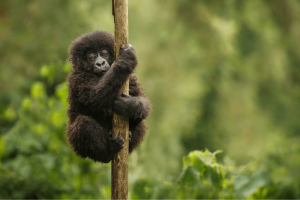
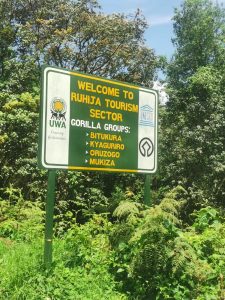
November 5, 20265 Days Rwanda Gorilla Trekking, Chimpanzee Tracking and Cultural Safari Destination: Rwanda Duration: 5 Days / 4 Nights Tour Type: Private guided safari Starting Point: Kigali Ending Point: Kigali Main Activities: Nyanza King’s Palace visit, Kibeho pilgrimage, chimpanzee tracking in Cyamudongo Forest, Nyungwe Canopy Walk, mountain gorilla trekking, Iby’Iwacu Cultural Village visit and golden monkey tracking. Tour Overview Experience Rwanda’s remarkable cultural heritage, beautiful landscapes and extraordinary wildlife on this 5-day safari. This itinerary combines visits to important cultural and religious sites with exciting primate experiences in Nyungwe Forest and Volcanoes National Park. Your journey begins in Kigali before travelling south to visit the historic Nyanza King’s Palace and Kibeho, one of Rwanda’s most important Catholic pilgrimage destinations. Continue to Nyungwe Forest National Park for chimpanzee tracking in Cyamudongo Forest and an adventurous walk along the famous Nyungwe Canopy Walkway. The safari then takes you north to Volcanoes National Park, home to the endangered mountain gorillas and golden monkeys. Enjoy an unforgettable mountain gorilla trekking experience, followed by a cultural visit to Iby’Iwacu Cultural Village, where you will discover traditional Rwandan music, dance, history and community life. On the final day, track golden monkeys in the bamboo forests before returning to Kigali. Detailed 5-Day Rwanda Safari Itinerary Day 1: Kigali – Nyanza King’s Palace – Kibeho – Nyungwe Forest National Park Your 5-day Rwanda safari begins with an early morning pickup from your hotel in Kigali. Meet your professional driver-guide and depart for southern Rwanda, travelling through beautiful countryside and traditional settlements. Your first destination is Nyanza, where you will visit the historic King’s Palace Museum at Rukari. This important cultural attraction offers insights into Rwanda’s traditional monarchy, royal heritage and historical leadership. Explore the traditional royal residence and learn about the cultural significance of the royal court. You may also discover the history of the Inyambo long-horned cattle, which played an important role in Rwanda’s royal traditions. After the palace visit, continue to Kibeho, a renowned Catholic pilgrimage destination in southern Rwanda. Kibeho is associated with reported Marian apparitions and attracts pilgrims from different parts of the world. Visit the Kibeho shrine, explore the religious site and learn about its spiritual significance. Visitors may also spend time in prayer, reflection or quiet contemplation. From Kibeho, proceed towards Nyungwe Forest National Park, enjoying scenic views of Rwanda’s rolling hills, agricultural landscapes and rural communities. Arrive at your lodge in the Nyungwe area in the evening. Check in, relax and prepare for the following day’s rainforest adventures. Accommodation: Nyungwe Forest area. Day 2: Chimpanzee Tracking in Cyamudongo Forest – Nyungwe Canopy Walk After an early breakfast, prepare for one of the most exciting wildlife experiences in Rwanda: chimpanzee tracking in Cyamudongo Forest. Cyamudongo is a small forest patch within the wider Nyungwe ecosystem and is an important habitat for chimpanzees and other forest wildlife. Transfer to the designated briefing point, where park guides will explain the tracking experience, safety requirements and visitor regulations. Accompanied by experienced trackers and park guides, enter the forest in search of chimpanzees. The trek takes you through dense vegetation, forest trails and sometimes steep or muddy terrain. As you move through the forest, listen for chimpanzee calls and watch the trees for movement. Once the chimpanzees are located, enjoy the opportunity to observe their natural behaviour. You may see them feeding, climbing, grooming, communicating and interacting with other members of their community. The experience offers a fascinating opportunity to learn about these intelligent primates in their natural environment. After chimpanzee tracking, return to your lodge for lunch and some relaxation. In the afternoon, proceed to the Nyungwe Canopy Walkway for another exciting rainforest adventure. Suspended high above the forest floor, the canopy walkway provides spectacular views of Nyungwe’s tropical rainforest. From this elevated position, you may spot birds, butterflies, forest vegetation and other wildlife while enjoying the beautiful scenery. After the canopy walk, return to your lodge for dinner and overnight. Accommodation: Nyungwe Forest area. Day 3: Nyungwe Forest – Transfer to Volcanoes National Park Enjoy breakfast at your lodge before checking out and beginning the scenic journey from Nyungwe Forest to Volcanoes National Park in northern Rwanda. The transfer takes you across Rwanda’s beautiful countryside, with rolling hills, cultivated terraces, local communities and picturesque landscapes along the way. You may make brief stops for photographs and refreshments, depending on the driving schedule. Arrive in the Musanze or Kinigi area, close to Volcanoes National Park, in the afternoon. Check in at your lodge and spend the rest of the day relaxing. Your driver-guide will brief you about the following day’s mountain gorilla trekking arrangements, including the early morning departure, park regulations and essential items to carry. Accommodation: Volcanoes National Park area. Day 4: Mountain Gorilla Trekking – Iby’Iwacu Cultural Village Visit Today is one of the major highlights of your Rwanda safari: mountain gorilla trekking in Volcanoes National Park. Wake up early and enjoy breakfast before transferring to the Kinigi Park Headquarters. Arrive in time for the morning briefing, where park officials will provide information about gorilla trekking rules, safety guidelines and the different habituated gorilla families available for tracking. You will be allocated a gorilla family and assigned experienced park guides and trackers. Depending on the location of the gorillas, you may drive to the starting point before beginning the trek on foot. Accompanied by your guides, enter the forested slopes of the Virunga Mountains in search of the mountain gorillas. The trek can take several hours, depending on the location and movement of the assigned family. The terrain may be steep, muddy and challenging in some sections, but the experience is rewarding. Once the gorillas are located, you will spend the permitted one hour observing them in their natural habitat. Watch as they feed, rest, groom one another and interact within their family groups. Seeing these endangered primates at close range is an unforgettable wildlife experience. After the trek, return to the park headquarters and meet your driver-guide. Afternoon visit to Iby’Iwacu Cultural Village In the afternoon, visit Iby’Iwacu Cultural Village, also known as Gorilla Guardians Village, located near Volcanoes National Park. This community-based tourism initiative provides visitors with an opportunity to discover Rwanda’s traditional culture while learning about the relationship between local communities, tourism and wildlife conservation. During your visit, enjoy a variety of cultural activities and experiences, which may include: Traditional Rwandan dance and music performances. Traditional drumming demonstrations. Insights into Rwanda’s former royal traditions and cultural practices. Opportunities to interact with local community members. Learning about community involvement in mountain gorilla conservation. Discovering traditional ways of life and local customs. The visit offers a meaningful cultural experience after your gorilla trek and demonstrates how tourism contributes to community livelihoods and conservation efforts. After the cultural visit, return to your lodge for dinner and overnight. Accommodation: Volcanoes National Park area. Day 5: Golden Monkey Tracking – Transfer to Kigali After breakfast, check out of your lodge and transfer to the Kinigi Park Headquarters for golden monkey tracking in Volcanoes National Park. Upon arrival, meet the park guides for a briefing about the golden monkey tracking experience and the regulations visitors must follow during the trek. Enter the bamboo forests in search of the endangered golden monkeys. These attractive primates are known for their distinctive golden-orange fur, playful behaviour and energetic movements through the bamboo vegetation. Accompanied by experienced guides, walk through the forest while looking for the golden monkey troop. Once located, observe them as they feed, jump between bamboo stems, play and interact with one another. Golden monkey tracking provides a different primate experience from mountain gorilla trekking and is an excellent way to conclude your wildlife activities in Volcanoes National Park. After the experience, return to the park headquarters and meet your driver-guide for the transfer to Kigali. Enjoy the scenic drive through Rwanda’s countryside before arriving in Kigali. You will be dropped off at your hotel or Kigali International Airport, depending on your onward travel arrangements. End of your 5-day Rwanda safari. Accommodation Suggestions The following accommodation options can be considered when planning your safari. Final selection will depend on your preferred comfort level, availability and budget. Nyungwe Forest area One&Only Nyungwe House – Luxury. Nyungwe Top View Hill Hotel – Mid-range. Gisakura Guesthouse – Budget. Volcanoes National Park area Bisate Lodge – Luxury. Five Volcanoes Boutique Hotel – Mid-range to luxury. Le Bambou Gorilla Lodge – Mid-range. Safari Inclusions Private transportation in a suitable safari vehicle. Services of an English-speaking professional driver-guide. Four nights’ accommodation. Meals as specified in the itinerary. Kigali pickup and drop-off. Nyanza King’s Palace visit. Kibeho shrine visit. Chimpanzee tracking permit in Cyamudongo Forest. Nyungwe Canopy Walk experience. Mountain gorilla trekking permit. Golden monkey tracking permit. Iby’Iwacu Cultural Village visit. Bottled drinking water during the safari. Safari Exclusions International flights. Rwanda visa fees, where applicable. Travel and medical insurance. Personal expenses, laundry and telephone bills. Tips and gratuities. Drinks and meals not specified in the itinerary. Optional activities not included in the programme. Important Information for Travellers Gorilla trekking permits: Mountain gorilla permits should be booked well in advance because the number of visitors allowed to trek each gorilla family is limited. Chimpanzee tracking permits: Cyamudongo chimpanzee tracking requires advance arrangements and confirmation of permit availability. Golden monkey permits: Golden monkey tracking requires a separate permit from the mountain gorilla trekking permit. Physical fitness: Chimpanzee and gorilla trekking involve walking through natural forest terrain, which can be steep, muddy and physically demanding. A reasonable level of fitness is recommended. Iby’Iwacu Cultural Village: The cultural visit is scheduled for the afternoon after gorilla trekking. Its timing may be adjusted depending on the duration of the morning trek. Day 1 driving schedule: Visiting Nyanza King’s Palace and Kibeho before continuing to Nyungwe makes for a long day. An early departure from Kigali is essential. Nyungwe activities: Chimpanzee tracking and the Canopy Walk are planned for the same day. Their exact timing should be coordinated with the park authorities and permit arrangements. Frequently Asked Questions 1. Can I combine chimpanzee tracking and gorilla trekking in one Rwanda safari? Yes. This five-day itinerary combines chimpanzee tracking in Cyamudongo Forest with mountain gorilla trekking in Volcanoes National Park, offering opportunities to encounter two of Africa’s most remarkable primates. 2. Where is Cyamudongo Forest located? Cyamudongo is a forest patch within the wider Nyungwe ecosystem in southwestern Rwanda. It is an important location for chimpanzee tracking. 3. How long does mountain gorilla trekking take? Gorilla trekking can take several hours, depending on the location and movement of the assigned gorilla family. Visitors spend a maximum of one hour with the gorillas once they are located. 4. What is Iby’Iwacu Cultural Village? Iby’Iwacu Cultural Village, also known as Gorilla Guardians Village, is a community-based tourism attraction near Volcanoes National Park. It introduces visitors to Rwandan traditions, music, dance and local community life while highlighting the role of communities in conservation. 5. Can I track golden monkeys after gorilla trekking? Yes. This itinerary schedules mountain gorilla trekking on Day 4 and golden monkey tracking on Day 5 before the transfer to Kigali. 6. Does the safari include accommodation? Yes. The itinerary includes four nights’ accommodation: two nights in the Nyungwe area and two nights near Volcanoes National Park. Book Your 5-Day Rwanda Gorilla, Chimpanzee and Cultural Safari Explore Rwanda’s extraordinary combination of wildlife, culture and natural beauty with this carefully planned five-day safari. From the historic King’s Palace in Nyanza and the spiritual heritage of Kibeho to chimpanzee tracking in Nyungwe, mountain gorilla trekking in Volcanoes National Park and the cultural experience at Iby’Iwacu, every day offers something memorable. Contact our safari team to check permit availability, choose your preferred accommodation and arrange a personalised Rwanda safari. [...] Read more...
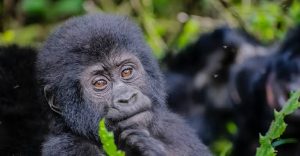
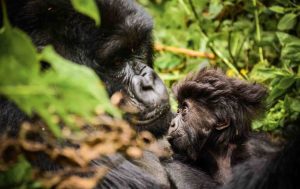
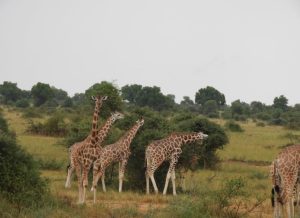
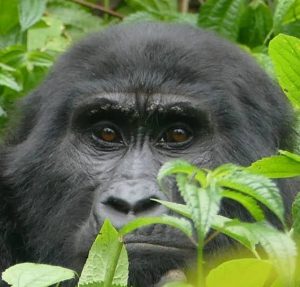
November 3, 2026Akagera Game Lodge (SALT of Akagera), Rwanda: Accommodation, Rates, Facilities and Safari Guide Akagera Game Lodge: A Guide to SALT of Akagera in Rwanda Akagera Game Lodge is a name that many travellers associate with comfortable accommodation and wildlife safaris in Rwanda’s Akagera National Park. The property is now listed by the official Akagera National Park website as SALT of Akagera, making it important for visitors searching under the older Akagera Game Lodge name to recognise the current branding. Located within Akagera’s savannah landscape, the lodge provides a hotel-style accommodation option for visitors who want to combine a comfortable stay with wildlife viewing, birdwatching and exploration of Rwanda’s only savannah national park. Akagera is home to a variety of wildlife, including elephants, lions, rhinos, buffaloes, giraffes, zebras, hippos and crocodiles. Its combination of open grasslands, lakes, woodland and wetlands makes it an excellent destination for travellers interested in a traditional African safari. Whether you are planning a short wildlife getaway from Kigali, a family holiday, a photography trip or a longer Rwanda safari, this guide explains what to know when considering Akagera Game Lodge, also known as SALT of Akagera. Where Is Akagera Game Lodge Located? Akagera Game Lodge is associated with the southern section of Akagera National Park in eastern Rwanda. The property is described as occupying an elevated position overlooking Lake Ihema and the surrounding savannah landscape. Akagera National Park lies along Rwanda’s eastern border with Tanzania, approximately 110 kilometres from Kigali. The journey from Kigali generally takes around two hours, depending on the starting point, road conditions and traffic. The lodge’s location makes it a convenient base for exploring the southern part of the park, including the Lake Ihema area and nearby wildlife-viewing routes. Travellers should distinguish between the lodge’s location and the park’s entrance. Entering Akagera involves park registration and payment of applicable conservation or entry fees. Allow sufficient time for these procedures before proceeding to your accommodation. Is Akagera Game Lodge the Same as SALT of Akagera? Visitors researching Akagera accommodation may encounter the names Akagera Game Lodge, Mantis Akagera Game Lodge and SALT of Akagera. The official Akagera National Park website currently lists SALT of Akagera among its accommodation partners. Some accommodation and travel listings continue to use the Akagera Game Lodge or Mantis Akagera Game Lodge name. When making a reservation, confirm that the property name, location, room category and booking contact correspond to the accommodation you intend to visit. This is particularly important when comparing older online descriptions with current booking information. Accommodation at Akagera Game Lodge Akagera Game Lodge is traditionally known as a hotel-style property rather than a small tented safari camp. This makes it an option for travellers who prefer conventional rooms and shared hotel facilities during their wildlife holiday. Accommodation descriptions associated with the property refer to en-suite rooms, private verandas and views of Lake Ihema or the surrounding savannah. Room configurations and availability should be confirmed directly before booking. Depending on the current accommodation offering, travellers may find options suitable for couples, individual guests and families. Standard Rooms Standard rooms are suitable for couples and individual travellers looking for comfortable accommodation during an Akagera safari. When enquiring, confirm whether the selected room has a double or twin bed arrangement, a private bathroom, air conditioning and a veranda or outdoor seating area. Family Accommodation Families visiting Akagera should enquire about family rooms or suites and the lodge’s current child policy. Travelling with children can be a rewarding way to introduce young visitors to Rwanda’s wildlife and conservation work. However, parents should confirm minimum ages, room occupancy limits, child rates and whether additional beds are available. Rooms with Lake and Savannah Views The elevated setting associated with the lodge provides opportunities to enjoy views across the surrounding landscape. Ask whether your selected room category offers a lake-facing or savannah-facing veranda, as views may differ between rooms. Facilities and Services The lodge is associated with hotel-style facilities designed to make a safari stay comfortable. Facilities advertised in accommodation descriptions include: Swimming pool and sun deck. Restaurant and bar. Wi-Fi access. Private en-suite rooms. Verandas or outdoor seating areas. Conference and meeting facilities. Laundry services. Tour and activity assistance. Recreational facilities, subject to current availability. Facilities can change during renovations or changes in management. Confirm which services are operating when you make your reservation, especially if a swimming pool, children’s facilities, conference room or particular dining arrangement is important to your stay. Dining at Akagera Game Lodge Dining is an important part of a safari holiday. After spending several hours exploring the park, guests can return to the lodge for meals and time to relax. The property is associated with restaurant and bar services, with accommodation descriptions referring to local and international cuisine. Depending on the booking package, meals may be offered on a bed-and-breakfast, half-board or full-board basis. Always check the meal plan included in your quotation. Before confirming your stay, ask about: Breakfast, lunch and dinner arrangements. Vegetarian and special dietary options. Children’s meals. Drinking water and other beverages. Packed lunches for full-day game drives. Whether drinks are included in the room rate. A packed lunch is particularly useful for visitors planning to explore the northern or central sections of Akagera, where driving distances can be considerable. Things to Do While Staying at Akagera Game Lodge Staying at Akagera Game Lodge gives visitors a base from which to discover the wildlife, lakes, wetlands and savannah plains of Akagera National Park. 1. Go on a Game Drive in Akagera National Park <figure> </figure> Game drives are among the main reasons travellers visit Akagera. The park’s open grasslands, woodland and wetland habitats support a variety of wildlife, making it one of Rwanda’s leading destinations for savannah safaris. Animals that visitors may encounter include: African elephants. Lions. Leopards. Black and white rhinoceroses. African buffaloes. Giraffes. Zebras. Topis. Impalas. Warthogs. Hippos. Akagera is recognised for its Big Five wildlife: lions, leopards, elephants, rhinos and buffaloes. However, sightings depend on wildlife movements, weather, season and the areas visited. No safari operator can guarantee that every animal will be seen. Travellers can explore using an appropriate private vehicle or arrange a guided game drive. A knowledgeable guide can help identify animals, explain their behaviour and interpret the park’s ecosystems. 2. Enjoy a Boat Safari on Lake Ihema Lake Ihema is one of Akagera’s most important water bodies and a popular destination for boat-based wildlife viewing. A boat excursion offers a different perspective from a conventional game drive. Visitors may see hippos in the water, crocodiles along the shoreline and waterbirds feeding in the wetlands. Birdwatchers should look out for African fish eagles, herons, kingfishers, cormorants and other wetland species. Boat trips are operated through designated park activity arrangements. Confirm departure times, meeting points, prices and availability before travelling to the lake. 3. Explore Akagera’s Birdlife Akagera is an important birdwatching destination because of its diverse habitats, including lakes, papyrus swamps, woodland and open savannah. Birdwatching opportunities include: Wetland and waterbirds. Raptors. Woodland species. Grassland birds. Migratory birds during suitable periods. Visitors interested in bird photography should consider arranging a specialist guide who understands the park’s habitats and seasonal bird movements. 4. Experience Akagera’s Conservation Story Akagera is not only a wildlife destination but also an important conservation success story. Park management and conservation initiatives have helped restore wildlife populations following years of pressure on the ecosystem. Lions were reintroduced in 2015, eastern black rhinos in 2017 and southern white rhinos in 2021. Visitors interested in conservation can enquire about available educational experiences and opportunities to learn about park management, wildlife protection and community involvement. 5. Enjoy the Lodge’s Leisure Facilities After a game drive, guests can spend time relaxing at the lodge. Depending on the facilities currently operating, leisure options may include swimming, enjoying refreshments, reading, photography and watching the changing light over the surrounding landscape. These facilities make a hotel-style lodge particularly attractive to families and travellers who want time to relax between safari activities. 6. Discover the Local Community and Culture Communities around Akagera have strong connections with the landscape and its natural resources. Where available, cultural experiences can introduce visitors to traditional cattle keeping, local food production, honey processing and other community activities. Choose experiences arranged through recognised local guides and community initiatives so that tourism contributes directly to local livelihoods. Akagera Game Lodge Rates and Accommodation Costs The cost of staying at Akagera Game Lodge depends on the travel dates, room category, number of guests, meal plan and booking conditions. Online listings have displayed different prices and room descriptions. Therefore, travellers should not rely on an old advertised rate as a guaranteed current quotation. For an accurate price, request a quotation that clearly states: Single-room rate. Double or twin-room rate. Family-room or suite rate. Child rates and age restrictions. Meal plan. Applicable taxes and conservation levies. Cancellation and payment terms. Whether park entry fees are included. Are Akagera National Park Fees Included? Do not assume that a lodge room rate includes national park entry fees. Park entry, vehicle fees and optional activities may be charged separately, depending on the booking arrangement. Ask your accommodation provider or tour operator to itemise these costs so that you understand the full safari budget. For the latest park charges, consult the official Akagera National Park website before travelling. How to Get to Akagera Game Lodge from Kigali Akagera National Park is approximately 110 kilometres from Kigali, and the drive generally takes around two hours to the park area. Visitors can reach the lodge by private transfer, organised safari vehicle or self-drive, subject to the park’s current access arrangements. By Road from Kigali The road journey takes travellers through Rwanda’s Eastern Province towards Akagera National Park. A typical transfer involves: Departure from Kigali after breakfast. Driving east towards Akagera. Arrival at the designated southern park entrance. Park registration and completion of entry procedures. Driving to the lodge and checking in. The actual journey to the lodge takes longer than the drive to the park entrance because visitors must complete park formalities and continue to their accommodation. By Private Safari Vehicle A private safari vehicle is a convenient option for couples, families and small groups. It allows travellers to combine the transfer with wildlife viewing and other planned activities. A 4×4 vehicle is recommended, particularly during wet conditions or when exploring routes that may become difficult after rain. By Self-Drive Visitors may also explore Akagera independently, provided they comply with park entry and vehicle requirements. The official park information identifies the southern Mutumba Gate as the self-drive access point. Check current entry arrangements before departure. Best Time to Visit Akagera Game Lodge Akagera can be visited throughout the year, although weather conditions influence the safari experience. Dry Season The drier months are generally favourable for game drives because vegetation may be less dense and some wildlife gathers around permanent water sources. June to September is commonly considered a good period for wildlife viewing. It is also a popular travel season, so early accommodation reservations are advisable. Wet Season The rainy periods bring greener landscapes, fresh vegetation and attractive scenery. They can also offer rewarding birdwatching opportunities. However, some tracks may become muddy or difficult to navigate, making an appropriate vehicle and experienced driver important. The official park website describes November to April as a favourable period to visit. Travellers should consider their priorities, as the best season for wildlife viewing may differ from the best season for birding, photography or landscape scenery. Sample 3-Day Akagera Safari Staying at Akagera Game Lodge A three-day visit allows travellers to enjoy the southern section of the park and explore additional wildlife-viewing areas without rushing every activity. Day 1: Kigali to Akagera National Park After breakfast, depart Kigali for Akagera National Park. Upon arrival, complete the park registration process and continue towards the lodge. Depending on arrival time and the day’s arrangements, enjoy an afternoon game drive or relax at the property. In the evening, have dinner and spend the night at Akagera Game Lodge. Accommodation: Akagera Game Lodge / SALT of Akagera. Day 2: Morning Game Drive and Lake Ihema Experience Wake up early for breakfast before setting out for a game drive. Explore suitable wildlife-viewing tracks in search of elephants, buffaloes, giraffes, zebras, antelopes and predators. Your guide will help interpret animal behaviour and identify the different species encountered. Later, arrange a boat excursion on Lake Ihema, subject to availability and the day’s schedule. Return to the lodge for relaxation, dinner and overnight accommodation. Accommodation: Akagera Game Lodge / SALT of Akagera. Day 3: Morning Safari and Return to Kigali After breakfast, enjoy a final game drive or a relaxed morning at the lodge, depending on your departure schedule. Leave Akagera and drive back to Kigali, arriving later in the day. This itinerary can be adjusted to include additional wildlife-viewing time, birdwatching or a cultural experience. Akagera Game Lodge Compared with Other Akagera Accommodation Akagera offers different accommodation styles, from hotel-style lodges to intimate tented camps and luxury safari properties. Akagera Game Lodge / SALT of Akagera This property is worth considering for travellers seeking a conventional lodge experience, hotel-style rooms and shared leisure facilities. Ruzizi Tented Lodge Ruzizi Tented Lodge is an eco-friendly tented property overlooking Lake Ihema. It offers a more intimate nature-based experience and is suitable for visitors who want to stay close to the lake and enjoy a tented safari atmosphere. Karenge Bush Camp Karenge Bush Camp is located in the northern part of Akagera and provides a more remote wilderness experience. Its location makes it appealing to travellers who want to explore the park’s northern plains. Wilderness Magashi Camp Magashi Camp is a luxury safari property in the northern part of the park, overlooking Lake Rwanyakazinga. It is suited to visitors seeking an exclusive safari experience and high-end accommodation. The best choice depends on your budget, preferred accommodation style, safari route and the number of nights you plan to spend in the park. What to Pack for a Stay at Akagera Game Lodge Prepare for warm days, cooler mornings and possible rain depending on the season. Recommended items include: Lightweight, neutral-coloured safari clothing. Comfortable walking shoes. A warm layer for early morning game drives. A rain jacket. A hat and sunglasses. Sunscreen. Insect repellent. Binoculars. Camera and spare batteries. Personal medication. Reusable water bottle. Swimwear if you intend to use the swimming pool. If you are planning a full-day game drive, carry drinking water, snacks and any other personal items you may need during the excursion. Important Travel Tips Before Booking Confirm the current lodge name: The official Akagera National Park website currently lists SALT of Akagera. Confirm the property’s current branding and booking details. Request current room rates: Prices can vary according to season, room category and occupancy. Check what is included: Confirm meals, drinks, taxes, conservation levies and park fees. Book activities in advance: Boat excursions and guided safaris may have limited spaces or fixed departure times. Plan your arrival: Allow enough time for park registration and the drive to the lodge. Check child policies: Families should confirm age restrictions and room occupancy arrangements. Use an appropriate vehicle: A suitable 4×4 is recommended for exploring the park, especially in wet conditions. Respect wildlife: Follow your guide’s instructions, maintain a safe distance from animals and never feed wildlife. Frequently Asked Questions About Akagera Game Lodge 1. Is Akagera Game Lodge still open? The property is associated with the accommodation currently listed by the official Akagera National Park website as SALT of Akagera. Confirm current operating arrangements and availability before booking. 2. Is Akagera Game Lodge inside Akagera National Park? The property is described in accommodation listings as being within the park. Confirm the exact location and current access arrangements when reserving. 3. How far is Akagera Game Lodge from Kigali? Akagera National Park is approximately 110 kilometres from Kigali, with a drive of around two hours to the park area. Allow additional time for park registration and travel to the lodge. 4. Does Akagera Game Lodge have a swimming pool? Accommodation descriptions associated with the property advertise swimming facilities. Confirm whether the pool is currently operating and whether access is included in your booking. 5. Can families with children stay at Akagera Game Lodge? The property has been described as family-friendly. However, parents should confirm the current child policy, available family rooms, age restrictions and applicable rates before booking. 6. Can I see the Big Five in Akagera National Park? Akagera is home to lions, leopards, elephants, rhinos and buffaloes. Although all five species occur in the park, sightings are never guaranteed during a particular game drive. 7. Can I take a boat safari while staying at the lodge? Boat excursions are available on Lake Ihema through the park’s designated activity arrangements. Confirm departure times, availability and transport arrangements before booking. 8. Is Akagera Game Lodge suitable for a short safari? Yes. Its location in the southern part of Akagera makes it a practical accommodation option for travellers planning a short wildlife holiday from Kigali. A two- or three-day safari can provide time for game drives and a Lake Ihema excursion. 9. What is the difference between Akagera Game Lodge and Ruzizi Tented Lodge? Akagera Game Lodge, now associated with SALT of Akagera, is a hotel-style accommodation option. Ruzizi Tented Lodge provides an eco-lodge experience with tented accommodation overlooking Lake Ihema. 10. Should I book Akagera Game Lodge in advance? Advance booking is recommended, particularly during popular travel periods, school holidays and peak safari seasons. Confirm your room and activity arrangements before travelling. Book Your Akagera Safari with Book Gorilla Tracking Akagera Game Lodge, now listed as SALT of Akagera, is an accommodation option to consider when planning a wildlife holiday in Rwanda. Its hotel-style setting and position in the southern part of Akagera make it a useful base for exploring the park’s savannah, lakes and wildlife. At Book Gorilla Tracking, we can help you plan an Akagera safari that combines comfortable accommodation with guided game drives, birdwatching and a boat excursion on Lake Ihema. Whether you are travelling from Kigali, combining Akagera with Rwanda gorilla trekking or planning a wider East African safari, we can help organise a suitable itinerary around your travel dates, interests and budget. Contact our safari team to request an Akagera safari quotation and start planning your Rwanda wildlife adventure. [...] Read more...
November 3, 2026Ruzizi Tented Lodge in Akagera National Park, Rwanda: Rates, Accommodation, Facilities and Safari Guide Introduction to Ruzizi Tented Lodge Ruzizi Tented Lodge is an eco-friendly safari accommodation facility situated along the shores of Lake Ihema in Akagera National Park, eastern Rwanda. Surrounded by natural vegetation, swaying palms and fig trees, the lodge offers visitors a peaceful lakeside retreat in one of Rwanda’s most important wildlife conservation areas. The lodge is an excellent accommodation choice for travellers seeking a comfortable safari experience close to nature. Its canvas tents are positioned among the trees and connected to the main reception and dining area by wooden walkways. A raised wooden deck overlooking Lake Ihema provides a beautiful setting for relaxing, enjoying meals and observing the surrounding environment. One of the main attractions of Ruzizi Tented Lodge is its location beside Lake Ihema, the largest lake in Akagera National Park. The lake supports hippos, crocodiles and numerous waterbirds, making the lodge an excellent base for visitors interested in boat safaris, birdwatching and wildlife photography. Ruzizi also provides convenient access to game drives, night drives, guided walking safaris and other activities offered in Akagera. Guests can explore the park’s savannah plains, woodlands, wetlands and lakes while enjoying the comfort of a small, nature-oriented lodge. Whether you are planning a romantic getaway, a family wildlife holiday or a private Rwanda safari, Ruzizi Tented Lodge offers an opportunity to experience Akagera from a beautiful lakeside setting. Where Is Ruzizi Tented Lodge Located? Ruzizi Tented Lodge is located in the southern sector of Akagera National Park, on the shores of Lake Ihema in eastern Rwanda. Akagera National Park is approximately 110 kilometres from Kigali, although the actual journey time depends on traffic, road conditions and the entrance arrangements. The lodge is situated approximately 6 kilometres, or 15 minutes’ drive, inside the park’s southern entrance, known as Giraffe Gate. Its lakeside location makes it convenient for visitors who want to explore the southern part of Akagera and participate in activities such as the Lake Ihema boat excursion. Location details: Country: Rwanda Destination: Akagera National Park Sector: Southern Akagera Nearby lake: Lake Ihema Access gate: Giraffe Gate Approximate distance inside the park from the main gate: 6 kilometres Approximate driving time from the gate: 15 minutes Only registered lodge residents are permitted to access Ruzizi Tented Lodge. Accommodation at Ruzizi Tented Lodge Ruzizi Tented Lodge combines traditional safari tent accommodation with practical modern facilities. Its design allows guests to enjoy the natural surroundings without sacrificing comfort. According to the official Akagera National Park accommodation information, the lodge has nine tents with a total capacity of approximately 20 guests. The accommodation categories include: 1. Classic En-Suite Tents The classic tents are designed for couples and travellers sharing accommodation. They are positioned among the natural vegetation surrounding the lodge and connected to the main reception area by wooden walkways. Each tent has an en-suite bathroom and a shaded veranda furnished with campaign-style chairs and a small table. These tents are suitable for visitors who want a comfortable safari stay with easy access to the lodge’s dining and relaxation areas. 2. Tree-Top Honeymoon Tent The tree-top honeymoon tent offers a more exclusive accommodation experience for couples. It is elevated to provide a different perspective of the surrounding environment and is designed for guests seeking additional privacy and a romantic setting. The official park description highlights features including: King-size bed Private bath Outdoor shower Elevated accommodation setting Views of the surrounding natural environment It is a suitable choice for honeymooners, couples celebrating anniversaries and travellers looking for a special lakeside safari experience. 3. Family Tent Ruzizi Tented Lodge also offers a family tent designed for two adults and two children. The official accommodation description specifies a double bed for the adults and twin beds for the children. Families should confirm the current child-age policy, room availability and occupancy arrangements before making a reservation. Facilities and Amenities at Ruzizi Tented Lodge Ruzizi Tented Lodge provides a selection of facilities designed to make a safari stay comfortable while maintaining its natural atmosphere. En-Suite Bathrooms All accommodation tents have private bathrooms. Facilities include: Hot and cold running water Shower facilities Flush toilets Private bathroom arrangements The tree-top honeymoon tent also has a bath and an outdoor shower. Private Verandas The tents feature shaded verandas furnished with outdoor seating. Guests can relax, enjoy the fresh air and appreciate the surrounding vegetation. The verandas also provide a convenient place to enjoy a quiet moment after a game drive or before dinner. Main Dining and Reception Area The main lodge building is designed with a thatched roof and a natural architectural style. It accommodates the reception, dining and lounge areas, providing a comfortable shared space for guests. Meals are served in this area, while the nearby wooden deck offers an attractive setting overlooking Lake Ihema. Raised Wooden Deck Overlooking Lake Ihema One of the most attractive features of Ruzizi is its raised wooden deck overlooking the lake. The deck provides a scenic place to relax, enjoy a drink or observe the surrounding water and vegetation. It is particularly attractive in the early morning and late afternoon when the changing light creates beautiful views across Lake Ihema. Outdoor Firepit The lodge has a central outdoor firepit where guests can gather in the evening. After dinner, visitors can relax around the fire, enjoy the atmosphere and listen to the natural sounds of the surrounding environment. Solar Energy Ruzizi Tented Lodge is designed with environmental sustainability in mind. The lodge uses solar power for lighting and electricity in the tents and main areas. This reduces dependence on conventional energy sources and supports the lodge’s conservation-oriented approach. Wi-Fi and In-Room Safes The official lodge information lists Wi-Fi in the tents and lounge. Each tent also has a safe where guests can store personal valuables. Availability and connectivity may vary, so visitors should not rely on the lodge’s Wi-Fi as their only means of communication. Ruzizi Tented Lodge Rates 2026–2027 Ruzizi Tented Lodge publishes separate accommodation rates for international visitors and Rwandan/East African Community citizens and residents. The official 2026–2027 rate sheet divides the year into low and high seasons and provides prices for classic standard tents, tree-top tents, single occupancy and children sharing with parents. 2026–2027 Rates for International Visitors Accommodation Low Season High Season Standard tent per person sharing USD 227 USD 258 Tree-top tent per person sharing USD 315 USD 361 Standard tent single supplement USD 98 USD 109 Tree-top tent single supplement USD 142 USD 154 Child sharing with parents (6–12 years) USD 119 USD 119 2026–2027 Rates for Rwandan and EAC Citizens/Residents Accommodation Low Season High Season Standard tent per person sharing USD 170 USD 186 Tree-top tent per person sharing USD 253 USD 273 Standard tent single supplement USD 78 USD 83 Tree-top tent single supplement USD 111 USD 121 Child sharing with parents (6–12 years) USD 93 USD 103 Low and High Seasons at Ruzizi Tented Lodge Low season: 1 March to 31 May 1 October to 14 December High season: 15 December to 28 February 1 June to 30 September The high-season rates apply during the periods that generally attract greater safari demand. Visitors travelling during the low season may benefit from lower accommodation prices, subject to availability. What Is Included in the Accommodation Rates? The official 2026–2027 rate sheet includes: Accommodation Dinner Breakfast Lunch The rates are based on a full-board meal arrangement. What Is Excluded from the Rates? The following items are excluded: International and domestic flights Visas Personal expenses Gratuities Laundry Drinks Park entry fees Optional activities Vehicle fees Visitors should therefore budget separately for park admission, transport and optional safari experiences. Important booking note: The official online booking platform may display different tent categories or availability from the general accommodation description. Confirm the exact tent type, occupancy, applicable rate and child policy before paying a deposit. Safari Activities at Ruzizi Tented Lodge The location of Ruzizi Tented Lodge makes it an excellent base for exploring the southern section of Akagera National Park. Guests can enjoy a combination of water-based activities, game drives, walking experiences and cultural visits. 1. Lake Ihema Boat Safari A boat excursion on Lake Ihema is one of the most popular experiences for visitors staying at Ruzizi Tented Lodge. Lake Ihema is the largest lake in Akagera and supports a variety of aquatic wildlife. During a boat safari, visitors may observe: Hippopotamuses Nile crocodiles African fish eagles Kingfishers Herons Egrets Cormorants Other wetland birds The boat excursion provides a different perspective of Akagera compared with traditional game drives. Visitors can observe animals around the lake, photograph birds and learn about the importance of the wetland ecosystem. Scheduled Lake Ihema boat departures listed by the park: 7:30 am 9:00 am 3:00 pm 4:30 pm Private excursions may also be arranged at other times, subject to availability. 2. Guided Game Drives Game drives are among the best ways to explore Akagera National Park. Visitors can explore the southern plains and woodland habitats while searching for the park’s diverse wildlife. Animals that may be encountered include: African elephants African buffaloes Lions Leopards Rhinoceroses Giraffes Zebras Impalas Topis Waterbucks Warthogs Wildlife sightings depend on animal movements, weather conditions, season and the areas explored. Overnight guests can arrange guided drives through the lodge reception, while self-drivers may also arrange community guide services. 3. Night Game Drives Night drives offer visitors an opportunity to explore Akagera after sunset. These excursions are particularly interesting because several animals are more active during the evening and night. Visitors may have opportunities to look for: Hyenas Leopards Civets Bush babies Other nocturnal wildlife The park provides night drives using safari vehicles with pop-up roofs. The official Ruzizi page describes a vehicle capacity of up to seven guests. Night drives are subject to availability and should be arranged in advance. 4. Birdwatching Ruzizi’s lakeside location makes it an appealing base for birdwatchers. Lake Ihema and its surrounding wetlands support a variety of waterbirds and other species. Birdwatchers may look for: African fish eagle African jacana Malachite kingfisher Pied kingfisher Herons Egrets Cormorants African darter Other wetland birds The surrounding papyrus vegetation and lake margins provide important habitats for birds. A guided birdwatching excursion can help visitors identify species by their calls, appearance and behaviour. 5. Guided Walking Safaris Akagera offers guided walking experiences for visitors who want to explore the natural environment on foot. Walking safaris provide opportunities to learn about plants, animal tracks, insects, birds and other details that may be missed during a vehicle-based game drive. These activities must be conducted with authorised guides and according to park safety requirements. 6. Fishing at Lake Shakani Fishing is another activity available in Akagera National Park. Lake Shakani is the main location promoted for recreational fishing. Visitors can enjoy time beside the lake and, subject to park arrangements, participate in fishing activities. The park also describes the opportunity to cook the catch over an open fire at the campsite. Fishing arrangements, permitted equipment and applicable fees should be confirmed before arrival. 7. Behind-the-Scenes Conservation Experience Visitors interested in conservation can arrange a behind-the-scenes experience at Akagera’s park headquarters. The activity provides an opportunity to meet people involved in managing the park and learn about wildlife protection and conservation operations. It is particularly interesting for educational groups and travellers who want to understand how Akagera is managed. 8. Walk the Line Experience The Walk the Line activity offers a different way to learn about Akagera’s conservation work. Visitors accompany a fence attendant along part of the park’s boundary fence. The official park description identifies a walk of approximately seven kilometres, taking around two hours, with views from the surrounding hills. It provides an opportunity to understand the work involved in protecting wildlife and maintaining the park boundary. 9. Community Cultural Experiences Visitors can also arrange community experiences with local guides. These may include visits to: A traditional dairy farm A banana-beer producer A local honey cooperative Guests can learn about traditional livelihoods and the relationship between local communities and the surrounding landscape. The park’s community tourism programme shares revenue with the community members involved in these experiences. Wildlife Around Ruzizi Tented Lodge Akagera National Park is Rwanda’s main savannah wildlife destination and is home to the famous African Big Five. The park’s combination of grasslands, woodland, wetlands and lakes supports a wide variety of animals. Hippopotamuses Hippos are among the most recognisable animals associated with Lake Ihema. They spend much of the day in water and generally emerge at night to feed on surrounding grasslands. Visitors may see them during a boat excursion or from suitable lakeside viewpoints. Nile Crocodiles Nile crocodiles inhabit Lake Ihema and other suitable aquatic habitats in Akagera. They may be seen resting along the shoreline or floating close to the surface of the water. Visitors should always observe crocodiles from a safe distance. African Elephants Elephants are among the most impressive animals protected in Akagera. They may be encountered during game drives, particularly around woodland and water sources. African Buffaloes Buffaloes are frequently associated with grasslands and areas near water. They may be encountered grazing or moving through the park’s savannah habitats. Lions Akagera’s lions are among the major predators protected in the park. They inhabit different parts of the reserve and may be encountered during guided or self-drive game viewing. Leopards Leopards are elusive predators and can be difficult to spot. They are generally more active around dawn, dusk and at night, making a night drive an interesting experience for visitors hoping to encounter them. Birds The lake and surrounding wetlands support a rich birdlife. Birdwatchers can enjoy observing waterbirds, raptors and other species around the lakeshore and nearby vegetation. How to Get to Ruzizi Tented Lodge Ruzizi Tented Lodge is accessible from Kigali by road through the southern entrance of Akagera National Park. From Kigali City The journey from Kigali to the park’s southern entrance, Giraffe Gate, takes approximately two and a half hours under normal driving conditions. The route passes through eastern Rwanda before reaching the park entrance. After completing park entry arrangements, visitors continue for approximately six kilometres towards Lake Ihema. The lodge is about 15 minutes’ drive inside the main gate. Driving Directions Inside Akagera The official park directions indicate that visitors should: Arrive at the southern park reception at Giraffe Gate. Complete the required entry arrangements. Drive towards Lake Ihema. Turn right onto Road 9. Continue along the road to the Ruzizi Tented Lodge entrance. Only registered lodge residents are permitted to access the lodge. By Private Safari Vehicle A private safari vehicle with a professional driver-guide is a convenient way to reach Ruzizi. It also allows visitors to enjoy wildlife viewing along the way and coordinate activities with their accommodation arrangements. By Self-Drive Visitors can also reach Ruzizi using their own vehicles. A suitable 4×4 vehicle is recommended, particularly during the rainy season when some park roads may become difficult. Guests should follow the park map and the instructions provided at the entrance. Best Time to Stay at Ruzizi Tented Lodge Ruzizi Tented Lodge is an excellent destination throughout the year, although the safari experience changes with seasonal weather conditions. June to September These months generally fall within Rwanda’s longer dry season. Advantages include: Generally favourable road conditions Opportunities to see animals around water sources Good conditions for game drives Convenient access to different areas of the park This period falls within the lodge’s high accommodation season. December to February These months are another popular period for wildlife safaris in Akagera. Visitors can enjoy game drives, boat excursions, photography and lakeside relaxation. The period also falls within the lodge’s high season. March to May This is generally part of Rwanda’s longer rainy season. The surrounding vegetation becomes greener, and the wetland scenery can be especially attractive. Visitors should be prepared for possible rainfall and changing road conditions. October to Mid-December This period includes Rwanda’s shorter rainy season. The landscape can become greener, making it attractive for photography and birdwatching. It falls within the lodge’s low accommodation season, although weather and road conditions should be considered when planning a visit. Ruzizi Tented Lodge vs Other Akagera Accommodation Akagera National Park offers several accommodation options, ranging from intimate tented camps to luxury safari properties. Ruzizi Tented Lodge vs Karenge Bush Camp Ruzizi Tented Lodge is located in the southern section of Akagera on Lake Ihema, while Karenge Bush Camp is situated in the northern part of the park overlooking the Kilala Plains. Ruzizi is particularly convenient for visitors interested in boat excursions and lakeside accommodation. Karenge is a good option for visitors seeking a more remote northern bush experience, including access to night drives. The official 2026–2027 rate information advertises a 10% discount for guests combining stays at Ruzizi and Karenge, subject to the booking terms. Ruzizi Tented Lodge vs Magashi Camp Magashi Camp is a luxury safari property in the northeastern part of Akagera, overlooking Lake Rwanyakazinga. It offers a high-end safari experience, while Ruzizi provides an intimate lakeside eco-lodge experience in the southern sector. Both properties offer access to Akagera’s wildlife and natural landscapes, but they differ in location, accommodation style and price category. Ruzizi Tented Lodge vs Akagera Game Lodge Akagera Game Lodge offers a more conventional lodge-style accommodation experience. Ruzizi is a smaller tented property with a distinctive lakeside setting. Travellers should choose according to their accommodation preferences, budget and planned safari activities. Suggested Safari Itinerary: 3 Days Akagera National Park with Ruzizi Tented Lodge A three-day safari allows visitors to explore the southern and northern sections of Akagera while enjoying the lakeside setting of Ruzizi Tented Lodge. Day 1: Kigali to Akagera National Park – Game Drive and Lake Ihema Boat Safari Depart Kigali in the morning and drive towards Akagera National Park. After arriving at Giraffe Gate, complete park entry arrangements and proceed to Ruzizi Tented Lodge. Depending on your arrival time and boat availability, enjoy a Lake Ihema boat excursion. Look out for hippos, crocodiles and a variety of waterbirds as you explore the lake. Return to the lodge, relax on the lakeside deck and enjoy dinner. Overnight at Ruzizi Tented Lodge. Day 2: Full-Day Akagera Wildlife Safari and Night Drive After breakfast, begin a guided game drive exploring the park’s savannah and woodland habitats. Look for elephants, buffaloes, giraffes, zebras, antelopes and predators. Depending on the route and time available, explore areas further north to experience Akagera’s varied landscapes. Return to the lodge for lunch and relaxation. In the evening, arrange a night game drive to explore the park after sunset and look for nocturnal animals. Dinner and overnight at Ruzizi Tented Lodge. Day 3: Morning Boat Safari or Game Drive – Return to Kigali Enjoy an early breakfast before taking an optional morning boat excursion on Lake Ihema or a short game drive. After the activity, return to the lodge, check out and begin the drive back to Kigali. Arrive in Kigali later in the day, depending on the departure time and road conditions. This itinerary can be customised according to boat schedules, accommodation availability and the visitor’s interests. Important Things to Consider Before Booking Ruzizi Tented Lodge Before confirming your accommodation, consider the following: 1. Book early: Ruzizi has limited accommodation capacity, so advance booking is recommended, especially during high season. 2. Confirm the tent category: Ask whether you are booking a standard tent, tree-top honeymoon tent or family tent. 3. Check seasonal rates: Prices differ between low and high seasons. 4. Budget for park fees: Park entry and vehicle fees are not included in the accommodation rates. 5. Arrange activities: Boat excursions, game drives and other experiences may have separate charges and availability conditions. 6. Confirm child arrangements: Check the current minimum age and occupancy requirements before travelling with children. 7. Plan transport: The lodge is inside the park, so arrange a suitable vehicle and allow sufficient time for the journey. 8. Pack appropriately: Bring comfortable walking shoes, insect repellent, sunscreen, a hat, binoculars and a camera. 9. Respect wildlife: Do not approach hippos, crocodiles or other wild animals on foot. Follow the instructions of park staff and guides. Frequently Asked Questions About Ruzizi Tented Lodge 1. Where is Ruzizi Tented Lodge located? Ruzizi Tented Lodge is located on the shores of Lake Ihema in the southern sector of Akagera National Park, eastern Rwanda. 2. How much does Ruzizi Tented Lodge cost per night? According to the official 2026–2027 rate sheet, international visitors pay USD 227 per person sharing in a standard tent during low season and USD 258 during high season. Tree-top tent rates are USD 315 and USD 361 per person sharing respectively. 3. Are meals included at Ruzizi Tented Lodge? Yes. The official accommodation rates include breakfast, lunch and dinner. Drinks are excluded. 4. Does Ruzizi Tented Lodge have a swimming pool? The official Akagera National Park accommodation description does not list a swimming pool among the lodge’s facilities. Its main attractions are its lakeside location, tented accommodation, dining area and raised wooden deck. 5. Can I take a boat safari while staying at Ruzizi? Yes. Lake Ihema boat excursions are one of the main activities available to visitors. Scheduled trips are listed at 7:30 am, 9:00 am, 3:00 pm and 4:30 pm. Private trips may also be arranged, subject to availability. 6. Can I see hippos and crocodiles at Ruzizi Tented Lodge? Lake Ihema is home to hippos and Nile crocodiles. Visitors may see them during boat excursions and from suitable viewing areas around the lake. Wildlife sightings are never guaranteed. 7. How far is Ruzizi Tented Lodge from Kigali? The drive from Kigali to Akagera’s southern entrance takes approximately two and a half hours. Ruzizi is located about 15 minutes or six kilometres inside the park’s main southern gate. 8. Does Ruzizi Tented Lodge offer night game drives? Yes. Night drives are available to overnight guests and offer opportunities to look for nocturnal wildlife. They should be arranged through the lodge or park reception and are subject to availability. 9. Is Ruzizi Tented Lodge suitable for honeymooners? Yes. The tree-top honeymoon tent is particularly suitable for couples seeking privacy and a special lakeside safari experience. It includes a king-size bed, bath and outdoor shower. 10. Is Ruzizi Tented Lodge suitable for families? The lodge has a family tent designed for two adults and two children. The current child-age policy and room availability should be confirmed directly before booking. 11. Is Wi-Fi available at Ruzizi Tented Lodge? Yes. The official lodge information lists Wi-Fi in the tents and lounge. Connectivity may vary due to the lodge’s natural location. 12. Can I combine Ruzizi Tented Lodge with Karenge Bush Camp? Yes. The official 2026 rate information advertises a 10% accommodation discount for guests combining Ruzizi Tented Lodge and Karenge Bush Camp, subject to the applicable booking conditions. 13. Are park entry fees included in the accommodation price? No. Park entry fees and vehicle fees are excluded from the published accommodation rates. 14. Is Ruzizi Tented Lodge open throughout the year? The lodge is listed as an accommodation option on the official Akagera National Park website. Visitors should confirm availability for their intended dates before booking. Book Ruzizi Tented Lodge with Book Gorilla Tracking Ruzizi Tented Lodge is an excellent choice for travellers seeking a comfortable lakeside safari experience in Akagera National Park. Its position on Lake Ihema, intimate tented accommodation, raised wooden deck and access to boat excursions make it one of the most attractive accommodation options in southern Akagera. At Book Gorilla Tracking, we can help organise your stay at Ruzizi Tented Lodge as part of a customised Rwanda wildlife safari. Our safari arrangements can include: Ruzizi Tented Lodge accommodation Private transport from Kigali Akagera National Park entry arrangements Guided wildlife game drives Lake Ihema boat safari Night game drives Birdwatching experiences Combination safaris with Karenge Bush Camp Extensions to Volcanoes National Park and Nyungwe Forest Whether you are planning a short Akagera safari or a longer Rwanda holiday, we can help you select suitable accommodation and activities according to your travel dates, interests and budget. Contact Book Gorilla Tracking today to request a Ruzizi Tented Lodge quotation and customised Akagera safari itinerary. Website: https://www.bookgorillatracking.com/contact-us/ [...] Read more...