Call: +256 702 595 926 | Email: info@bookgorillatracking.com

Bwindi Impenetrable National Park: Complete Gorilla trek Guide


Bwindi Impenetrable National Park, Uganda: The Ultimate Guide to Gorilla Trekking, Wildlife, Activities and Travel Planning
Bwindi Impenetrable National Park is one of Africa’s most extraordinary wildlife destinations and a highlight of any Uganda safari. Located in southwestern Uganda, this ancient tropical rainforest is internationally renowned for mountain gorilla trekking, offering visitors a rare opportunity to encounter endangered mountain gorillas in their natural habitat.
Recognised as a UNESCO World Heritage Site, Bwindi protects one of the most biologically diverse forests in Africa. Its steep hills, mist-covered valleys, thick vegetation, waterfalls and flowing streams create a remarkable ecosystem that supports an impressive variety of wildlife. Although mountain gorillas are the park’s main attraction, Bwindi is also home to chimpanzees, several monkey species, forest elephants, duikers, butterflies and hundreds of bird species.
For travellers planning a Uganda gorilla trekking safari, Bwindi offers more than a wildlife encounter. It provides an opportunity to explore an ancient rainforest, learn about conservation, discover local cultures and experience the exceptional biodiversity of the Albertine Rift.
Whether you are visiting Uganda for the first time, planning a luxury gorilla trekking holiday, or combining Uganda and Rwanda into one East African adventure, this comprehensive guide explains everything you need to know about visiting Bwindi Impenetrable National Park.
Where Is Bwindi Impenetrable National Park Located?
Bwindi Impenetrable National Park is situated in southwestern Uganda, along the Albertine Rift Valley, close to the borders of the Democratic Republic of Congo and Rwanda.
The park covers approximately 331 square kilometres of mountainous rainforest and is characterised by rugged terrain, steep slopes, deep valleys and dense vegetation. Its elevation ranges from approximately 1,160 to 2,607 metres above sea level, creating different ecological conditions that support exceptional biodiversity.
Bwindi is surrounded by rural communities and agricultural landscapes, with several settlements providing accommodation, transportation and other tourism services to visitors.
The park is divided into four main gorilla trekking sectors:
- Buhoma Sector – Located in the northern part of Bwindi.
- Ruhija Sector – Situated in the eastern part of the park.
- Rushaga Sector – Found in the southern part of Bwindi.
- Nkuringo Sector – Located in the southwestern part of the park.
Each sector has its own gorilla trekking trailheads, habituated gorilla families, accommodation facilities and access routes.
The sector assigned to your gorilla permit determines where you report for the morning briefing and which gorilla family you will visit.
Why Is Bwindi Impenetrable National Park Famous?
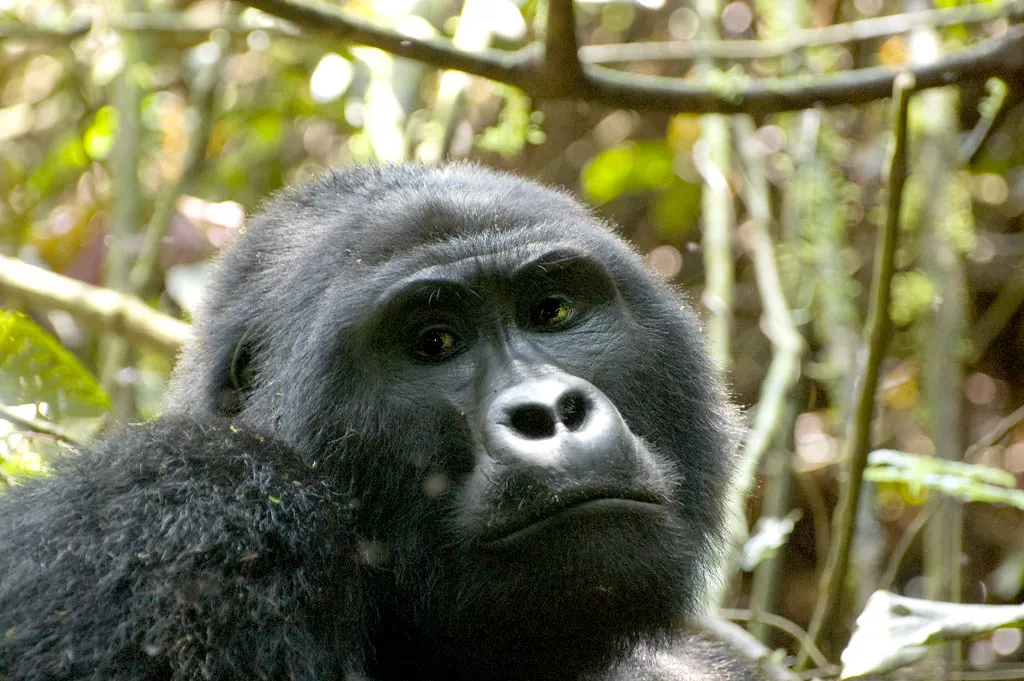
Bwindi is internationally recognised for its population of endangered mountain gorillas. It protects a significant proportion of the world’s remaining mountain gorillas, making it one of the most important mountain gorilla conservation areas.
However, the park’s importance extends beyond gorilla conservation.
1. Mountain Gorilla Trekking
Mountain gorilla trekking is the primary tourism activity in Bwindi. Visitors hike through the rainforest accompanied by professional Uganda Wildlife Authority rangers, guides and trackers in search of habituated gorilla families.
Once the gorillas are located, visitors are permitted to spend a strictly limited period observing them.
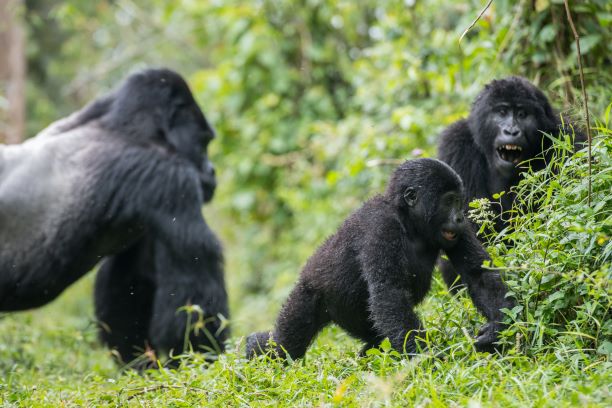
The experience provides an opportunity to watch these remarkable primates feeding, resting, grooming, playing and interacting with other members of their families.
2. Exceptional Biodiversity
Bwindi is one of Africa’s most important biodiversity hotspots. Its ancient rainforest supports numerous species of mammals, birds, reptiles, amphibians, insects and plants.
The park is particularly important for Albertine Rift endemic species, making it an outstanding destination for wildlife enthusiasts and birdwatchers.
3. UNESCO World Heritage Recognition
Bwindi was inscribed on the UNESCO World Heritage List in 1994 because of its exceptional biodiversity and global conservation importance.
Its protection is particularly significant because the forest provides an important habitat for endangered mountain gorillas and numerous other threatened species.
4. Birdwatching
Bwindi is among Uganda’s leading birdwatching destinations. More than 350 bird species have been recorded in the forest, including several Albertine Rift endemics.
Birding enthusiasts may look out for species such as:
- African Green Broadbill
- Grauer’s Rush Warbler
- Shelley’s Crimsonwing
- Rwenzori Batis
- Handsome Francolin
- Regal Sunbird
- Bar-tailed Trogon
- African Wood Owl
- Black Bee-eater
- Yellow-eyed Black Flycatcher
Birdwatching can be incorporated into a gorilla trekking safari, particularly for visitors spending several nights around the park.
The Gorilla Trekking Experience in Bwindi Impenetrable National Park
For many travellers, meeting mountain gorillas in Bwindi is a once-in-a-lifetime experience.
Unlike conventional game drives, where wildlife is observed from a safari vehicle, gorilla trekking involves walking through a natural rainforest in search of a habituated gorilla family.
The experience begins early in the morning, when visitors gather at their respective sector headquarters for registration, permit verification and a briefing from Uganda Wildlife Authority rangers.
During the briefing, visitors learn about gorilla behaviour, trekking procedures, conservation rules and safety precautions.
Afterwards, visitors are allocated to gorilla families and accompanied by guides and trackers into the forest.
What Happens During a Gorilla Trek?
A typical gorilla trekking experience follows several stages.
1. Morning briefing
Visitors report to their assigned sector headquarters, where rangers explain the trekking rules and provide important safety information.
2. Allocation of gorilla families
Visitors are allocated to available habituated gorilla families. Group allocation considers operational arrangements, visitor numbers and, where possible, individual trekking circumstances.
3. Entering the rainforest
Accompanied by experienced guides, visitors follow established trails and tracker information as they search for the assigned gorilla family.
The forest can be challenging, with thick vegetation, steep slopes, muddy trails and uneven ground.
4. Locating the gorillas
Trackers communicate with the guiding team to provide information about the gorillas’ movements and approximate location.
When the family is located, visitors receive instructions on how to approach and observe the animals.
5. Spending time with the gorillas
Visitors are generally allowed one hour with the gorillas after locating them.
During this period, you may observe a dominant silverback, adult females, juveniles and infants as they go about their daily activities.
6. Returning from the forest
After the viewing session, visitors return to the starting point with their guides. The entire trekking experience may take several hours, depending on the location and movements of the gorilla family.
How Difficult Is Gorilla Trekking in Bwindi?
Gorilla trekking can be physically demanding, although the difficulty varies considerably between treks.
Bwindi’s landscape is mountainous, and some gorilla families move through steep sections of forest with thick undergrowth.
Depending on the location of the gorillas, visitors may hike for a relatively short period or spend several hours walking.
Factors that influence trekking difficulty include:
- The location of the gorilla family.
- The distance covered through the forest.
- The steepness of the terrain.
- Rainfall and trail conditions.
- Individual physical fitness.
- The density of forest vegetation.
You do not need to be an experienced mountaineer to participate, but a reasonable level of fitness is recommended.
Visitors who have mobility concerns should communicate their circumstances to their tour operator before booking. Depending on availability and operational arrangements, porters or sedan-chair carrying services may be organised.
Bwindi Gorilla Trekking Sectors: Which One Should You Visit?
Bwindi’s four trekking sectors offer access to different habituated gorilla families and surrounding accommodation facilities.
Choosing the right sector is an important part of planning your Uganda gorilla trekking safari.
1. Buhoma Gorilla Trekking Sector
Buhoma is located in the northern section of Bwindi and is one of the park’s most established tourism areas.
It was the first sector where gorilla trekking tourism was introduced in Bwindi. The Mubare gorilla family was the first habituated group opened to tourism in 1993.
Buhoma is popular with travellers because of its established tourism infrastructure, range of accommodation facilities and accessibility from Queen Elizabeth National Park, particularly the Ishasha sector.
Activities around Buhoma include:
- Mountain gorilla trekking.
- Guided forest walks.
- Birdwatching.
- Batwa cultural experiences.
- Community visits.
- Nature walks and waterfall excursions.
The sector offers accommodation ranging from luxury lodges to midrange and budget guesthouses.
2. Ruhija Gorilla Trekking Sector
Ruhija is situated in the eastern part of Bwindi and is particularly attractive to visitors interested in gorilla trekking, birdwatching and quieter rainforest surroundings.
The area is known for its high elevation, cool temperatures and beautiful mountain scenery.
Ruhija provides access to several habituated gorilla families, including well-known groups such as Bitukura and Oruzogo, subject to current trekking arrangements.
Visitors can also enjoy birdwatching opportunities, including the possibility of spotting Albertine Rift endemic species.
Other experiences around Ruhija include:
- Gorilla trekking.
- Guided nature walks.
- Birdwatching excursions.
- Community cultural visits.
- Forest exploration.
Ruhija is a good option for visitors planning a gorilla trekking experience combined with birdwatching in Bwindi.
3. Rushaga Gorilla Trekking Sector
Rushaga is situated in the southern part of Bwindi and is one of the important gorilla trekking areas in the park.
The sector has several habituated gorilla families and is also the main area associated with the gorilla habituation experience.
Gorilla habituation allows visitors to participate in a longer experience with a semi-habituated gorilla family under the supervision of researchers, trackers and Uganda Wildlife Authority personnel.
Unlike standard gorilla trekking, which generally provides one hour with the gorillas, the habituation experience allows up to four hours with the gorilla family.
Other activities around Rushaga include:
- Standard gorilla trekking.
- Gorilla habituation experience.
- Batwa cultural experiences.
- Community walks.
- Birdwatching.
- Guided forest walks.
Rushaga is particularly convenient for travellers approaching Bwindi from Kisoro, Mgahinga Gorilla National Park or Rwanda through the Cyanika border.
4. Nkuringo Gorilla Trekking Sector
Nkuringo is located in the southwestern part of Bwindi and is renowned for its dramatic mountainous scenery and challenging trekking terrain.
The sector offers beautiful views across the forest canopy and surrounding highlands.
Nkuringo is particularly appealing to adventurous travellers who appreciate hiking, nature and relatively remote rainforest surroundings.
Activities include:
- Mountain gorilla trekking.
- Guided forest walks.
- Batwa cultural experiences.
- Community tourism.
- Birdwatching.
- Scenic nature walks.
Because of its rugged landscape, some treks in Nkuringo can be physically demanding. Travellers should discuss their fitness and trekking expectations when arranging their permits and accommodation.
What Is the Difference Between Buhoma, Ruhija, Rushaga and Nkuringo?
Although all four sectors provide opportunities to see mountain gorillas, their locations, accommodation options, access routes and surrounding attractions differ.
When selecting a sector, consider the following:
- Your arrival route into Bwindi.
- Where you intend to stay.
- Your preferred accommodation category.
- Your interest in birdwatching and cultural experiences.
- Whether you want standard gorilla trekking or gorilla habituation.
- Your onward safari destination.
One of the most important planning considerations is to book accommodation in the same sector as your gorilla permit whenever possible.
Bwindi is mountainous, and travelling between sectors can take considerable time. Staying close to your assigned briefing centre makes the trekking morning more comfortable.
Best Time to Visit Bwindi Impenetrable National Park
Bwindi can be visited throughout the year because mountain gorillas live in the forest regardless of the season.
However, weather conditions influence trekking comfort, road accessibility and the general experience.
Uganda has two commonly recognised drier periods and two wetter periods.
June to September: Main Dry Season
June, July, August and September are generally considered favourable months for gorilla trekking.
During this period:
- Rainfall is often lower.
- Forest trails may be less muddy.
- Hiking conditions can be more manageable.
- The period is popular with international safari travellers.
Because these months are popular, gorilla permits and preferred accommodation may book up early.
December to February: Shorter Dry Season
December, January and February are another popular period for visiting Bwindi.
Visitors can enjoy relatively favourable trekking conditions, although rainfall is still possible because Bwindi is a tropical rainforest.
This season is particularly suitable for travellers combining gorilla trekking with other Uganda safari destinations.
March to May: Long Rainy Season
March, April and May generally experience heavier rainfall.
During this period:
- Forest trails can become slippery.
- Hiking may require additional effort.
- Vegetation is lush and green.
- Rainforest photography can be particularly beautiful.
The wetter season can also appeal to travellers looking for quieter travel periods, subject to permit and accommodation availability.
October to November: Short Rainy Season
October and November typically receive additional rainfall.
Although conditions can be wet, gorilla trekking continues, and visitors can still enjoy exceptional wildlife encounters.
Which is the best month for gorilla trekking in Bwindi?
June, July, August, September, December, January and February are commonly preferred because of generally lower rainfall.
Nevertheless, there is no guarantee of dry weather in Bwindi. The forest can receive rain at any time of the year.
Bwindi Gorilla Trekking Permits: How Much Does It Cost?
A gorilla trekking permit is compulsory for visitors participating in the standard gorilla trekking experience in Bwindi.
The permit is issued by the Uganda Wildlife Authority and authorises the holder to participate in a guided trek to visit one habituated gorilla family.
For international visitors, the commonly published standard gorilla permit rates are:
- Foreign non-residents: US$800.
- Foreign residents: US$700.
- Rest of Africa visitors: US$500.
- East African citizens: UGX 300,000.
These are standard gorilla trekking rates, not gorilla habituation rates. Visitors should confirm the applicable tariff, residency eligibility and any changes with Uganda Wildlife Authority before making payment.
What Does a Gorilla Permit Cover?
A standard gorilla trekking permit generally covers:
- Access to the designated gorilla trekking activity.
- Ranger and guide services.
- The guided trek to a habituated gorilla family.
- One hour of gorilla viewing after the family is located.
A gorilla permit does not normally cover:
- Accommodation.
- Transportation to Bwindi.
- Meals and drinks.
- Porter services.
- Personal travel insurance.
- Tips and personal expenses.
It is advisable to arrange your permit well in advance, especially if you intend to travel during the popular dry seasons.
How to Book a Bwindi Gorilla Permit
You can arrange your gorilla trekking permit through the Uganda Wildlife Authority or a registered tour operator.
For international visitors, using a reputable safari company can simplify the booking process.
A tour operator can help with:
- Checking available trekking dates.
- Confirming the preferred gorilla trekking sector.
- Securing the appropriate permit.
- Organising accommodation near your assigned sector.
- Arranging airport transfers and safari transportation.
- Planning additional activities around Bwindi.
Through Book Gorilla Tracking, travellers can receive assistance with gorilla permit arrangements, accommodation and customised Uganda gorilla trekking itineraries.
Gorilla Habituation Experience in Bwindi
For travellers seeking an extended encounter with mountain gorillas, Bwindi offers the gorilla habituation experience.
Unlike standard gorilla trekking, which provides one hour with a habituated gorilla family, the habituation experience allows visitors to spend up to four hours with a semi-habituated family.
The experience takes place in the Rushaga area and involves accompanying researchers, trackers and conservation personnel as they observe the gorillas and monitor their progress towards full habituation.
Visitors may learn about:
- Gorilla social structures.
- Feeding habits.
- Communication and behaviour.
- Individual gorilla identification.
- Conservation research.
- The habituation process.
The gorilla habituation experience is particularly suitable for wildlife photographers, primate enthusiasts, conservation supporters and travellers who want a deeper understanding of mountain gorillas.
A separate habituation permit is required, and availability is limited.
Other Wildlife in Bwindi Impenetrable National Park
Although mountain gorillas attract most visitors, Bwindi supports an impressive variety of other wildlife.
Chimpanzees
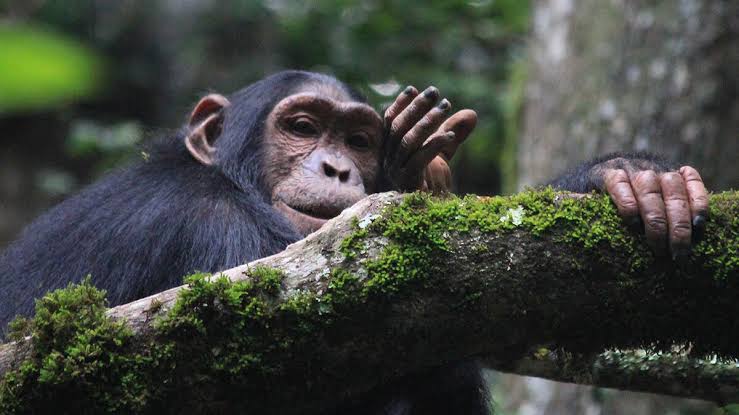
Chimpanzees are among the primate species recorded in Bwindi, although the park is not a conventional destination for organised chimpanzee trekking.
Visitors interested in a dedicated chimpanzee tracking experience can combine Bwindi with Kibale National Park, which is one of Uganda’s leading chimpanzee tourism destinations.
Other Monkey Species
Bwindi is home to several monkey species, including:
- L’Hoest’s monkey.
- Red-tailed monkey.
- Blue monkey.
- Black-and-white colobus.
- De Brazza’s monkey.
Sightings depend on forest conditions and animal movements.
Forest Elephants
Forest elephants inhabit parts of Bwindi, although sightings are relatively uncommon because of the dense vegetation.
They are important components of the rainforest ecosystem.
Other Mammals
Additional mammals recorded in the park include duikers, bush pigs, giant forest hogs and several smaller forest species.
Birdwatching in Bwindi Impenetrable National Park
Bwindi is a rewarding destination for birdwatchers, particularly those interested in Albertine Rift endemics.
The park’s different elevations, forest habitats and vegetation types support a remarkable diversity of birdlife.
Visitors can organise guided birding walks around the forest, with opportunities to search for species that are difficult to find elsewhere.
Birding is especially rewarding for visitors who spend multiple nights around the park.
A specialised birdwatching guide can help identify forest species by their calls, movements and distinctive plumage.
For serious birdwatchers, combining Bwindi with Mgahinga Gorilla National Park, Queen Elizabeth National Park and Kibale National Park can create a rewarding Uganda birding itinerary.
Cultural Experiences Around Bwindi
A visit to Bwindi can also provide opportunities to learn about the communities living around the forest.
The Batwa people have a long historical relationship with the forest and traditionally depended on it for hunting, gathering and other aspects of their livelihoods.
Today, cultural tourism initiatives provide visitors with opportunities to learn about Batwa history, traditional knowledge, music, dance and forest-related cultural practices.
Batwa Cultural Experiences
A guided Batwa cultural experience may include:
- Traditional music and dance.
- Storytelling.
- Demonstrations of traditional forest skills.
- Explanations of historical forest lifestyles.
- Cultural interpretation by community guides.
These experiences offer a valuable opportunity to understand the relationship between forest conservation and local communities.
Visitors should choose responsible community tourism initiatives that respect local traditions and provide meaningful benefits to participating communities.
Other Activities to Do in and Around Bwindi
Although gorilla trekking is the main attraction, visitors can extend their stay with additional activities.
1. Guided Nature Walks
Guided forest walks allow visitors to explore Bwindi’s vegetation, birdlife, butterflies and other rainforest features.
These excursions are suitable for travellers interested in ecology and nature photography.
2. Waterfall Walks
Some guided walks around the Bwindi region lead to beautiful forest waterfalls and streams.
These excursions provide opportunities to appreciate the park’s natural scenery beyond gorilla trekking.
3. Community Walks
Visitors can explore neighbouring villages and learn about local livelihoods, agriculture, crafts and community conservation initiatives.
4. Birdwatching Tours
Specialised birdwatching excursions can be organised for both experienced birders and beginners.
5. Lake Mutanda Excursion
Lake Mutanda, located near Kisoro, is a beautiful destination for canoeing, scenic photography and relaxation.
It is particularly convenient for travellers visiting the southern sectors of Bwindi or combining Bwindi with Mgahinga Gorilla National Park.
6. Mgahinga Gorilla National Park
Visitors can extend their trip to Mgahinga Gorilla National Park, another important mountain gorilla conservation destination in southwestern Uganda.
Mgahinga offers mountain gorilla trekking, golden monkey tracking, volcano hiking and Batwa cultural experiences.
Combining Bwindi and Mgahinga creates an excellent primate and adventure safari.
How to Get to Bwindi Impenetrable National Park
Travellers can access Bwindi by road or domestic flight.
The best route depends on the trekking sector, starting location and overall safari itinerary.
Travelling to Bwindi by Road
Road transportation is the most common way to reach Bwindi.
From Entebbe or Kampala, the journey can take approximately 8–11 hours or longer, depending on the destination sector, road conditions and stopovers.
Common routes include:
Kampala/Entebbe to Buhoma
The journey generally follows the southwestern Uganda route through major towns such as Mbarara and Kabale before continuing towards the northern side of Bwindi.
Kampala/Entebbe to Ruhija
Travellers generally drive through Kabale before proceeding to Ruhija.
Kampala/Entebbe to Rushaga
The route usually passes through Kabale and Kisoro before reaching the southern trekking sector.
Kampala/Entebbe to Nkuringo
Travellers generally access Nkuringo through southwestern Uganda, with the final approach depending on the selected route and prevailing road conditions.
A 4×4 safari vehicle is recommended because some access roads are mountainous, winding and unpaved.
Flying to Bwindi
Travellers who want to reduce road travel time can consider domestic flights from Entebbe International Airport or Kajjansi Airfield.
Depending on the selected sector and airline schedule, flights may operate to:
- Kihihi Airstrip – Convenient for Buhoma and some northern Bwindi itineraries.
- Kisoro Airstrip – Convenient for Rushaga, Nkuringo and Mgahinga itineraries.
After landing, visitors continue by road to their respective lodges and trekking headquarters.
Flight schedules, baggage allowances and transfer arrangements should be confirmed before booking.
Where to Stay in Bwindi Impenetrable National Park
Bwindi offers a wide selection of accommodation facilities, ranging from luxury rainforest lodges to midrange properties and affordable guesthouses.
The best accommodation depends on your preferred trekking sector, budget, comfort requirements and safari itinerary.
Luxury Accommodation
Luxury lodges offer comfortable rooms, quality dining, beautiful forest surroundings and personalised services.
Many provide exceptional views of the rainforest and surrounding highlands.
Examples include:
- Buhoma Lodge.
- Sanctuary Gorilla Forest Camp.
- Nkuringo Bwindi Gorilla Lodge.
- Clouds Mountain Gorilla Lodge.
- Four Gorillas Lodge.
Midrange Accommodation
Midrange properties offer a balance between comfort, location and affordability.
Examples include:
- Gorilla Mist Camp.
- Gorilla Leisure Lodge.
- Ichumbi Gorilla Lodge.
- Rushaga Gorilla Camp.
- Bakiga Lodge.
Budget Accommodation
Budget travellers can find guesthouses, camps and smaller lodges around the different trekking sectors.
These properties are suitable for visitors seeking affordable accommodation while maintaining convenient access to gorilla trekking activities.
Why Should You Stay Near Your Gorilla Trekking Sector?
Accommodation location is one of the most important factors when planning a Bwindi safari.
For example, a visitor with a Rushaga gorilla permit should ideally stay around Rushaga rather than booking accommodation in Buhoma.
The four sectors are separated by mountainous terrain, and transfers between them can take several hours.
Staying close to your assigned trekking headquarters helps minimise early-morning transfers and makes the overall experience more convenient.
What to Pack for Gorilla Trekking in Bwindi
Proper preparation makes a significant difference during a gorilla trekking experience.
Because Bwindi is a tropical rainforest, visitors should carry clothing and equipment suitable for wet, muddy and uneven conditions.
Recommended items include:
1. Hiking boots
Wear sturdy, waterproof hiking boots with good ankle support and a strong grip.
2. Long trousers
Long hiking trousers help protect your legs from vegetation, insects and scratches.
3. Long-sleeved shirts
These offer additional protection from branches, nettles and insects.
4. Gardening gloves
Gloves are useful when holding vegetation for balance during steep sections of the trek.
5. Waterproof jacket
Rain showers can occur at any time, making a lightweight waterproof jacket essential.
6. Drinking water
Carry sufficient drinking water to remain hydrated throughout the trek.
7. Snacks
Energy snacks can be helpful during longer hikes.
8. Camera and spare batteries
A camera with good low-light performance is useful in the dense rainforest.
9. Insect repellent
This can help protect against biting insects.
10. Walking stick
A walking stick provides additional support on slippery and uneven terrain. Walking sticks are often available at the trekking headquarters.
11. Small backpack
A waterproof daypack is useful for carrying personal items.
12. Sunscreen and personal medication
Bring any personal medication you may need, alongside basic sun protection.
Photography Tips for Gorilla Trekking
Photographing mountain gorillas is one of the highlights of visiting Bwindi.
However, the dense rainforest presents challenges because lighting conditions can be limited and gorillas often move through shaded vegetation.
Consider the following photography tips:
- Use a camera that performs well in low-light conditions.
- Carry a lens suitable for wildlife photography.
- Bring spare batteries.
- Avoid using flash photography.
- Keep your camera ready before reaching the gorillas.
- Follow your ranger’s instructions about positioning.
- Avoid crowding the gorillas for photographs.
- Do not sacrifice the experience by concentrating entirely on your camera.
Some of the most memorable photographs capture natural gorilla behaviour, including feeding, grooming, resting and interaction between family members.
Always prioritise the animals’ welfare and follow all photography rules provided by your guides.
Gorilla Trekking Rules and Safety Guidelines
Mountain gorillas are endangered wild animals, and responsible tourism is essential for their protection.
Visitors must follow the rules established by Uganda Wildlife Authority.
Important guidelines include:
- Maintain the minimum distance from gorillas as instructed by your ranger. The recommended viewing distance is generally 10 metres, although gorilla movements may occasionally bring them closer.
- Do not use flash photography.
- Avoid loud conversations and unnecessary movements.
- Do not touch gorillas.
- Do not eat or drink near the gorillas.
- Never leave rubbish in the forest.
- Follow your guide’s instructions at all times.
- Avoid trekking when ill, especially with contagious respiratory symptoms.
- Cover your mouth and nose when coughing or sneezing, following ranger instructions.
- Do not attempt to attract the gorillas’ attention.
These guidelines help minimise disease transmission, reduce disturbance and protect the long-term survival of mountain gorillas.
Is Gorilla Trekking in Bwindi Safe?
Gorilla trekking is generally considered safe when visitors follow the instructions of professional guides and Uganda Wildlife Authority rangers.
The gorillas visited during tourism activities are habituated to controlled human presence.
Rangers and trackers monitor gorilla movements and help visitors maintain appropriate behaviour throughout the encounter.
However, mountain gorillas remain wild animals, and visitors must respect their natural behaviour.
Responsible Tourism and Mountain Gorilla Conservation
Bwindi is an important conservation landscape, and tourism plays a significant role in supporting its protection.
Gorilla trekking revenue contributes to wildlife conservation, park management and community development.
Tourism also creates employment opportunities for guides, trackers, porters, lodge employees, drivers, cultural performers and other community members.
Visitors can contribute to responsible tourism by:
- Booking with reputable tour operators.
- Following gorilla trekking regulations.
- Using local guides and porters.
- Supporting community-owned tourism initiatives.
- Respecting local cultures and traditions.
- Avoiding littering.
- Supporting accommodation providers committed to responsible practices.
Choosing responsible tourism experiences helps ensure that Bwindi remains protected for future generations.
Combining Bwindi with Other Uganda Safari Destinations
Bwindi can be incorporated into a longer Uganda safari that includes wildlife viewing, chimpanzee tracking, birdwatching, cultural experiences and adventure activities.
Bwindi and Queen Elizabeth National Park
Combining Bwindi with Queen Elizabeth National Park is one of the most popular Uganda safari options.
Visitors can enjoy mountain gorilla trekking before travelling to Queen Elizabeth for game drives, boat cruises along the Kazinga Channel and wildlife viewing in the Kasenyi Plains.
The Ishasha sector is particularly interesting because of its famous tree-climbing lions.
Bwindi and Kibale National Park
Kibale National Park is one of Africa’s leading chimpanzee tracking destinations.
Combining Kibale and Bwindi allows travellers to encounter two of Africa’s most remarkable primates during one safari.
Bwindi and Mgahinga Gorilla National Park
This combination is ideal for travellers interested in primate conservation and mountain landscapes.
Activities include gorilla trekking, golden monkey tracking, Batwa cultural experiences and volcano hiking.
Bwindi and Murchison Falls National Park
For a longer Uganda safari, visitors can combine gorilla trekking with Murchison Falls National Park.
Activities include game drives, boat cruises on the Nile, birdwatching and visits to the spectacular Murchison Falls.
Bwindi and Lake Mburo National Park
Lake Mburo offers a different wildlife experience, with opportunities for game drives, boat cruises, nature walks and horseback safaris.
It can be included on a road safari between Kampala and southwestern Uganda.
Combining Bwindi Gorilla Trekking with Rwanda
Bwindi’s location in southwestern Uganda makes it possible to combine Uganda and Rwanda into one East African safari.
Travellers can fly into Kigali International Airport and transfer by road to Bwindi through the Cyanika or Katuna border crossings, depending on the chosen trekking sector and itinerary.
The Kigali-to-Bwindi route is particularly attractive for visitors who want to reduce the long road journey from Entebbe.
A Uganda-Rwanda safari can include:
- Kigali city tour.
- Kigali Genocide Memorial.
- Volcanoes National Park.
- Golden monkey tracking.
- Bwindi mountain gorilla trekking.
- Lake Bunyonyi.
- Queen Elizabeth National Park.
Travellers should confirm visa requirements, border procedures and the suitability of their travel documents before departure.
How Many Days Do You Need in Bwindi?
The ideal length of stay depends on your interests and the activities you want to include.
One Night, Two Days
Suitable for travellers with limited time who only want to participate in standard gorilla trekking.
However, this requires careful transportation planning.
Two Nights, Three Days
This is a comfortable option for many visitors.
It allows time to arrive, settle into the lodge, participate in gorilla trekking and enjoy a relaxed departure.
Three Nights, Four Days
Ideal for travellers who want to combine gorilla trekking with birdwatching, cultural activities or nature walks.
Four Nights or More
Recommended for visitors interested in deeper rainforest exploration, additional activities or a more relaxed safari itinerary.
Frequently Asked Questions About Bwindi Impenetrable National Park
1. Where is Bwindi Impenetrable National Park located?
Bwindi Impenetrable National Park is located in southwestern Uganda, within the Albertine Rift region, near the borders of Rwanda and the Democratic Republic of Congo.
2. What is Bwindi famous for?
Bwindi is internationally famous for mountain gorilla trekking. It is also recognised for its exceptional biodiversity, birdlife, ancient rainforest and conservation importance.
3. How many mountain gorillas live in Bwindi?
Bwindi protects a substantial population of endangered mountain gorillas. Population estimates should be interpreted according to the latest official gorilla census rather than treated as a fixed number.
4. How many gorilla trekking sectors are in Bwindi?
There are four main gorilla trekking sectors: Buhoma, Ruhija, Rushaga and Nkuringo.
5. How long does gorilla trekking take?
The trek may take anywhere from a few hours to most of the day, depending on the location and movements of the assigned gorilla family.
6. How long can visitors stay with gorillas?
Standard gorilla trekking generally allows one hour with the gorillas after they have been located.
7. What is the difference between gorilla trekking and gorilla habituation?
Standard gorilla trekking provides one hour with a habituated gorilla family, while gorilla habituation allows up to four hours with a semi-habituated family under the supervision of conservation personnel.
8. Is Bwindi open throughout the year?
Yes. Gorilla trekking is conducted throughout the year, subject to permit availability and operational arrangements.
9. What is the best time to visit Bwindi?
June to September and December to February are generally preferred because they tend to receive less rainfall.
10. Can children participate in gorilla trekking?
The minimum age for standard gorilla trekking in Uganda is 15 years. Children below this age are not permitted to participate.
11. Is gorilla trekking difficult?
It can be physically demanding because of steep slopes, thick vegetation and muddy trails. Trekking difficulty varies according to the gorilla family’s location.
12. Can elderly travellers participate in gorilla trekking?
Yes, provided they are physically capable of participating. Visitors with mobility concerns should discuss their needs with their tour operator in advance. Porters and sedan-chair carrying services may be available at an additional cost, subject to arrangements and availability.
13. Can I visit Bwindi without trekking gorillas?
Yes. Visitors can enjoy birdwatching, guided nature walks, cultural experiences and community tourism around the park.
14. Can I combine Bwindi and Mgahinga Gorilla National Park?
Yes. The two parks are relatively close to each other and can be combined in a longer southwestern Uganda safari.
15. How far is Bwindi from Kampala?
The road journey generally takes approximately 8–11 hours or longer, depending on the trekking sector, route and road conditions.
16. Can I travel from Kigali to Bwindi?
Yes. Visitors can travel from Kigali through Rwanda’s northern or southwestern routes and cross into Uganda through an appropriate border crossing. The best route depends on the selected Bwindi sector.
17. Are there luxury lodges in Bwindi?
Yes. Bwindi has several luxury accommodation facilities, including lodges around Buhoma, Ruhija, Rushaga and Nkuringo.
18. Do I need a gorilla trekking permit in advance?
Yes. It is strongly advisable to arrange your permit in advance because daily visitor numbers are limited and popular dates can sell out.
Plan Your Bwindi Gorilla Trekking Safari with Book Gorilla Tracking
A visit to Bwindi Impenetrable National Park is one of the most memorable experiences you can include in an African safari.
From the anticipation of entering the ancient rainforest to the unforgettable moment of encountering a mountain gorilla family, every stage of the journey offers something extraordinary.
At Book Gorilla Tracking, we help travellers organise memorable gorilla trekking experiences in Uganda and Rwanda.
Whether you are interested in standard gorilla trekking, the gorilla habituation experience, luxury accommodation, budget-friendly safaris or a customised Uganda-Rwanda itinerary, our team can assist with planning your journey.
We can help arrange:
- Uganda gorilla trekking permits.
- Rwanda gorilla trekking permits.
- Gorilla habituation permits.
- Accommodation in Bwindi’s four trekking sectors.
- Private 4×4 safari transportation.
- Professional English-speaking safari guides.
- Airport transfers.
- Uganda and Rwanda combined safaris.
- Customised wildlife, birding and cultural experiences.
Start planning your mountain gorilla encounter today. Contact Book Gorilla Tracking to check permit availability and receive a personalised Bwindi gorilla trekking safari proposal.
[…] decide whether your itinerary should use Bwindi Impenetrable National Park or Mgahinga Gorilla National Park. If you choose Bwindi, you should also consider the trekking […]
[…] Bwindi Impenetrable National Park […]
[…] Bwindi Impenetrable National Park […]
[…] disturbance. for travellers seeking gorilla trekking trips, they can opt for uganda parks such as Bwindi and Mgahinga or volcanoes national park of […]
[…] researching gorilla safaris often compare Kahuzi-Biega with Uganda’s Bwindi Impenetrable National Park, Uganda’s Mgahinga Gorilla National Park and Rwanda’s Volcanoes National […]
[…] Bwindi Impenetrable National Park lies in southwestern Uganda, across parts of Kanungu, Rubanda, and Kisoro districts. The park protects a significant proportion of the world’s endangered mountain gorillas, making it one of Africa’s most important destinations for gorilla trekking. […]
[…] Experience one of Africa’s most extraordinary wildlife encounters on this 3 Days Uganda Gorilla Trekking Safari from Kigali. This short Uganda safari takes you from Kigali, Rwanda, across the border into southwestern Uganda for an unforgettable mountain gorilla trekking experience in Bwindi Impenetrable National Park. […]
[…] border areas are also close to Uganda’s famous attractions, including Lake Bunyonyi, Bwindi Impenetrable National Park, Mgahinga Gorilla National Park, Murchison Falls National Park, and the scenic Kigezi […]
[…] can also consider a longer itinerary that includes gorilla trekking in Bwindi Impenetrable National Park. However, a demanding summit expedition followed by another strenuous activity should be planned […]
[…] gorillas, chimpanzees, elephants, lions, birds and numerous other species. Protected areas such as Bwindi Impenetrable National Park, Kibale National Park, Murchison Falls National Park and Queen Elizabeth National Park are important […]
[…] the best safari lodge in Bwindi Impenetrable National Park is an important part of planning a successful Uganda gorilla trekking safari. Whether you are […]
[…] Bwindi Impenetrable National Park for mountain gorilla trekking. […]
[…] a Uganda safari, Lake Bunyonyi is an excellent place to slow down after gorilla trekking in Bwindi Impenetrable National Park or Mgahinga Gorilla National Park. It can also be included in a longer journey combining wildlife, […]
[…] in Kisoro District, the lake is an excellent place to relax before or after gorilla trekking in Bwindi Impenetrable National Park or exploring Mgahinga Gorilla National […]
[…] Bwindi Impenetrable National Park is famous for mountain gorilla trekking, but its attractions extend far beyond gorillas. The ancient rainforest in southwestern Uganda also offers scenic waterfalls, guided forest walks, birdwatching, primate encounters and hiking trails with beautiful views of the surrounding hills. […]
[…] Waterfalls are a beautiful natural attraction in Bwindi Impenetrable National Park, southwestern Uganda. Surrounded by lush rainforest, flowing streams and rich biodiversity, these […]
[…] Buhoma Waterfall Trail is one of the rewarding nature hikes in Bwindi Impenetrable National Park, southwestern Uganda. This guided forest walk takes visitors beneath towering trees, past tree ferns […]
[…] Rushura Hill Trail is one of the most scenic hiking routes in Bwindi Impenetrable National Park, southwestern Uganda. Located in the Buhoma sector, this rewarding hike takes visitors through […]
[…] Waterfalls are a scenic natural attraction in the Rushaga sector of Bwindi Impenetrable National Park in southwestern Uganda. Surrounded by lush montane rainforest, the waterfalls offer visitors an […]
[…] Swamp is one of the most rewarding birdwatching destinations in Bwindi Impenetrable National Park, southwestern Uganda. Located in the Ruhija sector, this remarkable wetland and its surrounding […]
[…] Muzabajiro Loop Trail is a rewarding hiking experience in Bwindi Impenetrable National Park in southwestern Uganda. Known for its rainforest scenery, forest wildlife and panoramic views from […]
[…] is also an important stop for travellers connecting Queen Elizabeth National Park with Bwindi Impenetrable National Park for mountain gorilla trekking. Spending a night in or near Ishasha can make it easier to explore […]
[…] Bwindi Impenetrable National Park in southwestern Uganda is the principal destination for birdwatchers hoping to find the African Green Broadbill. […]
[…] in Ruhija is one of the highlights of a Uganda birding safari. Located in the eastern highlands of Bwindi Impenetrable National Park in southwestern Uganda, Ruhija is renowned for its montane rainforest, cool climate and remarkable […]
[…] travellers planning a future gorilla safari, Uganda’s Bwindi Impenetrable National Park and Rwanda’s Volcanoes National Park are alternative destinations to research, subject to […]
[…] spectacular volcanic landscapes of Rwanda’s Volcanoes National Park with the tropical forests of Bwindi Impenetrable National Park, the wildlife-rich savannahs of Queen Elizabeth and Murchison Falls national parks, and the […]
[…] with endangered mountain gorillas in their natural rainforest habitat. Most visitors trek in Bwindi Impenetrable National Park, which has four main sectors: Buhoma, Ruhija, Rushaga and nkuringo. You can also track gorillas in […]
[…] is home to mountain gorillas in Bwindi Impenetrable National Park and Mgahinga Gorilla National […]
[…] spectacular waterfalls, and breathtaking landscapes. From tracking endangered mountain gorillas in Bwindi Impenetrable National Park to watching elephants and lions on the savannah, Uganda offers extraordinary safari experiences […]
[…] Read more about the Rushaga Gorilla Trekking Sector and the Complete Guide to Bwindi Impenetrable National Park. […]
[…] holds a special place in Uganda’s wildlife conservation history. Located in the Buhoma sector of Bwindi Impenetrable National Park, this remarkable mountain gorilla group was the first in Uganda to be habituated for gorilla […]
[…] destinations for mountain gorilla trekking in southwestern Uganda. Located in the southern part of Bwindi Impenetrable National Park, in the Kisoro District area, Rushaga attracts travellers who want to encounter endangered mountain […]
[…] in the southern part of Bwindi Impenetrable National Park in southwestern Uganda, Rushaga has become a popular destination for international travellers, […]
[…] with Raptors Africa Safaris. Fly from Entebbe to southwestern Uganda, explore the magnificent Bwindi Impenetrable National Park, and trek into the tropical rainforest on two separate days to observe endangered mountain gorillas […]
[…] Bwindi Impenetrable National Park is one of Uganda’s most famous wildlife destinations, attracting travellers from around the world for unforgettable mountain gorilla trekking experiences. Located in southwestern Uganda, this ancient rainforest is home to endangered mountain gorillas, diverse birdlife, and numerous forest species. […]
[…] Entebbe International Airport to Kisoro is a convenient option for travellers heading to southern Bwindi or Mgahinga Gorilla National […]
[…] Bwindi Impenetrable National Park is located in southwestern Uganda and protects an extensive area of tropical rainforest that provides habitat for a significant proportion of the world’s remaining mountain gorillas. […]
[…] an exceptional diversity of travel experiences within one country. From the mountain gorillas of Bwindi Impenetrable National Park to the powerful Murchison Falls, the tree-climbing lions of Queen Elizabeth National Park and the […]
[…] before visiting destinations such as Queen Elizabeth National Park, Murchison Falls National Park, Bwindi Impenetrable National Park and Kibale National Park. Actual exhibits accessible to visitors will depend on the museum’s […]
[…] Gorilla Sector, located in the southern part of Bwindi Impenetrable National Park in southwestern Uganda, is one of the country’s most rewarding destinations for mountain […]
[…] is one of the four main gorilla trekking sectors of Bwindi Impenetrable National Park. Located in the eastern part of the park, Ruhija is an excellent destination for travellers seeking […]
[…] Lodge is an accommodation establishment situated in the Ruhija sector of Bwindi Impenetrable National Park. Surrounded by the beautiful landscapes of southwestern Uganda, the lodge offers a nature-focused […]
[…] Gorilla Family is one of the habituated mountain gorilla groups found in the Buhoma sector of Bwindi Impenetrable National Park in southwestern Uganda. Known for its interesting history, changing leadership and movements around […]
[…] Gorilla Family is one of the habituated mountain gorilla groups found in the Rushaga sector of Bwindi Impenetrable National Park in southwestern Uganda. Its story is particularly interesting because it involves the formation of […]
[…] Uganda, where visitors can participate in guided mountain gorilla trekking experiences. Bwindi Impenetrable National Park has four main trekking sectors: Buhoma, Ruhija, Rushaga and Nkuringo. Mgahinga Gorilla National […]
[…] Gorilla Family is one of the habituated mountain gorilla groups found in the Rushaga sector of Bwindi Impenetrable National Park in southwestern Uganda. The group is known for its interesting origins, having separated from the […]
[…] Nshongi Gorilla Family is one of the remarkable habituated mountain gorilla groups in Bwindi Impenetrable National Park, southwestern Uganda. Located in the park’s Rushaga sector, this family is particularly […]
[…] Gorilla Family is one of the habituated mountain gorilla groups found in the Buhoma sector of Bwindi Impenetrable National Park in southwestern Uganda. The family is known for its connection to the historic Mubare Gorilla […]
[…] is one of the habituated mountain gorilla groups available for trekking in the Nkuringo sector of Bwindi Impenetrable National Park in southwestern Uganda. Named after its dominant silverback, Christmas, this family offers […]
[…] Nkuringo Gorilla Family is one of the most historic habituated mountain gorilla groups in Bwindi Impenetrable National Park, southwestern Uganda. Located in the Nkuringo sector, this family was the first gorilla group to be […]
[…] the right tour operator can make a significant difference to your holiday. Whether you are visiting Bwindi Impenetrable National Park and Mgahinga Gorilla National Park in Uganda or Volcanoes National Park in Rwanda, working with a […]
[…] Entebbe. Starting and ending in Kigali, the safari takes you across the Rwanda-Uganda border to Bwindi Impenetrable National Park, a UNESCO World Heritage Site and one of the world’s most important mountain gorilla […]
[…] The answer requires an important distinction. Yes, gorilla habituation takes place in the Democratic Republic of Congo (DRC), particularly in Virunga National Park. However, Congo’s habituation programme is primarily a conservation and research activity. It does not have the same established, publicly bookable four-hour tourist habituation product offered in Uganda’s Bwindi Impenetrable National Park. […]
[…] trekking in Rwanda’s Volcanoes National Park, mountain gorilla trekking in Uganda’s Bwindi Impenetrable National Park, and exceptional wildlife experiences in Queen Elizabeth and Murchison Falls national […]
[…] Bwindi Impenetrable National Park is one of the best places in the world to see mountain gorillas. Located in southwestern Uganda, this UNESCO World Heritage Site protects an ancient rainforest that is home to a significant proportion of the world’s remaining mountain gorillas. […]
[…] diversity of animals, birds and natural habitats. From the endangered mountain gorillas of Bwindi Impenetrable National Park to the mighty African elephants of Murchison Falls, Uganda offers unforgettable wildlife […]
[…] Bwindi Impenetrable National Park is one of Uganda’s most spectacular wildlife destinations. Located in southwestern Uganda, this ancient tropical rainforest is internationally famous for protecting endangered mountain gorillas and supporting an extraordinary diversity of wildlife. […]
[…] Sector has four principal habituated mountain gorilla families associated with gorilla tourism in Bwindi Impenetrable National Park: Bitukura, Oruzogo, Kyaguliro and Mukiza. These groups are found in the eastern part of Bwindi, in […]
[…] many visitors spend their first or final night here before travelling to destinations such as Bwindi Impenetrable National Park, Mgahinga Gorilla National Park, Queen Elizabeth National Park, Kibale Forest National Park and […]
[…] adventure travellers, a visit can be combined with gorilla trekking in Bwindi Impenetrable National Park, chimpanzee tracking in Kibale Forest National Park and wildlife safaris in Queen Elizabeth […]
[…] Buganda cultural experiences into tailor-made Uganda holidays, including gorilla trekking in Bwindi Impenetrable National Park, chimpanzee tracking in Kibale Forest, wildlife safaris in Queen Elizabeth National Park and […]
[…] adventure begins in Entebbe, on the shores of Lake Victoria, before travelling north to Murchison Falls National Park. Here, the River Nile squeezes through a narrow rocky gorge, creating one of Africa’s most […]
[…] for affordable mountain gorilla trekking. The country protects mountain gorillas within Bwindi Impenetrable National Park and Mgahinga Gorilla National Park, both situated in southwestern Uganda. Visitors can combine […]
[…] of Congo, along the international border with Uganda. Sharing a continuous forest ecosystem with Bwindi Impenetrable National Park, the reserve provides an important natural habitat for endangered mountain gorillas, eastern […]