Call: +256 702 595 926 | Email: info@bookgorillatracking.com

Buhoma Sector Gorilla Trekking Guide | Bwindi Uganda
Gorilla Families in the Buhoma sector
Mubare Gorilla family
Rushegura gorilla family
Muyambi Gorilla family
Katwe Gorilla family
Habinyanja Gorilla family

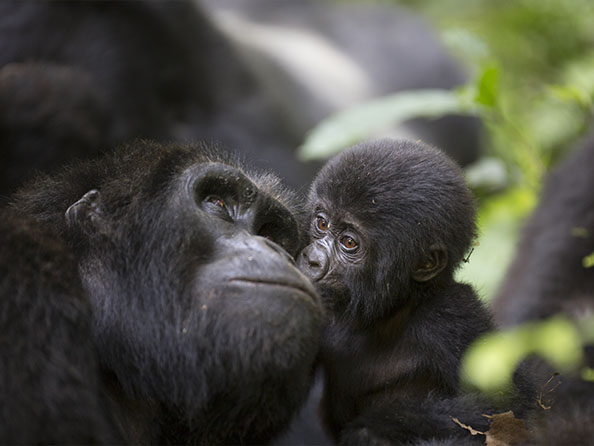
Buhoma Sector in Bwindi Impenetrable National Park: Gorilla Trekking Guide
The Buhoma sector is one of the most popular areas for mountain gorilla trekking in Bwindi Impenetrable National Park. Located in the northern part of the park, Buhoma is known for its mountain gorillas, forest scenery, and established tourism facilities. It is an excellent starting point for visitors planning a gorilla trekking safari in southwestern Uganda.
Bwindi Impenetrable National Park lies in southwestern Uganda, across parts of Kanungu, Rubanda, and Kisoro districts. The park protects a significant proportion of the world’s endangered mountain gorillas, making it one of Africa’s most important destinations for gorilla trekking.
Bwindi is divided into four main gorilla trekking sectors: Buhoma in the north, Ruhija in the east, and Rushaga and Nkuringo in the southern part of the park. Each sector has habituated gorilla groups that visitors can track with the assistance of trained guides and park rangers.
The Buhoma sector is particularly well established for tourism and has several habituated gorilla families, including Mubare, Rushegura, Muyambi, Katwe, and Habinyanja. Gorilla family numbers and trekking arrangements can change over time, so it is advisable to confirm current information when planning your visit.
Gorilla Families in the Buhoma Sector
Each gorilla family has its own history, social structure, and movement patterns. Learning about these groups can help you understand what makes gorilla trekking in Buhoma a memorable wildlife experience.
1. Mubare Gorilla Family
The Mubare gorilla family is one of the most historically significant groups in Buhoma. It was the first gorilla family in Bwindi to be opened to tourists, with trekking beginning in 1993. At that time, the family had 12 members and was led by a dominant silverback named Ruhondeza.
Ruhondeza remained an important figure in the group’s history until his death in 2012. After his leadership, the family experienced changes in its social structure as other silverbacks competed for dominance. Kanyonyi later became the leading silverback but was injured after falling from a tree. Malaya subsequently took over leadership.
The family was named after the Mubare Hills, where researchers first encountered the gorillas near Buhoma.
Because of its historical importance and location near the park headquarters, Mubare is often associated with the early development of gorilla tourism in Bwindi. However, the time required to find a gorilla family varies, and no particular group can be guaranteed to be close to the starting point.
2. Rushegura Gorilla Family
The Rushegura gorilla family was formed in 2002 after separating from the larger Habinyanja family. The split was led by a silverback named Mwirima, who left with a small group of gorillas and established an independent family.
Over the following years, the group grew considerably. After Mwirima’s death, leadership passed to another silverback, Kabukojo, according to the information in the original account.
The name Rushegura comes from the local name Ebishegura, referring to a tree species found in the area where the family separated from Habinyanja.
Rushegura is another well-known gorilla family in the Buhoma sector. Its territory is relatively close to the park headquarters and nearby accommodation areas, and gorillas from the family have occasionally been seen around lodges. Nevertheless, sightings outside the forest are not guaranteed.
For visitors planning a gorilla trekking safari, Rushegura offers an opportunity to learn about gorilla family dynamics and the way groups can separate and establish their own territories.
3. Muyambi Gorilla Family
The Muyambi gorilla family was opened for trekking in 2019, making it one of the newer groups associated with the Buhoma sector. Muyambi was formerly part of the Mubare family before separating to establish an independent group.
The family is particularly interesting to visitors who want to learn more about how mountain gorilla groups develop and change over time.
As with all habituated gorilla families in Bwindi, the group lives in its natural forest habitat, and its location can change daily. Trekkers should therefore be prepared for a walk through uneven forest terrain, sometimes involving steep slopes and muddy trails.
4. Katwe Gorilla Family
The Katwe gorilla family is another group associated with the Buhoma sector. According to the original account, its habituation process began in 2018, and the family was subsequently introduced as a gorilla trekking option.
The group has also been linked to changes in the social structure of the Mubare family. Some females reportedly joined Katwe after a period of disruption within Mubare, illustrating how mountain gorilla groups can change through transfers between families and shifts in leadership.
Katwe adds to the range of gorilla trekking experiences available in Buhoma. However, gorilla family composition and leadership may change over time, so travellers should confirm the latest details before their safari.
5. Habinyanja Gorilla Family
The Habinyanja gorilla family is one of the best-known groups in Bwindi’s gorilla trekking history. Its name is associated with the local word for a swamp or swampy area, reflecting where the group was first encountered.
Habinyanja was opened to tourists in 1999. At that time, it was reported to have approximately 30 members under the leadership of a silverback named Mugurusi.
In February 2002, a section of the family separated to form the Rushegura group. This split illustrates the changing social relationships and territorial patterns that shape mountain gorilla communities.
Habinyanja has been described as a family that moves through the forest in search of food and suitable areas to occupy. As a result, trekking can involve a longer walk depending on where the gorillas are located on the day of the visit.
Visitors tracking this family should be prepared for changing terrain and varying trekking times. The exact duration cannot be predicted in advance because the gorillas move freely within their forest habitat.
What to Expect During Gorilla Trekking in Buhoma
Gorilla trekking in Buhoma begins with registration and a briefing by park staff. Visitors are assigned a gorilla family and receive instructions on safety, forest etiquette, and responsible behaviour around the gorillas.


The trek takes place in dense tropical forest, where trails can be steep, slippery, and uneven. The length of the walk depends on the gorillas’ location, the terrain, and the conditions on the day. Some treks are relatively short, while others require several hours of hiking.
Once the gorillas are found, visitors are generally allowed a maximum of one hour observing them under the applicable gorilla trekking rules. During this time, trekkers may watch the gorillas feeding, resting, grooming, playing, or interacting with other members of the family.
To make the experience more comfortable, wear sturdy hiking boots, long trousers, and a long-sleeved shirt. A waterproof jacket, drinking water, and a small backpack are also useful. Hiring a porter can help you manage your belongings and support local livelihoods.
Best Time to Visit Buhoma for Gorilla Trekking
Gorilla trekking in Buhoma is available throughout the year. However, many visitors prefer the relatively drier periods, commonly around June to August and December to February, when forest trails may be easier to navigate.
Bwindi is a tropical rainforest, so rainfall can occur in any month. During wetter periods, the trails may become muddier and more challenging, but the forest remains an excellent destination for wildlife and nature experiences.
The best time for your trip also depends on permit availability, accommodation preferences, and your wider Uganda itinerary. Because gorilla permits are limited, booking in advance is recommended, particularly for popular travel dates.
Where to Stay in the Buhoma Sector
Buhoma has accommodation options for different budgets, from comfortable budget lodges to luxury forest retreats. Staying in the sector can be convenient for travellers who want to minimise the road transfer to the gorilla trekking briefing point.
When choosing accommodation, consider the location of the lodge, your budget, meal requirements, room comfort, and whether transfers to the park headquarters are included.
It is also important to confirm your assigned trekking sector before booking accommodation. A permit for Buhoma is not interchangeable with a permit for Rushaga, Ruhija, or Nkuringo simply because all four sectors are within Bwindi Impenetrable National Park.
How to Get to Buhoma
Buhoma is located in southwestern Uganda and can be reached by road from destinations such as Entebbe, Kampala, Queen Elizabeth National Park, or Kigali in Rwanda. Journey times vary according to the starting point, road conditions, border formalities, and the route selected.
Travellers arriving through Entebbe can include Buhoma in a longer Uganda safari that combines wildlife viewing, chimpanzee trekking, cultural activities, and other national parks.
Starting in Kigali can also be a practical option for some itineraries, particularly when visiting Bwindi’s southern sectors. However, the best entry point depends on your chosen gorilla trekking sector and the other destinations included in your trip.
For a smoother experience, consider arranging a private 4×4 safari vehicle, a professional driver-guide, accommodation, and gorilla permits in advance.
Frequently Asked Questions About Buhoma Gorilla Trekking
1. Where is the Buhoma sector located?
Buhoma is in the northern part of Bwindi Impenetrable National Park in southwestern Uganda.
2. Which gorilla families can be found in Buhoma?
The families discussed in this guide are Mubare, Rushegura, Muyambi, Katwe, and Habinyanja. Current family availability and composition should be confirmed when booking.
3. How long does gorilla trekking in Buhoma take?
The trek can take a few hours or longer, depending on where the gorillas are located and the terrain. The walking time cannot be guaranteed in advance.
4. Is Buhoma suitable for first-time gorilla trekkers?
Yes. Buhoma is an established gorilla trekking area with tourism infrastructure and accommodation options. However, the physical demands of the trek vary, and visitors should be prepared for steep, muddy, or uneven trails.
5. Can I choose which gorilla family to track?
You may be able to communicate your preferences, but allocation depends on park authorities, permit arrangements, and operational considerations. A particular family or short trekking time should not be assumed unless officially confirmed.
6. Do I need to book a gorilla permit in advance?
Yes. Gorilla trekking permits are limited, so advance booking is strongly recommended. Confirm the permit date and sector before finalising the rest of your arrangements.
Plan Your Buhoma Gorilla Trekking Safari
Buhoma offers a memorable introduction to mountain gorilla trekking in Bwindi Impenetrable National Park. Its established tourism facilities, rich gorilla trekking history, and range of accommodation options make it a valuable stop on a Uganda safari.
Whether you are planning a dedicated gorilla trekking trip or a longer journey through Uganda’s national parks, careful planning can help you make the most of your time in the forest.
Raptors Africa Safaris can help you organise a Uganda safari with gorilla permits, accommodation, transport, and a professional guide. Contact the team to discuss your travel dates, preferred accommodation level, and wider itinerary.
contact us today : info@bookgorillatracking.com
Call/whatsapp: +256702595926
[…] Gorilla National Park. If you choose Bwindi, you should also consider the trekking sector because Buhoma, Ruhija, Rushaga and Nkuringo are different access […]
[…] Buhoma: Often the most accessible sector, Buhoma hosts a number of well-known habituated groups and a range of accommodation from community guesthouses to luxury lodges. Trails from Buhoma can be less steep compared with southern sectors, although conditions vary. […]
[…] has four main gorilla trekking sectors: Buhoma, Rushaga, Ruhija and Nkuringo. Each provides access to habituated mountain gorilla families, […]
[…] within the districts of Kanungu, Kisoro and Kabale. Its four main gorilla trekking sectors are Buhoma, Ruhija, Rushaga and […]
[…] trekking aside, Buhoma sector offers a variety of other impressive activities, including guided nature walks in the forests all […]
[…] is commonly divided into four main gorilla trekking sectors: Buhoma, Ruhija, Rushaga, and Nkuringo. Each has its own access routes, accommodation options, landscapes, […]
[…] Gorilla Family holds a special place in Uganda’s wildlife conservation history. Located in the Buhoma sector of Bwindi Impenetrable National Park, this remarkable mountain gorilla group was the first in […]
[…] Buhoma: Located in the northern part of Bwindi. […]
[…] the busier Buhoma and Rushaga sectors, Ruhija offers a relatively quiet atmosphere, making it particularly appealing […]
[…] belongs to the Buhoma trekking sector, situated in the northern part of Bwindi. Buhoma is one of the park’s four main gorilla […]
[…] Buhoma Sector – Located in the northern part of Bwindi. […]